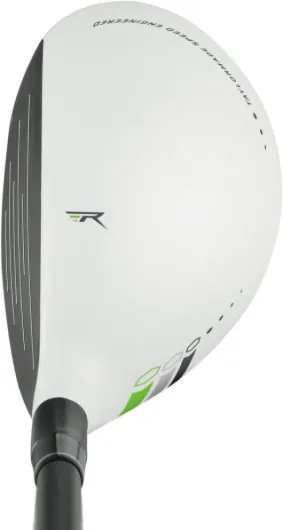
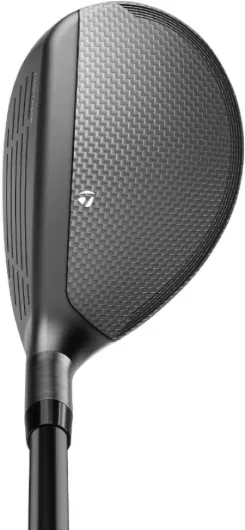
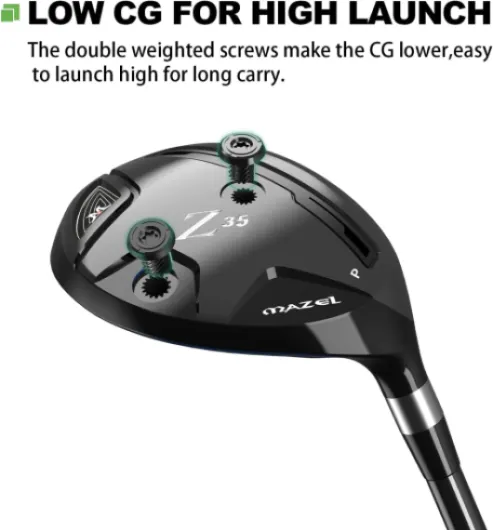
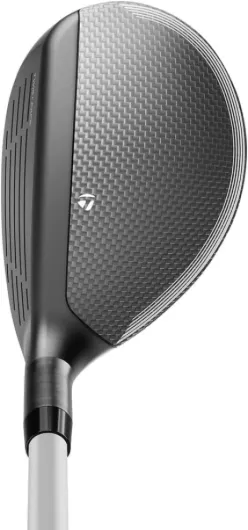
Key technologies that define top tier rescue clubs
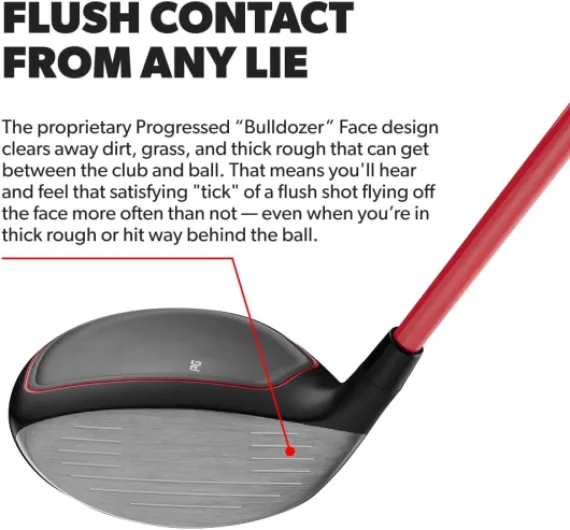
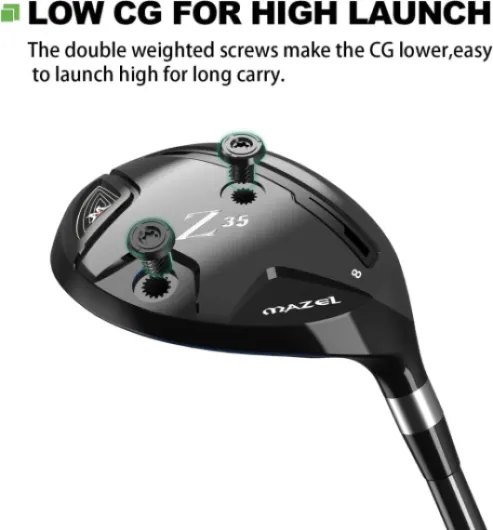
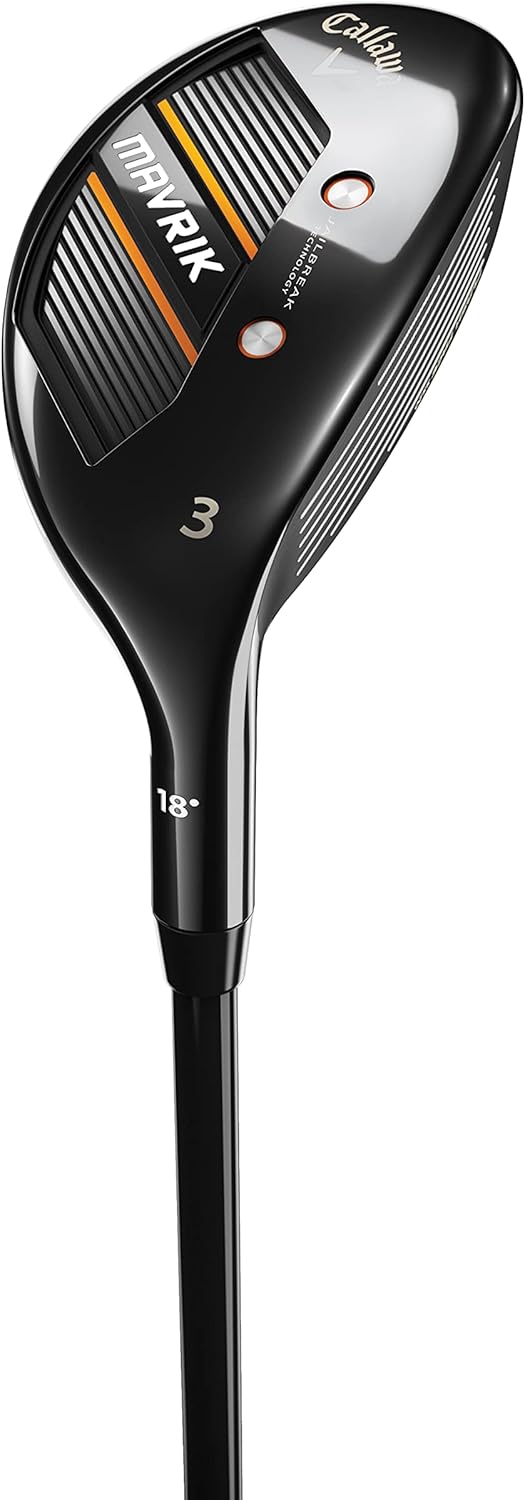
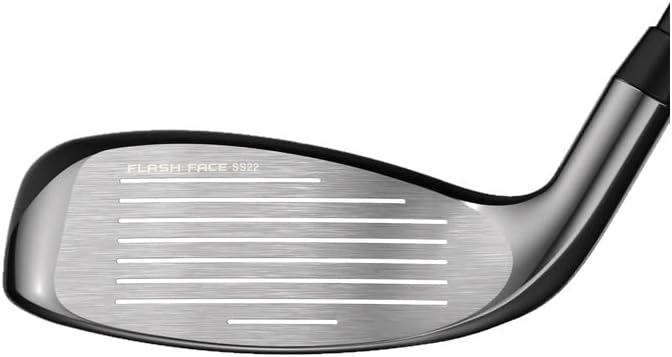
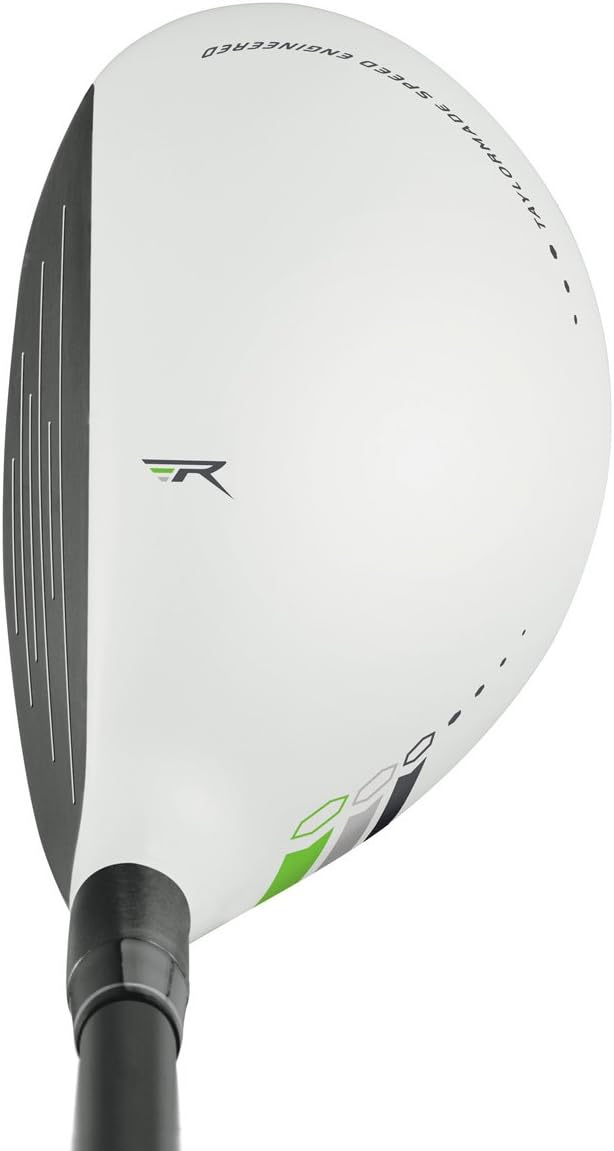
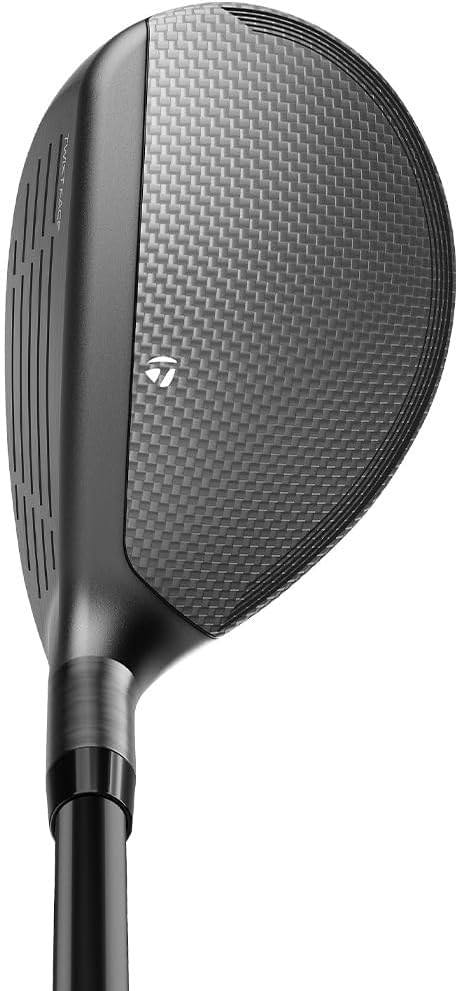
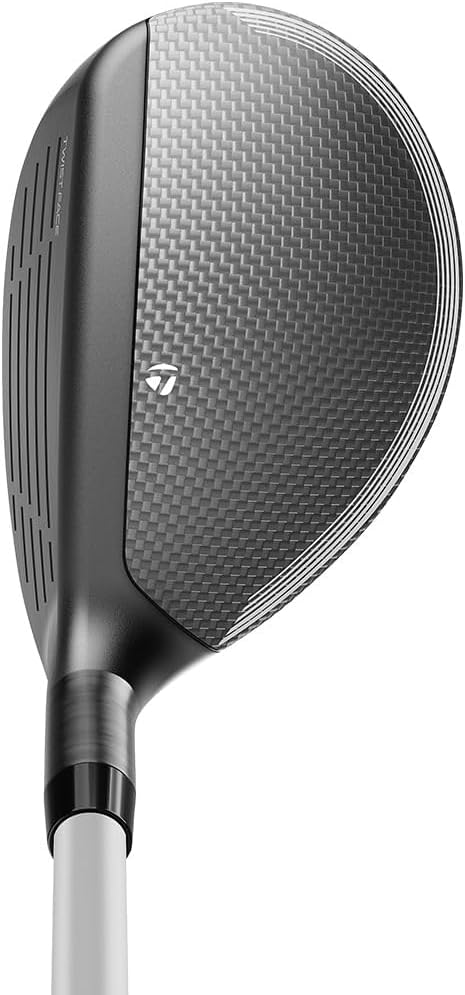
At the high end of the market, the best golf rescue clubs showcase advanced face materials, internal weighting, and adjustable hosels. Thin, high strength faces increase ball speed on center strikes while perimeter weighting raises forgiveness, so the ball flight stays stable even when contact drifts toward the toe or heel. Many luxury hybrids also feature adjustable loft and lie, allowing players to fine tune launch and spin for specific fairway or tee roles.
For golfers upgrading a complete set, pairing modern hybrid clubs with a premium package such as the CTR25 men’s golf package set for improving players (tested in 2024) creates a coherent performance profile from driver to wedges. In such configurations, the fairway wood, the hybrids, and the oversize iron heads are designed to produce progressive launch windows, so distance gaps remain consistent and predictable. When your hybrid golf technology is integrated this way, you can attack long par threes with confidence, knowing the club will deliver the intended flight and stopping power.
Luxury rescue clubs also pay attention to acoustics, feel, and visual alignment cues. A refined sound at impact, a stable yet responsive shaft tuned to your swing speeds, and a compact but confidence inspiring profile at address all contribute to better swings and more committed shots. As one fitter from a national studio put it, “When the hybrid looks and sounds right to the player, clubhead speed goes up a couple of miles per hour without them even trying.” These subtle design touches separate ordinary golf hybrids from the best golf rescue clubs that serious players keep in the bag season after season.
How rescue hybrids outperform long irons and fairway woods
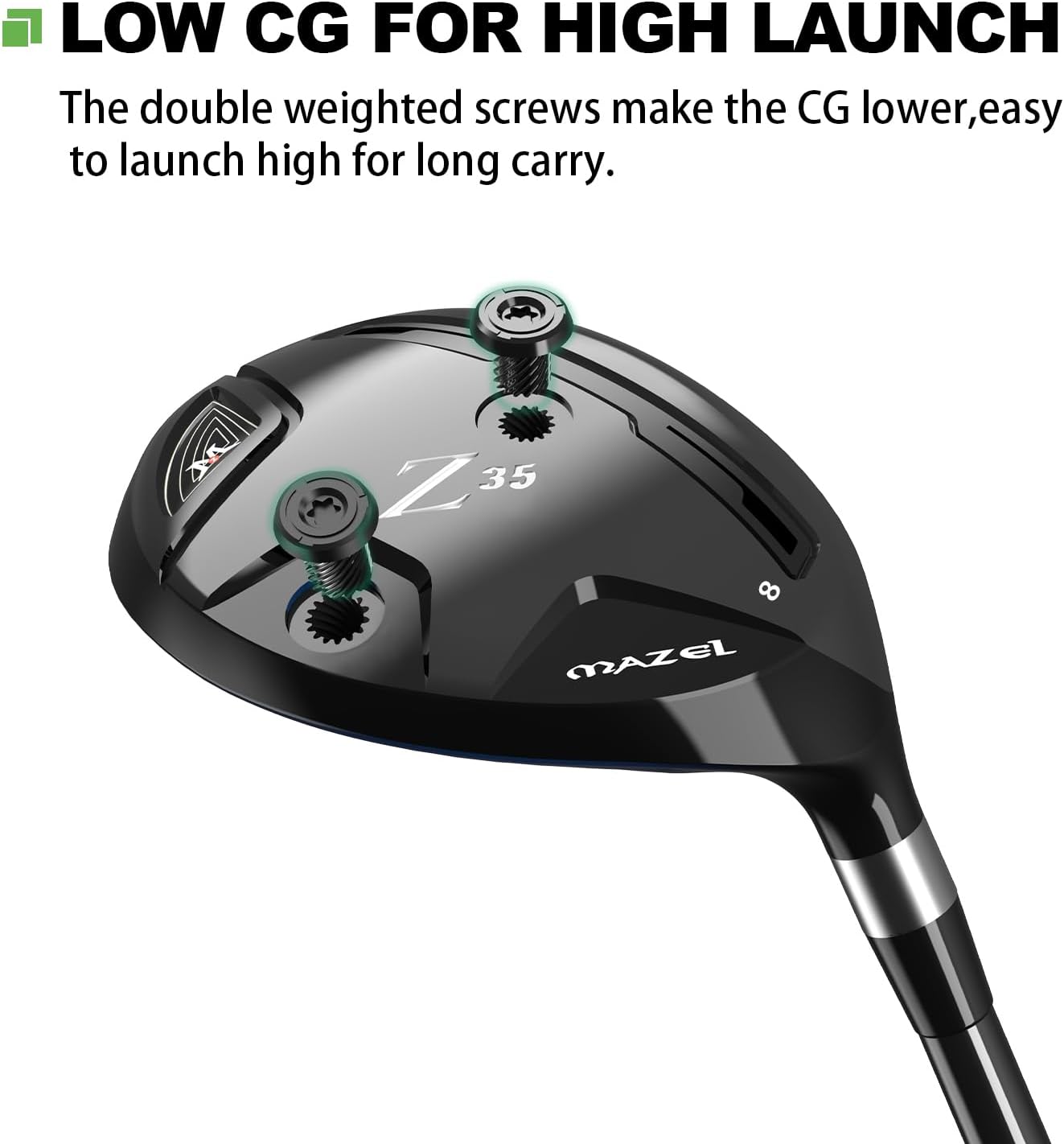
On demanding layouts, many golfers now bench their traditional long irons in favor of hybrids. Compared with a three or four iron, the best golf rescue clubs launch the ball higher with less effort, which is crucial when you must carry hazards and still hold a tight green. The combination of a deeper center of gravity and a slightly larger club head helps generate a towering ball flight without requiring tour level swing speeds.
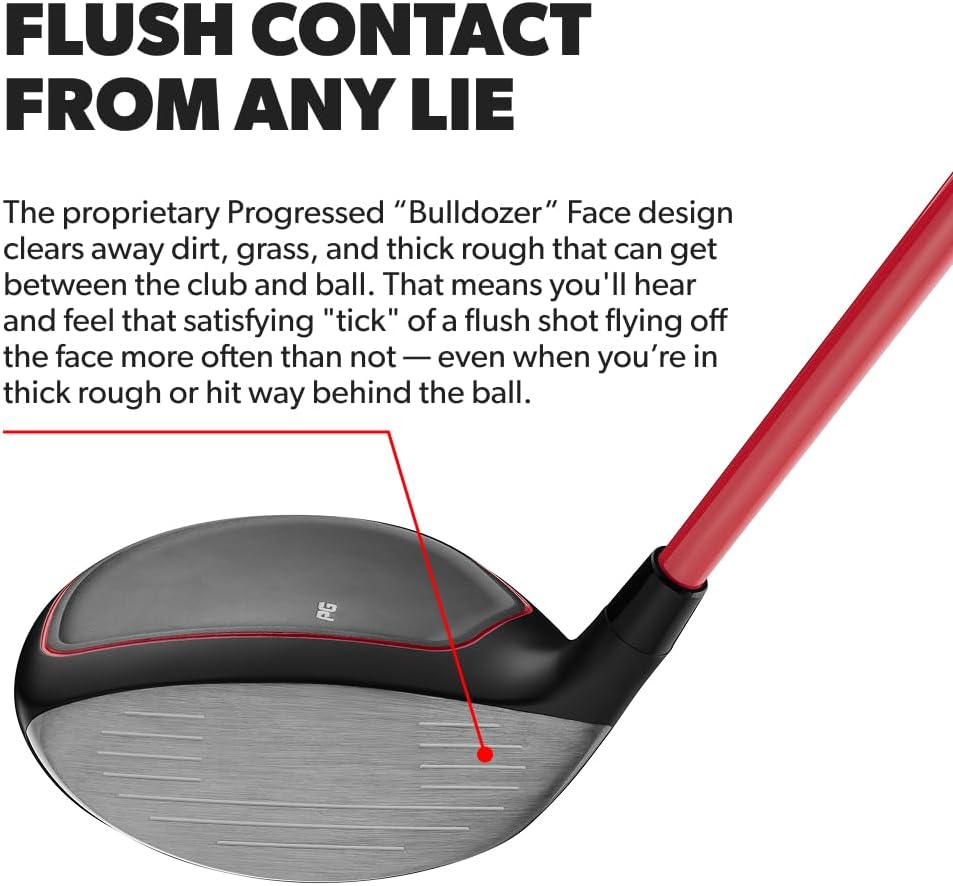
When you compare a rescue club to a fairway wood, the differences become more situational than absolute. A fairway wood usually offers more raw distance from the tee, but a compact hybrid golf head excels from uneven lies, light rough, and tight fairway cut, where precise contact is harder to achieve. That is why many players carry both fairway woods and golf hybrids, using the wood for maximum distance and the hybrid for controlled approaches where accuracy and forgiveness matter more than pure speed.
Some golfers also pair a specialist driver, such as the offset models tested in the Intech anti slice driver review (covering the 520cc Behemoth Draw series), with a stable of best hybrid options to cover every tee scenario. In this configuration, the driver handles wide fairway holes, while the hybrids and rescue clubs step in on narrow par fours where position outranks distance. The result is a strategic blend of clubs that leverages each design’s strengths, giving you the best golf performance across varied course setups.
Luxury examples: from king tec precision to quantum max power
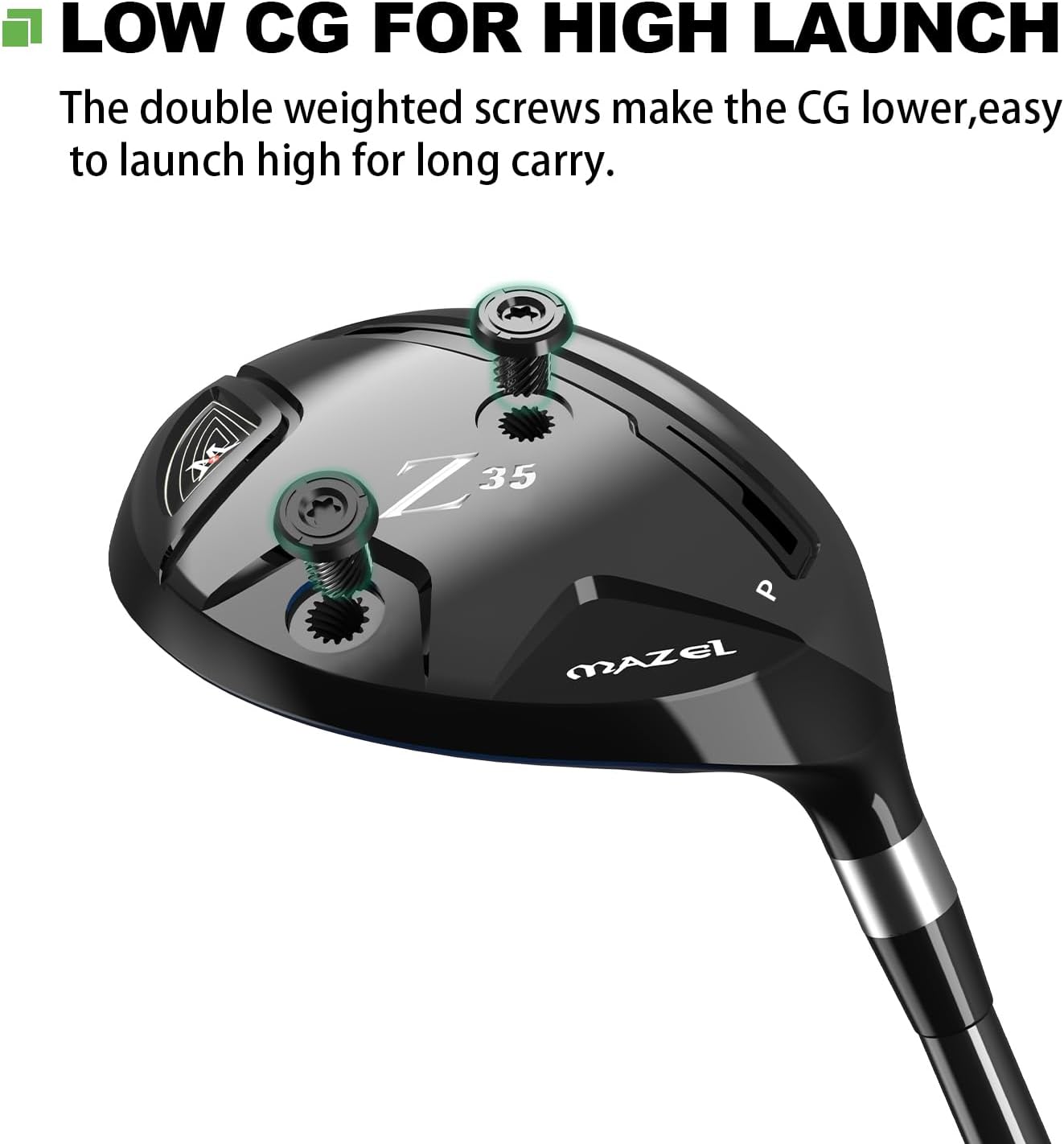
Among current offerings, the Cobra King Tec hybrid stands out for its adjustable weighting and refined feel. This King Tec design, seen in recent model years such as the 2023 and 2024 releases, allows players to reposition sole weights to influence ball flight, dialing in either a neutral, draw biased, or slightly lower spin trajectory depending on course conditions. For golfers seeking the best golf rescue clubs with tour level tuning, such adjustability transforms one club into several distinct weapons.
On the power oriented side, models branded with names like Quantum Max and Max Rescue are used here as illustrative marketing style examples rather than specific retail products, and they represent hybrids that focus on explosive ball speed and high launch. These distance oriented designs often feature ultra thin faces, flexible sole channels, and low deep weighting that combine to send the ball soaring from both fairway and rough, maintaining distance even when contact is slightly imperfect. When a quantum max style hybrid is properly fitted, players experience a penetrating yet high launch that carries hazards comfortably while still landing softly enough to hold firm greens.
Another emerging category involves black ops themed hybrids and fairway woods that emphasize stealth aesthetics and compact profiles. These black ops inspired golf clubs usually pair matte finishes with minimal alignment markings, appealing to purist players who prefer a clean look behind the ball. Whether you choose a King Tec precision tool, a quantum max powerhouse concept, or a black ops styled hybrid, the key is ensuring that each club fills a clear distance and trajectory role within your set.
Fitting the best golf rescue clubs to your swing and course
Proper fitting turns even excellent hybrids into truly best golf rescue clubs for your game. Start by mapping your current distances with long irons, existing hybrids, and fairway woods, then identify gaps where a new club could provide more consistent ball flight and distance. A professional fitter will then adjust loft, shaft length, and lie angle so the hybrid launches high enough to carry trouble yet lands with controlled spin.
Golfers with moderate swing speeds usually benefit from higher lofted hybrid clubs and lighter shafts that promote high launch and extra ball speed. Stronger players may prefer slightly lower loft with a heavier shaft to keep spin in check, especially when using a hybrid from the tee on tight fairway holes. In both cases, the goal is to create predictable distance spacing, so each club, from max hybrid to fairway wood, has a clearly defined role.
Luxury players should also consider course architecture and prevailing wind when selecting the best hybrid options. On coastal layouts with frequent crosswinds, a lower spinning hybrid golf design can stabilize the ball, while inland parkland courses may reward higher launch and softer landings. By aligning your rescue clubs with both your swing and your regular courses, you transform them from generic hybrids into precision tuned scoring instruments.
On course performance, storage, and long term value
Real world performance is where the best golf rescue clubs justify their premium price. During testing rounds, pay attention not only to raw distance but also to dispersion patterns, ball flight consistency, and how confidently you swing the club under pressure. A rescue hybrid that repeatedly finds the fairway or the front edge of the green on long holes quickly becomes the most trusted club in your bag.
Protecting that investment matters, especially when you carry several high end golf hybrids and fairway woods. A quality cart bag with full length dividers, such as the model reviewed in the waterproof cart bag test, prevents club heads from clashing and shafts from bending during transport. Thoughtful storage also keeps the faces and grooves of your hybrids pristine, preserving spin characteristics and ball speed over many seasons.
From a value perspective, luxury rescue clubs often hold their performance edge longer than drivers, which evolve faster and rotate more frequently through sale cycles. Because the fundamentals of high launch, forgiveness, and stable ball flight change slowly, a well chosen hybrid club can remain in your lineup for years without feeling obsolete. When you read full hybrid review articles and combine them with your own on course testing, you can select rescue clubs that deliver enduring performance rather than short lived novelty.
Key performance figures for modern rescue hybrids
Launch monitor and fitting data from major brands and independent labs provide useful benchmarks for what today’s hybrid golf clubs can deliver. The figures below summarize typical results reported in public testing by Ping, TaylorMade, Titleist, and third party facilities such as Golf Digest Hot List and MyGolfSpy; exact numbers vary by model and player, but the patterns are consistent across most premium designs.
- Launch monitor testing from major fitting studios shows that many golfers gain between 5 and 12 metres of carry distance when switching from a traditional three iron to a modern hybrid, largely due to higher launch and increased ball speed (for example, Ping G425 and G430 hybrid fitting data, TaylorMade Stealth and Qi10 hybrid reports, and Titleist TSR hybrid fitting guides all show similar gains for mid handicap players).
- Shot dispersion studies indicate that hybrids reduce left right variance by roughly 10 to 20 percent compared with long irons for mid handicap players, which translates into more fairways and greens hit in regulation (summarized in OEM fitting manuals and independent comparisons such as the MyGolfSpy Most Wanted hybrid tests and Golf Digest Hot List robot trials).
- Fairway wood and hybrid usage surveys report that over 80 percent of single digit handicap golfers now carry at least one hybrid club, reflecting a clear shift in elite amateur bag composition toward rescue style designs (figures drawn from annual equipment participation reports by the National Golf Foundation and PGA affiliated research bodies).
- Robot testing on premium hybrid golf models shows that ball speed retention on off centre strikes can remain within 3 to 5 percent of center contact, while equivalent long irons often lose more than 8 percent, highlighting the superior forgiveness of rescue clubs (laboratory style results published by independent testing facilities and summarized in outlets like Golf Digest Hot List and MyGolfSpy hybrid evaluations).
| Club type |
Typical loft |
CG characteristics |
Approx. carry (mid handicap) |
Best use lies |
| 3 iron replacement hybrid |
19°–20° |
Low and deep |
180–195 m |
Tee, fairway, light rough |
| 4 iron replacement hybrid |
21°–23° |
Low with slight draw bias |
170–185 m |
Fairway, light rough, uneven lies |
| Higher lofted rescue |
24°–26° |
Mid low, high launch |
155–170 m |
Fairway, semi rough, fairway bunkers |