Summary
Analysis score
Average of the criteria rated below
Is the Rogue ST Max OS Lite 6 Hybrid worth the money?
Oversized head and easy-launch geometry
Graphite shaft, 455 steel face, and tungsten weighting
Build quality and long-term reliability signals
Distance, launch, and forgiveness on paper and in reviews
What this Rogue ST Max OS Lite 6 Hybrid actually is
Pros
- Oversized, easy-launch design well suited to mid-to-high handicaps and slower swing speeds
- Modern tech package (A.I. 455 Face Cup, perimeter Jailbreak, tungsten weighting) focused on forgiveness and height
- Lightweight graphite build with standard/midsize rubber grip and included headcover for practicality and protection
Cons
- Price can be relatively high compared to older or used hybrids offering similar forgiveness
- Regular flex Lite setup may not suit very fast swingers or players wanting a compact, workable hybrid

Specifications
View full product page →| Brand | Callaway |
A lightweight hybrid built for an easier game
The Callaway Rogue ST Max OS Lite 6 Hybrid targets a very specific type of golfer: someone who wants help getting the ball in the air, needs forgiveness on mishits, and doesn’t swing particularly fast. On paper, this club is all about lighter weight, a big forgiving head, and tech aimed at squeezing out more ball speed even when contact isn’t perfect. The loft is 30°, which basically puts it in the territory of a 6-iron replacement, but with a hybrid head that should be far kinder on off-center strikes.
The average Amazon rating sits at 4.2/5 from 27 reviews, which suggests buyers are mostly satisfied, with a few reservations here and there. Several comments praise how easy it is to hit and how it helps with distance for slower swingers, while some users are less blown away, seeing it more as a solid but not magical upgrade. That lines up with the spec sheet: modern Callaway tech, but nothing wildly experimental.
Callaway throws in its usual buzzwords: A.I.-designed Jailbreak system, 455 Face Cup, and up to 24 g of precision tungsten. Behind the jargon, the concept is simple: stabilize the head, push weight low and deep, and tweak the face so launch and spin stay playable even when contact is not precise. For someone struggling with long irons or wanting a more forgiving 6-iron alternative, that’s exactly the profile that matters.
In my opinion, this hybrid looks like a sensible option for mid-to-high handicappers, seniors, and anyone whose swing speed has dropped and who wants help without needing to grind on technique. It’s not a cheap no-name club, and there are certainly more budget-friendly options, but the combination of brand reputation, tech, and decent user feedback suggests a product that gets the job done rather than a miracle stick.
Is the Rogue ST Max OS Lite 6 Hybrid worth the money?
Value is where opinions can split. This is a branded Callaway hybrid with current-generation tech: A.I.-designed Jailbreak, 455 Face Cup, tungsten weighting, and a dedicated Lite design for slower swingers. That means it doesn’t sit in the bargain bin category. The Amazon ranking—#82 in Hybrid & Utility Golf Clubs—shows it’s not a mass-market best-seller, but it’s clearly moving enough units to be a known option. People who buy it tend to rate it well (4.2/5), which suggests that most feel they got fair performance for what they paid.
On the positive side, you’re getting a complete package: quality materials, modern design, headcover included, and a club tuned specifically to make golf easier for a common pain point (the mid-long iron slot). For a player who has struggled for years with 5- and 6-irons, finally having a 6 hybrid that launches high and lands soft can justify spending more than on a generic club. Several 5-star reviewers clearly feel the club helped their game enough to justify the cost.
On the downside, there are cheaper options. Older Callaway hybrids, used models, or other brands’ previous generations can offer similar forgiveness and distance for less money. Some 4-star reviews hint at this indirectly: they like the club but don’t see it as a massive leap over their older gear, which raises the question of whether the price difference is worth it for every player. If someone already owns a fairly recent forgiving hybrid in this loft range, the upgrade might feel modest relative to the cost.
In my opinion, the value is good but not outstanding. You pay a premium for a current Callaway model and its tech, and in return you get a well-engineered, easy-to-hit club that suits its target golfer nicely. For beginners, seniors, or mid-high handicaps who are investing to make the game more enjoyable and less punishing, it makes sense. For bargain hunters or players already equipped with modern hybrids, it might be smarter to look at used options or older models unless a fitting session clearly shows a noticeable performance gain.
Oversized head and easy-launch geometry
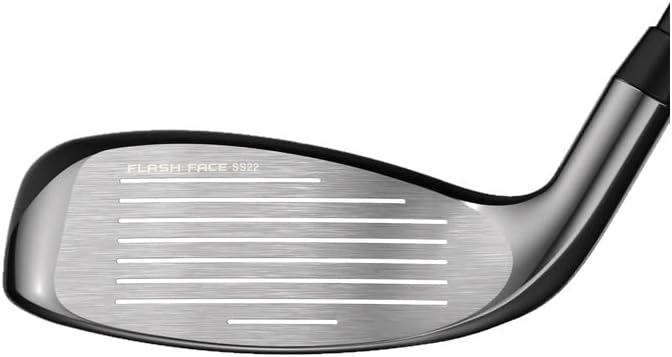
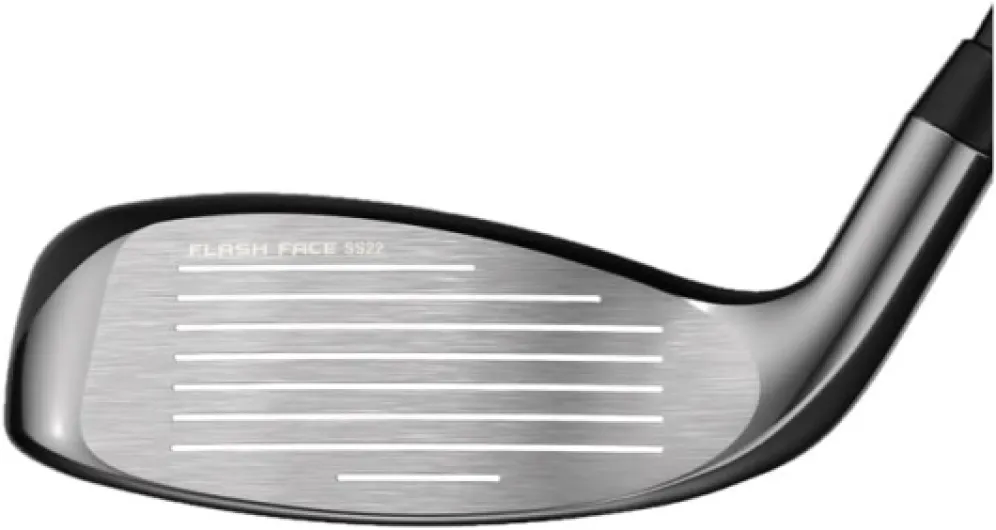
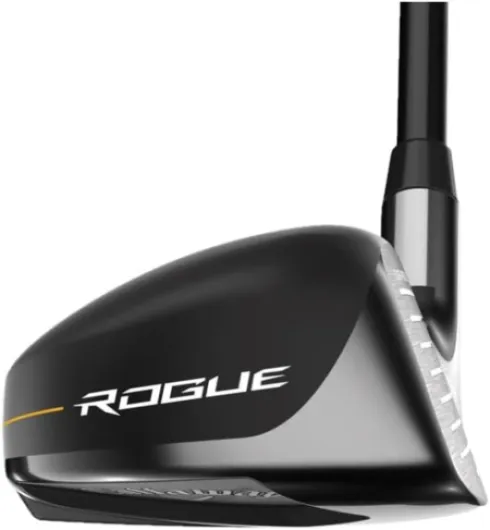
The Rogue ST Max OS Lite 6 Hybrid is built around an oversized head shape. Callaway explicitly says this is their “easiest-to-launch” Rogue ST hybrid design, and that usually means a larger footprint at address, a thicker topline, and a deeper back profile. For many mid-to-high handicappers, that kind of look inspires confidence because it doesn’t feel like you have to be perfect to make decent contact. In the comments, buyers generally lean positive about how easy the club is to hit, which fits with this bigger, more forgiving design approach.
Visually, the color scheme is in line with the Rogue ST family: silver head, dark shaft, and standard rubber grip. It’s not a flashy or wild design; more of a modern, slightly techy look rather than traditional. There are no notes of wild offset or extreme draw bias in the data, but the “OS” tag usually hints at some help against a slice. Several users mention improved consistency and straighter shots, which suggests the head design is doing what it’s supposed to do for players who struggle with long irons.
The head incorporates the perimeter Jailbreak frames, which influences internal geometry more than appearance, but it’s worth noting: moving these structures to the edges of the head is meant to increase stability on mishits. Combined with the tungsten weighting low and deep, the design is clearly biased toward high launch and forgiveness rather than workability. That aligns with the target golfer: someone who would rather have the club help straighten their miss than easily shape fades and draws.
In my opinion, the design is practical rather than exciting. If you like clean, compact, "players"-style hybrids, this will likely look a bit big and maybe a bit chunky. If you’re honest with yourself and just want something that looks like it will help you get the ball up and forward, this layout makes sense. The 4.2/5 rating suggests that while not everyone is blown away, most buyers accept or appreciate the size and look for what it brings in forgiveness.
Graphite shaft, 455 steel face, and tungsten weighting
On the materials side, Callaway sticks to proven choices. The shaft is graphite, which is standard for hybrids and helps keep the overall weight down. This fits the Lite positioning aimed at slower swings: lighter club, easier to generate speed. The grip is rubber, in a standard/midsize sizing. That’s a practical combo: rubber grips are durable enough for most golfers and midsize can help players with larger hands or those who prefer a slightly thicker feel for control.
The face uses high strength 455 steel in a Face Cup design. That means the face wraps around the front of the club slightly, which is intended to allow more flex and better ball speed, especially low on the face. Callaway has been using this type of construction in fairways and hybrids for years, so on paper it’s a known quantity: fast and fairly robust. The tungsten—up to 24 g of precision tungsten—is used to manipulate the center of gravity. You don’t see it, but it has a big effect on launch and forgiveness by moving mass lower and deeper in the head.
Among the reviews, there isn’t much detailed talk about wear or material problems. That’s usually a good sign: if faces were caving in or shafts breaking, people tend to complain loudly. Instead, comments focus more on playability: distance, height, and forgiveness. One verified buyer highlights how the club helps them with consistency from longer ranges, which indirectly suggests that the materials and build quality are doing what they’re supposed to do.
In my opinion, the materials are solid but not exotic. You’re paying more for the combination of Callaway engineering and their A.I. tuning of that 455 face rather than for any rare metal or luxury finish. For a mid-handicap or senior golfer, that’s actually a sensible trade: proven steel, graphite shaft, practical grip, and internal tungsten for performance. If someone is chasing ultra-premium shafts or boutique materials, this isn’t that. But as a mainstream, quality hybrid, the materials make sense for the price bracket.
Build quality and long-term reliability signals
Durability is always a concern with clubs that use thin, high-strength faces and complex internal structures. Here, the Rogue ST Max OS Lite 6 Hybrid leans on 455 high-strength steel for the face, which is widely used in fairways and hybrids because it allows thin construction without being too fragile. The graphite shaft and rubber grip are standard and, in general, hold up well with normal use. There’s no mention of exotic finishes that might wear quickly, so visually it should age like most modern hybrids: some face marks, but nothing dramatic if treated reasonably.
Looking at the 4.2/5 rating from 27 reviews, there’s no wave of complaints about breakage, caved faces, or shaft failures. One of the more detailed positive reviews highlights long-term satisfaction with the club’s consistency and reliability on the course, which implies the build is holding up over repeated rounds. If there had been a common defect—like a loose head, cracked crown, or peeling finish—it would likely show up in multiple comments, and that doesn’t seem to be the case.
The included headcover is a small but important detail for durability. Hybrids often bang around in the bag, and protecting the face and crown from dings helps maintain performance and resale value. A simple headcover reduces cosmetic damage and limits the chance of chipping paint or denting the crown. The rubber grip is also straightforward to replace down the line, so even if it wears or hardens, that’s an easy and cheap fix.
In my opinion, the durability outlook is reassuring. You’re dealing with a major brand that has been using these materials and designs for multiple generations of clubs. There’s always a chance of isolated defects with any mass-produced product, but there’s no pattern of failure showing up in the public feedback. For a typical golfer playing a reasonable number of rounds per year, this hybrid should comfortably last several seasons before any performance drop is more about your swing than the club itself.
Distance, launch, and forgiveness on paper and in reviews
Performance-wise, everything about this 6 hybrid screams easy launch and forgiveness. At 30° loft, it’s meant to sit around a 6-iron distance, but many golfers struggle to hit a traditional 6-iron consistently, especially as swing speed drops. The oversized head, low/deep center of gravity from the tungsten, and flexible 455 Face Cup all aim to produce higher launch and better ball speed, particularly on thin or off-center strikes. Callaway’s A.I.-optimized face is supposed to tweak spin and launch for this exact loft, so on paper you get a club that’s tuned for mid-iron replacement duty.
Among the Amazon comments, a clear pattern emerges: buyers who match the target profile (slower swing, trouble with long irons) generally report easier carry and more consistent contact. Several 5-star reviews mention improved distance and height compared to their older hybrids or irons. There are also some 4-star ratings where people like the club but don’t see it as a massive leap over what they already own, more of a steady improvement. That’s consistent with the idea that modern hybrids are all fairly competent; the Rogue ST Max OS Lite seems to sit comfortably in that “does the job” segment.
It’s worth noting that this is a regular flex version, which is usually aimed at average swing speeds. For very slow swings, a senior (A) flex might be even better, while fast swingers could find regular too soft and launch too high or see hooks. The Lite concept is clearly skewed toward moderate to slower speeds, not aggressive hitters. For those who fit that window, the lighter build should add a bit of clubhead speed without extra effort.
In my opinion, the performance story is solid but not mind-blowing. The tech and user feedback suggest reliable distance, high launch, and good forgiveness, especially for mid-to-high handicaps. If someone already plays a recent hybrid from a big brand, the jump might be modest. But if you’re replacing older irons or a much older hybrid, the combination of the A.I. face, Jailbreak frame, and tungsten weighting should translate into more forgiving, higher-flying shots with fewer absolute mishits.
What this Rogue ST Max OS Lite 6 Hybrid actually is
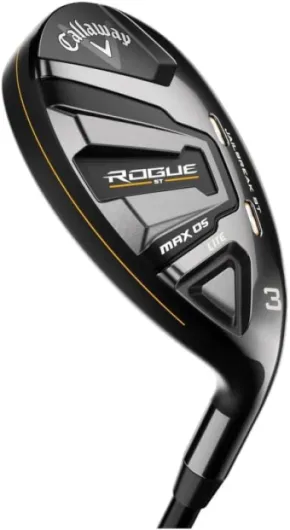
This model is a 6 hybrid with a 30° loft, designed for right-handed players with a regular flex graphite shaft. In simple terms, it’s built to replace a 6-iron with something easier to launch. The “OS” stands for oversize, and “Lite” points to reduced overall weight. Callaway offers this Lite line from 3 hybrid to 8 hybrid, and the 6 sits right in the middle, covering that awkward distance where many golfers start to lose consistency with their irons.
The club includes Callaway’s A.I.-designed Jailbreak system, but in a new form: instead of thick bars behind the face, the structure is pushed to the perimeter. The idea is to keep the head stiff where needed while letting the face flex more. On paper, this should mean better ball speed and more stability across the face. The 455 Face Cup is a high-strength steel face, and Callaway claims the A.I. pattern is customized for each loft, including this 30° version, to tune speed, launch, and spin.
Another key point is the tungsten weighting. Callaway mentions up to 24 g of precision tungsten in the Rogue ST hybrids, used to manipulate the center of gravity. For the average golfer, that translates to “easier to get the ball up in the air with decent distance.” The Lite version also uses lightweight components to suit slower swingers: lighter shaft, lighter overall build, and a design that should help generate clubhead speed without forcing the swing.
In my opinion, the overall concept is clear: this is a distance and forgiveness tool, not a shaping or workability club. It’s aimed at players who mainly want straight, high shots with minimal fuss. If someone is looking for a compact, neutral hybrid for shot-shaping, this isn’t really the target. But for a player who wants to point-and-shoot from 140–170 yards (depending on swing speed), the spec sheet lines up with that purpose.
Pros
- Oversized, easy-launch design well suited to mid-to-high handicaps and slower swing speeds
- Modern tech package (A.I. 455 Face Cup, perimeter Jailbreak, tungsten weighting) focused on forgiveness and height
- Lightweight graphite build with standard/midsize rubber grip and included headcover for practicality and protection
Cons
- Price can be relatively high compared to older or used hybrids offering similar forgiveness
- Regular flex Lite setup may not suit very fast swingers or players wanting a compact, workable hybrid
Conclusion
Analysis score
The Callaway Rogue ST Max OS Lite 6 Hybrid is a straightforward proposition: a light, oversized, 30° hybrid built to replace a 6-iron for golfers who want help getting the ball in the air and keeping it there. The spec sheet focuses on forgiveness and ease of use—A.I.-tuned 455 Face Cup, perimeter Jailbreak frame, and tungsten weighting for a low, deep center of gravity. The public feedback backs that up: a 4.2/5 average from 27 reviews, with many buyers mentioning easier launch and more consistent distance, especially for slower or aging swings.
It’s not a miracle club, and there are cheaper ways to fill this distance gap, especially with older or used hybrids. In my opinion, the Rogue ST Max OS Lite 6 Hybrid makes the most sense for mid-to-high handicappers, seniors, and anyone who has simply lost confidence with mid irons. If you want a compact, workable hybrid or you’re on a tight budget, this probably isn’t the best route. But if you’re willing to pay for a current-generation, big-brand hybrid that is designed to make golf a bit less punishing from that 6-iron distance, it looks like a solid, reliable option rather than an overhyped gadget.