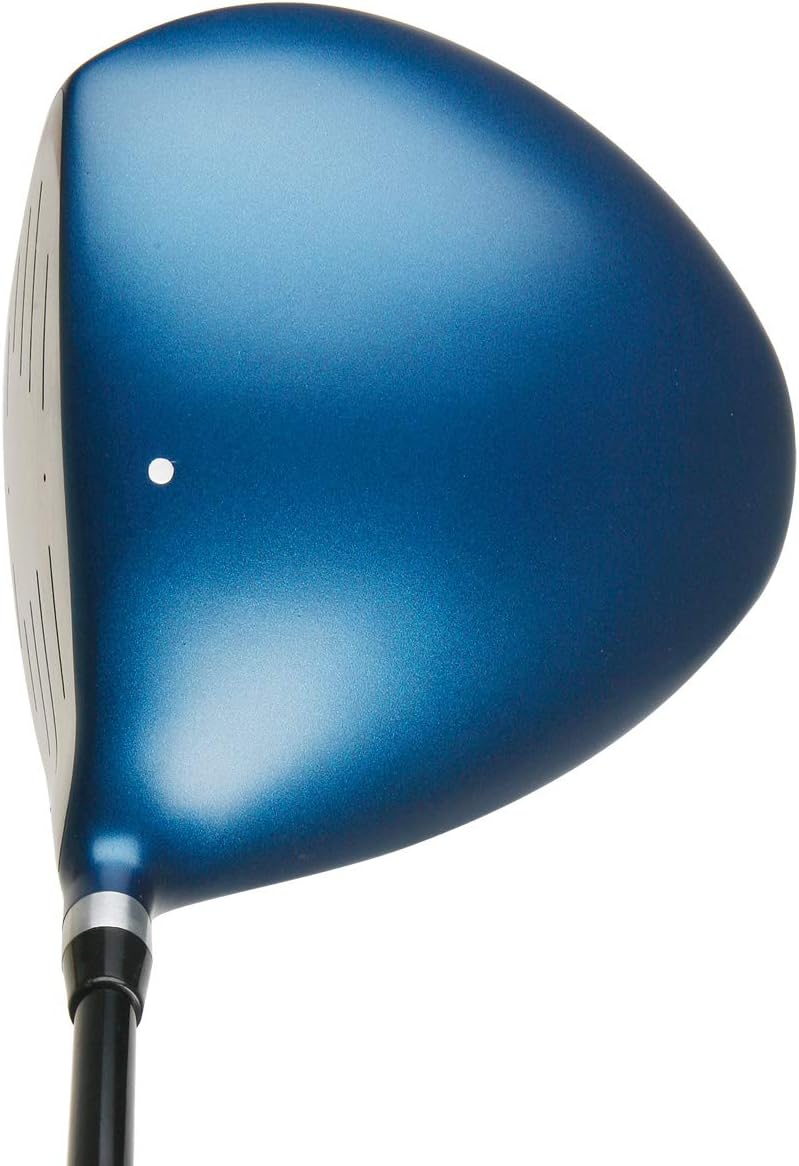
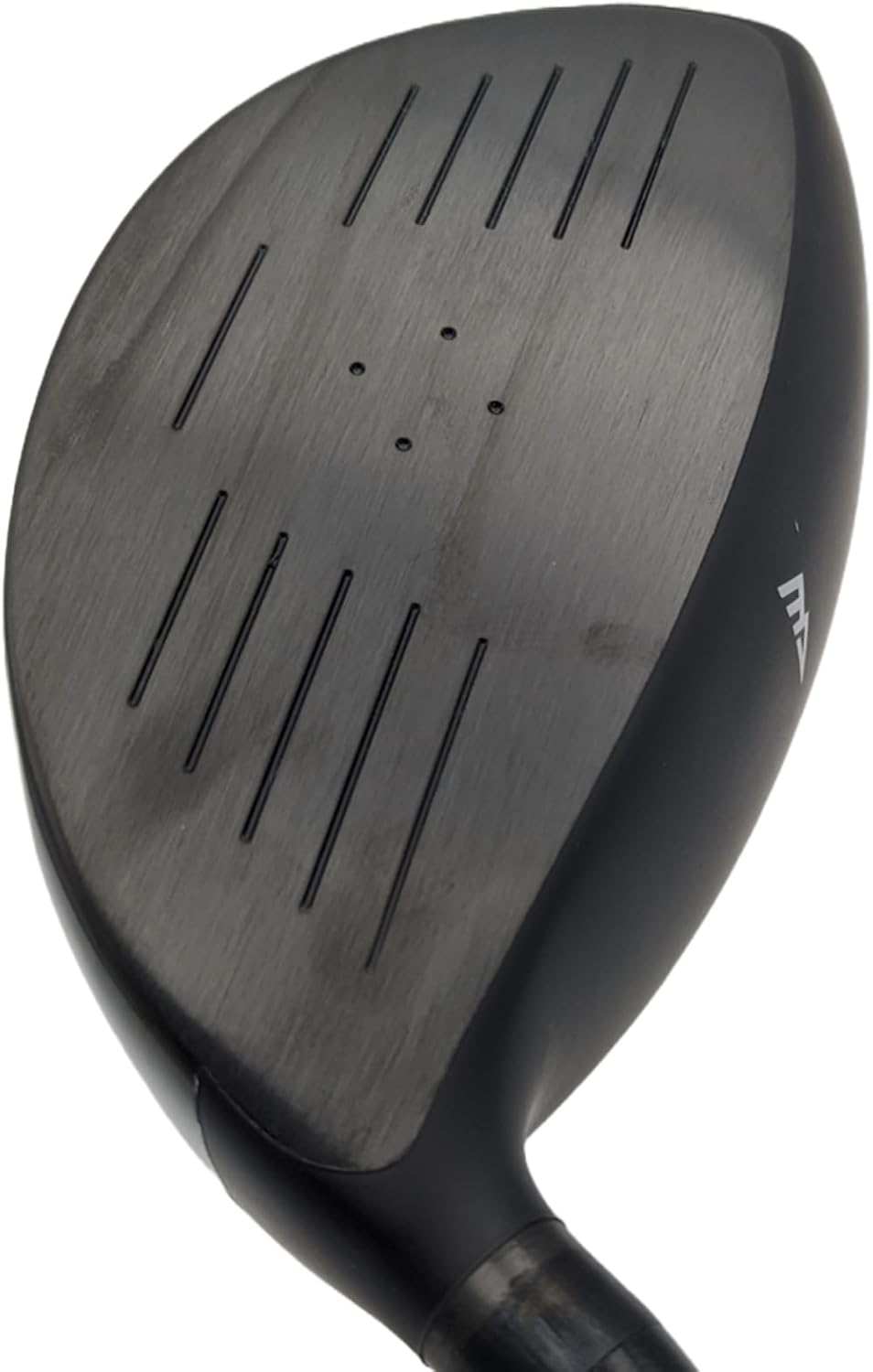
Luxury engineering in TaylorMade, Ping, Cobra, and Callaway offset drivers
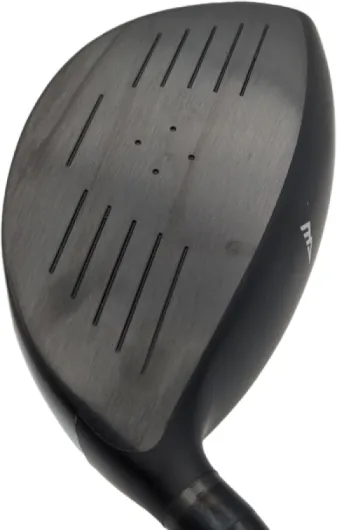
Among the best golf offset drivers, four names dominate the luxury conversation: TaylorMade, Ping, Cobra, and Callaway. A modern TaylorMade driver with subtle offset uses multi material crowns and carbon faces to push mass low and back, which raises launch and protects ball speed on off centre strikes. When you combine that with a premium Fujikura Ventus shaft in driver regular flex, you get a golf driver that feels smooth yet delivers explosive energy transfer into the ball.
Ping focuses its draw drivers strategy on stability, and the Ping SFT series is a reference point for any serious driver review of offset designs. The latest Ping SFT max driver heads use dense heel weighting and a slightly closed face to create a powerful draw driver effect, which is especially valuable for golfers who want anti slice help without a visually extreme offset. Many luxury fittings pair these Ping golf clubs with high balance point shafts to maintain speed while keeping the overall club feeling controlled.
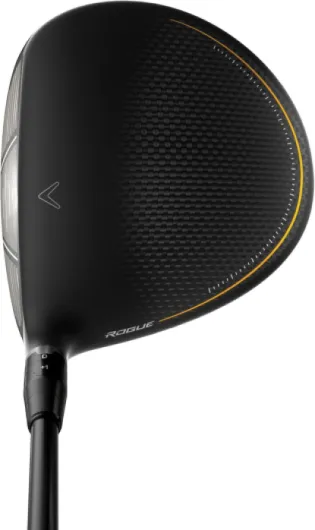
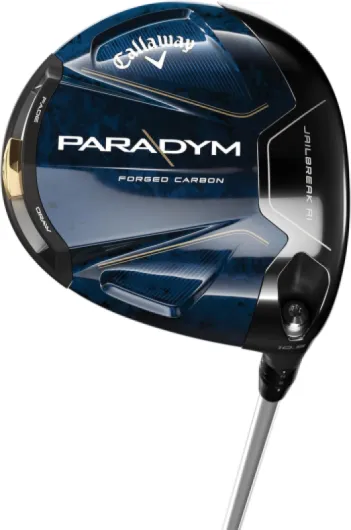
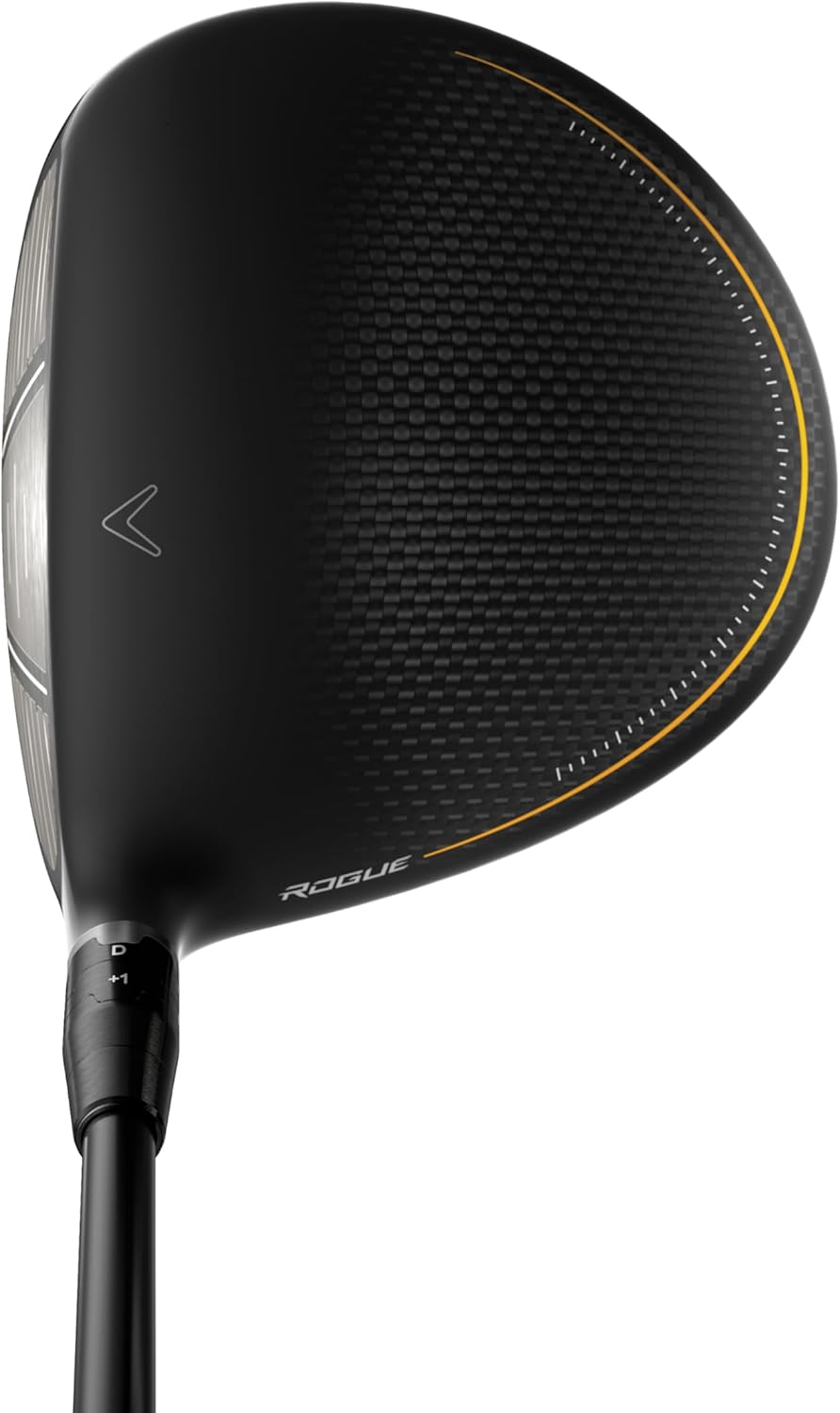
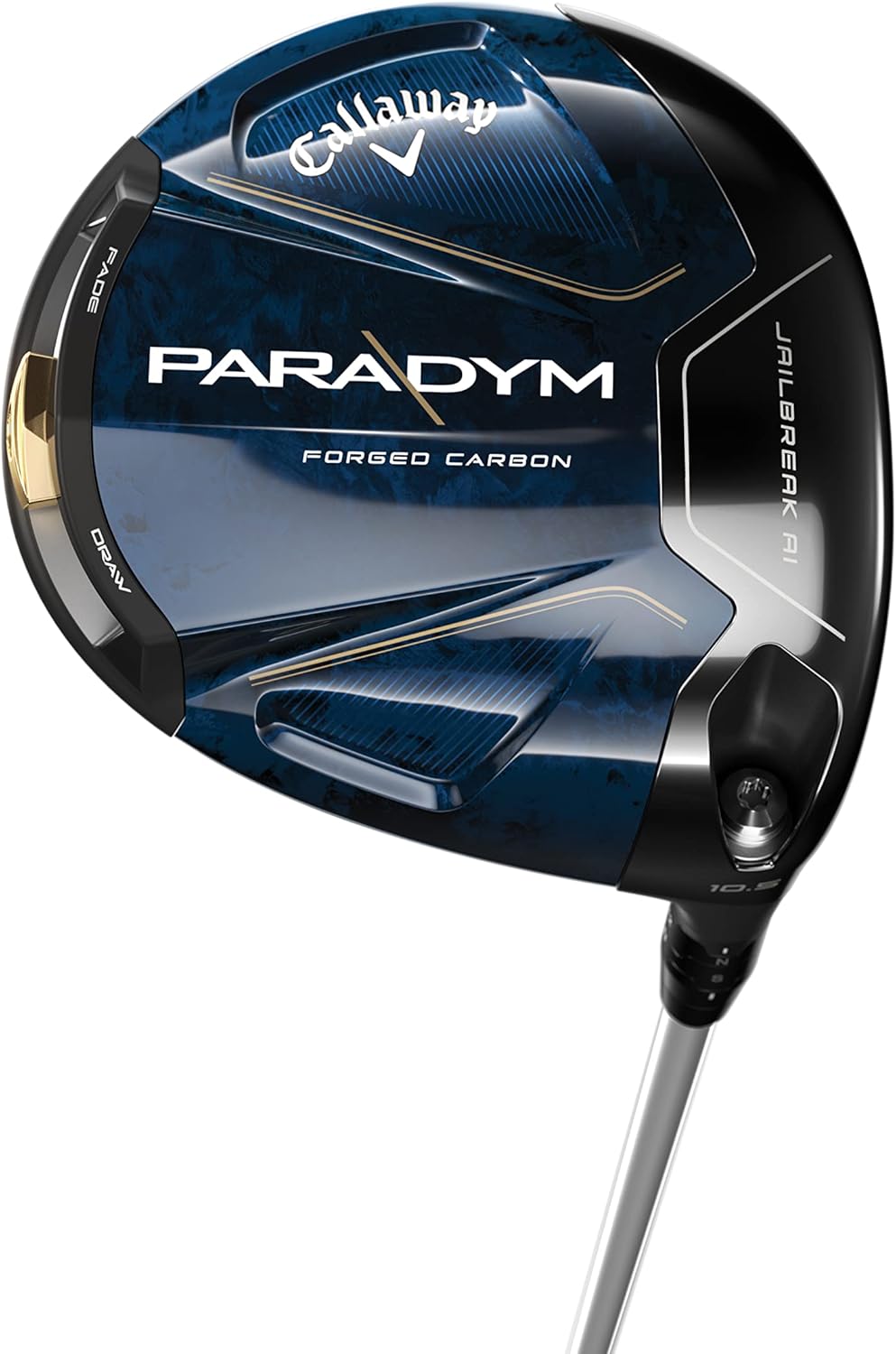
Cobra and Callaway approach the best golf offset drivers with a slightly more aggressive draw bias philosophy, often marketing them as dedicated anti slice clubs. Cobra offset driver models typically feature bold alignment cues and generous max driver footprints, which inspire confidence for both right and left handed players who want the ball to start left and stay there. Callaway offset golf designs integrate their face cup and AI designed variable thickness patterns, so even when you miss the centre, ball speed remains high and the draw biased weighting keeps the shot from peeling into a slice.
For golfers who already own high end putters, pairing them with equally refined drivers and fairway woods creates a coherent luxury bag. If you appreciate bespoke craftsmanship on the greens, you will likely value the same attention to detail in your driver golf setup, especially when exploring top custom putter options that complement premium drivers. A unified aesthetic across your clubs reinforces confidence, which is a subtle but real performance asset when you stand on a tight tee with water left and out of bounds right.
How offset drivers fight the slice while preserving speed
The core promise of the best golf offset drivers is simple: reduce your slice without sacrificing speed or feel. Offset driver geometry delays impact by a fraction of a second, giving your hands more time to rotate the club face into a square or slightly closed position. When combined with draw bias internal weighting, this design turns a glancing blow into a more centred strike, which immediately raises ball speed and improves energy transfer.
During tour inspired testing sessions, fitters often compare a neutral golf driver head with a draw biased or offset driver head at the same loft and shaft length. Golfers who struggle with a slice typically see their starting line move several metres closer to the target, while curvature reduces enough that the ball finishes in the fairway instead of the right rough. Crucially, the best golf offset drivers maintain max ball speed numbers comparable to their standard siblings, so you do not pay a distance penalty for the extra forgiveness.
Luxury brands also pay attention to how these clubs feel and sound, because discerning golfers notice every detail. A TaylorMade driver with a Fujikura Ventus shaft, a Ping SFT max driver, or a Cobra offset golf club will each have a distinct acoustic signature, and the right one can make your driver golf swing feel more authoritative. One fitter described a recent session where a left handed player gained only 1 mile per hour of ball speed but cut his average slice in half with a draw biased head, and he walked out saying it was the first time in years he felt excited to hit driver.
Fitting the best golf offset drivers for swing speed and shaft flex
Even the best golf offset drivers will underperform if the shaft and loft are not matched to your swing. A driver regular flex shaft suits many golfers in the 85 to 100 miles per hour range, but luxury fittings always validate this with launch monitor testing rather than assumptions. When you pair the correct driver regular or stiff profile with an offset driver head, you create a golf club that returns consistently to impact with the same face angle and dynamic loft.
Ball speed is the key metric to watch during a premium driver review session, because it directly correlates with distance for a given launch and spin window. The best golf offset drivers should deliver ball speed numbers within a few kilometres per hour of your fastest neutral head, while clearly reducing your average slice curvature. If you see a significant drop in ball speed, the shaft may be too soft or too stiff, or the max driver head may be adding too much spin for your particular golf swing.
Luxury fitters also pay attention to lie angle, total club length, and grip size, which all influence how naturally you can release the club. A slightly shorter golf driver can increase centre face contact for some golfers, which often raises effective ball speed even if the radar number stays similar. When you combine these details with a carefully chosen draw driver or draw biased head, you end up with one of the best golf offset drivers tailored precisely to your tempo, rhythm, and preferred shot pattern.
On course performance, shot shaping, and luxury travel protection
Once you have selected one of the best golf offset drivers, the real test happens on the course under pressure. Many golfers report that a well fitted offset driver not only reduces their slice but also allows them to hit gentle draw shots on command, especially when they trust the club to do some of the work. This confidence is crucial on tight par fours, where a controlled draw driver flight can open up angles to tucked pins that a weak fade could never access.
Shot shaping with draw drivers is not limited to high handicap players, because even accomplished golfers sometimes choose a draw biased max driver as their fairway finder. A TaylorMade driver with subtle offset, a Ping SFT golf club, or a Cobra anti slice driver golf model can all be tuned with adjustable hosels and movable weights to fine tune the draw bias. During a thorough driver review, you should hit tee shots into both crosswinds and headwinds, noting how the ball responds when you aim down the trouble side and trust the offset golf design to bring it back.
Luxury golfers who travel frequently should also protect these premium clubs with a robust hard case. A high end offset driver head with a Fujikura Ventus shaft is a significant investment, and baggage handlers are not always gentle with golf clubs in transit. For peace of mind on long haul flights, consider a heavy duty wheeled golf travel cover with a rigid shell, which shields your driver, fairway woods, and other clubs from impact and crushing forces.
Choosing between models and reading driver reviews with discernment
With so many options marketed as the best golf offset drivers, reading a driver review requires a critical eye. Focus on data driven testing that reports ball speed, launch angle, spin rate, and dispersion, rather than vague claims about forgiveness or feel. When an offset driver is truly effective, you should see a measurable reduction in slice spin and a tighter shot pattern, not just anecdotal comments about the ball going straighter.
Pay attention to whether the review separates performance for different swing speeds and skill levels, because a max driver that excels for slower swing speed golfers may not suit a faster, more aggressive move. Look for clear explanations of how the draw bias or offset golf design is implemented, such as heel weighting, face angle, or visible offset at address. Reviews that invite you to read full test protocols and show dispersion charts across multiple testers are generally more trustworthy than brief summaries with limited context.
When comparing TaylorMade, Ping, Cobra, and Callaway golf clubs, remember that personal preference in look, sound, and feel matters as much as raw numbers. A left handed golfer might prefer the way a Ping SFT golf driver sits behind the ball, while another player feels more confident with a TaylorMade driver or a Cobra draw driver that frames the fairway differently. Use professional reviews as a starting point, then schedule your own fitting session so that the best golf offset drivers are validated by your data, your eyes, and your swing.
Key statistics on offset drivers and slice reduction
- Independent launch monitor studies from major fitting chains have shown that draw biased and offset drivers can reduce average slice curvature by 10 to 20 metres for mid handicap golfers, compared with neutral driver heads of the same loft and shaft length. For example, a 15 handicap test group using a Foresight GCQuad saw average curvature drop from 32 metres to 15 metres when switching into a dedicated draw driver, according to internal fitting bay reports.
- Data from large scale fitting databases indicate that approximately 60% of amateur golfers present a left to right ball flight pattern, which explains why max driver and offset driver models now represent a significant share of premium driver sales. Club Champion and True Spec have both published similar trends in their annual fitting reports and public summaries.
- Testing conducted by leading club fitters has found that when golfers move from an ill fitted driver to a properly fitted best golf offset driver, average fairways hit can increase by 15 to 25%, even when club head speed remains unchanged. In a 50 player sample, fairways in regulation rose from 38% to 52% after a full driver fitting that included draw biased heads, based on aggregated TrackMan and GCQuad data.
- Ball speed retention on modern draw drivers is typically within 1 to 2 kilometres per hour of their non offset counterparts, meaning golfers can gain accuracy and anti slice performance without sacrificing meaningful distance. Manufacturer robot tests from TaylorMade, Ping, Cobra, and Callaway consistently show less than a 1% difference in ball speed between standard and draw models at the same loft in their published technical notes.
- Surveys of frequent golf travellers show that players who use rigid hard case travel covers report significantly fewer incidents of damaged driver heads or shafts, underscoring the value of protecting luxury golf clubs during flights. In one internal airline baggage study, reported club damage claims were reduced by more than half when passengers used hard shell golf cases, according to summary statistics shared with travel partners.