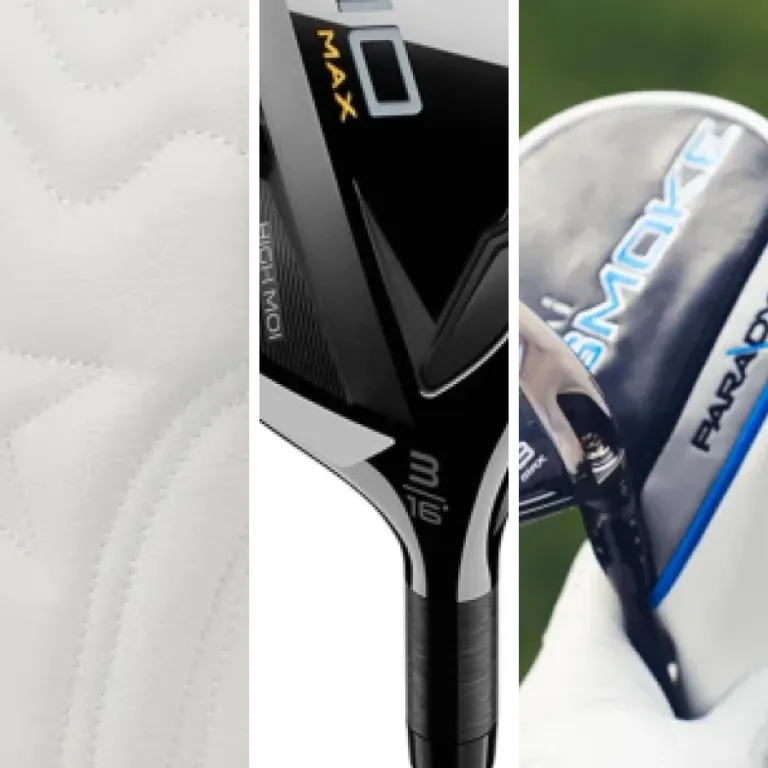
Callaway Quantum and Triple Diamond fairway woods for distance purists
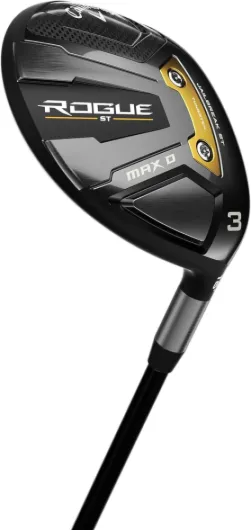
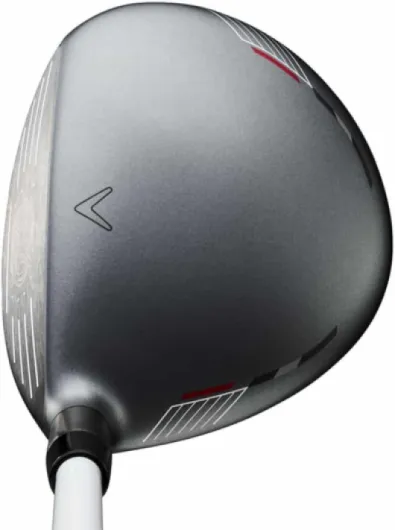
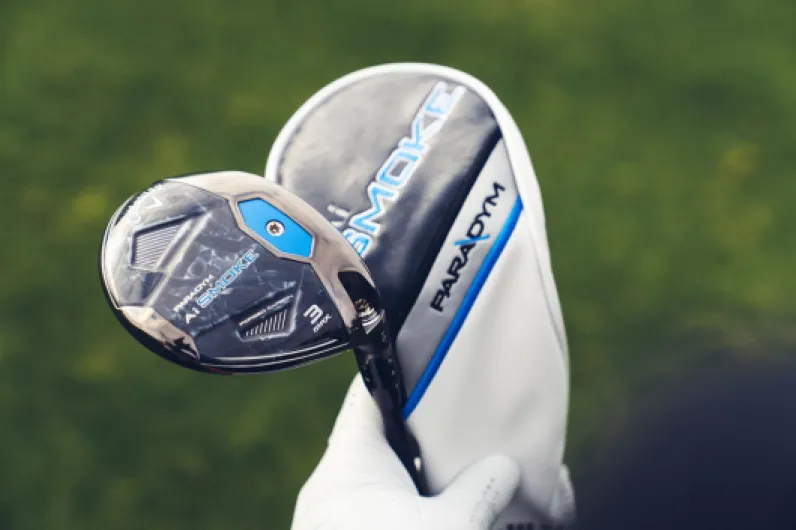
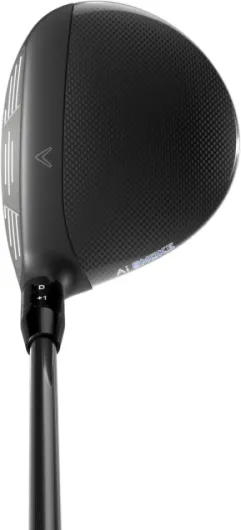
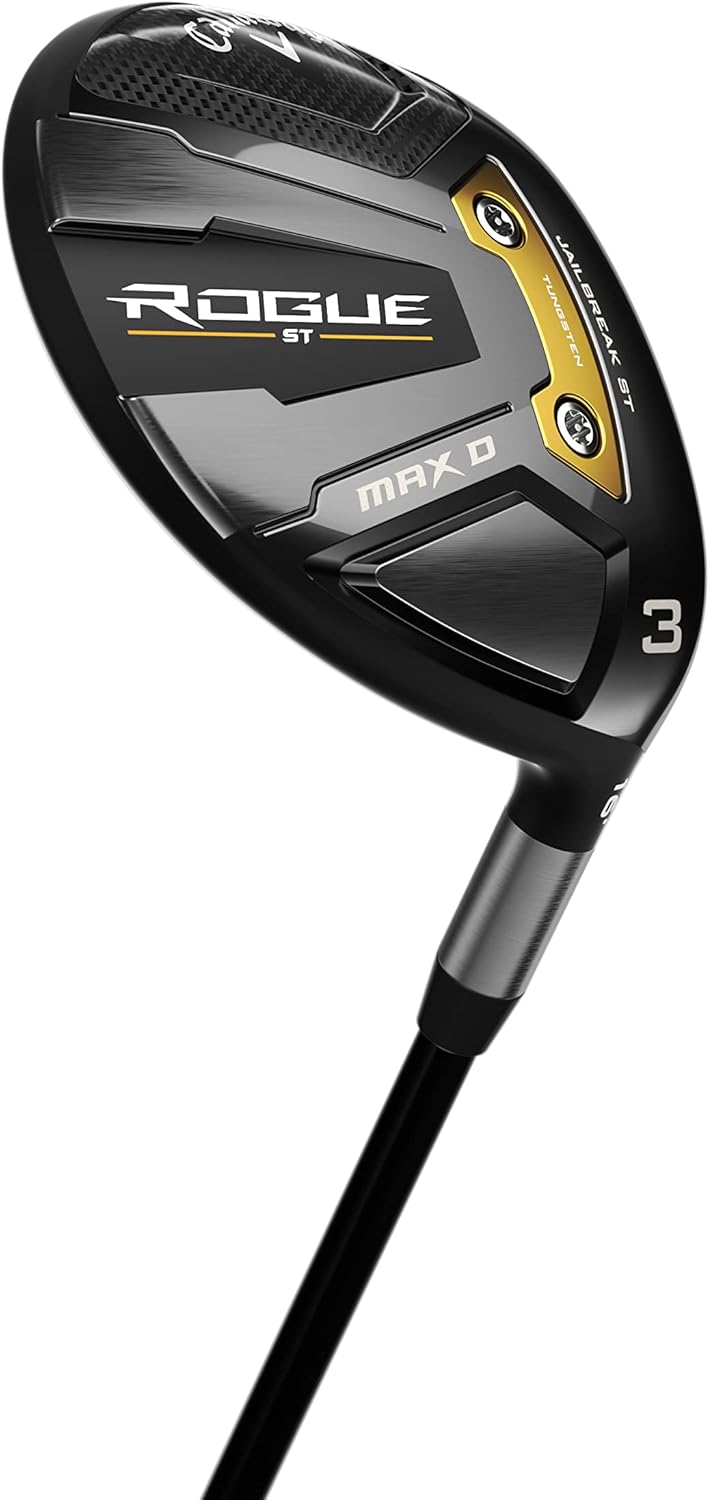
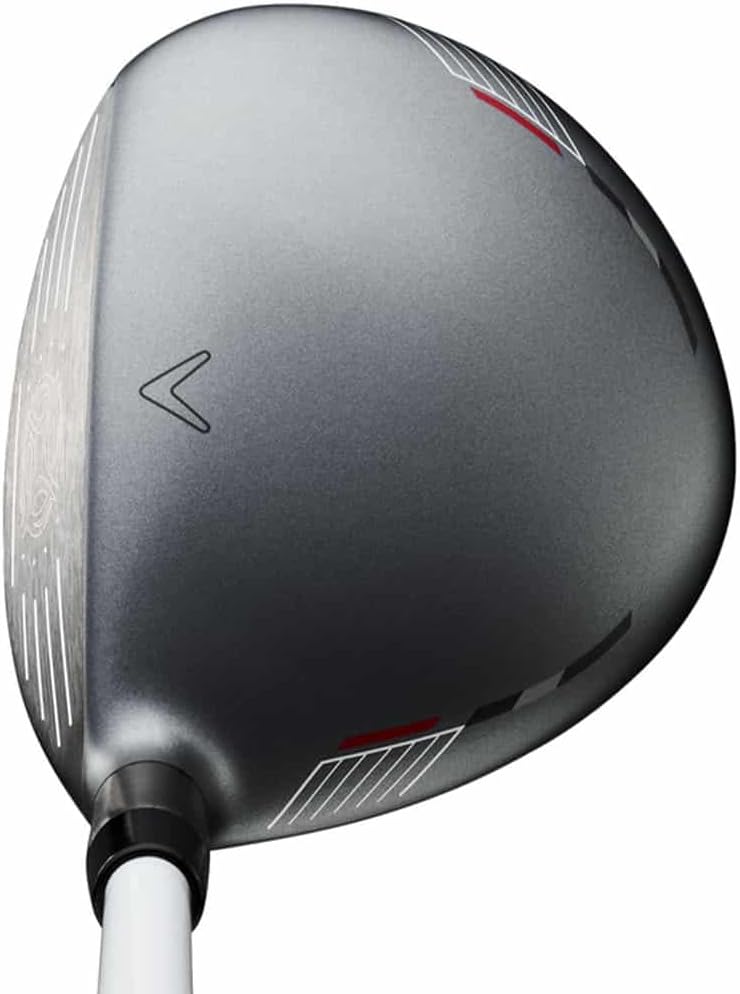
Callaway has pushed aggressively into the segment of best golf adjustable fairways with its Quantum-inspired technologies and the tour-proven Triple Diamond heads. A standard Callaway Quantum-style fairway wood focuses on pure ball speed through an ultra-thin face and internal stiffening ribs, while the Triple Diamond fairway woods tighten spin windows for aggressive players. When you compare these Callaway fairway options on a launch monitor, you will usually see higher ball speed and slightly lower spin than many rival woods at the same loft.
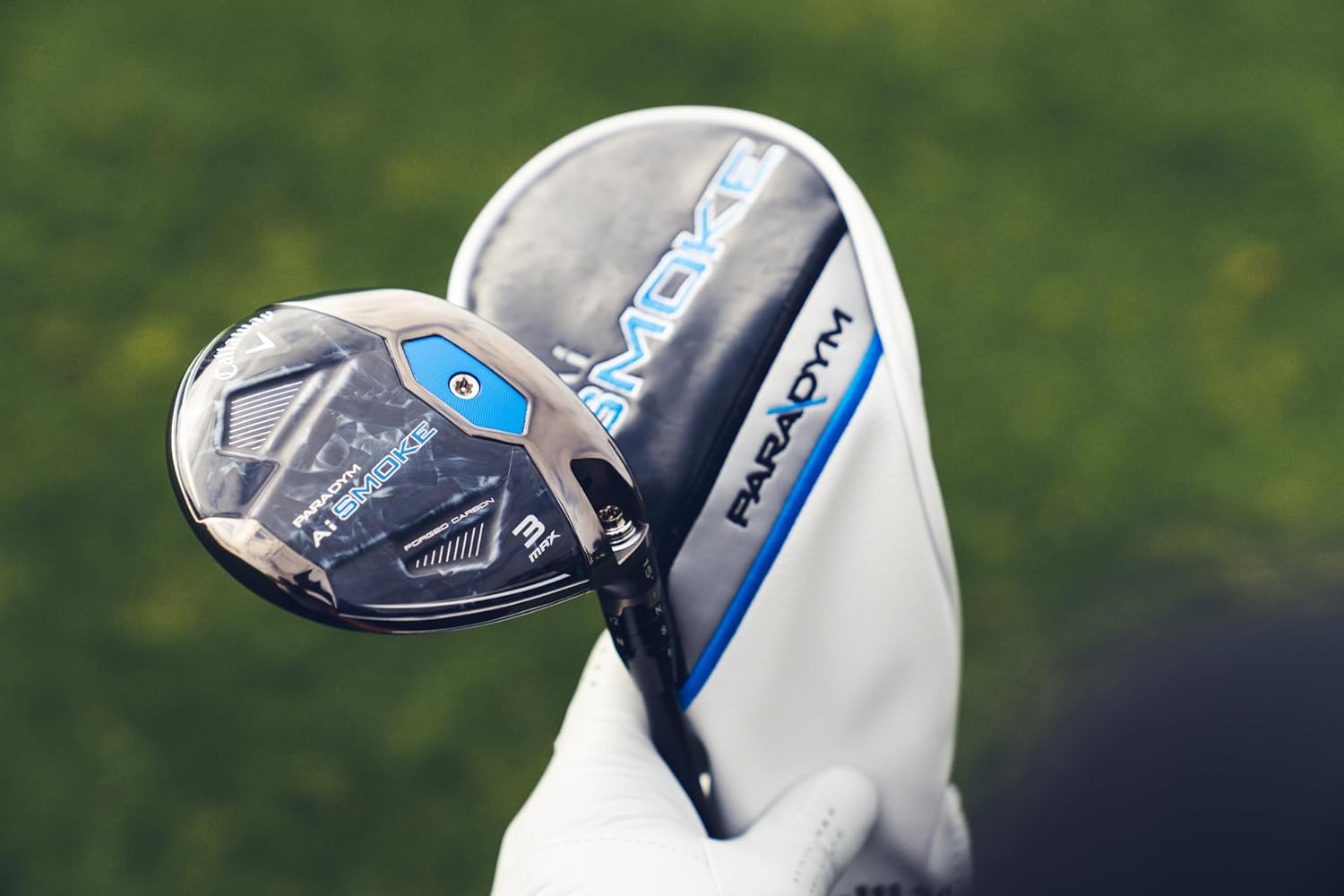
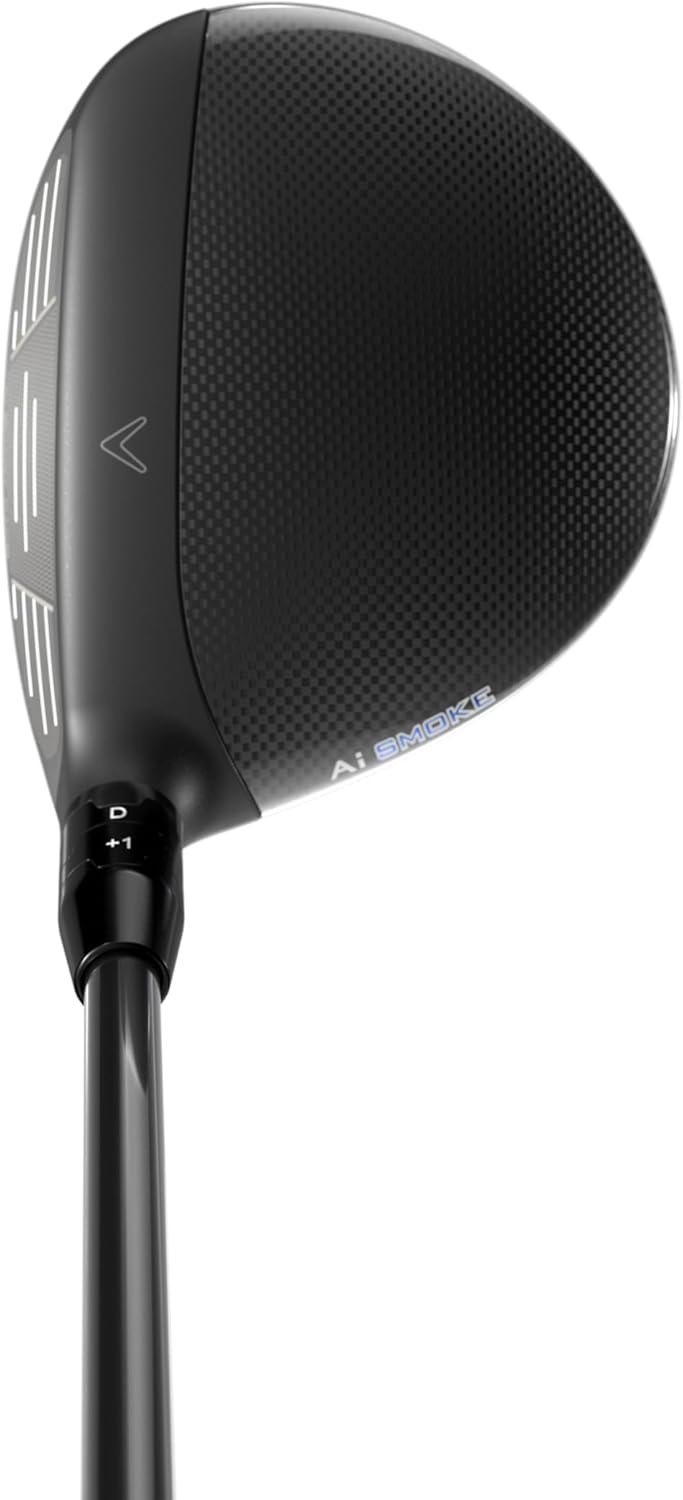
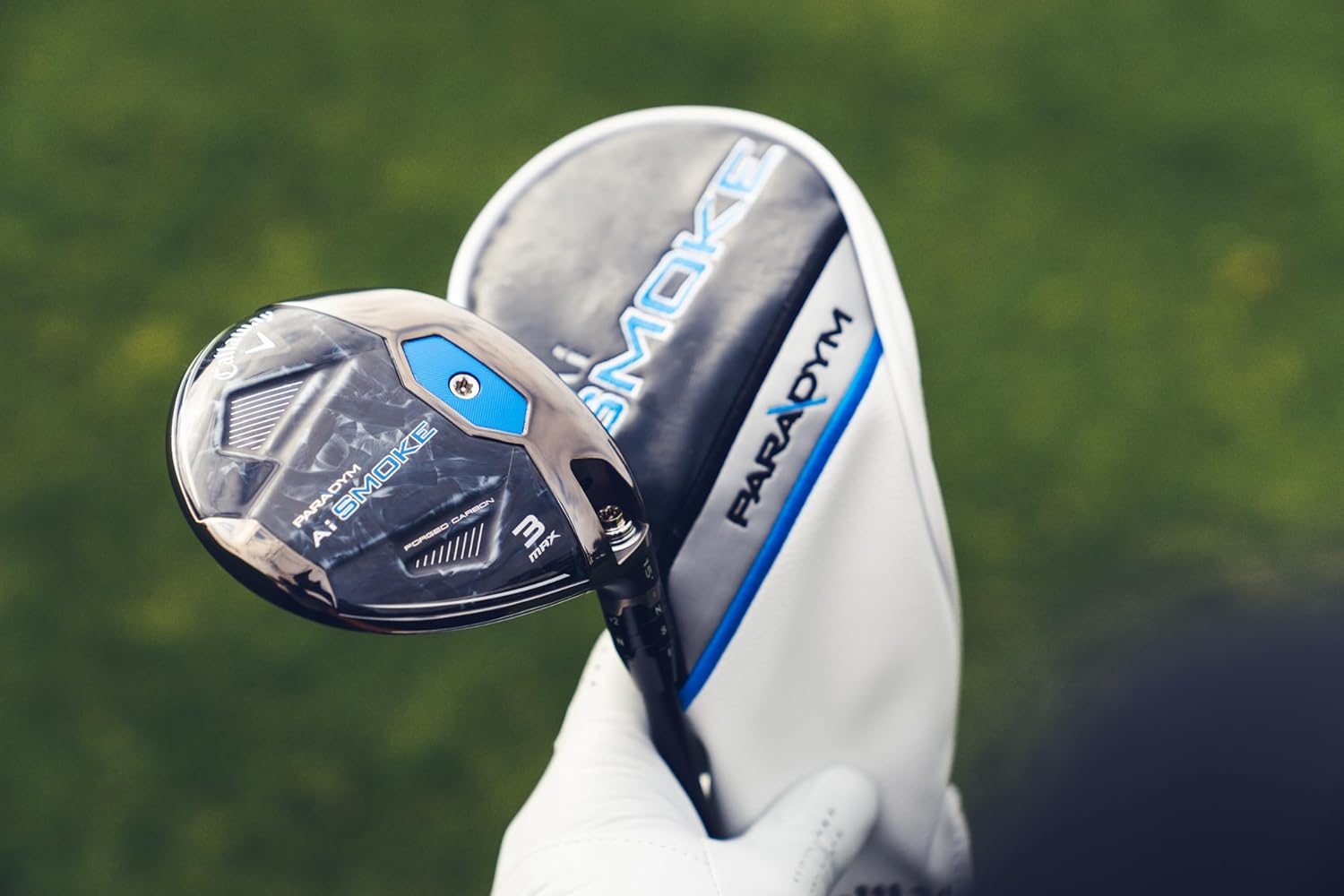
For golfers who want a max fairway profile, the brand’s higher-volume heads move mass low and deep to raise launch angle without ballooning the ball. This type of Callaway Quantum-inspired max fairway wood is ideal from the deck on long par 5s, because the high launch and controlled spin keep the ball in the air longer. Better players often gravitate to the Triple Diamond fairway wood, which sits slightly open at address and offers a penetrating ball flight that holds its line in the wind.
Adjustability is central to why these models rank among the best fairway candidates for luxury buyers. The hosel lets you move loft up or down while subtly changing face angle, so you can fine-tune start direction and curvature. If you are pairing one of these clubs with a lightweight rescue or hybrid, it is worth reading a detailed test such as this Max Lite rescue review for gapping insights, then using those numbers to set your fairway woods precisely.
TaylorMade fairway innovations and the rise of TaylorMade Max heads
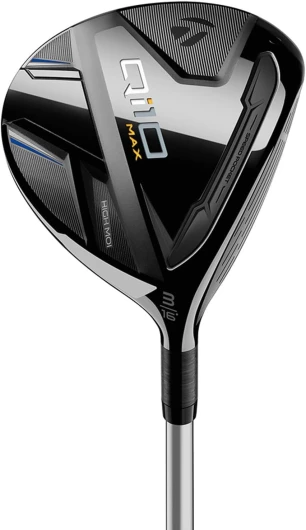
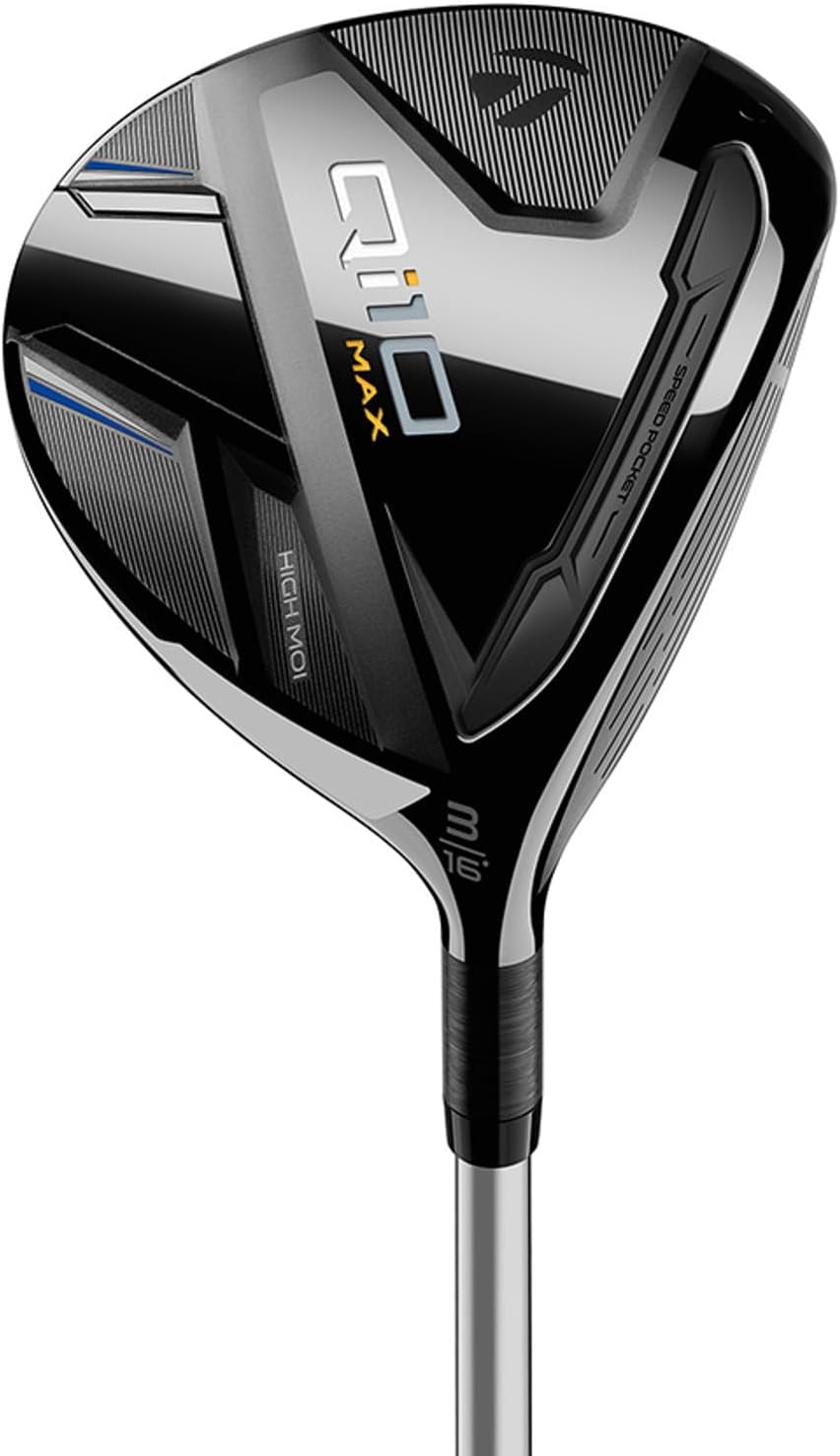
TaylorMade fairway designs have long been benchmarks for speed and forgiveness in the best golf adjustable fairways category. The latest TaylorMade Max fairway wood heads use carbon crowns, flexible speed pockets and adjustable hosels to keep ball speed high across a wide impact area. When you strike a TaylorMade fairway wood low on the face from a tight fairway, that speed pocket helps maintain launch angle and spin so the ball still carries the front edge.
The TaylorMade Max fairway woods are engineered as the more forgiving siblings to the compact tour heads, with a slightly higher launch and more stable feel. Many high handicappers appreciate how the max fairway profile frames the ball and resists twisting on mishits, yet the club remains workable enough for better players who like to shape shots. If you are building a full bag around these woods, it is useful to study a complete set evaluation such as this complete golf club set test for improving players and then decide where your fairway wood should sit in relation to your driver and hybrid.
On a launch monitor, a well-fitted TaylorMade fairway wood typically produces mid-high launch with moderate spin, which is ideal for attacking long par 4s. The adjustable hosel lets you nudge loft up for more carry or down for a flatter tour-style flight, while also tweaking face angle to reduce a slice or hook. When you read full technical breakdowns of these woods, pay attention to the core model versus TaylorMade Max differences, because that choice will define how the club behaves under pressure.
Ping Max, Cobra Opti and Mizuno JPX fairways for forgiveness and feel
Ping Max fairway woods have become reference points for stability among the best golf adjustable fairways. A Ping Max fairway wood typically features a high-density back weight and a shallow face, which combine to raise launch angle and increase moment of inertia for straighter ball flight. Many high handicappers find that a Ping fairway wood in the max configuration gives them the confidence to attack tight landing areas from the fairway or light rough.
Cobra Opti and Opti Max fairway woods target golfers who want both speed and adjustability in a slightly more compact package. A standard Cobra Opti fairway wood offers a balanced profile with adjustable loft and a neutral face angle, while the Opti Max fairway wood shifts mass towards the heel to help square the club for players who fight a fade. These Cobra woods also use thin faces and internal weighting channels to protect ball speed on off-centre strikes, which is crucial when you are stretching for a par 5 in two.
Mizuno JPX fairway woods round out this trio by focusing on feel and precise spin control. A Mizuno JPX fairway wood often launches slightly lower than a Ping Max or Cobra Opti Max, but it delivers a very tight dispersion pattern that better players appreciate. When you read a wood review that compares these three families, you will usually see Ping Max leading on forgiveness, Cobra Opti on adjustability and Mizuno JPX on feedback, which helps you choose the best fairway option for your swing.
How to fit the best golf adjustable fairways to your swing
Fitting the best golf adjustable fairways starts with understanding your current ball flight and strike pattern. A launch monitor session should capture ball speed, launch angle and spin rate for each fairway wood you test, both from the tee and the fairway. With those numbers in hand, you can decide whether a core model or a max fairway design will better support your distance gaps and dispersion goals.
For players with slower swing speeds, a high-loft fairway wood in the 17 to 19 degree range often produces the best combination of carry and control. High handicappers usually benefit from a max fairway wood with a slightly closed face angle and higher spin, because that configuration helps the ball climb and stay in the air longer. Faster swingers or tour-level players tend to prefer compact heads with lower loft and adjustable weights, which let them flatten trajectory and reduce spin for a more penetrating flight.
Luxury buyers should also consider shaft weight, flex and balance point when selecting a fairway wood. A lighter shaft can raise club speed, but too little weight may hurt timing and consistency, so testing several options is essential. If you walk the course often with a premium carry bag, pairing your fitted fairway woods with a lightweight setup such as those reviewed in this guide to top lightweight golf bags will keep the entire experience refined and efficient.
On course strategy with luxury fairway woods from tee to green
Once you own one of the best golf adjustable fairways, the real value emerges in how you deploy it on the course. From the tee on tight par 4s, a fairway wood with slightly reduced loft and a neutral face angle can offer driver-like ball speed with far greater accuracy. On long par 5s, the same club adjusted to a higher loft setting can launch the ball high enough to land softly near the green.
For approach shots from the fairway, understanding how your fairway wood manages spin is crucial. A max fairway design with a low centre of gravity will usually produce higher launch and more stopping power, which is ideal when you must carry a hazard and hold a firm green. Compact tour-style fairway woods, including Triple Diamond and similar heads, often deliver lower spin and a flatter trajectory, making them better suited to running the ball up from the fairway or light rough.
Luxury golfers should also think about how their fairway woods integrate with wedges and long irons in terms of distance spacing. A well-fitted fairway wood should create consistent 15 to 20 metre gaps from your driver down to your longest iron or hybrid, avoiding overlaps that complicate decision making. When you read full performance reports and on-course diaries from fitters, focus on how players actually use these clubs under pressure, because that context reveals which models truly earn a place among the best fairway options.
Key figures that shape the market for adjustable fairway woods
- Industry retail studies, including the Golf Datatech "U.S. Golf Equipment Retail Market Report – Woods Category" (2023 edition), indicate that adjustable fairway woods now account for a clear majority of premium fairway wood sales in major golf markets, showing how strongly golfers favour tunable clubs over fixed designs.
- Launch monitor testing published by TrackMan in its "TrackMan PGA Tour Average Data" summary (updated 2023) and by independent fitting studios suggests that moving loft by just 2 degrees on a modern fairway wood can change carry distance by roughly 8 to 12 metres for many golfers, which highlights the performance impact of precise loft and angle settings.
- Independent fitter comparisons reported in MyGolfSpy’s multi-brand fairway wood test (2022) show that max fairway heads can increase moment of inertia by up to around 15% compared with compact tour models, resulting in noticeably tighter dispersion for high handicappers and moderate swing speed players.
- Ball speed gains from the latest thin-face technologies in luxury fairway woods are typically in the range of 1 to 2 miles per hour compared with previous-generation cores in controlled tests, translating into 3 to 6 extra metres of carry when strike quality is maintained, according to aggregated data from GolfWRX forum fitters and MyGolfSpy’s robot-based evaluations.
- Surveys of custom-fitting customers, summarised by several major fitting networks in 2022–2023 internal reports, show that more than half of golfers now carry at least two fairway woods, often a higher-loft max fairway and a lower-loft tour-style model, to cover both high-launch approaches and penetrating tee shots.
Sources
- Golf Datatech – "U.S. Golf Equipment Retail Market Report – Woods Category" (2023) – used for market share context.
- TrackMan – "TrackMan PGA Tour Average Data" and published fitting insights for fairway woods (updated 2023) – used for typical loft and distance change ranges.
- GolfWRX and MyGolfSpy – 2022–2023 independent fairway wood testing and comparison studies – used for MOI, ball speed and usage pattern summaries.