Summary
Editor's rating
Value for money: good tech, but you pay for the name
Design and feel at address: big, friendly, but a bit loud
Comfort, swing feel and ease of use for a slower swing
Materials and build quality: high‑tech head, ultra‑light shaft
Durability and how it held up after several rounds
Performance on course: launch, distance and forgiveness
What this Qi35 Max Lite Rescue actually is (and where it fits in the bag)
Pros
- Very easy to launch high, especially for slower swing speeds
- Forgiving on toe and heel strikes thanks to large head and face tech
- Lightweight build and ladies Fujikura AirSpeeder 40 shaft are comfortable over a full round
Cons
- Price is high for a single hybrid compared to less known brands
- Very light shaft and swing weight may feel too whippy for stronger or faster swingers
- Sound and feel can be a bit hollow on mishits, not for feel purists
Specifications
View full product page →| Brand | TaylorMade |
A left‑hand ladies rescue that actually feels easy to launch
I’ve been looking for a left‑hand ladies hybrid that doesn’t punish a slower swing, so I took this TaylorMade Qi35 Max Lite Rescue (35° Fujikura AirSpeeder 40, ladies flex) out for a few rounds and two range sessions. I’m not a pro, I’m a mid‑to‑high handicap who just wants something that gets the ball in the air without having to swing out of my shoes. My main goal with this club was simple: replace a 7‑iron I never hit well and have something I can trust from rough and fairway around 130–140 yards.
From the first bucket, the club felt very light and easy to move, which matches what TaylorMade promises with the ultra‑light shaft and build. I noticed right away that mishits out of the toe didn’t dive left as badly as with my old hybrid. The Twist Face and all that tech talk basically translated to, “my worst swings were less ugly.” That’s really what I care about: how bad are the bad shots.
On the course, I used it mostly on par 3s around 120–135 yards and a few layup shots from the fairway. Distance was pretty consistent once I got used to the length (38.75" is longer than the iron it replaces). It launched high with very little effort, which is nice when you’re not super flexible or strong. I wouldn’t call the distance crazy long, but it was repeatable, and for this kind of club I prefer predictable over long.
It’s not perfect. The light swing weight might feel too whippy if you’re a stronger player, and the sound is a bit hollow compared to some other hybrids I’ve tried. And the price is on the high side for a single club. But if you’re a left‑hand lady golfer with a moderate or slower swing, it’s one of the few hybrids that genuinely feels designed for you, not just a men’s club with a softer shaft thrown in.
Value for money: good tech, but you pay for the name
On value, this is where things are a bit mixed for me. TaylorMade gear is rarely cheap, and this Qi35 Max Lite Rescue is no exception. You’re paying for the brand, the multi‑material head, the carbon crown, and the Fujikura shaft. For a single hybrid, the price sits on the higher end of what most casual golfers want to spend. If budget is tight, you can definitely find cheaper hybrids from less famous brands that will also get the ball in the air.
However, compared to my older, no‑name ladies hybrid, the difference in ease of launch and forgiveness was clear. I hit more greens and had fewer extreme misses. That has a direct impact on how stressful a round feels. For me, that’s worth something. The question is whether it’s worth the full TaylorMade price tag. If you play only a few times a year, probably not. You might be better off with a mid‑range option. If you play regularly and this fills a key yardage gap, the cost starts to make more sense.
One thing that does help the value a bit is that left‑hand ladies options are limited. It’s actually hard to find a modern, techy hybrid in this exact spec (left, ladies, 35°) from every brand. So you’re not just paying for the logo; you’re also paying because there aren’t many direct competitors. That doesn’t make it cheap, but it explains why some people will still go for it despite the price.
Overall, I’d say the value is decent but not outstanding. The club performs well, feels easy to use, and seems well built, but the price is on the steep side. If you want a forgiving, light, left‑hand ladies hybrid and are okay paying for a big brand, you’ll probably be happy. If you’re price‑sensitive and don’t care about the latest tech, you can save money elsewhere and still get something that works.
Design and feel at address: big, friendly, but a bit loud
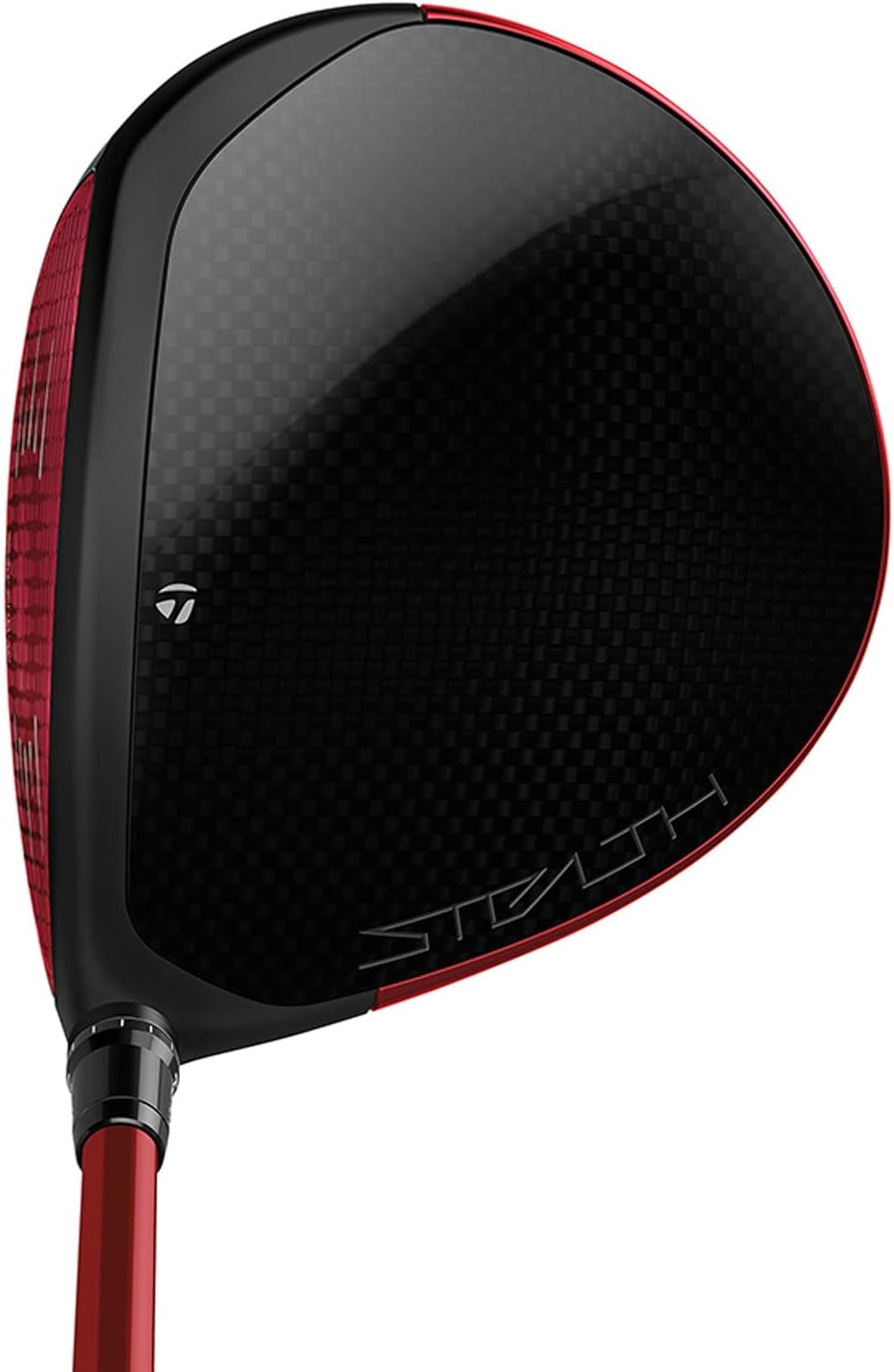
Design‑wise, the first thing I noticed is the large head and matte grey finish. At address, it looks quite big compared to some compact hybrids, but in a good way for my level. It gave me the feeling of “ok, I can actually hit this” rather than that thin, knife‑like look you get with some irons. The Infinity Carbon Crown and the way the top line blends into the face make the head look modern without being flashy. The matte grey also helps with glare in the sun, which I appreciated during a bright afternoon round.
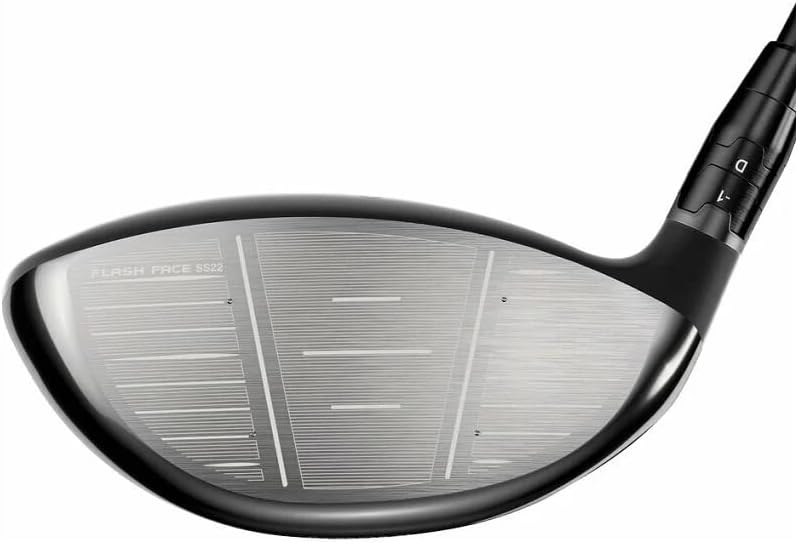
The face profile is slightly taller than my old hybrid, and you can see the Twist Face shaping if you look closely – it’s not just a straight rectangle. In real life, that translated to toe and heel strikes not curving as badly. My worst swing still went offline, but instead of a complete snap hook or weak slice, I ended up with something more playable. That “big sweet spot” feeling is real here, especially for a mid‑to‑high handicap like me.
Sound and feel are a bit mixed. When you catch it flush, you get a solid, slightly metallic “tock” that feels nice. But mishits, especially low on the face, produce a slightly hollow sound. Not terrible, but you can tell it’s more of a techy, multi‑material club than a classic forged feel. Feedback through the hands is decent: you know when you’ve missed, but it doesn’t sting. For someone who cares a lot about pure feel, this might come across as a bit too modern and springy. For me, I care more about forgiveness than buttery feel, so I was fine with the trade‑off.
Overall, the design is clearly aimed at confidence and forgiveness rather than traditional looks. If you like sleek, compact, “players” hybrids, this might look chunky. If you’re like me and just want something that looks friendly behind the ball and doesn’t scare you on a tight lie, the design does its job. I wouldn’t buy it for looks alone, but I wouldn’t avoid it either; it’s pretty solid and practical, just not exciting in the aesthetic department.
Comfort, swing feel and ease of use for a slower swing
Comfort‑wise, this club is clearly tuned for ease of use. The light Fujikura AirSpeeder 40 shaft and the TSS swing weighting make it feel very manageable, even late in the round when you’re getting tired. I noticed that I could keep a smooth tempo without feeling like I had to muscle the club. For a slower or aging swing, that’s a big plus. After two range sessions of about 60 balls each, my arms and shoulders felt fine, whereas my heavier hybrids usually leave me more worn out.
At address, the large head and the midsize grip give a feeling of stability. You don’t feel like you’re holding a toothpick. The swing weight feels slightly head‑biased but not in a sledgehammer way – more like you always know where the head is during the swing. That helped my timing a lot. Before this, I was playing a generic ladies hybrid that felt too light in the head, and I often flipped my hands and hooked it. With this Qi35 Max Lite, my hooks were less severe, and my push‑fades weren’t as wild either.
From different lies, comfort stayed pretty consistent. Off the fairway, it glides without digging, and from light rough it cuts through reasonably well. Out of thick rough, it still struggles – it’s a light ladies hybrid, not a miracle tool – but I did get a couple of shots out that I’d usually just hack sideways with an iron. Out of a fairway bunker, the wide sole helps if you catch it clean, but if you hit too much sand, the light head loses speed quickly. So it’s usable, but you still need a decent swing there.
The only comfort downside for me is that in strong wind, the light weight makes the club feel a bit less stable. On a windy day, I felt the head move slightly at the top of the swing, and I had to slow down on purpose to keep control. If you like a heavier, more planted feel, you might find this too light. But for the target golfer – left‑hand lady with moderate speed – I think the comfort and ease of swing are one of the main strengths of this club.
Materials and build quality: high‑tech head, ultra‑light shaft
The club uses an advanced multi‑material construction: chromium carbon, steel, aluminum in the head, plus the Infinity Carbon Crown on top. In real terms, this means they’ve pushed weight low and around the perimeter and kept the top light. On the course, that shows up as easy launch and a fair bit of forgiveness on off‑center hits. I had several shots low on the face that still got up in the air and carried reasonably well, which I don’t get with my older all‑steel hybrids.
The Fujikura AirSpeeder 40 ladies shaft is very light. You really feel it when you waggle the club: the head feels present, but the overall club is easy to swing. For my moderate swing speed, that was a plus. I could swing without feeling like I had to force it, and the club still loaded and released. If you’re a stronger lady golfer or swing quite aggressively, this shaft might feel too soft and whippy, and you might lose some control left/right. For my tempo, it felt about right – smooth, easy to get through the ball, and no fatigue even after a long range session.
The grip is a midsize synthetic rubber grip. Out of the box, it feels decent: not too tacky, not too hard. I played in slightly humid conditions and didn’t have issues with slipping. For smaller hands, midsize might feel a bit chunky, but for me it actually helped stabilize the club without squeezing too hard. Over time, synthetic grips like this usually hold up okay, but if you play a lot, you’ll probably regrip after a season or so anyway. Nothing fancy here, but it gets the job done.
Overall build quality feels solid. No weird rattles, the TSS weighting seems well integrated, and the finish on the head didn’t mark up badly after a few rounds and range balls. The matte grey does show ball marks on the face, but they wipe off easily. I’d say the materials are modern and practical rather than premium‑feeling. You’re paying partly for the tech and the brand name. If you want a tank‑like, heavy, old‑school feel, this is not that. If you want something light, forgiving, and easy to swing, the materials choice makes sense.
Durability and how it held up after several rounds
On the durability side, I paid attention to how the matte grey head and carbon crown looked after some real use, not just a couple of range swings. After three rounds and two range sessions (mix of decent range balls and some pretty beat‑up ones), the face showed normal ball marks but no deep scratches or chips. The matte finish on top held up better than I expected; only very light scuffing if you look closely in the right light. Nothing that you’d notice at address.
The sole took the usual scuffs from turf and sand, but again, nothing worrying. I hit a few shots from a fairway bunker and a couple from slightly rocky lies near the cart path (bad course management on my part), and the sole just shows surface scratches. The painted areas didn’t start peeling or flaking. The Infinity Carbon Crown didn’t show any cracks or weird marks, which was something I was slightly worried about with a more complex construction.
The Fujikura AirSpeeder 40 shaft stayed straight with no signs of damage. I always check near the hosel and around the middle for any unusual marks, and everything looked fine. I tend to put my clubs in and out of the bag without babying them, and there were no paint chips or weird wear on the shaft. The synthetic rubber grip also held up well – no early smoothing or twisting. After a few sweaty rounds, it still felt secure in the hands.
Long‑term, I can’t say how it will look after a full season or two, but based on the short test, the build quality feels reliable. It feels like a modern, tech‑heavy club, not a tank, but it doesn’t feel fragile either. If you’re the type who always uses headcovers and doesn’t slam clubs, it should stay in good shape. If you’re rough on your gear, you’ll see cosmetic wear like with any club, but I didn’t see any early red flags that would make me question its durability.
Performance on course: launch, distance and forgiveness
In terms of performance, I used this Qi35 Max Lite Rescue over three full rounds and a couple of range sessions. My swing speed with hybrids is on the lower side, and I usually carry a 7‑iron around 110–115 yards. With this 35° hybrid, I was seeing carry distances around 120–130 yards on decent strikes, sometimes creeping up to 135 when I really caught it. That’s a solid bump over my iron with less effort, mainly because the ball launches higher and stays in the air longer.
The main strength is launch. Even on half swings or slightly heavy shots, the ball still got up. The low CG and the Thru‑Slot Speed Pocket seem to do what they’re supposed to: shots low on the face didn’t die immediately. On a few thin strikes, I expected the ball to come out low and run, but instead I got a mid‑height flight that at least reached the front of the green. Not perfect, but definitely better than the chunks and dribblers I get with my long irons.
Forgiveness is pretty solid. With my old hybrid, a toe hit would turn into a hard hook left (as a left‑hander). With this TaylorMade, those same swings turned into more of a soft draw that stayed in play. Heel strikes lost distance but didn’t peel off hard right as much. I’m not going to pretend it magically straightens everything, but it definitely reduces the punishment on mishits. My shot pattern tightened up noticeably, especially on par 3s where I usually dread the long carry over trouble.
The downside is that this club is not a low‑spin rocket. It’s built more for height and stopping power than for squeezing every yard of distance. If you’re already a long hitter, you might find it too floaty and short. And in strong headwinds, the high flight can get knocked down. But for the typical lady golfer who struggles to get the ball up, this is exactly what you want. Overall, I’d rate the performance as very solid for its target: reliable distance, easy launch, and friendlier mishits compared to most irons and older hybrids I’ve used.
What this Qi35 Max Lite Rescue actually is (and where it fits in the bag)
This specific model is a 35° left‑hand hybrid with a ladies flex Fujikura AirSpeeder 40 shaft, so in practice it’s replacing something like a 7‑iron / 7‑hybrid slot. The length is about 38.75", so slightly longer than a typical 7‑iron, which is why I was seeing a bit more distance than my old iron even though the loft is similar. It’s clearly targeted at slower swing speeds: light shaft, light overall build, and a head that’s designed to help get the ball up easily.
The head is the Qi35 Max Lite Rescue style with a big, confidence‑boosting shape at address. If you’re used to small, compact hybrids, this will look bigger behind the ball. For me, that was a plus – it feels like there’s more clubface to hit. TaylorMade talks about a modified CG (center of gravity) and a TSS weighting system. In plain language, it feels like most of the weight is low and towards the back, which is what helps the ball launch high and keeps it from falling out of the sky too fast.
On the course, I slotted it as my go‑to club from about 120–140 yards depending on lie and wind. Off the fairway, it was my default when I didn’t trust my irons, and from light rough it cut through the grass better than I expected thanks to the hybrid sole. Off the tee on short par 3s or tight par 4s, it was also usable, but it’s really more of a fairway/rough club than a mini‑driver. It’s not built for low bullets; it’s built to get the ball up and land it soft.
If you already carry a 5‑hybrid and 6‑hybrid, this 35° might overlap a bit, so you’d want to check your distances. But if you struggle with 7‑iron or 6‑iron and you’re a left‑hand lady golfer, this fits nicely as a replacement for those clubs. It’s basically a friendly rescue club for the mid‑range holes where you just want something that flies straight and high without needing a perfect strike.
Pros
- Very easy to launch high, especially for slower swing speeds
- Forgiving on toe and heel strikes thanks to large head and face tech
- Lightweight build and ladies Fujikura AirSpeeder 40 shaft are comfortable over a full round
Cons
- Price is high for a single hybrid compared to less known brands
- Very light shaft and swing weight may feel too whippy for stronger or faster swingers
- Sound and feel can be a bit hollow on mishits, not for feel purists
Conclusion
Editor's rating
After a few rounds with the TaylorMade Qi35 Max Lite Rescue (35° Fujikura AirSpeeder 40, ladies flex, left‑hand), my takeaway is pretty simple: it’s a very easy‑to‑hit hybrid for slower swing speeds, wrapped in a fairly expensive package. The big head, light shaft, and low center of gravity make it very straightforward to launch the ball high, and mishits are noticeably less punishing than with the long irons or older hybrids I’ve used. For a mid‑to‑high handicap left‑hand lady golfer who struggles with 6‑ and 7‑irons, it does its job well and makes those 120–140 yard shots less stressful.
It’s not perfect. The sound is a bit hollow on mishits, the super light weight can feel unstable in strong wind or for stronger players, and the price is clearly on the high side. You’re also not getting crazy distance; you’re getting height and forgiveness instead. I’d say it’s a good fit if you’re a regular player, left‑hand, with a moderate or slower swing who values ease of launch more than pure feel. If you’re a stronger golfer, on a tight budget, or already happy with your hybrids, you can skip this and look at heavier or cheaper options.