
Summary
Editor's rating
Value for money: decent if you manage your expectations
Looks good in the bag, feels a bit cheaper in the hands
Swing feel and comfort: easy enough to swing, but not super refined
Materials feel budget-friendly, not premium tour-level stuff
Build and durability: seems fine so far, but doesn’t feel bombproof
Performance: slight help on the slice, but no miracle cure
What this driver is supposed to do (and what it actually does)
Pros
- Offers a small but real reduction in slice for reasonably decent swings
- Higher 12° loft helps slower swingers get the ball in the air more easily
- Price is lower than many big-brand drivers, making it accessible for casual golfers
Cons
- Does not actually “fix” a bad slice; poor swings still go right
- Feel, sound, and finish are clearly below premium drivers
- Slight loss of distance compared to standard drivers with lower loft and better face tech

Specifications
View full product page →| Brand | Performance Golf |
A ‘fix your slice’ driver that makes big promises
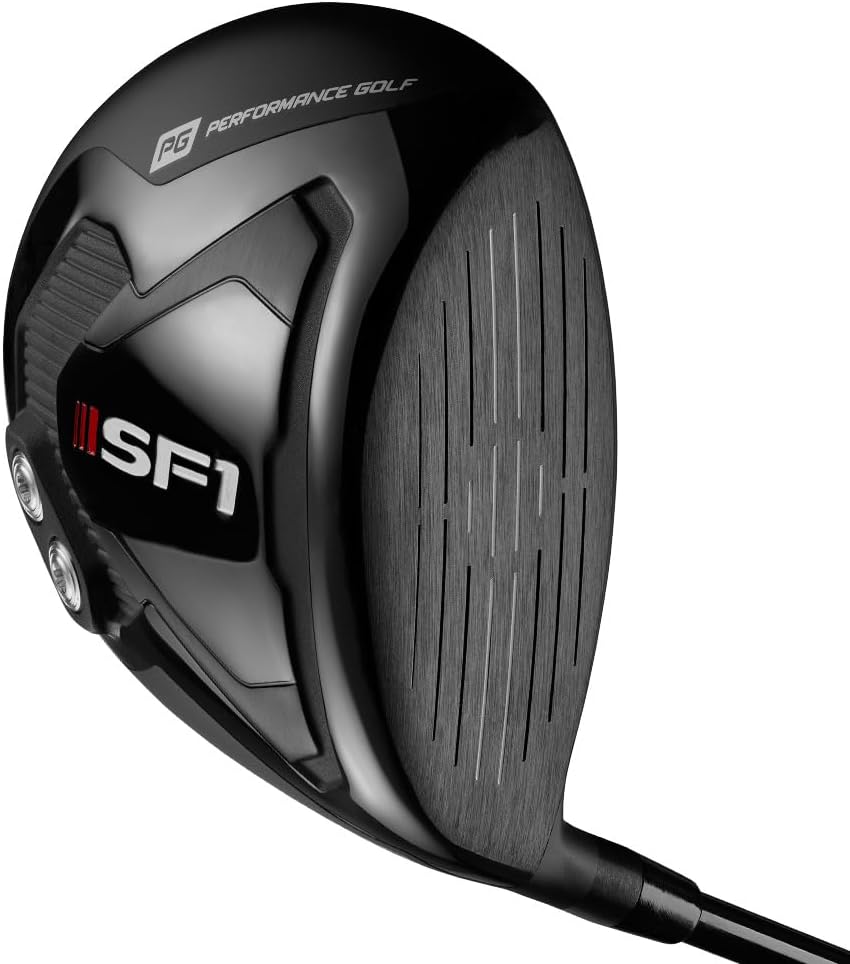
I picked up the Performance Golf SF1 driver because, like a lot of weekend golfers, my main problem off the tee is that ugly slice that shows up exactly when there’s trouble on the right. The marketing around this club is very loud: square face technology, anti-slice design, everything supposedly working to help the ball go straighter. On paper, it sounded like the shortcut I was hoping for instead of booking a bunch of lessons.
I’ve been playing for a few years, around a 20–22 handicap, and I’m not loyal to any brand. I usually rotate between an older TaylorMade and a Callaway driver depending on the course. I tested the SF1 for a few rounds on the course and a couple of long sessions at the range, swapping between my usual driver and this one to see if it actually changed anything, not just in feel but on the ball flight.
Right away, the main thing I wanted to know was simple: does it actually reduce the slice, or is it just another club with a fancy name and a story? I wasn’t expecting miracles, but I did expect some clear difference if the face really is set up to help close at impact and the weighting is done properly. I paid attention to how my worst swings reacted, not just the good ones, because that’s where these “forgiving” drivers are supposed to help.
Overall, I’d say the SF1 is not useless, but it’s also far from magic. It helped a bit on my right miss when I put at least a half-decent swing on it, but it did nothing when my swing got really lazy or over-the-top. So if you’re hoping this driver alone will erase your slice, that’s not what I saw. It’s more of a small nudge in the right direction rather than a full-on fix.
Value for money: decent if you manage your expectations
Value is where the SF1 makes a bit more sense. You’re not paying premium-brand prices, and you can feel that in the materials and finish, but you are getting a driver that does offer some practical help for slicers. It’s not going to suddenly fix your swing, but it can slightly reduce the punishment on your usual right miss and give you a bit more confidence on the tee. For many casual golfers, that alone has some value.
Compared to big-name drivers that can cost a lot more, the SF1 sits in a middle area: cheaper materials and feel, but a clear focus on forgiveness and direction rather than raw distance. If you’re the type who changes clubs often or you’re still figuring out your swing and don’t want to invest in a top-end driver yet, this is a reasonable option. It’s kind of a “bridge” club for someone between total beginner and more serious player.
That said, some of the marketing around this driver sets expectations too high. If you buy it thinking it will fix your slice without any lessons or practice, you’ll probably feel like you wasted your money. In my case, I saw modest improvement but nothing close to a miracle. For the same budget, you could also look at used drivers from big brands that might give you better feel and distance, but maybe a bit less built-in anti-slice bias.
In simple terms: if you want a budget-friendly, direction-focused driver and you accept that you still need to work on your swing, the SF1 is okay. If you’re already taking lessons and care more about long-term performance and feel, I’d lean towards a used premium driver instead. The value is there, but it depends a lot on your expectations and how serious you are about improving.
Looks good in the bag, feels a bit cheaper in the hands
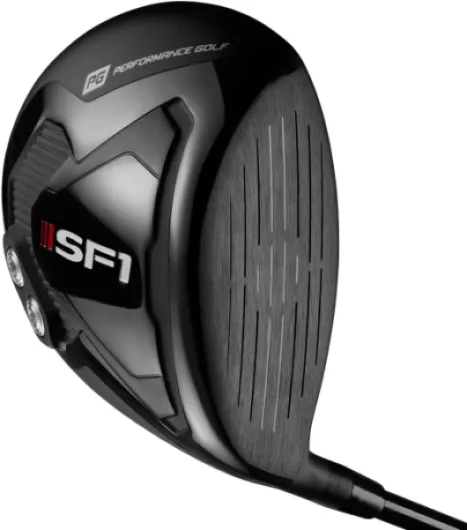
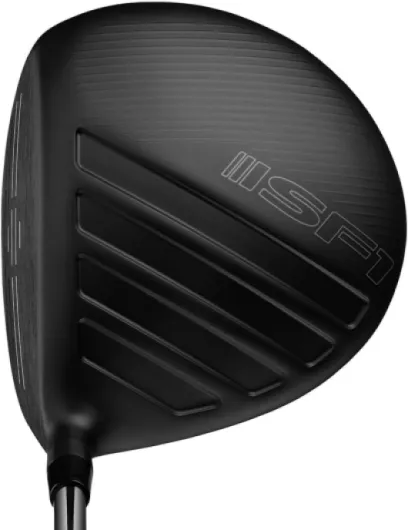
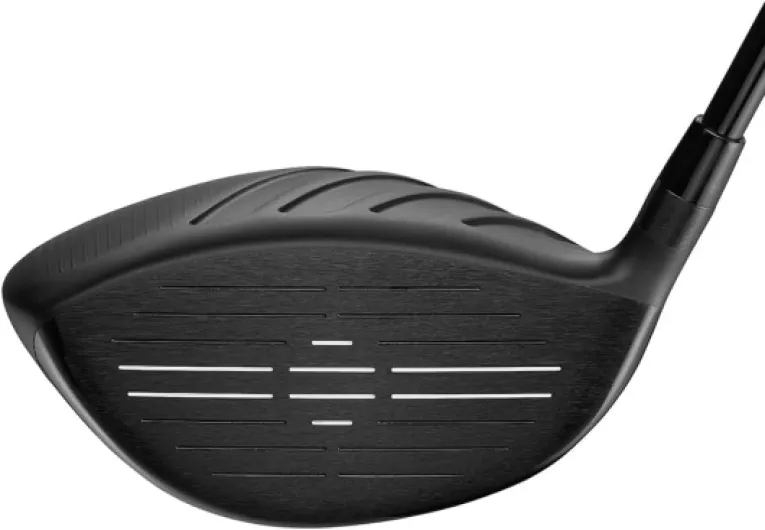
From a distance, the SF1 actually looks pretty solid. The black head and overall modern shape don’t scream “gimmick club” like some anti-slice drivers do. You won’t be embarrassed pulling it out of the bag, which honestly matters when you’re playing with people you don’t know well. The head shape is described as “square,” but it’s not one of those old-school, super boxy square drivers that looked weird. At address, it’s fairly normal, maybe a touch more stretched back.
Once you pick it up though, you can feel it’s not on the same level as premium drivers. The finish is decent but not impressive. The paint and detailing are fine, but they don’t have that really clean, high-end feel that you get from the big brands. The headcover (if you get one) is basic and does the job, but nothing to talk about. It’s more “it’s okay” than “this feels like a high-end piece of gear.”
At address, the slightly closed face is noticeable if you’re used to very neutral setups, but it’s not extreme. For a slicer, that’s probably a good thing, because it gives you a bit of built-in help without looking like the face is pointing at the trees on the left. The alignment on top is simple, so lining it up is straightforward. I did like that it sits pretty stable behind the ball; it doesn’t feel twitchy or too compact.
Sound-wise, it has a fairly loud, metallic crack. Not the worst I’ve heard, but also not that solid thud you get from more expensive carbon-heavy heads. After a while I got used to it, but the first few swings felt a bit “hollow.” Overall, the design is visually decent but not premium. It looks better than it feels, if that makes sense.
Swing feel and comfort: easy enough to swing, but not super refined
In the hands, the SF1 is fairly easy to swing. The balance feels slightly towards the head, but not in a sledgehammer way. I’d say it’s friendly for mid to high handicaps who don’t want something too heavy or too demanding. The regular flex (even though the listing also says “stiff” in the style name, which is confusing) felt to me like a middle-of-the-road shaft, not super soft, not super rigid.
During my first range session, it took me maybe 10–15 balls to adjust to how it loads in the backswing. Coming from a graphite-shafted driver, the steel shaft gives a slightly different feedback. Once I got used to it, I didn’t find it tiring or harsh, but I did notice more feedback on off-center hits. You’ll feel it in your hands when you catch it on the toe or heel, which can be a good thing if you want to know exactly where you struck it, but some people might find it a bit unforgiving in terms of feel.
After a full 18-hole round, my hands and arms felt fine. No weird vibrations, no soreness, nothing like that. The grip is comfortable enough out of the box, but in hot weather it can get a bit slippery if you don’t use a glove or if your hands sweat a lot. I’d probably regrip it with something a bit tackier if I kept it in the bag long term. The head doesn’t feel too big or bulky when you’re walking with it; it’s just a normal-size modern driver head.
Overall comfort-wise, I’d call it decent but not special. It’s not as smooth or “buttery” feeling as premium graphite-shafted drivers, but it’s not a harsh stick either. If you’re not super sensitive about feel and just want something you can swing without thinking too much, it’s fine. If you’re picky about shaft feel and impact sound, you’ll notice the compromises.
Materials feel budget-friendly, not premium tour-level stuff
On paper, the SF1 uses a mix of carbon fibre in the head, an alloy steel shaft, and a synthetic rubber grip. So it’s not some toy-level build, but it’s also not in the same league as the multi-material, super-tuned drivers you see on tour. The weight listed is 65 grams, which I’m assuming is for the shaft, because the whole club obviously weighs more than that in the hand. Still, the overall club feels on the lighter side compared to my usual driver with a graphite shaft.
The steel shaft is the one thing that surprised me. Most modern drivers are graphite, especially if they’re trying to help higher handicaps with speed and launch. This one being steel gives the club a slightly different balance and feel. It’s not heavy like an old-school steel-shafted driver, but it does feel a bit more rigid and less “whippy” than a lot of regular flex graphite shafts. If you’re used to graphite, this might feel a bit odd at first, especially in terms of feedback.
The carbon fibre in the head is there, but it doesn’t feel like the super light, ultra-refined carbon you see in high-end drivers. It’s more like: yes, they used carbon to keep the weight reasonable and move some mass around, but you’re not getting that super solid, muted impact feel. The face itself feels on the firm side, and mishits definitely let you know you missed the sweet spot. Not brutally harsh, but not very cushioned either.
The synthetic rubber grip is standard, nothing special. Out of the box it’s fine, grippy enough, but it doesn’t feel premium. If you’re picky with grips, you’ll probably end up swapping it for your usual brand after a few rounds. Overall, the materials are serviceable and in line with the price, but if you’re used to top-tier big-brand drivers, you’ll feel the downgrade.
Build and durability: seems fine so far, but doesn’t feel bombproof
I haven’t had the SF1 for years obviously, but over a few weeks of range sessions and a handful of rounds, I didn’t notice any scary durability issues. The head stayed intact, no cracks, no weird rattling, and the finish on top didn’t chip from normal use. I had a couple of low strikes that caught a bit of the sole, and it scuffed like any other driver, nothing unusual. So from short-term use, it handles regular golf abuse fine.
The paint on the crown and the logos still look okay, but I can see how, over time, they might start to wear faster than on premium clubs. The finish doesn’t have that very tough, hard coating feel. If you’re someone who tosses clubs around or often hits from sandy mats, I’d expect it to show cosmetic wear sooner than a high-end driver. Functionally it should still work, but it might look more beat up.
The steel shaft should be solid from a durability standpoint. Steel is usually less fragile than graphite in terms of random range mishaps or leaning on the club. So if you’re rough on your gear, that part is actually a plus. The grip, like I said, is basic. After a few sweaty sessions, it already felt like it was starting to lose a bit of tack. Not unusable, but I wouldn’t count on it lasting multiple seasons if you play regularly.
So overall, durability seems acceptable for the price point. I don’t expect this driver to age as nicely as a top-tier brand in terms of looks and long-term feel, but for a casual golfer playing once a week or less, it should hold up. Just don’t expect it to still look fresh and clean after a couple of seasons of heavy use.
Performance: slight help on the slice, but no miracle cure
This is the part that matters: does it actually help with the slice and overall driving performance? For me, the answer is: yes, a bit, but only within reason. When I kept my swing somewhat on plane and didn’t come over the top too hard, the SF1 tended to start the ball a little more left and curve less to the right compared to my usual driver. My typical big slice turned into more of a gentle fade or a smaller miss. On my worst swings, though, the ball still went right. The club can’t fight basic swing mechanics.
In terms of distance, I noticed I was generally 5–10 yards shorter on average than with my usual 10.5° driver. The higher 12° loft and a slightly higher spin window are probably the reasons. The ball launches higher, which helps carry, but sometimes it just balloons and drops. On soft fairways, that’s not a big deal, but on firm, windy days, I definitely felt like I left some yards on the table. If you already hit it too high, this loft might not be ideal.
Forgiveness across the face is okay. Toe hits stayed in play most of the time and lost distance but didn’t shoot off at crazy angles. Heel hits still wanted to go right, just like with any driver, but I’d say they were slightly less punishing than with my gamer. The face doesn’t feel super hot; center strikes went fine but didn’t have that extra jump I feel with big-name drivers. It’s more controlled than explosive.
Overall, performance is serviceable for mid to high handicaps who mainly want to stop the worst slices and keep more balls in play. If you’re expecting it to suddenly turn you into a fairway-finding machine without working on your swing, you’ll be disappointed. But if you accept it as a small assist and not a solution, it can help take the edge off your right miss.
What this driver is supposed to do (and what it actually does)
The SF1 is sold as a driver focused on direction over distance. The idea is that big brands build drivers for pros who center the ball almost every time, while this one is built for regular golfers who fight a slice. It comes with 12 degrees of loft, a right-handed setup, and what they call “Square Face Technology” plus some specific weighting to help close the face and reduce that open-at-impact problem that sends the ball right.
On the course and at the range, I tried to be systematic. I hit 10 balls with my usual driver, then 10 with the SF1, same target line, same ball, same tee height. When my swing path was half-reasonable, the SF1 did tend to start the ball a bit more left and reduce the big banana slice into more of a soft fade. The difference wasn’t night and day, but it was noticeable enough that I felt a bit more confident aiming closer to trouble on the right. On my really bad swings though, the ball still went right. The club didn’t magically square the face when my body was completely out of sync.
Compared to my normal 10.5° driver, the 12° loft on the SF1 definitely launched the ball higher. That’s good if you struggle to get the ball in the air or you’re a slower swinger, but for me it sometimes turned into a high floater that lost some distance, especially into the wind. If you already hit it high or you swing fairly fast, you might feel like you’re giving up some distance for a bit more safety.
In short, the SF1 does line up with its description in one way: it’s clearly tuned more for forgiveness and direction than pure distance. But the promise that every feature is working to fix your slice is a bit oversold. It helps a little if your swing is close to decent. It won’t rescue a bad over-the-top cut swing. Think of it as a small assist, not a cure.
Pros
- Offers a small but real reduction in slice for reasonably decent swings
- Higher 12° loft helps slower swingers get the ball in the air more easily
- Price is lower than many big-brand drivers, making it accessible for casual golfers
Cons
- Does not actually “fix” a bad slice; poor swings still go right
- Feel, sound, and finish are clearly below premium drivers
- Slight loss of distance compared to standard drivers with lower loft and better face tech
Conclusion
Editor's rating
After using the Performance Golf SF1 driver for a few rounds and range sessions, my honest take is that it’s helpful but limited. It does give a bit of built-in help against a slice: my worst right misses were slightly tamed when my swing was halfway decent, and I saw more gentle fades instead of full-on banana balls. But it does not “fix” a slice in the way the marketing suggests. If your swing path and face control are bad, the ball still goes right.
The club feels and looks clearly below premium big-brand drivers in terms of materials, sound, and overall finish, but that matches the price. The 12° loft and more forgiving setup suit slower swingers or newer golfers who struggle to launch the ball and just want to keep more drives in play. If you already hit it high or care a lot about distance and feel, you might find it a bit underwhelming and slightly short compared to standard drivers.
I’d say this driver is for casual golfers and newer players who fight a slice, don’t want to spend a fortune, and are okay with a club that gives them a small assist rather than a miracle. It’s also an option if you want a “safety” driver for tight courses. If you’re already working with a coach, or you’re comfortable buying used big-brand gear, I’d probably skip this and put the money into lessons or a better-fitting, higher-quality driver. It’s decent, but not more than that.