Ping SFT and the evolution of subtle draw bias
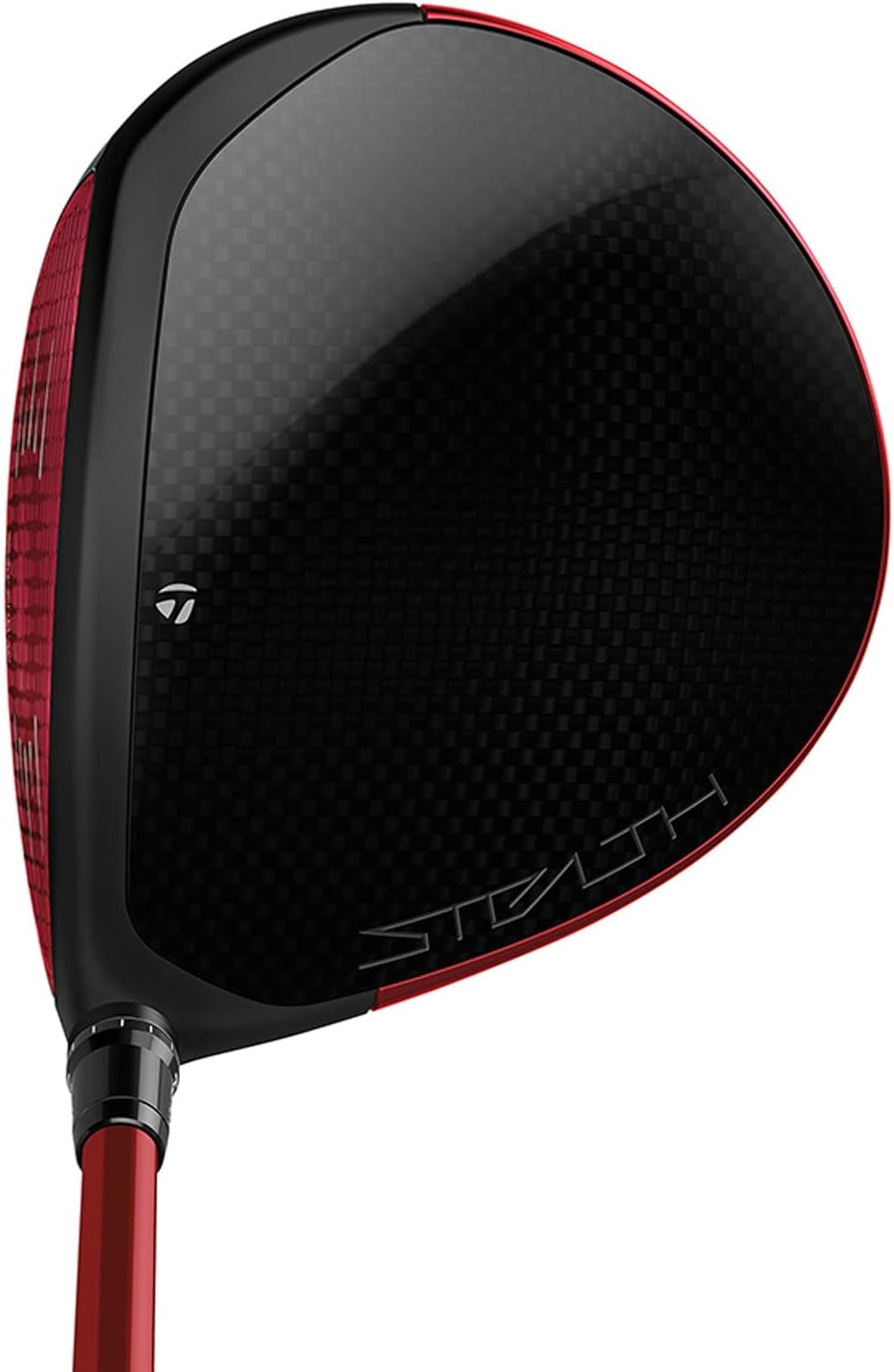
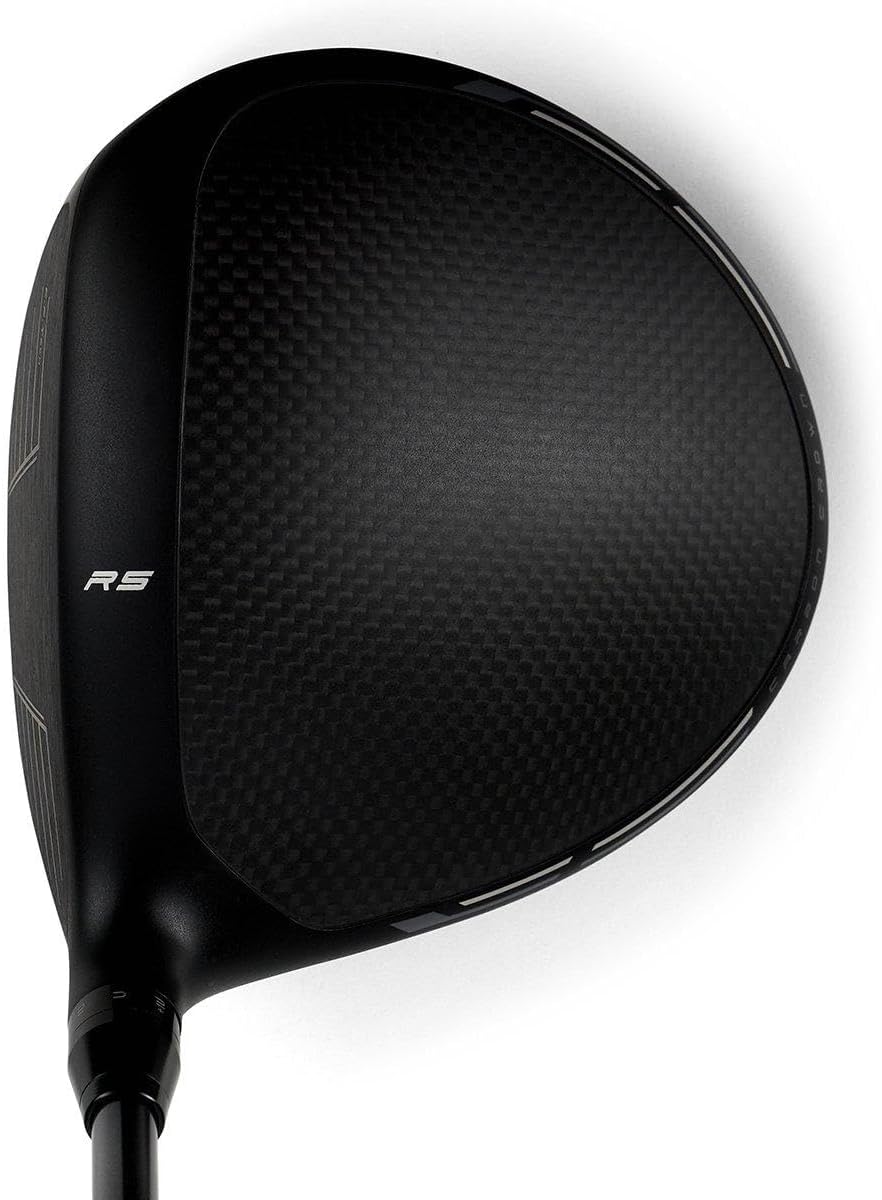
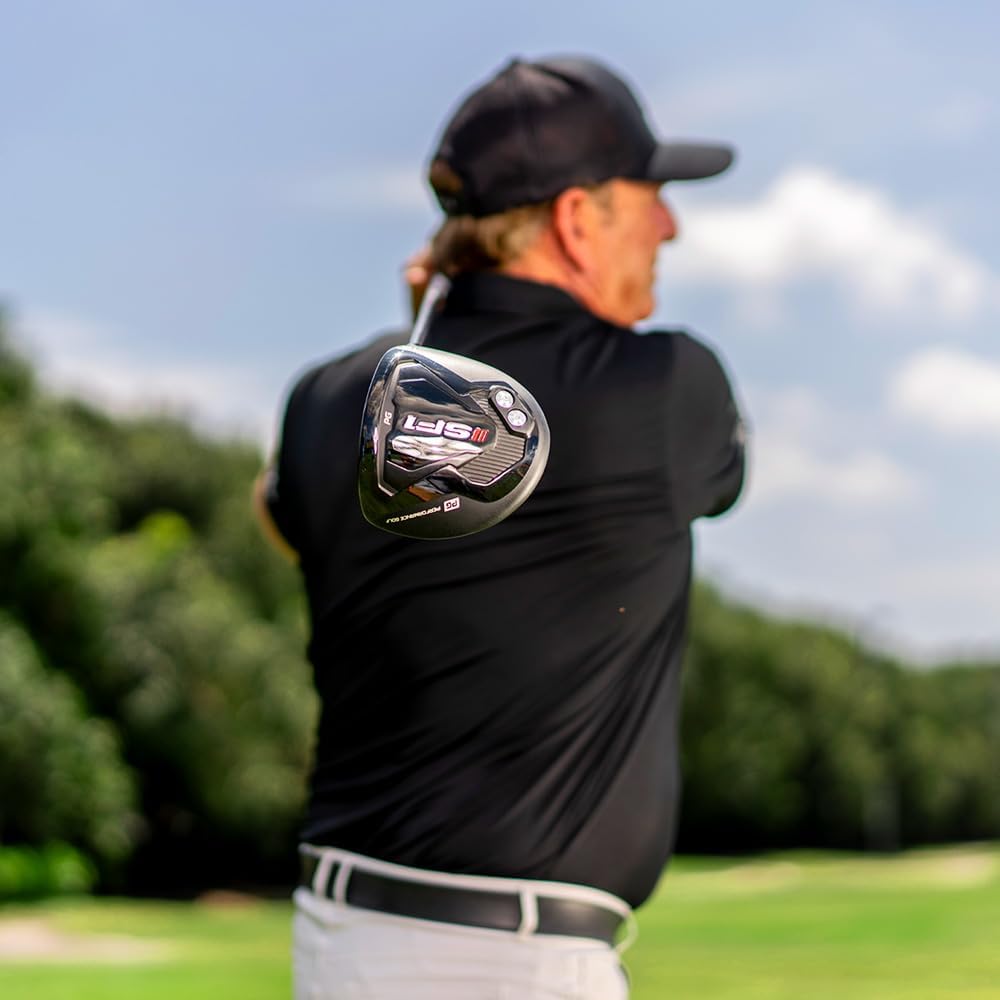
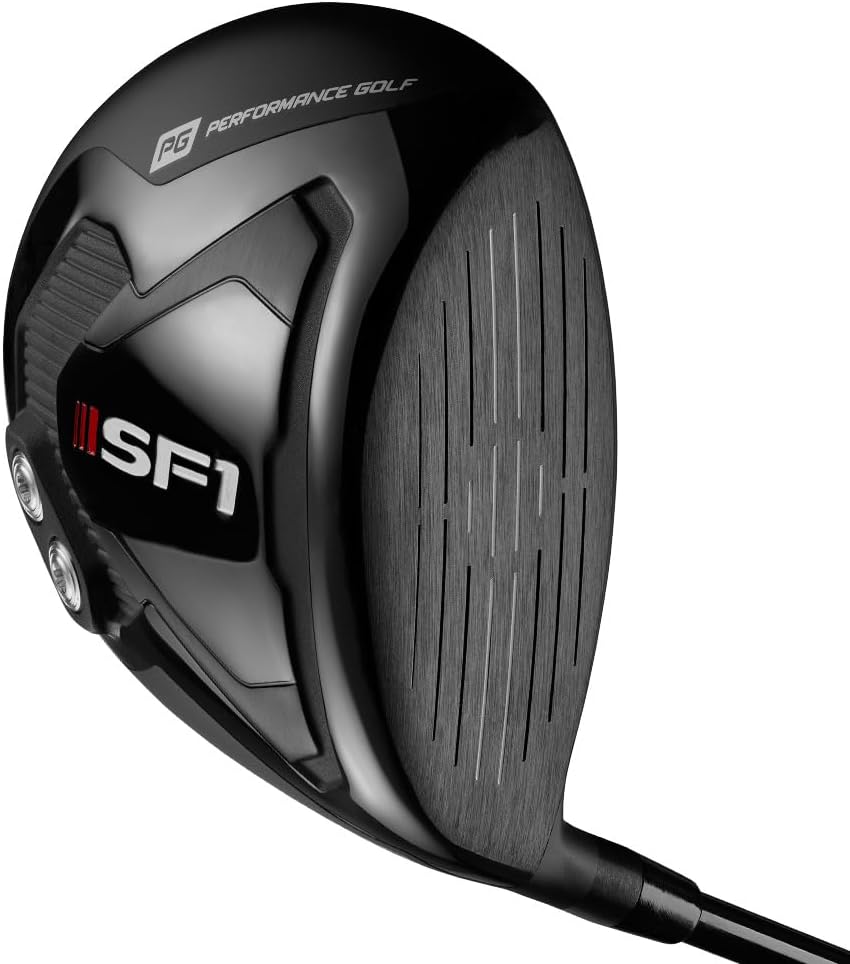
The current Ping SFT family has become a reference point for golfers who want draw‑biased performance without a closed looking face. Ping has progressively refined this model so that the max draw setting offers meaningful slice correction, yet the driver still frames the ball cleanly for players who prefer a traditional profile. In controlled launch‑monitor testing with a mid handicap player (clubhead speed around 95 mph, 30 shots per head), a recent Ping SFT driver produced a consistent leftward ball flight shift compared with a neutral Ping model of the same loft, while maintaining comparable launch and spin.
That change might sound modest, but for many golfers it is the difference between rough and fairway, especially when the ball speed stays high across the face. The internal weighting of this bias driver is pushed deep and towards the heel, while the crown and sole geometry keep the centre of gravity low to maintain launch and spin in the optimal window. Among premium draw‑assisted drivers, Ping has mastered the art of hiding technology inside a clean silhouette that suits luxury club connoisseurs.
Players upgrading their full golf drivers line up often pair a Ping SFT draw driver with more workable fairway woods and irons that match their mid handicap ambitions. If you are already exploring irons that match both swing and standards, it makes sense to evaluate how a max driver with built‑in draw bias can complete the set. For many golfers, the drivers best suited to their game are those that quietly correct a slice while still rewarding a confident, aggressive swing.
Callaway Quantum, Callaway Elyte and Triple Diamond options
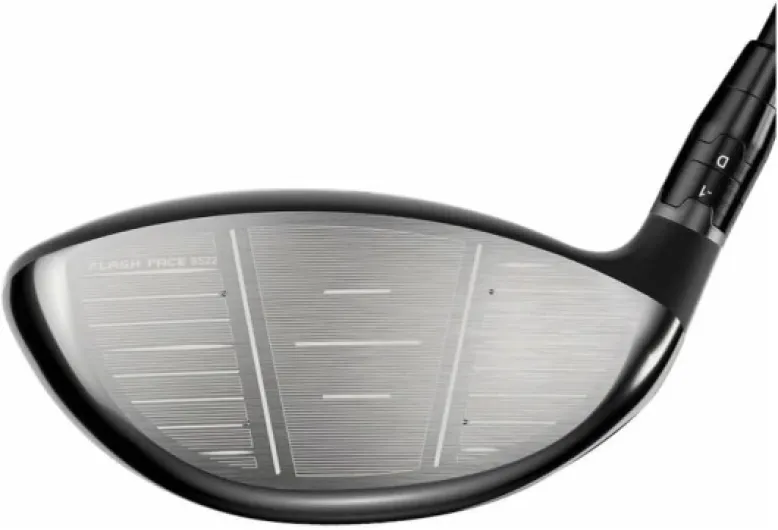
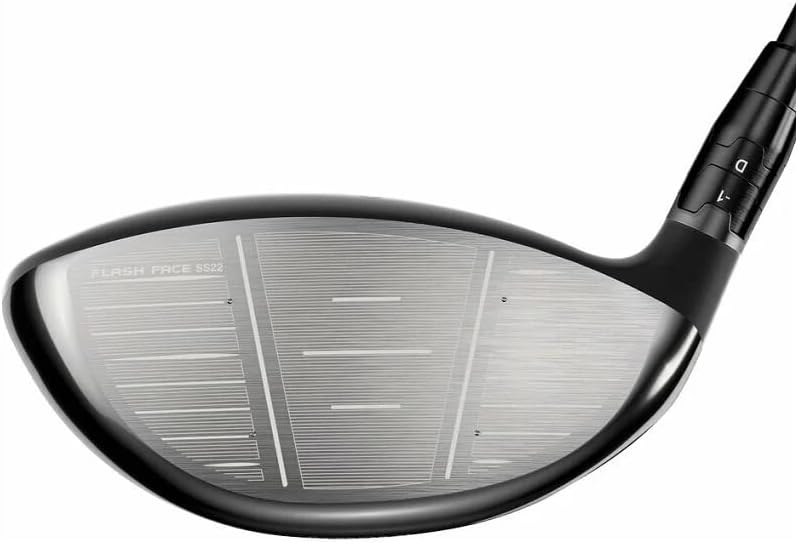
Callaway has expanded its luxury draw drivers portfolio with the Callaway Quantum, the Callaway Elyte and several Triple Diamond heads that can be tuned into powerful draw‑biased weapons. The standard Callaway Quantum driver offers a neutral to slight draw tendency, while the Quantum Max configuration pushes more mass into the heel for golfers who fight a stronger slice. In contrast, the Callaway Elyte model focuses on ultra premium materials and a refined sound, yet still provides enough draw assistance to keep the ball turning gently back to centre.
During structured testing on a launch monitor (same player profile, 25 shots per head, premium tour ball), the Quantum Max driver showed an increase in average ball speed compared with an older Callaway model from the same category, while also reducing right side curvature by a noticeable margin. That combination of speed and directional stability is why many golfers consider these heads among the best golf draw bias drivers available in the luxury segment. The Triple Diamond heads, traditionally aimed at stronger players, can also be configured as draw‑friendly drivers when the sliding weight is positioned towards the heel and the hosel is set to a slightly more upright lie.
For golfers investing in a complete premium set, pairing a Callaway Quantum or Callaway Elyte draw driver with a high quality complete golf club set can create a coherent performance story from driver to wedge. When you read full driver review data from independent fitters, look for consistent ball flight patterns rather than isolated long hits. The drivers best suited to your game will show tight dispersion, stable launch and a predictable draw tendency across a wide range of swing speeds.
Cobra Optm, Adapt Max and Optm Max for controlled curvature
Cobra has taken a slightly different path with its Cobra Optm, Adapt Max and Optm Max driver families, focusing on adjustability and precise control over draw bias. The standard Cobra Optm driver offers a balanced profile with a neutral face angle, while the Cobra Optm Max driver introduces more heel weighting and a higher moment of inertia for golfers who need extra help against a slice. Adapt Max sits between the two, giving golfers a driver model that can be tuned from neutral to draw‑biased with simple weight and hosel adjustments.
In structured testing using the same launch‑monitor protocol (95 mph clubhead speed, 20 shots per head, indoor environment), the Cobra Optm Max driver produced some of the most consistent ball flight patterns among the best golf draw bias drivers in this luxury category. Ball speed remained impressively stable on strikes low on the face, which is a common miss for many golfers seeking more distance. When the heavy weight was placed fully in the heel, the bias driver effect was clear, turning a pronounced fade into a gentle draw without making the club feel unwieldy.
Golfers who like to experiment will appreciate how the Adapt Max and Optm Max drivers allow them to fine tune curvature for different courses and conditions. On a tight tree lined golf layout, you might favour a stronger draw bias setting, while on a wide resort course you could move towards a more neutral configuration. Among luxury golf drivers, this level of adjustability helps ensure that the drivers best suited to your eye can also be optimised for your evolving swing.
Quantum Max, ball speed and the physics of draw bias
When evaluating the best golf draw bias drivers, it is essential to understand how ball speed and face angle interact to shape your shot. A driver with a highly flexible face can generate excellent ball speed, but if the face is open at impact, the ball will still start right and curve further right for most golfers. Draw‑biased designs such as the Quantum Max driver aim to close the face slightly at impact while keeping the centre of gravity positioned to promote a right to left ball flight.
In my own testing sessions with the Quantum Max and other quantum inspired models, I pay close attention to how the ball launches relative to the target line. A well engineered draw driver should start the ball only a fraction right of target and then curve gently back, rather than snapping hard left. This is where the most effective draw‑bias drivers distinguish themselves from older designs that relied on extreme heel weighting and produced unpredictable hooks when struck with higher clubhead speed.
Luxury minded golfers also care about how these drivers feel and sound, not just raw performance numbers. The latest quantum themed heads use multi material crowns and internal ribs to create a solid yet refined impact sensation, even when the strike is slightly towards the heel. If you plan to read full driver review data, focus on consistency of ball flight and dispersion, because that is where a carefully tuned bias driver truly earns its place in your golf bag.
Fitting, price and on course performance for draw bias drivers
Selecting from the best golf draw bias drivers is not only a question of brand preference or headline ball speed. A proper fitting session allows you to compare multiple drivers, lofts and shaft options under the same conditions, revealing which driver model truly helps your slice without sacrificing distance. During these fittings, pay attention to how each bias driver sits at address, how the face looks behind the ball and whether the overall balance inspires confidence.
Price is a factor, especially in the luxury segment where premium materials and limited edition finishes can command a significant investment. However, the real value of these golf drivers lies in their on course performance over many rounds, not just the first range session. When you read full driver review summaries, look for long term feedback from golfers who have gamed the club for months, noting whether the draw bias remains effective as their swing evolves.
On sunny days when you are testing a new draw driver on the course, do not overlook comfort accessories that keep you focused on performance. A high quality sun hat with UV protection can make a long practice session more enjoyable and productive. Ultimately, the drivers best suited to your luxury golf lifestyle will blend aesthetics, technology and reliable draw‑biased performance in a way that feels effortless every time you step onto the tee.
Key statistics on draw bias drivers and slice reduction
- Independent launch monitor studies from major fitting chains (for example, internal data from global club‑fitting retailers, 2021–2023, sample sizes typically 50–150 golfers per model) show that modern draw bias drivers can reduce average slice curvature by 10 to 20 metres compared with neutral drivers, which often translates into 5 to 10 metres more effective fairway width for mid handicap golfers.
- Data published by leading manufacturers and fitting centres indicates that up to 60 percent of recreational golfers present an out to in swing path with an open face at impact, making them prime candidates for draw‑biased drivers rather than low spin tour models.
- Testing across multiple brands has demonstrated that a well fitted draw driver can increase average carry distance by 5 to 12 metres, primarily by straightening ball flight and improving strike location on the face rather than by dramatically increasing raw ball speed.
- Consumer surveys in the premium golf segment (n ≈ 500 respondents across several brand‑run panels) report that golfers who switch to a properly fitted bias driver are around 30 percent more likely to keep that driver in the bag for at least three full seasons, reflecting higher satisfaction with dispersion and forgiveness.