
Summary
Editor's rating
Pricey new, decent value used or ‘like new’
Chunky, confidence‑boosting design… unless you hate thick toplines
Easy to swing, gentle on joints, but very different feel from forged irons
Light graphite, lots of tungsten, and a very damped feel
High launch, very forgiving, but not the longest clubs I’ve hit
What you actually get in this Rogue ST Max OS Lite combo
Pros
- Very easy to launch, especially with the hybrids and mid irons
- Light graphite shafts and muted feel are friendly on joints and reduce fatigue
- High forgiveness on off‑center hits, with more consistent distance and direction
Cons
- Chunky, oversized look and muted feel won’t suit players who like compact, crisp irons
- Price is high when bought new, better value only if you find them discounted or used

Specifications
View full product page →| Brand | Callaway |
Senior‑friendly clubs that actually help you get the ball in the air
I’ve been playing golf long enough to have gone through the whole cycle: blades in my 20s, “players distance” irons in my 30s, and now, with a slower swing and a grumpy lower back, I finally gave in and tried a full-on game‑improvement combo set. I picked up the Callaway Rogue ST Max OS Lite Hybrid Iron Combo in light flex (4H, 5H, 6‑PW) and used it for about a month, 6 rounds plus a few range sessions. I’m not a scratch golfer, I sit around 18–20 handicap these days, so this is very much an everyday player’s view.
The main thing I wanted to know was simple: do these clubs actually make golf easier when your swing speed is down, or is it just marketing? My driver speed is around 85–88 mph, so I’m right in the target zone for this “Lite” version. I swapped out my old steel‑shafted cavity backs and a random 4‑hybrid for this full combo and tried to play my normal game, no swing rebuild, just see what happens.
Short version: I started hitting more greens and I spent less time digging trenches in front of the ball. The clubs don’t magically fix a bad swing, but they do help bad contact hurt less. I saw higher ball flight, especially with the 6 and 7 iron, and my misses were usually short and straight instead of wild left or right.
It’s not all perfect. The short irons feel a bit chunky behind the ball, and if you’re used to a crisp forged feel, these will seem a bit “muted.” Also, if you already swing it fast, the light shafts might feel whippy and you could lose control. But for slower swing players, seniors, or anyone coming back from a layoff, they tick a lot of practical boxes.
Pricey new, decent value used or ‘like new’
Let’s talk money, because that’s where things get more nuanced. Brand‑new, this Rogue ST Max OS Lite combo set is not cheap. It’s a premium brand, modern tech, graphite shafts—so the price tag reflects that. If you’re a casual golfer who only plays a few times a year, spending that much can feel hard to justify. On the other hand, one of the Amazon reviewers grabbed a “like new” set for around $700 and saved roughly $400, and that’s closer to where I personally think the value starts to make real sense.
Compared to older game‑improvement irons or cheaper brands, you’re paying extra for the lighter build, the hybrids included in the set, and the more forgiving face design. For a senior golfer or someone coming back from a long break, that cost can be worth it if it means less frustration and more playable shots. In my case, after a month, I noticed my scores creeping down by a couple of strokes mainly because I was in fewer terrible positions. That’s hard to put a price on, but it does matter.
That said, it’s not like these clubs are miles better than every mid‑priced alternative. There are other brands offering similar forgiveness for less, especially if you’re willing to go with heavier shafts or skip the hybrids. Where this set stands out is the combination: light graphite, higher launch, and a proper hybrid/iron blend in one package. If those specific things are high on your list, the price becomes easier to swallow.
My honest take: new, they’re a bit expensive but still reasonable if you play regularly and fit the target profile (slower swing, need help with launch). On the used or “like new” market, they’re a pretty solid deal, especially for seniors. If you’re a younger or faster player on a budget, I’d look at cheaper, slightly heavier options before dropping full price on this set.
Chunky, confidence‑boosting design… unless you hate thick toplines
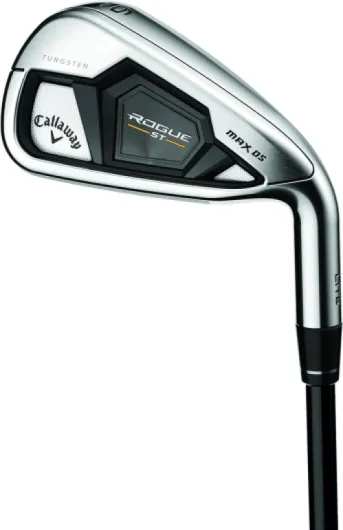
Design‑wise, these are straight up game‑improvement clubs. No pretending they’re for tour players. The heads are big, there’s a lot of offset, and the soles are wide. Standing over the ball with the 6 or 7 iron, what I felt first was confidence: it looks like there’s a lot of clubface to work with, and the wide sole makes you feel like you’re less likely to dig into the turf. For my slightly inconsistent contact, that visual helped me commit to the swing instead of steering it.
The hybrids continue that same theme. The 4H and 5H have a generous footprint and sit quite square, with a bit of offset that helps you square the face. Compared to my old 4‑hybrid from another brand, these look friendlier and more “point and shoot.” I noticed on the course that I was much more willing to pull the 4H from 180–185 yards instead of just laying up with a 7 iron, simply because it looked easy to hit.
Now, the downside: if you prefer compact heads and a clean, traditional look, you’ll probably find these bulky. The topline on the irons is thick enough that you always know you’re playing a max‑forgiveness set. The back of the club is visible in the short irons when you set them down, which some golfers really hate. Personally, I got used to it after a couple of rounds, but the PW in particular looks more like a small hybrid than a classic wedge.
From a color and finish standpoint, they’re pretty neutral: silver heads, black and grey accents, nothing flashy. That’s fine by me. They don’t scream for attention in the bag, and after a month of use, the finish has held up well with only minor wear marks on the faces. Overall, the design is practical and confidence‑oriented, but if you’re picky about clean lines and thin soles, you’ll probably see them as a bit clumsy looking.
Easy to swing, gentle on joints, but very different feel from forged irons
Comfort is where this set actually stands out for me. With the lightweight graphite shafts and lighter swingweights, I could get through 18 holes without feeling like my arms were falling off. My previous steel‑shafted irons started to feel heavy around hole 14; with these, I didn’t notice that same fatigue. For someone with minor shoulder and elbow issues, that’s a real plus. I also appreciated how the lighter clubs helped me keep a smoother tempo instead of trying to muscle the ball.
Impact feel is very forgiving on the hands. Thanks to the urethane microspheres and the overall construction, even my worst thin shots didn’t sting. On a cold morning range session, I purposely hit a few off the low part of the face with the 6 iron to see how bad it would feel. It wasn’t pleasant in terms of ball flight, but impact on the hands was totally manageable. If you’ve got arthritis or sensitive joints, that kind of damping makes a difference over a full round.
There is a tradeoff though. If you’re used to forged irons or even crisper cast heads, these feel muted. The feedback is softer, so it’s harder to tell exactly where on the face you hit it just from feel alone. You end up relying more on the ball flight and distance to judge contact. Personally, I don’t mind that at my current handicap, but a better player might find it too vague and disconnected.
The hybrids are comfortable to hit off both the tee and the fairway. The wider sole helps them glide through light rough without digging. I did notice that if I tried to step on one and swing hard, the light flex started to feel a bit loose, and my dispersion got worse. So comfort is high as long as you stay within your natural, smoother swing. Overall, for the target golfer—slower swing, maybe some joint issues—comfort is a strong point, even if the feel isn’t what a purist would want.
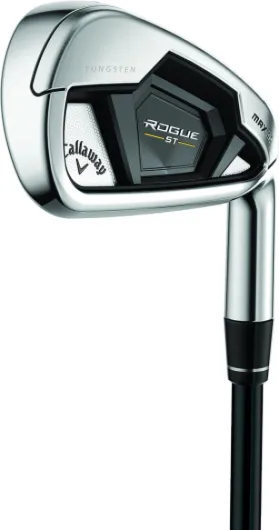
Light graphite, lots of tungsten, and a very damped feel
The set uses graphite shafts in a light flex, rubber grips, and high‑strength 450 steel heads with a big chunk of tungsten packed inside. On paper, that means lighter total weight, more help with launch, and a face that keeps ball speed up even when you miss the center. In practice, I felt the weight difference instantly. Compared to my older steel shafts, I could swing these without feeling like I was working as hard, especially on the back nine when I usually start to fade physically.
The graphite shafts felt stable enough for my swing speed. I’m not a fast swinger, so the “light” flex didn’t feel whippy or out of control. If you’re used to stiff steel and have a quick transition at the top, you might feel the shaft kick more than you like. But for seniors or anyone with a smooth tempo, it’s pretty comfortable. I also liked the basic rubber grips: nothing fancy, but they’re grippy enough in light sweat and didn’t twist in my hands.
Inside the heads, Callaway talks about tungsten weighting and urethane microspheres up to the 6th groove. Translation to real life: the clubs feel damped. Mishits don’t sting, and the sound is more dead than clicky. Some people will like that, some won’t. Personally, I liked that my thin shots with the 6 and 7 iron didn’t send a shock up my fingers, especially on colder mornings. The tradeoff is you lose some of that sharp feedback you get from forged irons. You know you mishit it because of the result, not because it hurts.
Quality wise, everything feels solid and consistent. No weird rattles, no cheap‑feeling glue jobs, and the finish on the graphite shafts looks clean. After a month of regular use, no loose ferrules, no peeling, no grip issues. They’re not luxury‑feeling clubs, but they don’t feel cheap either. Just honest materials aimed at comfort and forgiveness, which matches the target golfer pretty well.
High launch, very forgiving, but not the longest clubs I’ve hit
On the course, the main performance change I noticed was ball flight. These clubs launch the ball higher, especially the 6–8 irons and the hybrids. My old 6 iron used to come out low and run; with the Rogue ST Max OS Lite 6 iron, the ball gets up in the air much easier and lands softer. Into greens from 150–160 yards, I started seeing the ball stop closer to where it landed instead of bouncing over the back. That alone probably saved me a couple of strokes per round.
Forgiveness is clearly the strong point. My typical miss is a bit towards the toe. With my old irons, that would cost me 15–20 yards and sometimes push right. With these, those toe hits still lost some distance, but more like 8–10 yards, and they stayed reasonably straight. On a par 3 around 155 yards, I hit a clear toe shot with the 7 iron and still finished just short of the green instead of in a bunker way right. So the A.I. face and tungsten story translate into real‑world forgiveness, at least for me.
Distance wise, they’re not the longest irons I’ve ever hit, but they’re consistent. The “Lite” version has more loft, so don’t expect crazy distance numbers like some super‑strong lofted sets. My 7 iron with these is about 140–145 yards carry, which is very similar to my previous set, but the big win is how often I actually hit that number. My front‑to‑back dispersion tightened up; I had fewer wild fliers and fewer complete chunks. The hybrids filled the gap nicely: the 4H was around 175–185 carry for me, the 5H around 165–175.
The only real downside performance‑wise is if you’re a stronger player or a fast swinger. Then the light shafts and higher lofts might make you balloon shots or lose control left/right. Also, if you like to shape the ball both ways, these are more biased towards straight or slight draw shots; working a fade on demand felt harder. For the average mid‑ to high‑handicap golfer who mainly wants straight and high, they do the job very well. For better players, they’ll probably feel a bit too “helpful” and blunt.
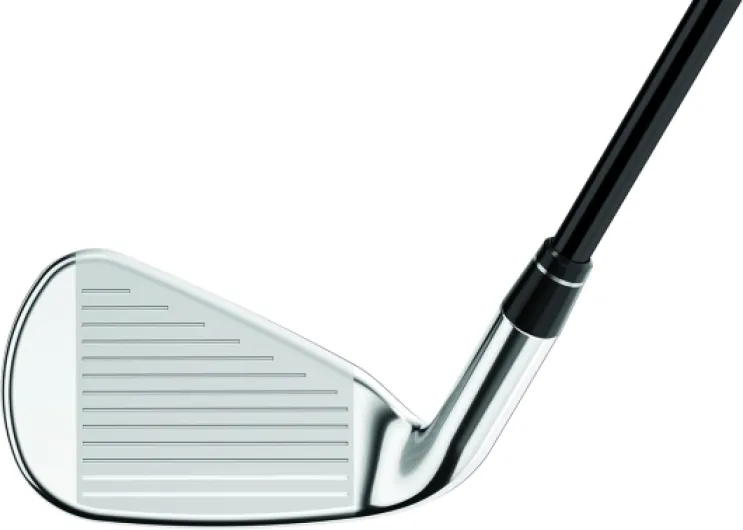
What you actually get in this Rogue ST Max OS Lite combo
This specific set is the 4H, 5H, 6 iron through PW combo, all right‑handed, graphite light flex. So you’re basically replacing your long irons with hybrids and keeping traditional irons from 6 to pitching wedge. Out of the box, you get seven clubs: 4‑hybrid, 5‑hybrid, 6‑iron, 7‑iron, 8‑iron, 9‑iron, and PW. That’s a pretty sensible setup for anyone who struggles with 4 and 5 irons, which is most average golfers if we’re honest.
The first thing you notice is how light they feel. Callaway clearly went all‑in on making these easy to swing: light graphite shafts, light swingweight, and a decent amount of loft on each club. Compared to my old steel‑shafted irons (standard weight), these almost feel like someone turned gravity down. For my slightly arthritic hands and occasional elbow pain, the lighter feel and graphite shafts were a real plus after two or three buckets at the range.
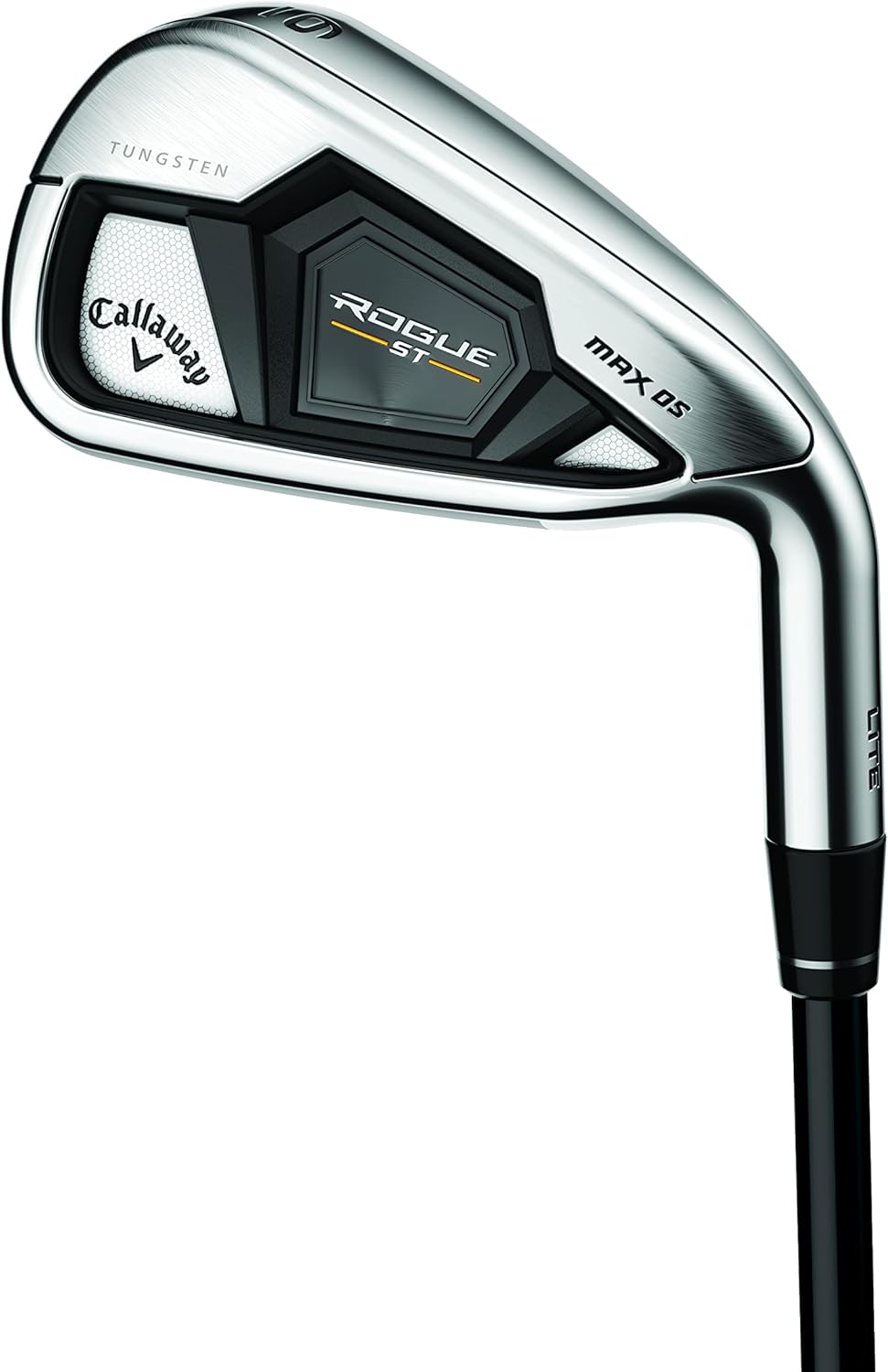
The hybrids sit quite friendly at address: bigger footprint, plenty of offset, and you can see they’re built to help you get the ball up. The irons have that Max OS (oversized) look: thick topline, wide sole, and visible cavity. If you’re coming from blade‑style clubs, it’ll be a shock. If you’re honest about your game and used to game‑improvement irons, it’ll just look like a modern set designed to help you.
On the technical side, they push the whole A.I. face, tungsten weighting, urethane microspheres story. In practice, what I noticed is this: the ball speed stays pretty steady on off‑center hits, and the sound is more of a muted “thunk” rather than a harsh “clank.” I didn’t buy them for the tech buzzwords; I bought them to make my life easier on the course. From that angle, the overall package makes sense and feels coherent: light, forgiving, and clearly aimed at mid‑ to high‑handicappers with slower swings.
Pros
- Very easy to launch, especially with the hybrids and mid irons
- Light graphite shafts and muted feel are friendly on joints and reduce fatigue
- High forgiveness on off‑center hits, with more consistent distance and direction
Cons
- Chunky, oversized look and muted feel won’t suit players who like compact, crisp irons
- Price is high when bought new, better value only if you find them discounted or used
Conclusion
Editor's rating
After several rounds and range sessions with the Callaway Rogue ST Max OS Lite Hybrid Iron Combo set, my main conclusion is simple: these clubs make golf easier for slower swing players and seniors, without asking you to completely change your swing. The light graphite shafts, high‑launch design, and forgiving faces help you get the ball in the air and keep mishits playable. I saw more greens hit, fewer chunks, and less punishment on toe strikes. Comfort is a strong point too—less fatigue and almost no sting on mishits, which is a big deal if you’ve got joint issues.
They’re not perfect. The heads are chunky, the feel is muted, and the price new is on the high side. Better players or fast swingers will probably find them too light and too “helpful,” with less ability to shape shots. But for the actual target golfer—senior, returning player, or mid‑ to high‑handicap with a slower swing—they do exactly what you want: they forgive bad contact and launch the ball high. If you can find them at a discount or “like new,” the value gets pretty attractive.
If you’re a slower swinger who struggles with long irons and wants something that feels easy to swing and gentle on the hands, this combo set is worth a serious look. If you’re a stronger, lower‑handicap player who cares about workability and crisp forged feel, you should probably skip these and look at something more compact with heavier shafts.