
Summary
Editor's rating
Value for money: great on sale, so-so at full price
Tight cut, high neck, and a few small details that matter
Comfort: warm and second-skin tight, but not for everyone
Thick, synthetic, and built more for warmth than for looks
Durability: good overall, but keep an eye on the seams
Performance in the cold: where it actually shines
What you actually get when you buy this thing
Pros
- Genuinely warm for winter thanks to the brushed interior and mock neck
- True compression fit that stays in place and doesn’t ride up during training
- Good sweat-wicking and decent odour control for a synthetic base layer
Cons
- Tight compression feel won’t suit people who prefer relaxed clothing
- Some minor seam fluffing that raises questions about long-term finish
- Value is good on sale but less convincing at full retail price

Specifications
View full product page →| Brand | Under Armour |
A winter base layer that actually keeps you warm
I grabbed the Under Armour Mens CG Comp Mock Top (ColdGear, XL, white/black) mainly for winter runs and for standing around on the touchline at football and rugby. I’m not sponsored, I paid for it myself, and I went in already owning a couple of cheaper base layers from Decathlon and random Amazon brands. So this one had to justify the higher price, otherwise it was going straight back.
In practice, I’ve been using it for a few weeks in typical cold, damp UK weather: early morning runs around 0–5°C, some outdoor gym sessions, plus just wearing it under a hoodie when working from home to avoid turning the heating up. So I’ve had it on in different situations, not just a five-minute try-on in front of the mirror.
The first impression when you pull it on is: this is proper compression, not a loose long-sleeve top pretending to be performance gear. It hugs everything – chest, arms, and especially the midsection. If you hate tight clothing, you’ll probably hate this. If you like that second-skin feel, you’ll be happy. The XL on me (around 44" chest) feels snug but not suffocating.
Overall, my honest take so far: it’s warm, fits close, and feels like a decent quality piece of kit, but it’s not perfect. There are small stitching and pricing quirks that bug me a bit. Still, it’s clearly a step up from the bargain-basement stuff, especially when the temperature drops and the wind picks up.
Value for money: great on sale, so-so at full price
Let’s talk money, because that’s where opinions will differ. Under Armour pricing on Amazon jumps around a lot. I picked this up on discount at around £20, and at that price I think it’s good value. You get proper warmth, a real compression fit, and a brand that usually lasts longer than the random no-name stuff. Compared to cheaper base layers I’ve owned (£8–£12), this one is noticeably warmer, fits tighter, and feels more reliable in terms of shape and stretch over time.
If you’re looking at it closer to £30–£50, my view is more mixed. At the higher end of that range, it starts to compete with decent merino base layers or premium alternatives where you get more natural feel and sometimes better long-term comfort and smell control. At that point, you’re paying partly for the UA logo and the specific compression style, not just raw performance. It still works well, but the value argument is weaker.
For someone who trains outdoors a lot in winter – runners, rugby players, people working outside – and who actually likes compression gear, this top earns its keep, especially if you grab it on sale. It’s the sort of item where owning two or three and rotating them through the week makes sense, and the cost per use drops quickly once you wear it regularly.
If you only occasionally go out in the cold or you hate tight clothes, I’d say save your money and get a cheaper, looser thermal top instead. The extra you pay here only makes sense if you’ll actually use the compression and the warmth often. So: good value on discount, borderline at full RRP. I’d personally only buy more when it dips under that £20–£25 mark.
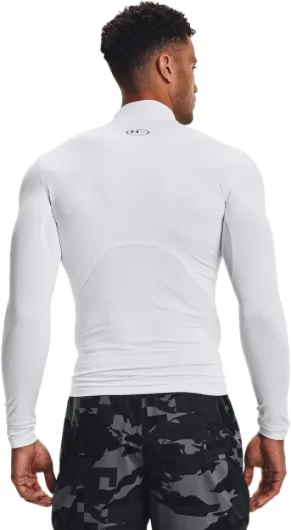
Tight cut, high neck, and a few small details that matter
Design-wise, this top is pretty straightforward, but a few things stand out once you actually use it. First, the mock neck: it’s high enough to cover the base of your neck and stop drafts, but not a full-on turtleneck that folds over. I’m usually sensitive to tight collars, and older UA tops used to choke me a bit. This one is better – snug but not strangling. After an hour of running, I didn’t feel like ripping it off, which is already a win.
The compression cut is serious. The torso is close-fitting all around, and the sleeves are slim right down to the wrists. If you’ve got skinny arms, it still grips nicely, which you don’t always get with cheaper brands. For reference, I’m about 5’11, 85–86 kg, with a bit of a belly, and XL is tight but workable. It does the classic compression thing of “smoothing” the midsection a bit, but don’t expect it to hide a big gut – it just holds everything in place.
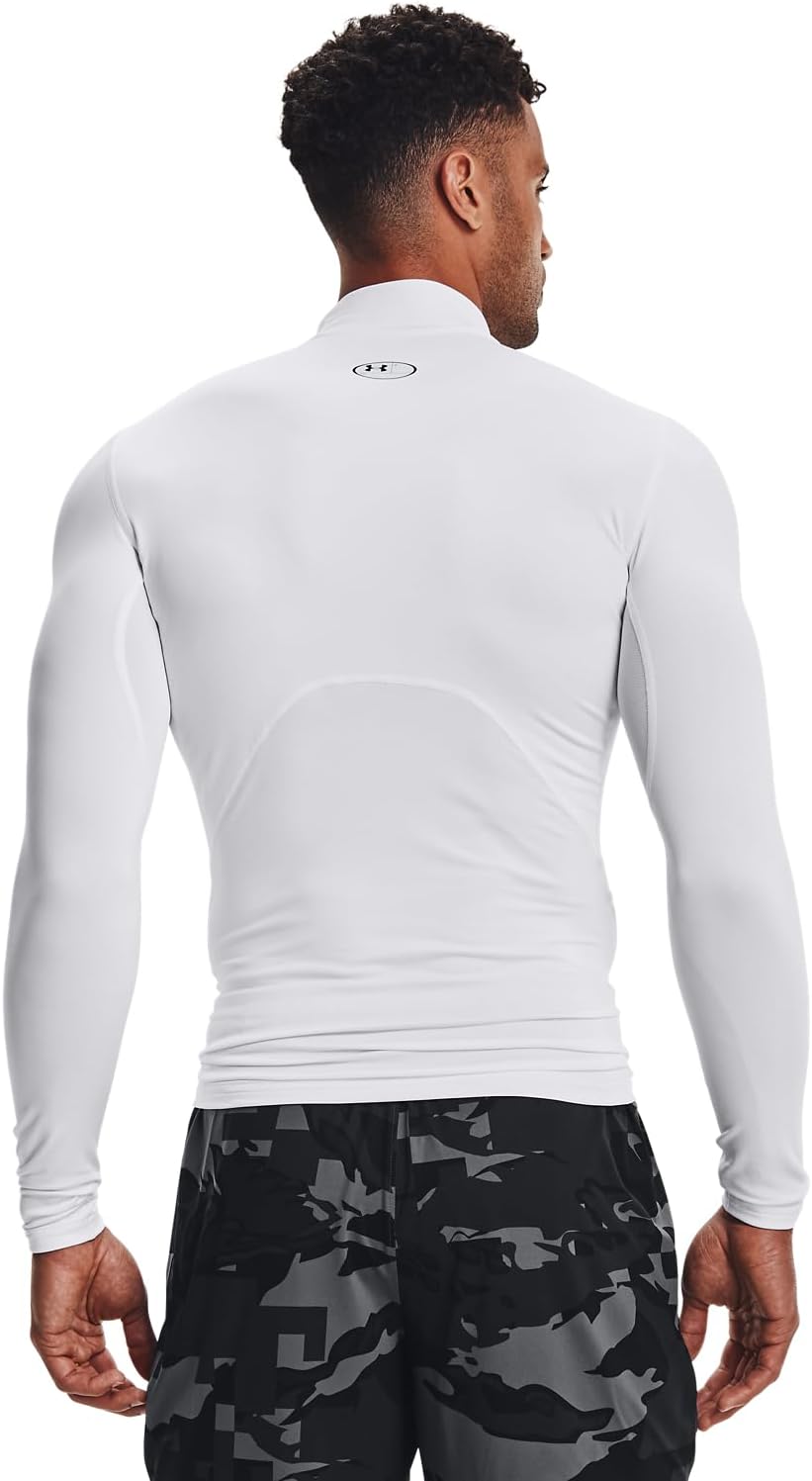
There are also mesh-style panels on the back and under the arms to help with ventilation. You don’t see them much in the white version, but you feel the difference when you start sweating: those areas don’t get as swampy as a fully solid fabric would. The seams are placed so they don’t rub much under the arms or around the shoulders, even when you’re swinging your arms a lot. One minor downside: on one sleeve, the seam from armpit to cuff started to fluff slightly after a few washes. Nothing ripped, but it doesn’t scream premium when you look closely.
Overall, the design is function-first: tight, simple, and focused on warmth and mobility. It’s not going to win style awards, but for training and outdoor work, it’s laid out in a way that makes sense. Just be ready for that proper skin-hugging look – this isn’t forgiving if you’re self-conscious about your shape.
Comfort: warm and second-skin tight, but not for everyone
Comfort is very subjective with this kind of top, and it really depends on whether you like compression clothing. Personally, I like a tight base layer in winter, and this one hits that mark. Once it’s on, it feels like a second skin: no big folds, no loose patches, everything is held in place. During runs in 0–5°C with just this and a light jacket, my core stayed warm without feeling like I was wrapped in a duvet.
The neck comfort is a strong point. Older UA mock necks used to feel a bit like a tight polo that you’d want to unbutton. This one is more forgiving. It seals in warmth around the neck but doesn’t dig in or rub, even when you turn your head a lot. I wore it for a full morning outside doing some light coaching, and never felt like it was choking me. That lines up with a lot of other buyers saying the neck is smoother and less irritating now.
Where some people might struggle is getting it on and off, especially if you’re sweaty. Because it’s a proper compression fit and the fabric is thicker, pulling it off after a hard session can be a bit of a battle, especially around the shoulders. If you have shoulder issues or really hate tight clothing, that’s something to think about. Also, if you’re very self-conscious about your body, be aware: this top does not hide much. It shows outlines of everything – chest, belly, back.
For me, overall comfort is pretty solid: once it’s on, I forget about it and just feel warm and supported. No itching, no major chafing, and the inside fleece is pleasant against the skin. But you need to actively want that snug, compressive feel. If you prefer a relaxed long-sleeve, this will feel overkill and maybe a bit annoying.
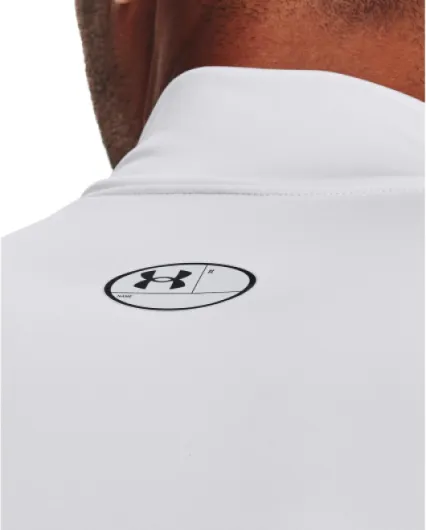
Thick, synthetic, and built more for warmth than for looks
The fabric mix is 87% polyester and 13% elastane, which is pretty standard for this kind of base layer, but the way it’s put together feels a bit more serious than the cheap Amazon stuff. The outside is smooth and slightly shiny, the typical performance-sport feel. The inside is where it stands out: you get a brushed, fleece-like interior that feels soft and traps heat really well. It’s not fluffy like a sweatshirt, but there’s a clear thermal layer compared to thin summer compression tops.
Because it’s a heavyweight stretch fabric, it does feel a bit thicker and denser when you first put it on. If you’re used to ultra-thin running shirts, this will feel more substantial. The 4-way stretch claim is fair: you can move your arms overhead, twist, and bend without the fabric fighting you. I did a full gym session with rows, presses, and pull-ups, and never felt restricted in the shoulders or chest.
On the technical side, Under Armour pushes the sweat-wicking and anti-odour angle. The wicking is decent: during a 45-minute run, sweat moved away from my skin and the top didn’t feel soaked, but it’s still a warm piece, so you will feel heat build-up if you overdress. For smell, it does better than basic polyester shirts. After a couple of sessions, it wasn’t rank, but if you’re doing back-to-back hard workouts without washing, it will eventually stink like any synthetic.
In terms of overall feel, I’d say the material is solid but clearly synthetic. If you want that natural, breathable vibe like merino wool, this is not it. But if you want something that keeps warmth in, stretches well, and handles machine washing without drama, the material choice here does the job. Just know it’s more about performance and durability than about feeling super soft and natural.
Durability: good overall, but keep an eye on the seams
On the durability side, I’d call it good but not bulletproof. The fabric itself feels sturdy. After several washes at 30°C and air drying (no tumble dryer), there’s no shrinking, no twisting, and the elasticity is still strong. The colour on the white version hasn’t turned grey or yellow yet, which is usually where cheaper tops start to look tired pretty quickly.
The main thing I’m watching is the seam quality. Like one of the Amazon reviewers mentioned, I also noticed a bit of fluffing on the stitching that runs from the armpit down the sleeve towards the cuff. It’s not fully fraying or coming apart, but you do see little fibres sticking out after some wear. It’s more a cosmetic annoyance at this stage, but it doesn’t give the feeling of something that will last 10 years without any issues.
That said, the high-stress areas – shoulders, neck, and hem – are holding up well for me so far. I’ve yanked it off when sweaty, which is usually when seams get stressed the most, and nothing has popped. The inner brushed surface hasn’t gone flat or bobbly yet either, which is nice because once that goes, you usually lose some warmth and comfort.
Realistically, if you’re using this regularly through the winter, I’d expect it to last a couple of seasons easily if you treat it decently: low-temp wash, no dryer, don’t rip it off like the Hulk. It feels tougher than cheap no-name compression tops, but it’s not indestructible. For the price I paid (on offer), I’m fine with the durability. At full RRP, I’d be a bit more picky about those seams.
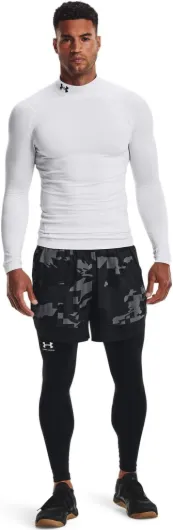
Performance in the cold: where it actually shines
In terms of pure performance, this is where the top makes more sense. I’ve used it for cold morning runs, outdoor gym sessions, and just walking around town under a hoodie. In temps around freezing with some wind, wearing this as a base layer plus a light mid-layer was enough to keep me comfortable without shivering. The brushed interior really helps trap a layer of warm air against your skin, which you notice especially when you stop moving and usually start to cool down.
The sweat management is decent but you still need to dress smartly. On a 45-minute tempo run, I definitely warmed up, but the fabric pulled moisture off my skin and spread it out. I never had that cold, clammy feeling you get with cotton. After the run, the top was damp but not dripping, and it dried fairly quickly once I got inside. It’s not magic – if you massively overdress, you’ll still feel hot – but as a base layer it behaves like it should.
For the gym, I like it under a loose T-shirt. It keeps the joints and muscles warm at the start, and as the session goes on, the mesh panels under the arms help a bit with ventilation. I didn’t notice any rubbing during presses or rows, and the long length at the waist stops it riding up when you lift your arms. For outdoor work or standing around on the sidelines, it takes the edge off the cold, especially in windy conditions.
So in practice, it does the basic performance job well: keeps you warm, lets you move freely, and handles sweat better than a normal shirt. It’s not some miracle tech piece, but if your main goal is staying warm and reasonably dry in winter training or outdoor tasks, it gets the job done without fuss.
What you actually get when you buy this thing
The official name is a mouthful: Under Armour UA CG Armour Comp Mock. In normal language, it’s a long-sleeve thermal compression top with a mock turtleneck. Mine is the white / black version in XL. Out of the bag, it looks pretty simple: plain white body, small UA logo, no flashy patterns or weird graphics. If you want something loud, this isn’t it – it’s very basic visually.
Under Armour sells it as a winter base layer for running, skiing, rugby, that kind of stuff. It’s part of their ColdGear line, so it’s meant for cold conditions, not summer. The label says 87% polyester, 13% elastane, and you do feel that synthetic, slightly slick texture right away. It’s not cotton-soft, but it’s smooth enough that it doesn’t scratch or itch, even when you start to sweat.
The cut is clearly designed to be tight: long sleeves, high neck, and a body that narrows in a bit at the waist. It’s not a fashion top; it’s meant to sit under other layers. On me, the XL comes down just below the hips, which I like because it doesn’t ride up when I’m running or doing overhead work at the gym. No thumb loops, no pockets, nothing fancy – just a straight performance piece.
In short, what you’re paying for is function more than looks. It’s a no-nonsense base layer that’s clearly built for sport and outdoor use. If you’re expecting some stylish lifestyle piece you can wear on its own to the pub, you might be a bit disappointed. As a hidden layer under a shirt, jersey or jacket, it makes a lot more sense.
Pros
- Genuinely warm for winter thanks to the brushed interior and mock neck
- True compression fit that stays in place and doesn’t ride up during training
- Good sweat-wicking and decent odour control for a synthetic base layer
Cons
- Tight compression feel won’t suit people who prefer relaxed clothing
- Some minor seam fluffing that raises questions about long-term finish
- Value is good on sale but less convincing at full retail price
Conclusion
Editor's rating
Overall, the Under Armour Mens CG Comp Mock Top does what it’s supposed to do: it keeps you warm, fits like a genuine compression layer, and handles sweat better than basic thermals. The brushed inside and snug mock neck make a clear difference in cold, windy conditions, whether you’re running, lifting, or just standing around outside. It’s not flashy, but it feels like a proper piece of winter training kit rather than just a long-sleeve T-shirt.
It’s not perfect, though. The compression fit is tight everywhere, so if you’re not into that second-skin feel, you’ll probably hate it. Getting it off when sweaty can be a bit of a wrestle, and the seams on the sleeves show minor fluffing earlier than I’d like. Also, the value depends heavily on the price you pay: at sale prices it’s a strong buy, at full RRP it’s more of a “maybe”.
I’d recommend this top to people who train or work outside in the cold regularly, like runners, rugby players, skiers, or outdoor workers, and who actually like compression clothing. If you just want something comfy and loose for lounging, or you only occasionally go out in low temperatures, a cheaper non-compression thermal will probably make more sense for you. For my own use – winter runs and cold days at the gym – I’m happy with it and would buy another one, but only when it’s on offer.