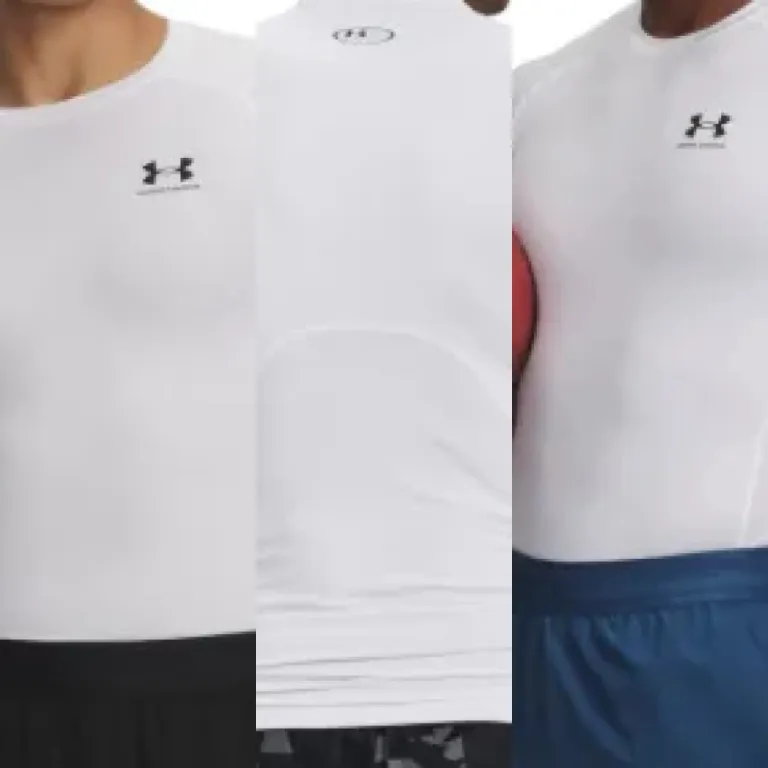
Necklines, sleeves, and style choices for luxury golf wardrobes
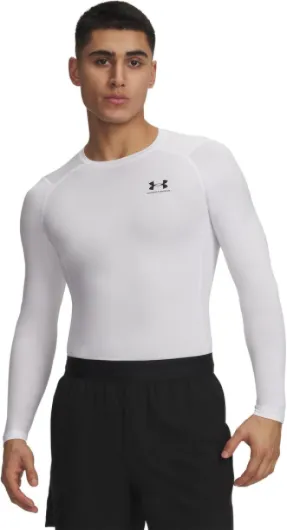
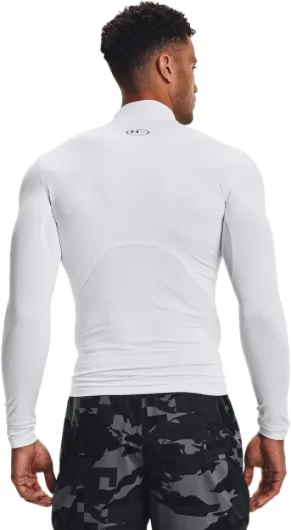
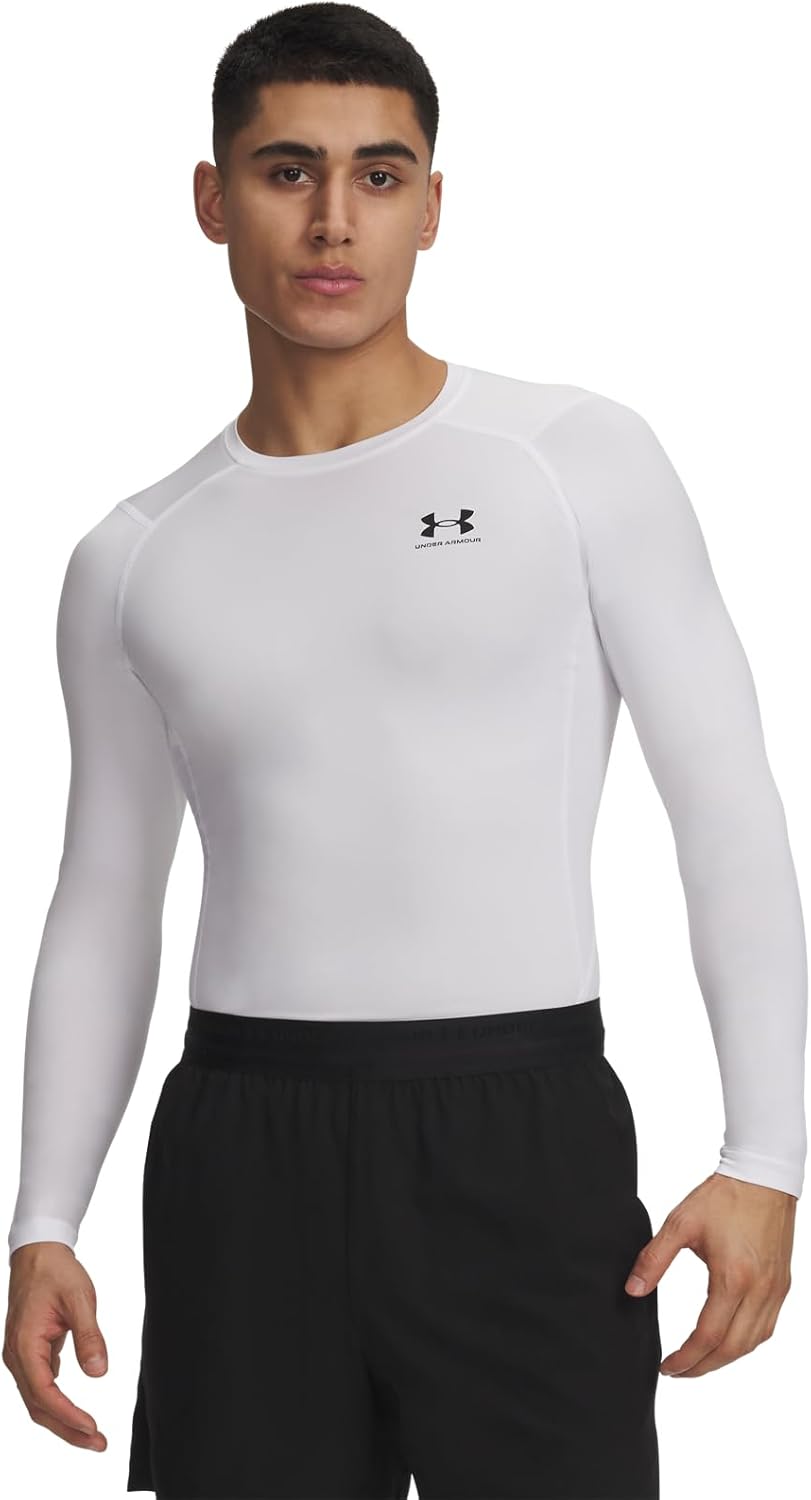
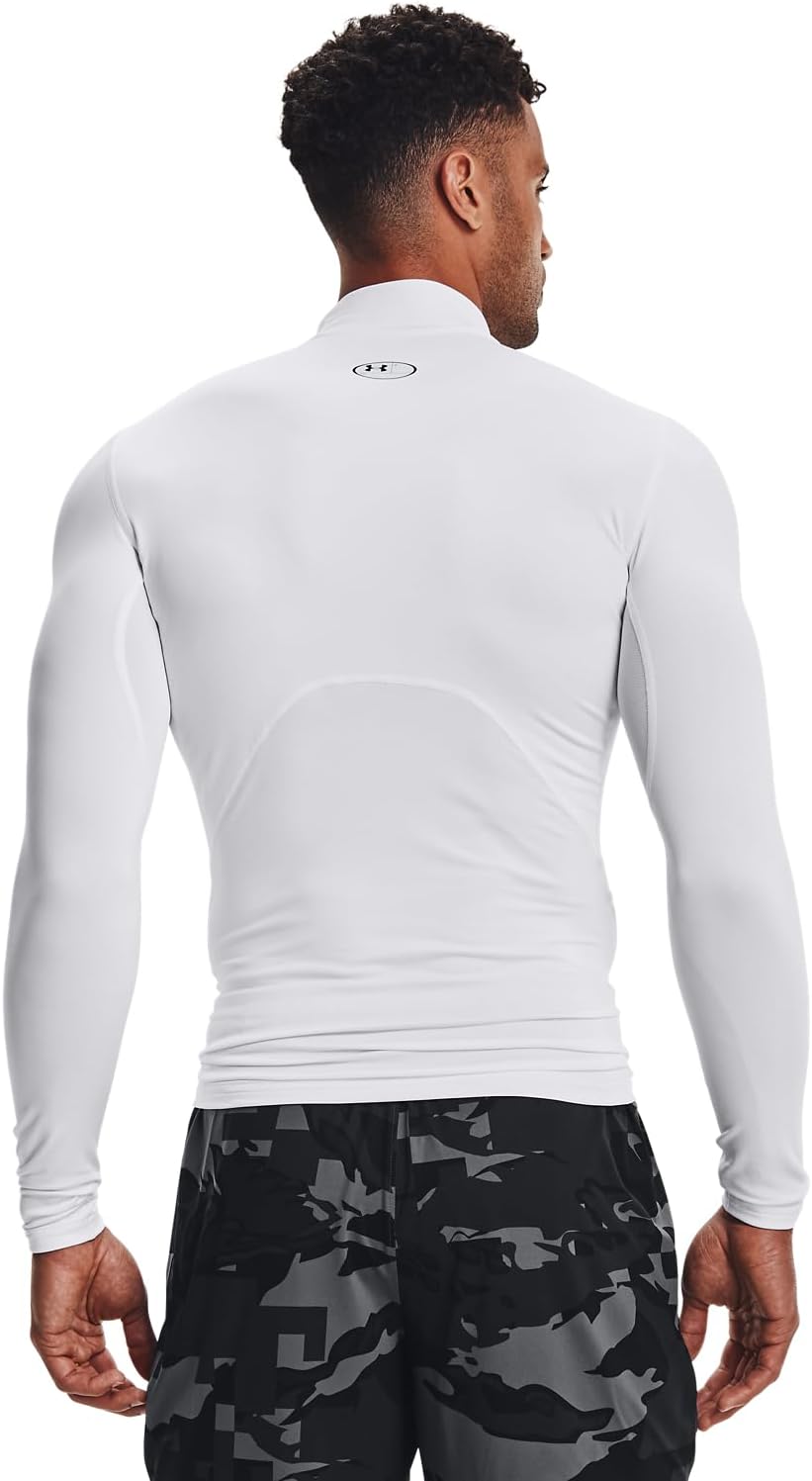
Neck design is one of the most important style decisions when selecting the best golf compression shirts. A classic crew neck base layer disappears under most polo shirts, while a mock neck or turtle neck compression shirt can frame the face and add a refined, modern line. On cooler golf outdoor mornings, a mock neck compression shirt under fine knitwear offers warmth without bulk and keeps the collar area looking clean when you remove a jacket or wind top.
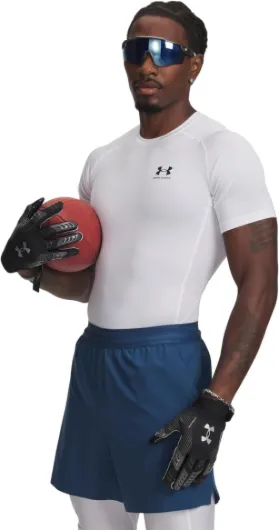
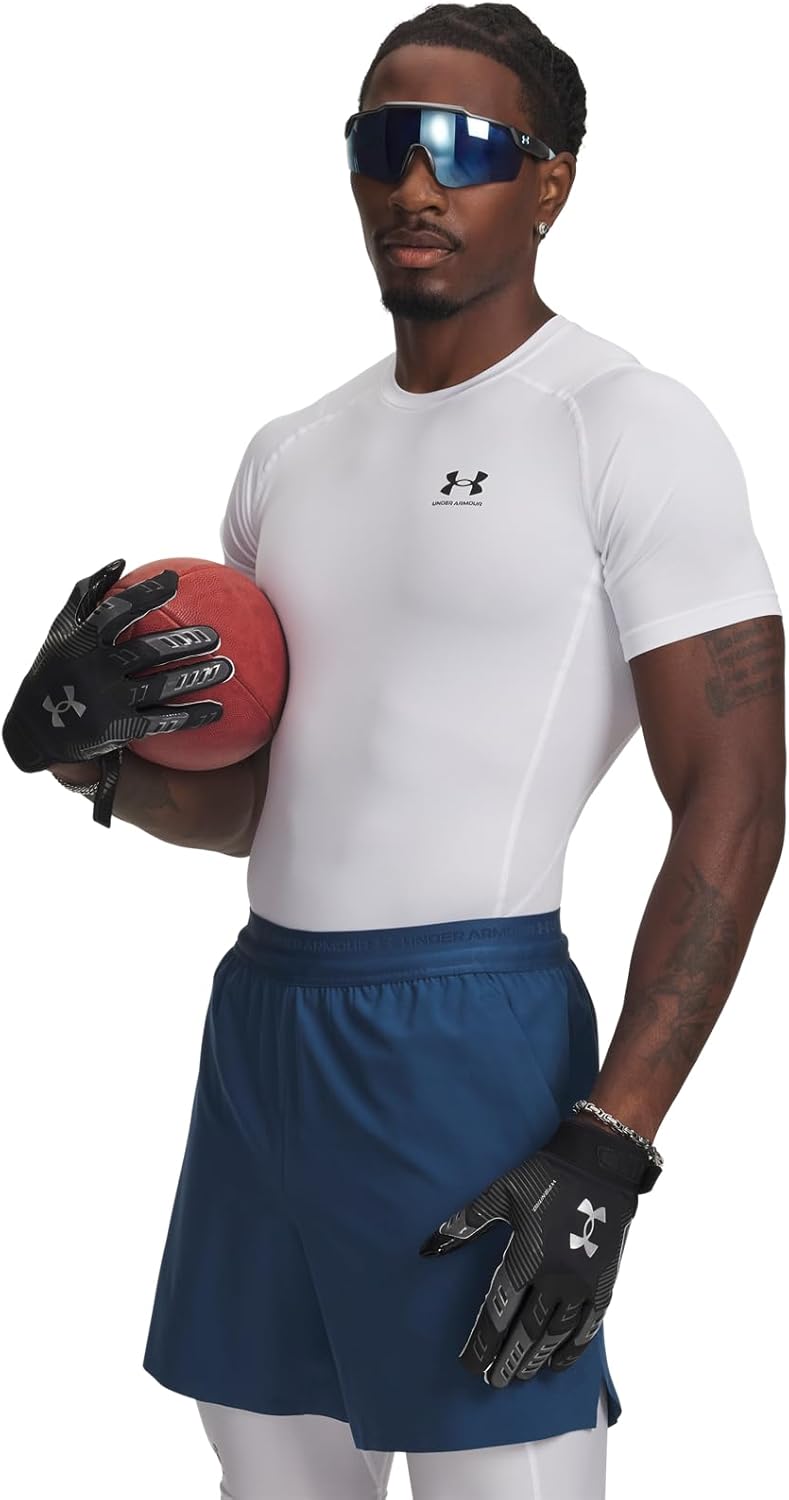
Short sleeve compression shirts are the most versatile option for men who play in varied climates. A short sleeve base layer works under tailored golf shirts in summer, then transitions under mid weight polo shirts or quarter zips when temperatures drop on the golf course. Long sleeve compression clothing comes into its own in windy conditions, where continuous coverage helps maintain body temperature and reduces the chill from evaporating moisture. Many golfers also appreciate long sleeves for added UV coverage on bright days when they prefer not to wear heavy outerwear.
Luxury brands now offer multiple collar and mock neck options within the same compression wear family. This allows you to build a coordinated set of products that match your preferred polo collar shapes and your existing golf shirts. For instance, you might pair a low crew neck with traditional button placket polos, reserve a mock neck for zip neck mid layers, and keep a taller turtle neck for very cold golf outdoor rounds. For a curated overview of current premium models and how they pair with different tops, you can consult a specialised guide such as the one on high end golf compression shirts before finalising your selection.
Balancing aesthetics and function in compression clothing
Luxury golfers expect compression wear to complement their overall look, not compromise it. The best golf compression shirts use subtle tonal logos, clean seams, and carefully graded colours that sit discreetly under refined polo shirts. When a base layer peeks out at the neck or sleeve, it should look intentional rather than accidental, echoing the colour of your outer golf shirts or contrasting in a deliberate, architectural way.
Colour choices also influence perceived heat and comfort on the golf course. Lighter shades reflect more sunlight and can help keep the body cool dry during peak summer rounds, while darker tones pair elegantly with classic navy or charcoal golf shirts. Many men now keep both light and dark compression shirt options in their rotation so they can match the day’s light, temperature, and outfit. A simple system is to reserve white or pale grey for hot, high sun days and use black, navy, or deep green compression clothing when wind, cloud cover, or late tee times are likely.
Fit is the final aesthetic and functional variable that defines true luxury compression products. A properly fitted men compression piece should feel like a second skin, with even compression across the body but no pulling at the neck or under the arms. If fabric creases heavily under the collar or mock neck, the material is either too loose or the pattern does not suit your build, and that will be noticeable both in the mirror and in your swing. Subtle fit checks, such as making a full practice swing and rotating the torso without the hem riding up, help confirm that the base layer is working with your movement rather than against it.
Managing heat, moisture, and body temperature in changing conditions
Thermal regulation is where the best golf compression shirts quietly justify their place in a luxury wardrobe. On a long golf outdoor day that starts cool and ends warm, a high quality base layer stabilises body temperature more effectively than a simple cotton undershirt. The combination of moisture wicking fibres and strategic compression helps the body handle both exertion and rest periods between shots, reducing the sense of overheating on climbs and the chill that can set in while waiting on tees.
Moisture management begins with the choice of material and the structure of the fabric layer. Technical knits with capillary channels pull sweat away from the skin, allowing it to evaporate across a larger surface area and keeping the body cool dry even when walking uphill fairways. Controlled laboratory work on performance fabrics, such as the comparative testing of treated versus untreated polyester reported in sports textile research summaries from 2020–2022, indicates that advanced moisture wicking constructions can move sweat away from the skin up to twice as fast as standard polyester, helping golfers maintain a more stable body temperature during long rounds. When that moisture leaves the base layer efficiently, your outer golf shirts and polo shirts remain lighter and more comfortable for the full round.
Wind and shade can quickly turn a warm afternoon into a chilly finish on an exposed golf course. Here, compression clothing acts as a stabilising buffer, reducing the rapid swings in perceived temperature that often lead to muscle soreness or stiffness. For players who already invest in fine knitwear, pairing a merino sweater from a specialist resource such as a guide to elevated golf sweaters with a thin compression base layer creates a sophisticated, high performance system that works from the first tee to the clubhouse.
Compression, recovery, and soft tissue comfort
Many elite players use compression wear as part of their strategy to manage soft tissue stress. Targeted compression around the shoulders, upper back, and forearms can provide a subtle sense of support that encourages efficient movement patterns during the golf swing. While compression shirts are not medical devices, they can contribute to a feeling of stability that some golfers find reassuring under tournament pressure, particularly when combined with a consistent warm up routine.
After the round, some men continue wearing compression shirts for several hours to support recovery. The gentle pressure on the body may help reduce the perception of muscle soreness, especially after walking hilly layouts or extended practice sessions on the range. This is particularly relevant for older players or those returning from minor soft tissue strains, who often report that consistent wearing compression garments makes multi day events more manageable. In practice, many golfers reserve one or two base layers specifically for post round recovery and travel so that on course garments can dry fully between uses.
Luxury brands differentiate their products through thoughtful details that enhance this recovery role. Wider hems prevent the base layer from rolling during post round stretching, while breathable mock neck designs avoid overheating when you move indoors. When you evaluate price, consider not only on course performance but also how often you will use the same compression shirt for travel, practice, and recovery. A versatile men compression top that works in all three contexts often delivers better value than several single purpose garments.
Fit, sizing, and layering strategy for serious golfers
Choosing the correct size is non negotiable when you are investing in the best golf compression shirts. A compression shirt that is too tight can restrict breathing and the golf swing, while one that is too loose will not deliver consistent compression across the body. Luxury brands often publish detailed sizing charts, and many men benefit from trying two adjacent sizes to assess the ideal base layer fit. As a guideline, you should be able to slide a hand comfortably under the hem or sleeve without feeling the fabric cut into the skin.
Layering strategy should reflect both climate and personal preference on the golf course. In warm conditions, a single short sleeve compression shirt under a lightweight polo is often sufficient to manage moisture and maintain a stable body temperature. As temperatures drop, you can add a mid layer such as a fine knit or technical jacket, keeping the compression clothing as the consistent foundation closest to the skin. This approach simplifies outfit planning and ensures that the performance benefits of your base layer are present in every round.
Neckline choice also influences how easily you can layer different products. A low crew neck base layer works under almost any collar shape, while a mock neck or turtle neck compression shirt pairs best with zip neck tops or sweaters that echo its line. When you build a wardrobe of compression wear, think in terms of systems rather than isolated products, ensuring that each piece works harmoniously with your preferred golf shirts and outerwear. Over time, many serious golfers refine this system to two or three trusted silhouettes that they repeat in different colours and fabric weights.
Evaluating price and value in the luxury segment
Price differences between compression shirts can be significant, especially in the luxury category. Higher price points usually reflect more advanced materials, finer yarns, and more complex knitting patterns that improve moisture wicking and long term comfort. Over time, a premium base layer that retains its compression and shape after many washes often proves better value than a cheaper product that loses performance quickly. Internal durability testing from major sportswear brands, summarised in public product care guides, suggests that properly cared for compression shirts can retain effective compression for roughly 50 to 70 wash cycles before support begins to decline noticeably.
When comparing options, assess not only the headline price but also the expected lifespan and versatility. A well made men compression shirt that works for golf outdoor play, travel days, and light training sessions effectively replaces several less capable garments. For example, a single long sleeve mock neck base layer that you wear for autumn golf, winter range practice, and overnight flights can justify a higher initial cost than a shirt reserved for only one of those uses. For a broader perspective on where to allocate budget across your wardrobe and equipment, a resource such as the guide on where to invest in premium golf gear can help you prioritise.
Luxury does not excuse poor performance, and informed golfers increasingly rely on independent testing from publications such as Golf Digest when assessing compression clothing. Comparative reviews that measure drying time, fabric recovery, and comfort during full rounds provide objective data beyond marketing claims. By combining that information with your own preferences for neck style, sleeve length, and material feel, you can identify the best golf compression shirts for your specific game and avoid paying a premium for features you will not use.
Care, durability, and maintaining performance over time
Proper care is essential to preserve the performance of the best golf compression shirts. High quality compression clothing relies on elastic fibres that can degrade if exposed to excessive heat or harsh detergents. Always follow the care instructions on each product label, as luxury materials often require cooler wash cycles and air drying. Ignoring these guidelines can shorten the effective life of the garment even if it still looks acceptable on a hanger.
Washing compression wear inside out helps protect the outer surface and any printed details. Using a gentle detergent without fabric softener maintains the integrity of the moisture wicking treatment and prevents residue from clogging the fabric’s capillary structure. When compression shirts are dried flat or on a hanger away from direct heat, the base layer retains its shape and consistent compression across the body for many seasons. This routine also reduces pilling, which can otherwise make even the best golf compression shirts look tired before their technical performance has truly faded.
Storage also influences long term performance, especially for men who rotate several base layers and golf shirts. Avoid folding compression shirts sharply at the neck or collar, as repeated creasing can weaken the material in those high stress areas. Instead, either roll the garments loosely or hang them, ensuring that your investment in luxury compression products continues to pay dividends every time you step onto the golf course. Simple practices such as allowing shirts to dry fully before storing them also help prevent odour build up in dense technical fabrics.
When to replace your compression shirts
Even the finest compression wear eventually reaches the end of its effective life. Signs that a compression shirt needs replacing include fabric that no longer rebounds, visible thinning at the shoulders or neck, and a looser feel around key soft tissue areas. If you notice that your base layer no longer provides the same sense of support during the golf swing, it is time to reassess your rotation and retire heavily used pieces to non performance roles such as travel or casual wear.
Many serious golfers operate a simple replacement cycle based on usage frequency. A compression shirt worn for multiple rounds each week will naturally age faster than one reserved for travel or occasional practice, regardless of its original price or materials. By tracking how often you reach for each product, you can plan timely upgrades and maintain a consistently high standard across your compression clothing collection. A practical benchmark is to review heavily used shirts after roughly 12 to 18 months of regular play, checking whether compression, colour, and fabric recovery still meet your expectations.
As you refresh your wardrobe, use the opportunity to refine your preferences for neck style, sleeve length, and fabric weight. The market for the best golf compression shirts continues to evolve, with brands introducing new materials and construction techniques that improve moisture management and comfort. Staying attentive to these developments ensures that your base layer strategy remains aligned with both your performance goals and your expectations for luxury, rather than simply replacing like for like out of habit.
Key figures on compression shirts and golf performance
- A review of sports compression clothing research published in the Journal of Strength and Conditioning Research in 2013 (Hill, J. A., Howatson, G., van Someren, K. A., Leeder, J., & Pedlar, C., 27(3): 576–584, “Compression garments and recovery from exercise-induced muscle damage: a meta-analysis”) reported that compression garments can reduce perceived muscle soreness by around 10 to 20 percent in the 24 to 48 hours after exercise, which is relevant for golfers playing multi day events.
- Controlled laboratory comparisons of moisture wicking and standard polyester fabrics, summarised in sports textile research reports from 2020–2022, have shown that high quality moisture management constructions can move sweat away from the skin up to twice as fast as untreated polyester, helping golfers maintain a more stable body temperature during long rounds.
- Participation data reported in premium golf apparel market analyses between 2019 and 2023 indicate that more than half of surveyed buyers now wear some form of base layer or compression wear during at least one round per week, reflecting the growing integration of technical layers into luxury golf wardrobes.
- Independent product testing referenced by Golf Digest in recent apparel reviews has found that certain cool dry compression materials can reduce the time a shirt feels wet against the skin by several minutes compared with standard golf shirts, which can significantly improve comfort in hot climates.
- Consumer durability studies from major sportswear brands, as outlined in their public care and testing summaries, suggest that properly cared for compression shirts can retain effective compression for roughly 50 to 70 wash cycles, after which support and recovery benefits begin to decline noticeably.