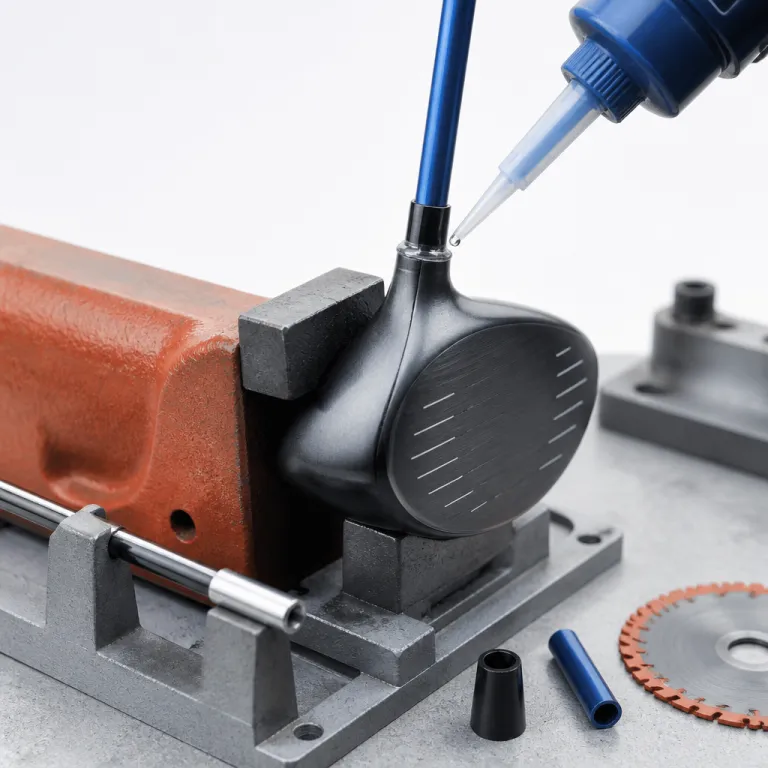
Why this custom golf shaft upgrade guide matters more than another new head
Most golfers obsess over the latest golf club head and barely glance at the shaft. Yet the shaft quietly dictates launch, spin, distance accuracy and overall performance in ways even the most advanced face cannot override. If you care about how your swing feels through impact rather than just how a driver looks in the shop, this is the custom golf shaft upgrade guide you actually need.
Think about your last round at your home club when a flushed strike still ballooned or fell out of the air. That was not the driver head failing you ; it was a mismatch between your swing speed, your preferred ball flight and the stock shaft profile that came bundled for free. A thoughtful shaft upgrade, from driver shaft to iron shafts and even wedges, lets the club work with your natural motion instead of forcing you to manipulate contact on every shot.
In fitting bays from Troon North to Winged Foot, the pattern is consistent. When we hold the head constant and only change golf shafts, we routinely see 15 to 25 metres of distance gain and dramatically tighter dispersion for the same golfer. The right custom shafts stabilise launch spin, refine control and transform a good swing into a repeatable weapon, while the wrong golf shaft turns even a tour level head into an unpredictable piece of décor.
How the shaft really works: launch, spin and feel explained
A shaft is not just a stick connecting your hands to the club head ; it is a timing device that stores and releases energy through the swing. The bend profile of a golf shaft, especially in the tip and mid sections, governs how the head returns to the ball and how that affects launch and spin. When you read any serious custom golf shaft upgrade guide, you are really reading about how to tune that energy transfer for your personal motion.
Tip stiff driver shafts tend to lower launch and reduce spin, which suits aggressive transitions and higher swing speed players who fight a left miss. By contrast, a mid kick or low kick graphite design in both driver and wood shafts can help moderate swing golfers elevate the ball, increase carry distance and maintain distance accuracy without feeling forced to help it into the air. The same physics apply to iron shafts and wedges, where a slightly softer mid section can improve feel and contact on partial shots while still keeping launch spin under control.
Feel is the luxury golfer’s north star, and the shaft is where that feel lives. A well matched graphite shaft in your fairway wood or hybrid should load smoothly, then release with a sense of effortless speed rather than a harsh snap. When you compare a harsh stock shaft to a properly fitted custom shaft upgrade in a high quality set such as a premium complete golf set, the difference in feedback, control and confidence is immediate and unmistakable.
Weight, flex and profile: the real levers behind consistency
Weight is the first specification I address in any shaft upgrades conversation, because flex weight dictates how you sense the club during the swing. Moving from a 65 gram driver shaft to a 55 gram option can add speed for some golfers, but it can also disrupt tempo and timing if the overall balance and flex profile are not considered. The goal is not the lightest possible golf shaft ; the goal is the heaviest weight you can swing comfortably while maintaining rhythm and distance accuracy.
Flex labels such as R, S and X are blunt instruments, so a serious custom golf shaft upgrade guide must go deeper. Two shafts both marked stiff can behave very differently if one has a firm tip and softer mid section, while the other has a softer tip and firmer butt section, which changes ball flight and curvature. Players with a smooth swing often benefit from a slightly softer overall profile that loads fully, while those with a violent transition need a shaft upgrade with a stronger tip and mid section to keep launch spin and dispersion in check.
Profile also varies across the bag, and that is where clubs custom builds earn their keep. Your driver and high launch wood shafts might be mid launch, mid spin designs, while your irons wedges could use heavier, lower torque iron shafts for control and tighter contact windows. When you pair those tuned profiles with a modern draw bias head such as the models reviewed in this guide to draw bias drivers, you get a system where the head shape and the shaft characteristics complement each other rather than fight for influence.
Fitting for luxury performance: what a proper shaft session should include
A premium shaft fitting is not a quick three swings and a guess ; it is a structured session that treats your swing like a fingerprint. Expect at least 60 to 90 minutes for a full bag evaluation, starting with your current driver shaft and working through irons and wedges. The fitter should begin by capturing baseline data for launch, spin, ball flight, club speed, swing speed and strike pattern using a modern launch monitor.
From there, a good fitter will change only one variable at a time, usually starting with flex weight and overall shaft weight before moving to different bend profiles. You might test a series of graphite design options in the driver, then compare them to steel or composite iron shafts, always watching how launch spin, peak height and descent angle respond. The best fittings also include on course validation, because a shaft that looks perfect indoors can feel different when you are shaping shots into a crosswind on the fourth at your home golf club.
Luxury minded golfers should expect a curated matrix of custom shafts rather than a random wall of options. A serious studio will stock multiple golf shafts families for driver, wood shafts, irons wedges and specialty wedges, and they will explain why each candidate fits your swing DNA. If you are investing in a full shaft upgrade across the set, ask for a clear build sheet that documents every specification, from flex weight and tipping to final length, so you can maintain that standard as you add or replace clubs.
Stock versus aftermarket: when to spend, when to stay put
Not every stock shaft is a villain, and not every aftermarket option is a miracle. Many modern premium heads ship with excellent stock shaft choices that suit a wide range of swing speeds, especially in the mid handicap range. If your launch, spin and dispersion numbers are already solid and you like the feel, a shaft upgrade might deliver only marginal gains compared with investing in coaching or a better fitting wedges setup.
The case for aftermarket custom golf shafts becomes compelling when your misses cluster in one direction or your ball flight does not match your intent. If you fight a high spin cut with the driver, a lower torque, tip stiff custom shaft can reduce curvature and tighten distance accuracy without forcing you to rebuild your swing. Similarly, if your irons launch too low and struggle to hold firm greens, a mid launch graphite or lighter steel iron shafts option can raise peak height and soften landings, which is worth more than a few extra metres of raw distance.
Value also depends on how you buy. Many boutique fitters bundle the cost of custom shafts into a full build, sometimes with perks such as free shipping or complimentary loft and lie checks for the first season. When you compare that to buying a new head off the rack in a shop every other year, a well planned shaft upgrade across driver, fairway wood, hybrid and irons can be the more economical path to better performance, especially for golfers who already own high quality heads.
Building a coherent set: matching shafts from driver to wedges
The most elegant bags at clubs from Seminole to Riviera share one trait ; the shafts tell a coherent story from top to bottom. Your driver shaft does not need to match your iron shafts brand, but the overall progression of weight, flex and feel should make sense as you move from driver to wood shafts, then into irons wedges and finally specialty wedges. A refined custom golf shaft upgrade guide always treats the set as a system rather than a collection of isolated clubs.
For many golfers, that means a slightly lighter, higher launch graphite shaft in the driver and fairway wood, stepping into mid weight graphite or steel in the long irons, then heavier, more stable shafts in the scoring irons and wedges. This progression helps maintain control and contact on shorter swings while preserving speed and distance at the top of the bag. When you add lifestyle pieces such as a tailored performance hoodie from a brand like the one featured in this refined golf hoodie style guide, the whole experience of walking the course feels curated rather than cobbled together.
Luxury is also about service, so work with a fitter or boutique shop that supports adjustments after the build. As your swing evolves, you may soften flex in the wedges or add a slightly heavier shaft upgrade in the driver to tighten dispersion without sacrificing distance accuracy. The point is not to chase every new release, but to maintain a set of clubs custom built around how you actually swing, so that the only thing you notice on the first tee is the fairway framed against the morning light.
Key statistics on shafts, fittings and performance gains
- Independent launch monitor testing from major fitting chains has shown that changing only the shaft while keeping the same driver head can produce distance gains of 10 to 20 metres for many golfers, primarily through optimised launch and spin rather than raw swing speed increases.
- Data from large scale fitting studios indicates that more than 70 % of new clients arrive with driver shafts that are at least one flex category away from ideal, which contributes to excessive curvature and inconsistent contact patterns.
- Studies using radar based tracking have found that properly fitted iron shafts can reduce left right dispersion by up to 30 %, which translates to more greens hit and fewer short sided misses for mid handicap players.
- Fitting centres report that a full bag shaft upgrade, including driver, fairway woods, hybrids, irons and wedges, typically requires 60 to 120 minutes of testing time, but the resulting builds often remain in play for five or more seasons, outlasting multiple head generations.
- Consumer surveys among avid golfers show that those who have undergone a professional shaft fitting are significantly more likely to keep their clubs longer and report higher satisfaction with their equipment, which suggests that correct shaft selection reduces the urge for frequent, costly head replacements.
FAQ: custom shafts and aftermarket upgrades
How do I know if my current shafts are holding me back ?
Common signs include shots that consistently balloon or fall out of the sky, a dominant miss in one direction despite reasonable swing mechanics, and a feel that forces you to steer the club rather than swing freely. A launch monitor session comparing your current setup to a few alternative shafts will quickly reveal whether launch, spin and dispersion improve with different profiles. If you see tighter groupings and more efficient ball flight without extra effort, your existing shafts are likely mismatched.
Should I upgrade my driver shaft before changing my irons ?
For many golfers, the driver shaft is the highest impact starting point because it influences both scoring and confidence on every tee shot. If your driver is inconsistent while your irons feel predictable, begin with a focused driver shaft fitting and evaluate the gains. Once the top of the bag is stable, you can address iron shafts and wedges to fine tune distance control and trajectory into greens.
Are graphite shafts suitable for better players in irons and wedges ?
Modern graphite shafts are absolutely viable for strong players in both irons and wedges, offering improved vibration dampening and often better energy transfer. Many tour professionals now use graphite or composite options in long irons or utility clubs to blend speed with control. The key is choosing a design with appropriate weight, torque and bend profile rather than assuming all graphite is light and soft.
How often should I revisit my shaft fitting as my game evolves ?
Most players can keep a well fitted set of shafts for several seasons, revisiting a fitter only when swing speed changes significantly, injuries alter movement patterns or ball flight issues emerge. A quick annual check of launch, spin and dispersion with your existing clubs is usually enough to confirm that the shafts still match your current swing. If the numbers remain stable and the feel is confident, there is no need to change for the sake of novelty.
Is a full bag shaft upgrade worth the cost for a mid handicap golfer ?
For a committed mid handicap golfer who plays regularly and already owns quality heads, a full bag shaft upgrade can be one of the most cost effective ways to improve scoring. By optimising launch, spin and distance gapping from driver through wedges, you reduce penalty shots and improve proximity to the hole without changing your swing. The investment makes particular sense if you plan to keep your clubs for several years and value a tailored, consistent feel throughout the set.