
Summary
Editor's rating
Good value if you care more about fairways than logos
Big, confidence‑boosting head with a few quirks
Easy to swing, but the stock shaft won’t suit everyone
Titanium, carbon and tungsten – proper modern build, budget execution
Feels solid so far, with a few cosmetic marks
Forgiving and straight, with decent distance if you’re not a bomber
What you actually get when you buy it
Pros
- Very forgiving head with rear and heel‑biased tungsten that helps reduce slices
- Modern features (carbon crown, adjustable loft, variable face) at a lower price than big brands
- Large, confidence‑inspiring profile that’s easy to launch and keeps more mishits in play
Cons
- Stock regular shaft feels a bit soft for stronger or faster swingers
- Sound is somewhat hollow and finish is less refined than premium drivers

Specifications
View full product page →| Brand | BENROSS |
A budget‑friendly driver that actually forgives bad swings
I’ve been using the Benross RS MAX driver for about three weeks now, roughly 6 rounds and a couple of range sessions. I’m a mid‑to‑high handicap (sitting around 18–20), and my main issue off the tee is a weak slice and heel strikes. I bought this driver because I didn’t want to spend big money on the big brands, but I still wanted something modern with adjustability and a bit of help straightening the ball flight.
Out of the box, it looks like a proper modern driver, not some cheap beginner stick. 10.5° head, regular graphite shaft, adjustable hosel, and the tungsten weights in the back and heel. The brand talks a lot about forgiveness, high MOI, and a draw bias. I went in a bit skeptical because every driver these days claims to fix slices and add distance.
On the course, the main thing I noticed is this: it’s hard to hit a truly awful tee shot unless you really mess up the swing. My worst swings were still somewhere in play, instead of being two fairways over. Distance was pretty decent, not the longest thing I’ve hit, but consistent. My good hits flew similar distance to more expensive drivers I’ve tried, but my bad hits were less punished.
It’s not perfect. The sound is a bit hollow, and the shaft feels a touch soft if you swing aggressively. But for what I paid, it honestly feels like a pretty solid option for average golfers who just want to keep the ball in play and don’t care about brand names. If you’re a scratch player chasing every last yard, this probably isn’t for you, but for the rest of us, it gets the job done.
Good value if you care more about fairways than logos
For me, the big selling point of the Benross RS MAX is value for money. You’re getting a modern driver with carbon crown, tungsten weighting, adjustable loft sleeve, and a draw‑biased setup, at a price that’s well below the big names. When I compared it to used drivers from bigger brands in the same price range, I felt this gave me more forgiveness and more up‑to‑date tech, instead of buying a 4‑ or 5‑year‑old model.
On the course, the value shows up in fewer lost balls and fewer penalty shots. I’m not suddenly out‑driving my buddies with premium drivers, but I’m also not that far behind, and I’m often in better positions because my misses are smaller. If you’re a casual golfer playing once a week or less, it’s hard to justify double the price for only a small performance bump. In that sense, this club makes a lot of sense.
Where the value dips a bit is for players on the edges: if you’re a very slow swinger, you might be better off with a dedicated lightweight, high‑launch driver. If you’re a strong or low‑handicap player, you’ll probably want a stiffer, better shaft and maybe a more neutral head. In those cases, you might outgrow this club faster and end up spending more in the long run.
But for the typical mid‑to‑high handicap golfer on a budget, I’d say the price‑to‑performance ratio is pretty solid. You’re not paying for hype; you’re paying for a forgiving head that keeps the ball in play. As long as your expectations are realistic – decent performance, not magic – the value is there.
Big, confidence‑boosting head with a few quirks
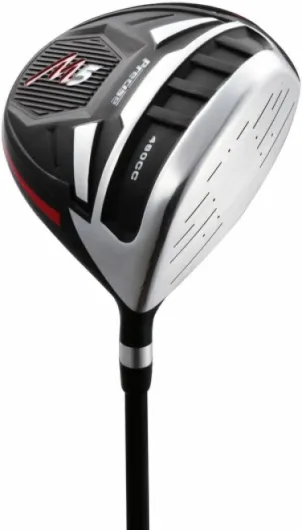
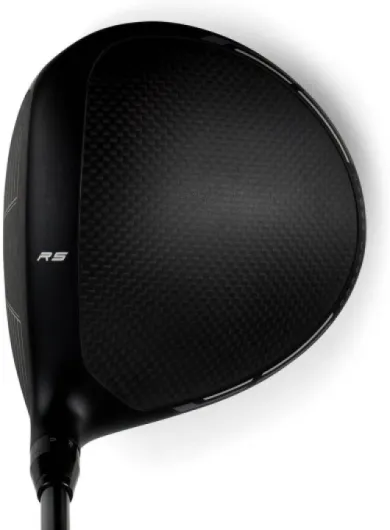
The head shape is large and friendly, which for me is a big plus. At address, it really does give you that “I can’t miss the ball” feeling. The footprint is wide from front to back, and you can tell they’ve pushed weight deep to increase MOI. If you struggle with confidence over the ball, this shape helps. It doesn’t look compact or “player-ish”, so better golfers might think it’s a bit bulky, but for most weekend players that’s not a bad thing.
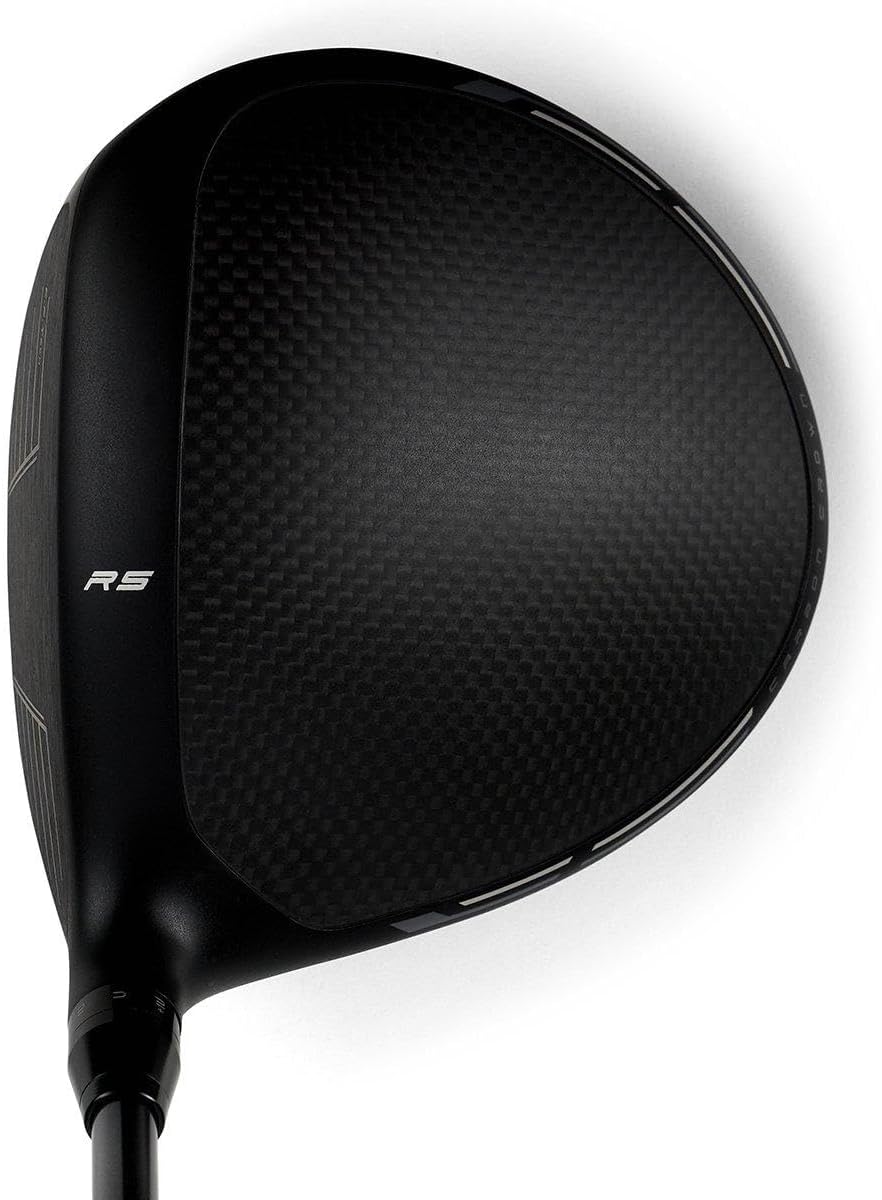
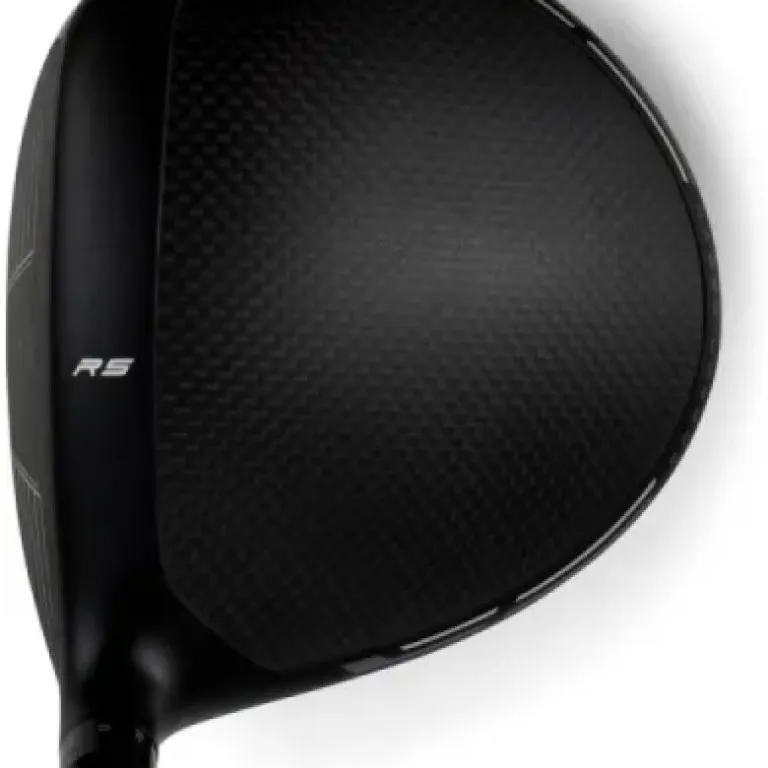
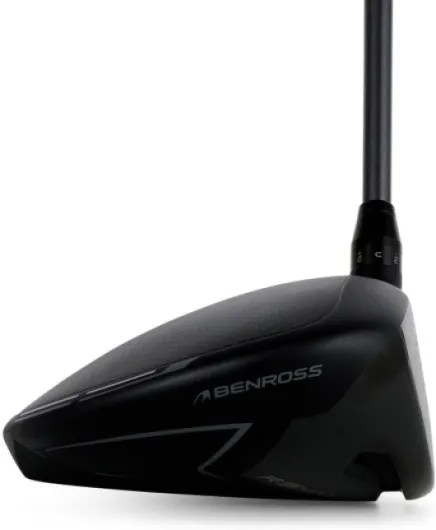
The crown is carbon, mostly black with a subtle pattern. Under bright light you can see the carbon weave, but it’s not too flashy. There are no loud alignment aids, just the usual small mark to center the ball. I liked that: simple, clean look, nothing distracting. The sole is where you see most of the tech – the tungsten weight ports at the back and heel, some branding, and the adjustable hosel connection.
One thing I noticed is the face sits just a hair closed in the standard setting, at least to my eye. That lines up with the whole draw‑bias, anti‑slice idea. If you’re used to a very square or slightly open face, this might take a couple of range sessions to get used to. For me, it actually helped reduce the start line to the right, which is where my slice usually starts from.
In terms of visuals, it’s not flashy, but it doesn’t look cheap either. The paint and finish are decent, no obvious defects on mine. The only downside is the sole scuffs fairly quickly if you hit off sandy mats or rough turf, but that’s more cosmetic than anything. Overall, the design is clearly focused on forgiveness and confidence, and it delivers on that, even if it won’t impress gear snobs.
Easy to swing, but the stock shaft won’t suit everyone
In the hands, the Benross RS MAX feels slightly head‑heavy but stable. I actually liked that because it helped me feel where the clubhead was during the swing, which made it easier to keep tempo. If you’re used to super‑light drivers, it might take a bit of adjustment, but after a couple of range sessions it felt natural for me. Over 18 holes, I didn’t feel any extra fatigue in my hands or shoulders.
The regular flex graphite shaft is quite soft, especially in the tip section. For my moderate swing speed, smooth swings felt good: the shaft loaded and unloaded nicely, and I got a comfortable, medium‑high flight. When I tried to really smash it, though, I could feel the shaft twisting a bit more, and the ball sometimes turned over left. If you’re an aggressive swinger or close to stiff‑flex territory, you might find the shaft a bit too whippy.
The grip is standard size rubber and reasonably comfortable. No fancy patterns or multi‑compound feel, but it doesn’t slip, even with a bit of sweat. I played one round in light drizzle, and while it wasn’t perfect, it stayed playable. If you’re picky about grips, you’ll probably swap it, but for most casual golfers it will be fine out of the box.
Overall, in terms of comfort, I’d say it’s easy to swing and not intimidating, especially for mid‑to‑high handicaps. The only real caveat is the shaft: it’s clearly targeted at average swing speeds, not fast hitters. If you fit into that target, it feels pretty natural and forgiving. If you’re stronger or faster, budget for a shaft change down the line.
Titanium, carbon and tungsten – proper modern build, budget execution
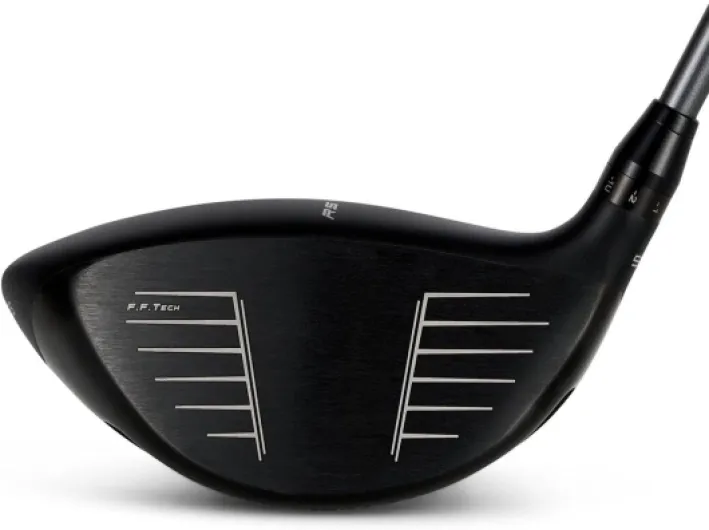
On paper, the materials are the same as the big brands: titanium body, carbon crown, and tungsten weighting. That’s pretty much the standard recipe for a forgiving modern driver. In practice, you can tell the finishing and fine details aren’t at the same level as a £400+ driver, but nothing felt dodgy or fragile during my testing. The head feels solid in the hands, and the hosel adjustment sleeve clicks firmly into place without wobble.
The carbon crown helps keep the top light so they can stick more weight low and back. You really feel that when you swing – the head wants to stay stable through impact. I had a couple of toe and heel strikes that would usually feel harsh with older, full‑titanium heads, but here the vibration was fairly muted. Not buttery, but comfortable enough that mishits don’t sting, even on cold mornings.
The shaft is where you feel the budget a bit more. It’s a generic graphite regular flex, not a big‑name aftermarket shaft. For my swing speed (around 90–95 mph with driver), it was okay, but a bit soft in the tip. When I really went after it, the ball flight sometimes turned into a higher draw that could almost become a hook. For smoother swings or slower swing speeds, this will be fine. If you’re a stronger player, you might want to consider a stiffer or better shaft later on.
The grip is just a standard rubber grip – functional, decent tackiness, nothing fancy. After a few sweaty range sessions it still felt secure, but I can see myself changing it after a season for something with a bit more texture. Overall, the materials are modern and functional, just not premium. You get the tech you actually need (carbon, tungsten, adjustable hosel) without paying for fancy names on the shaft and grip.
Feels solid so far, with a few cosmetic marks
Durability wise, I can only speak from a few weeks of use, but nothing has raised a red flag. I’ve hit a good number of balls at the range, plus 6 full rounds, and the head still feels tight. No rattles, no loosening of the weights, and the adjustable hosel hasn’t slipped or moved between rounds. The face shows the usual ball marks, but they clean off easily with a damp towel.
The crown, being carbon with a painted finish, is always the part I worry about. So far, no chips or cracks, just some very light swirl marks from wiping it with a towel that probably had a bit of dust on it. I haven’t sky‑marked it (yet), so I can’t say how it holds up to that, but normal use seems fine. The sole does show scratching fairly quickly, especially if you hit off sandy mats, but that’s mostly cosmetic and common on drivers in general.
The rubber grip has held up well so far – no peeling or weird wear after multiple sessions. It still feels tacky enough. Over a season or two, I’d expect to change it anyway, but that’s normal maintenance rather than a flaw. The shaft hasn’t shown any signs of cracking or weird flexing, and the paint on the shaft is still intact.
Overall, it feels like a solid, mid‑range build. You don’t get the super refined finishes of high‑end models, but you also don’t get the sense that it’s going to fall apart. As long as you use a headcover and don’t throw it around, I don’t see any obvious durability issues from what I’ve experienced so far.
Forgiving and straight, with decent distance if you’re not a bomber
This is the part that matters: how it actually performs on the course. Over 6 rounds and a few range buckets, the main takeaway was consistency. My average drives were a bit straighter and more predictable than with my older driver (an older Cobra model). I didn’t suddenly gain 20 yards, but I also didn’t expect that. What I got was more balls in play and fewer big slices, which for my scorecard is more important than raw distance.
The rear and heel‑biased tungsten weighting clearly helps with forgiveness and reducing the slice. Shots off the heel didn’t leak as hard to the right as they usually do, and I saw more gentle fades or straight shots instead of banana balls. When I moved the heavier weight to the back, the club felt more stable and my dispersion tightened a bit. Leaving the heavy weight in the heel gave me more draw bias but also made the flight slightly higher and sometimes a touch spinny.
The Fast Face Technology (variable thickness face) seems to do its job. My toe and low‑face strikes still carried reasonably well. On the launch monitor at the range, my good strikes were around 220–230 yards carry, which is pretty normal for me. My mishits were often only 10–15 yards shorter instead of 25–30, which is a big difference when you’re trying to clear fairway bunkers or reach certain landing areas. That’s where this driver earns its place in the bag.
The downside: if you already hit it quite straight and you’re chasing maximum ball speed, there are longer drivers out there. The sound is a bit on the hollow side, which can make it feel slightly slower than it is, even though the numbers are fine. Overall though, for mid‑to‑high handicappers who fight a slice and want stability more than bragging‑rights distance, the performance is pretty solid.
What you actually get when you buy it
When the Benross RS MAX arrived, the first impression was fairly simple: driver head, shaft already assembled, standard rubber grip, and a headcover. No fancy extras, no tool in the box for the adjustable hosel or weights (I used a standard torque wrench I already had from another driver). The packaging was basic but decent – cardboard box, some padding, nothing premium but it protected the club fine.
The headcover is okay. It’s not luxurious, but it slides on and off easily and does the job of protecting the crown and face. The material feels a bit cheap compared to the big brands, but nothing that really matters once you’re playing. The branding on the club itself is fairly low‑key: RS MAX and Benross logos, mostly black with some subtle accents. It doesn’t scream for attention in the bag, which I like.
Specs wise, mine is the 10.5° right‑handed, regular flex version. The shaft is graphite, and the grip is a standard size rubber grip. Out of the box, swing weight felt on the heavier side because of the tungsten in the back, but not so heavy that it’s tiring. If you’re used to very light drivers, you’ll notice it, but it actually helped me feel the head during the swing.
Overall, the presentation is pretty straightforward: you’re not paying for fancy unboxing or branding, you’re paying for a functional driver. As long as you’re not expecting premium touches like you’d see from TaylorMade or Titleist, you’ll be fine. It feels like a no‑nonsense club that focuses on function rather than looking expensive.
Pros
- Very forgiving head with rear and heel‑biased tungsten that helps reduce slices
- Modern features (carbon crown, adjustable loft, variable face) at a lower price than big brands
- Large, confidence‑inspiring profile that’s easy to launch and keeps more mishits in play
Cons
- Stock regular shaft feels a bit soft for stronger or faster swingers
- Sound is somewhat hollow and finish is less refined than premium drivers
Conclusion
Editor's rating
After a few weeks with the Benross RS MAX driver, my honest take is this: it’s a solid, forgiving driver for everyday golfers who don’t want to spend a fortune. It doesn’t pretend to be a tour weapon, and that’s fine. The big head, deep CG, and heel‑biased tungsten really do help keep slices under control and make mishits less punishing. My dispersion improved, and I kept more tee shots in play compared to my older driver, which is exactly what I wanted.
It’s not perfect. The stock shaft is on the soft side, the sound is a bit hollow, and the overall finish isn’t as polished as the big‑name brands. If you’re a low handicap or a fast swinger chasing every bit of ball speed, you’ll probably be happier with something more premium and custom‑fitted. But if you’re a mid‑to‑high handicap player who mainly wants forgiveness, adjustability, and decent distance at a sensible price, this driver makes a lot of sense.
In short: it’s good value for regular golfers, especially those who fight a slice and want an easy‑to‑launch, confidence‑inspiring driver. If you can live without the big logo and you’re realistic about what it can and can’t do, it’s a pretty smart buy. If you want prestige and maximum fine‑tuning, you should probably look elsewhere.