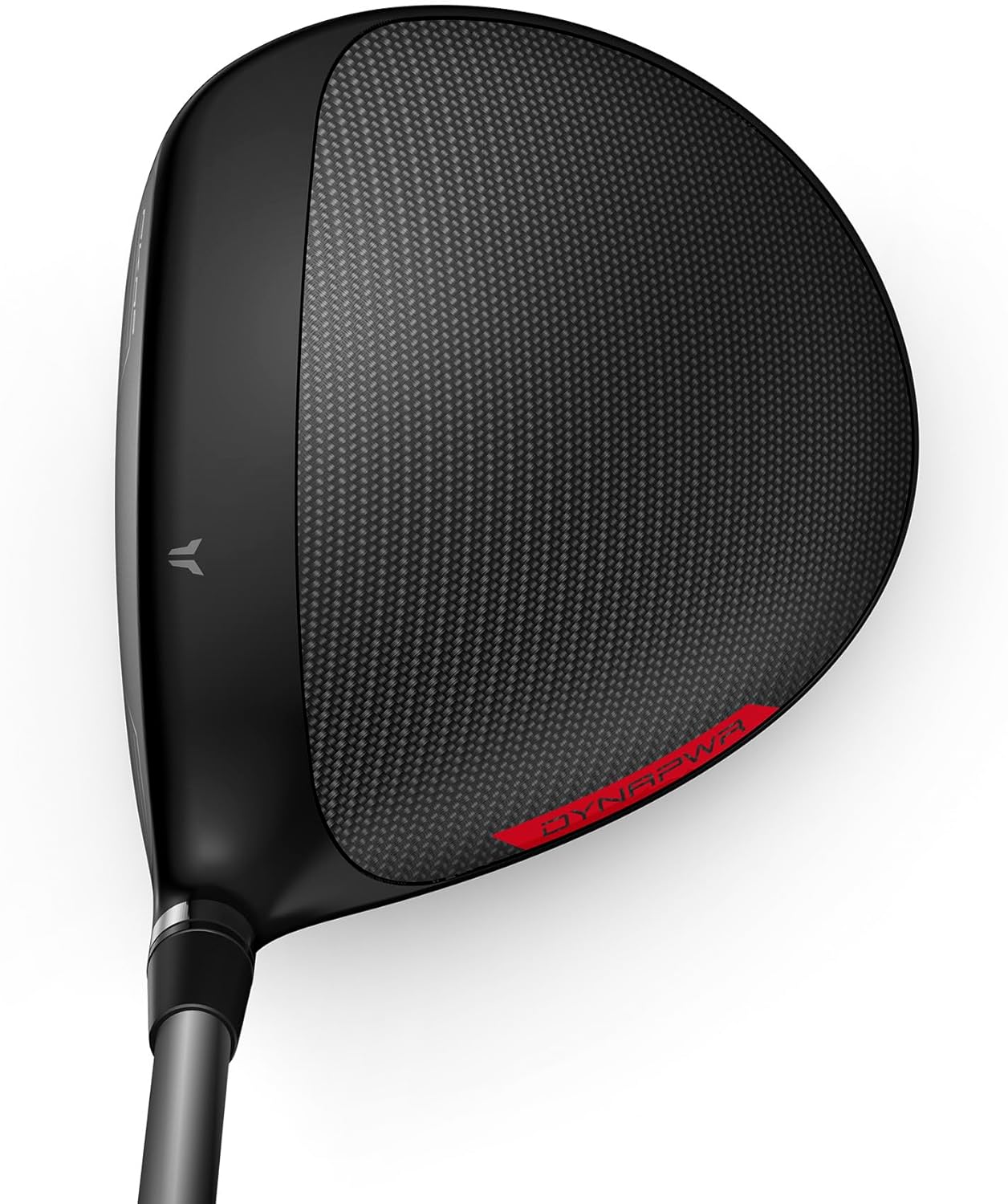
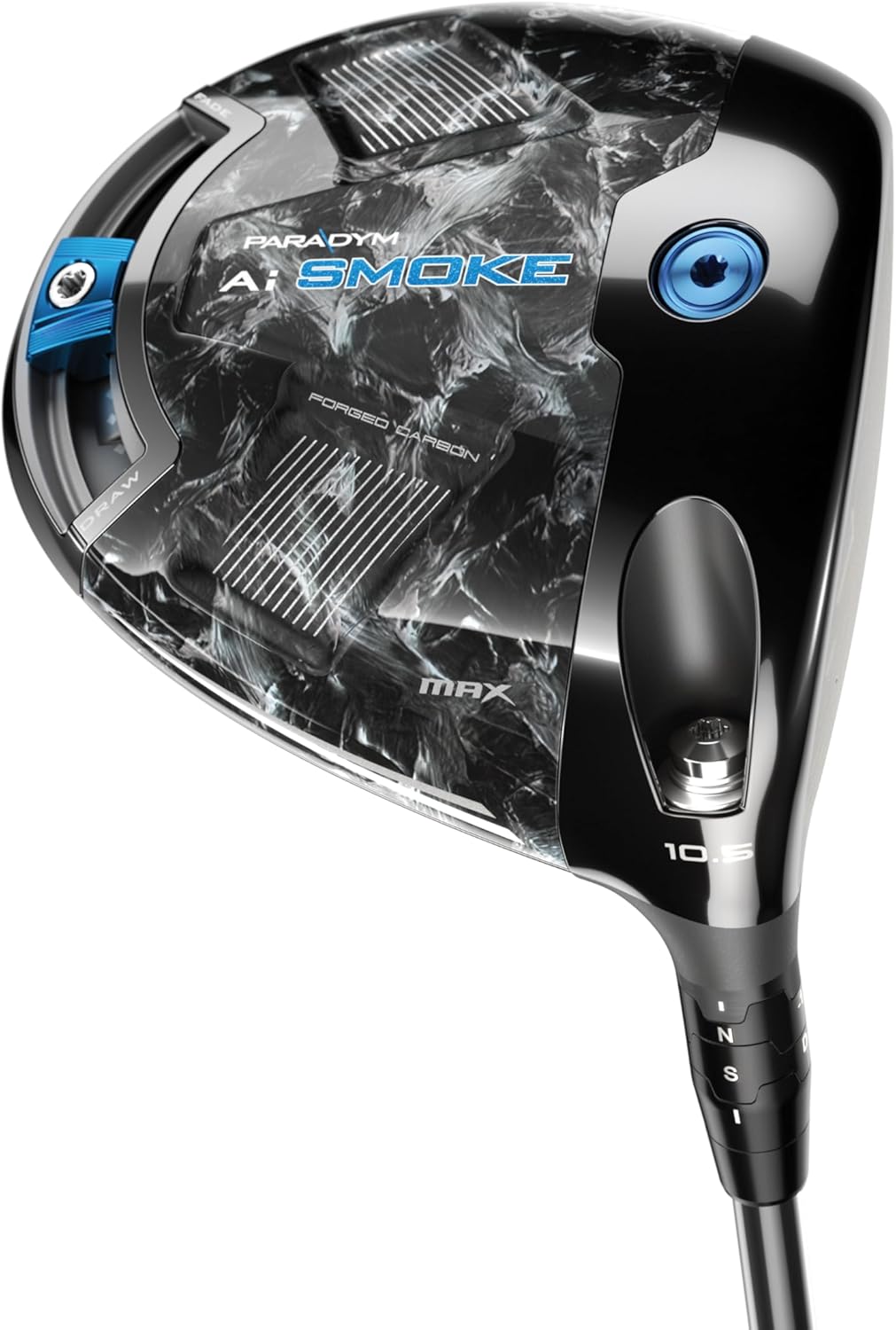
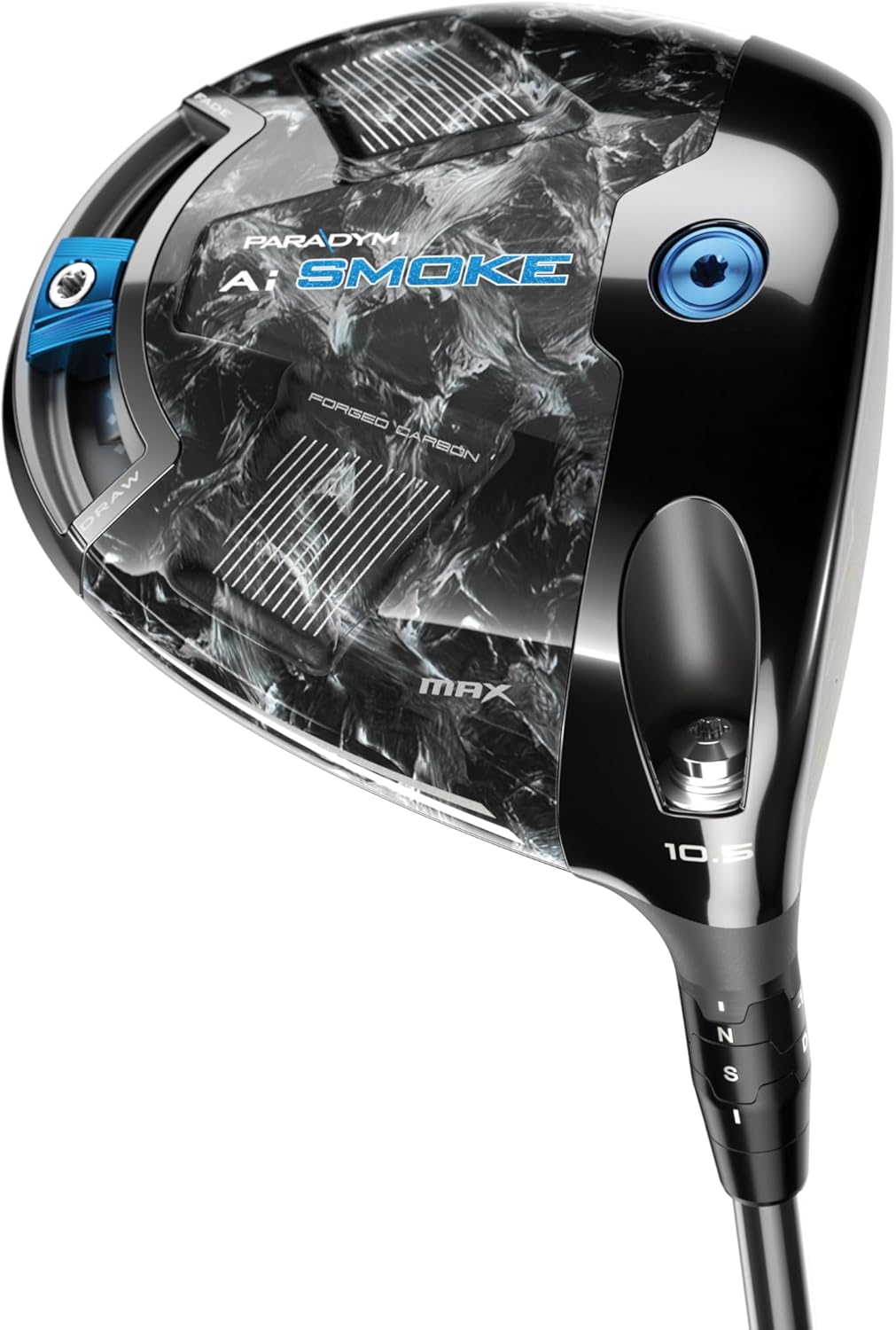
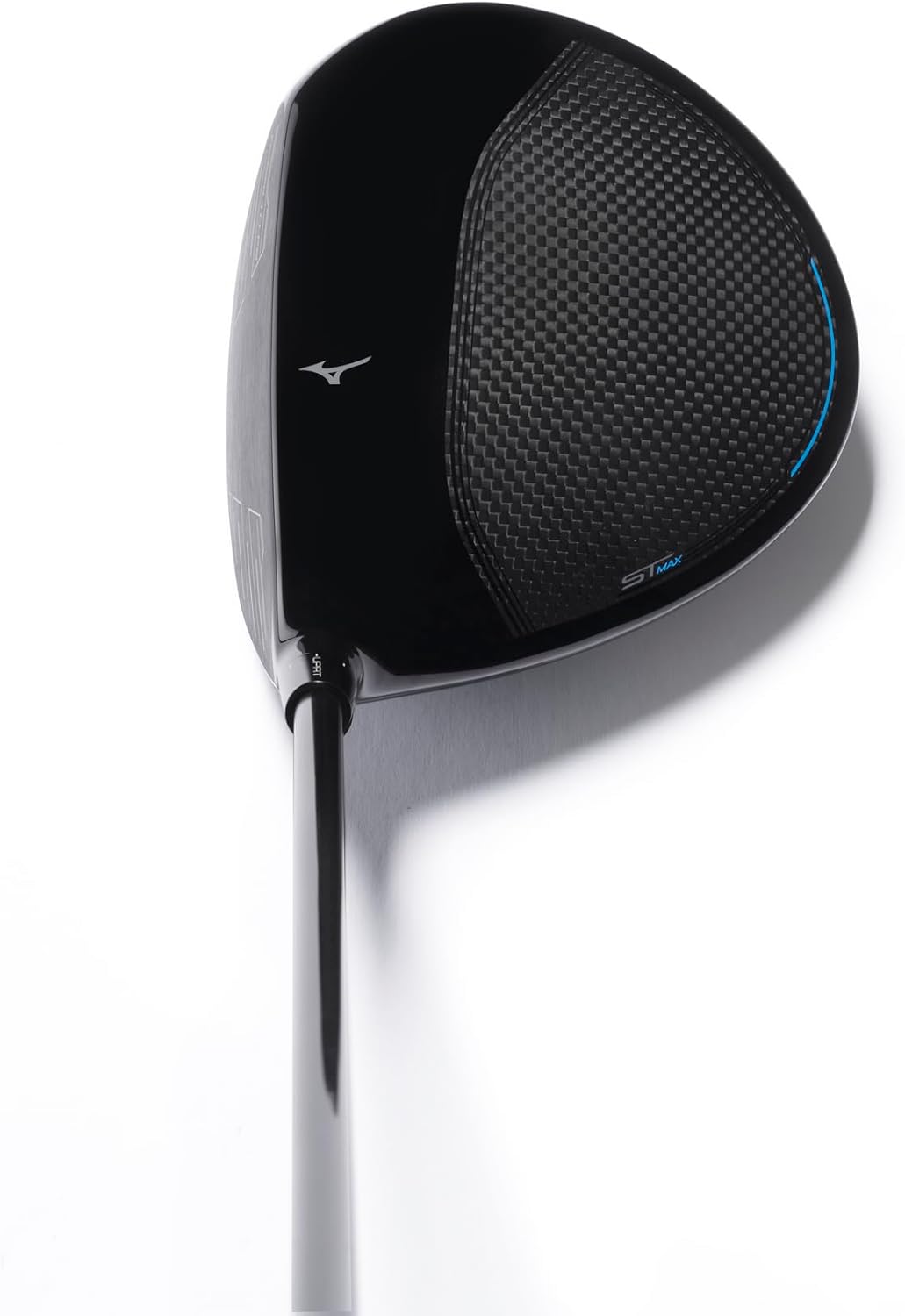
Callaway triple diamond and quantum triple concepts for lower spin control
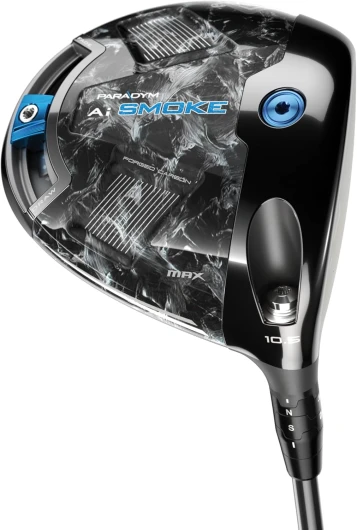
Among the best golf low spin drivers, Callaway’s Triple Diamond style heads have become a reference point for better players seeking penetrating ball flight. The Triple Diamond driver configuration typically pushes mass forward and slightly towards the toe, which lowers spin and encourages a workable fade bias for aggressive swings. In launch monitor testing at many fitting studios, high speed golfers often see spin drop by 300–500 rpm when moving from a mid spin Callaway head into a Triple Diamond profile, while maintaining similar or slightly higher ball speed.
Callaway has also explored more experimental concepts in its design language, where engineers imagine multi‑pod weighting schemes that could further refine lower spin and launch windows for elite golfers. While you will not find a retail Callaway Quantum driver on shelves at Golf Galaxy today, the broader idea of a quantum triple weighting layout illustrates how luxury golf drivers are evolving towards ultra precise spin control. In practice, Callaway’s current Triple Diamond inspired drivers already deliver drivers low in spin that suit players who strike the ball consistently high on the face and want to keep ball speed maximized without seeing ballooning trajectories.
When you compare these Callaway models with other best golf low spin drivers, focus on how each driver manages off center strikes and retains ball speeds. Some Triple Diamond style drivers feel firmer and slightly less forgiving, which better players may prefer because the feedback through the hands is immediate and clear. One fitter described a typical result as “10–15 yards more total distance and a much flatter flight” for a 110 mph player who moved from a mid spin head into a Triple Diamond low spin driver, while keeping dispersion tight enough for tournament play.
Taylormade driver innovation, cobra optm ideas and titanium luxury builds
TaylorMade has long been associated with the best golf low spin drivers, especially in the hands of tour players who demand both speed and precision. A modern TaylorMade driver typically combines a carbon crown with a thin titanium face, which keeps weight low and allows engineers to position mass for lower spin while preserving forgiveness. In independent tests, many high speed golfers see driver spin fall into the 2,000–2,400 rpm window with a TaylorMade low spin head, compared with 2,700 rpm or more from a higher spin model at the same swing speed.
Concepts such as Cobra OPTIM style optimization show how brands explore multiple weight positions and face thickness patterns to fine tune performance for different swing profiles. A Cobra OPTIM inspired driver would allow you to shift weight to chase either higher launch and more forgiveness or lower spin and a more piercing ball flight, all within the same luxury chassis. This level of adjustability means that one family of spin drivers can serve a wide range of better players, provided each golfer takes time to dial in loft, lie and shaft for their unique swing speed and typical strike pattern.
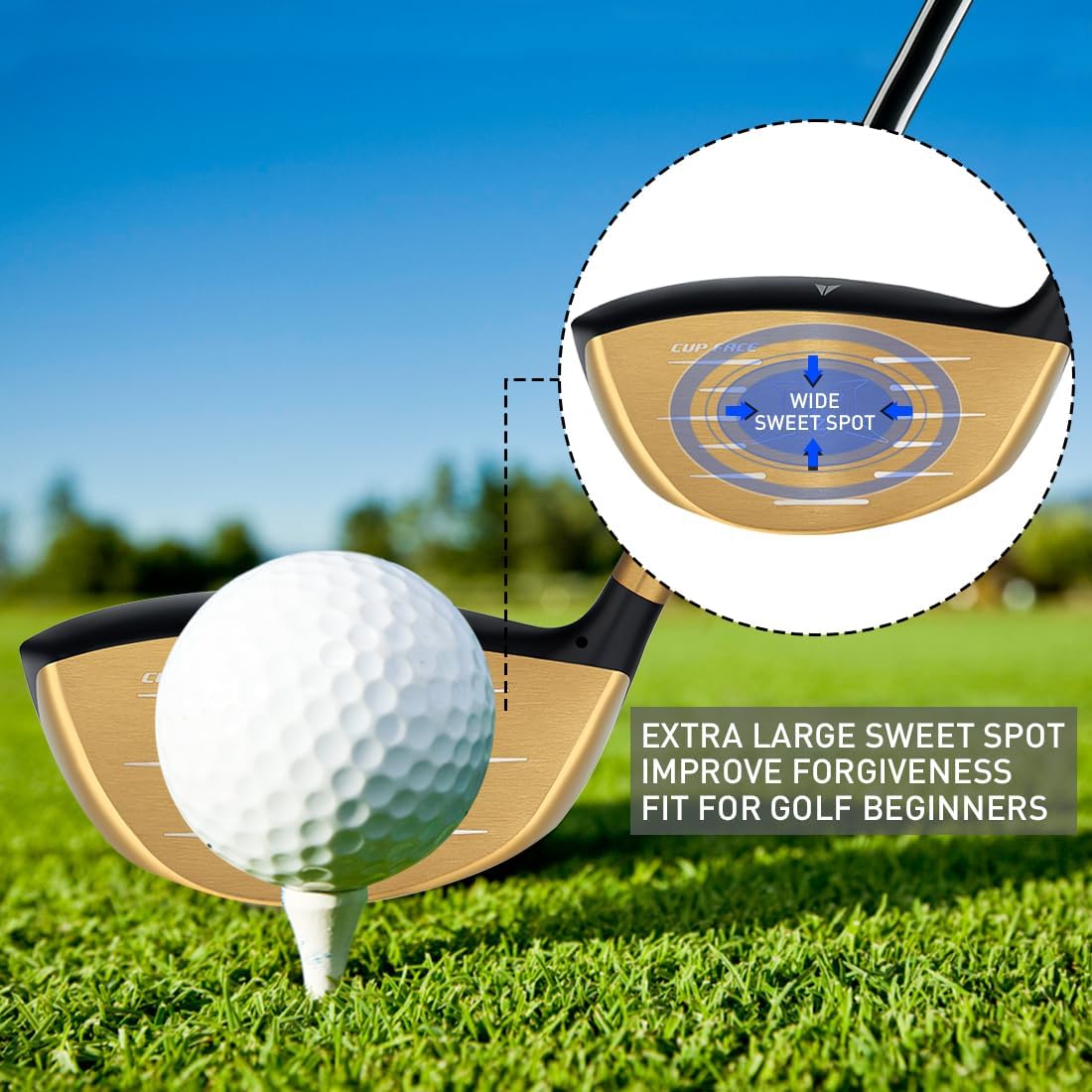
Titanium remains the material of choice for many premium golf drivers because it delivers high ball speeds from a thin, resilient face while keeping overall driver weight manageable. A detailed test such as a titanium cup face distance driver review shows how a well engineered face can maximize distance even when spin is kept relatively low, often retaining 90–95% of center strike ball speed on impacts a few millimetres from the sweet spot. When you evaluate any titanium spin driver, pay attention to how the face feels on slight mishits, because true luxury performance blends speed, forgiveness and refined acoustics in equal measure.
Titleist tour heritage and fitting strategies for best low spin results
Titleist has built its reputation on tour proven golf drivers that reward precise swings, and its low spin models continue that heritage. A Titleist tour driver aimed at better players usually offers a compact profile, a neutral to slightly open face and an adjustable hosel that lets you chase either lower spin or slightly higher launch as needed. When you combine this adjustability with a proper fitting, you can transform a very good driver into one of the best golf low spin drivers for your specific game and preferred ball flight window.
During a premium fitting session, the fitter will track ball speed, launch angle, spin rate and dispersion for each driver and shaft combination. For a low spin driver, the goal is to keep spin in a window that is low enough to add distance but high enough to maintain stability and forgiveness on off center strikes. Many fitters aim to keep driver spin above roughly 1,800 rpm for most players, because dropping much lower can cause knuckleball shots that fall out of the air or curve unpredictably, especially when swing speed is not tour level.
Luxury golfers should also consider how a low spin Titleist driver pairs with the rest of the bag, including a premium carry solution such as the Titleist Players 4 StaDry golf bag. A well balanced setup ensures that your best golf driver does not outpace your fairway woods and long irons in terms of distance gaps and ball flight windows. When every club is fitted around the same launch and spin philosophy, you gain a coherent performance story from tee to green rather than a collection of isolated luxury pieces that fight each other on the course.
How swing speed, launch and ball flight shape your ideal low spin driver
Choosing among the best golf low spin drivers starts with an honest assessment of your swing speed and launch tendencies. Golfers with very high swing speed often generate too much spin with a standard driver, which robs distance and creates a ballooning ball flight that struggles in the wind. For these players, a driver designed for lower spin, paired with a suitable shaft, can flatten trajectory, increase ball speed and add several metres of carry and roll on firm fairways, especially when launch remains in that low‑to‑mid‑teens window.
Players with moderate swing speed must be more cautious, because a driver that is too low in spin can cause the ball to fall out of the air before it reaches optimal distance. In such cases, a slightly higher lofted head or a more active shaft can raise launch and maintain enough spin for stability, even if the head itself belongs to the low spin drivers category. The art lies in balancing launch, spin and ball speeds so that the golf ball climbs efficiently, peaks at the right height and then descends with a controlled angle that maximizes roll without sacrificing stopping power or directional control.
Shot shape preferences also influence which spin driver suits you best, because lower spin generally makes it easier to hold a fade and slightly harder to curve a draw. Golfers who fight a hook often benefit from a low spin driver with a more open face, while those who rely on a gentle draw may prefer a head that offers a touch more spin and a neutral face angle. When you test different golf drivers, pay attention not only to raw distance but also to how confidently you can repeat your preferred ball flight under pressure, such as on a tight par four with trouble down one side.
Luxury buying checklist and when to choose drivers low in spin
Investing in one of the best golf low spin drivers is as much about feel and confidence as it is about launch monitor numbers. Start by defining your performance priorities, such as maximum distance, tighter dispersion, or a specific ball flight window, then shortlist drivers low in spin that match those goals. During testing, evaluate how each driver sounds, how the face feels at impact and how forgiving it remains when your swing is less than perfect, because those details often decide whether you trust a club on the course.
For many better players, the ideal low spin driver offers a blend of lower spin, high ball speed and enough forgiveness to keep slight mishits in play. Look for heads that maintain strong ball speeds across a wide area of the face, because real world performance rarely reflects perfect center strikes on every swing. Luxury models from Titleist, Callaway and TaylorMade often achieve this by combining multi material crowns with variable thickness faces, which preserve speed and stability even when contact drifts towards the heel or toe or when swing tempo varies slightly.
When you are ready to read full technical specifications, visit a specialist retailer or a trusted online platform rather than relying on generic marketing claims. Stores such as Golf Galaxy can provide access to multiple spin drivers and launch monitors, allowing you to compare ball speed, launch and spin data in a controlled environment. Ultimately, the best golf driver for you will be the one that turns your natural swing into a repeatable, penetrating ball flight, delivering best low dispersion and distance without forcing you to change your tempo or rhythm in ways that feel unnatural.
Key statistics on low spin driver performance
- Launch monitor testing from independent club fitters commonly shows that moving from a mid spin driver to a properly fitted low spin driver can reduce backspin by several hundred revolutions per minute for high swing speed players, which often translates into noticeable gains in total distance when launch angle is maintained.
- Data reported by major fitting studios indicates that only a minority of golfers generate enough clubhead speed and launch to benefit from a true low spin driver, while the majority achieve better carry distance and dispersion with slightly higher spin profiles.
- On course testing by leading manufacturers has demonstrated that a flatter, lower spin ball flight can reduce the impact of a strong headwind compared with a higher spinning trajectory, which is why many tour professionals favour low spin drivers on exposed championship layouts.
- Robot testing on modern titanium and multi material driver faces shows that premium low spin heads can retain a very high percentage of center strike ball speed on impacts several millimetres from the sweet spot, highlighting how far forgiveness has advanced even in compact, tour inspired profiles.