
Summary
Editor's rating
Value for money: solid, but depends what you’re chasing
Looks and shape: confidence without the flash
In-hand feel and ease of use over a full round
Build quality and materials: solid, modern, nothing fancy
Built to last regular play, not just one season
On-course performance: straight, stable, and honest
What you actually get with this driver
Pros
- Very stable, straight-biased ball flight with good forgiveness on mishits
- Solid, muted feel at impact with reliable distance comparable to other modern drivers
- Simple, functional design with enough loft adjustability to fine-tune trajectory
Cons
- Headcover is extremely tight and annoying to use regularly
- Limited adjustability compared to drivers with moveable weights and more settings
- Looks and overall package feel a bit plain for the price if you like flashier gear

Specifications
View full product page →| Brand | Mizuno |
A straight-hitting driver that keeps you honest
I’ve been playing this Mizuno ST MAX 230 driver in 10.5° regular flex for a few rounds now, swapping it in and out with my usual driver from another big brand. I’m not sponsored, I paid for my gear, and I’m not chasing launch monitor numbers for Instagram. I just wanted to see if this thing actually helps keep the ball in play and if it feels any better than what I already had.
The short version: it’s a very playable, confidence-boosting driver if your main problem is spraying it left and right. It doesn’t magically add 20 yards, but it does a good job of punishing your bad swings a bit less. When I miss the center, I’m not walking into the trees nearly as often as with my older driver, which for me is more important than gaining a couple extra yards.
What surprised me most was the sound and feel. It’s not loud and hollow like some modern drivers. It has a more muted, solid feel that makes you instantly know where you hit it on the face. When you catch one out of the middle, it feels very clean. When you don’t, it’s still playable but you definitely feel it. So it’s forgiving, but it doesn’t lie to you.
It’s not perfect though. The headcover is annoyingly tight, the look is a bit plain, and if you’re a high-speed player chasing ultra-low spin bombs, there are probably better options. But for a regular golfer who just wants straight, stable drives and decent distance, this one sits in a nice sweet spot. Nothing flashy, just a solid tool that helps you get the ball down the fairway more often.
Value for money: solid, but depends what you’re chasing
On value, I’d put the Mizuno ST MAX 230 in the "pretty solid but not a crazy bargain" category. It sits in that mid-to-high price range like most modern drivers from big brands. You’re not paying a budget price, but you’re also not overpaying for wild marketing features you’ll never use. What you’re really buying here is stability, forgiveness, and a solid feel, rather than raw distance or flashy tech.
Compared to some of the biggest-name drivers, you might save a bit depending on where you buy it and if there are discounts. In return, you get a club that honestly hangs in there on performance: distance is competitive, forgiveness is good, and the sound/feel is actually nicer than some louder, more hollow drivers. If your main goal is hitting more fairways and keeping the ball in play, the value is decent because it actually addresses that problem.
Where the value is less convincing is if you’re a stronger player or a gear head chasing every yard and tons of adjustability. There are drivers out there with more adjustable weights, different face settings, and maybe a bit more ball speed for a fast swing. If that’s you, you might feel this one is a bit limited for the price. Also, small annoyances like the too-tight headcover make it feel slightly less polished than it could be at this price point.
Overall, I’d say the value is good for mid-handicappers who want a reliable, forgiving driver with a nice feel and aren’t obsessed with tinkering. It’s not a steal, but it also doesn’t feel like you’re wasting money. You pay a fair amount and get a driver that can stay in your bag for several seasons without feeling outdated or flimsy.
Looks and shape: confidence without the flash
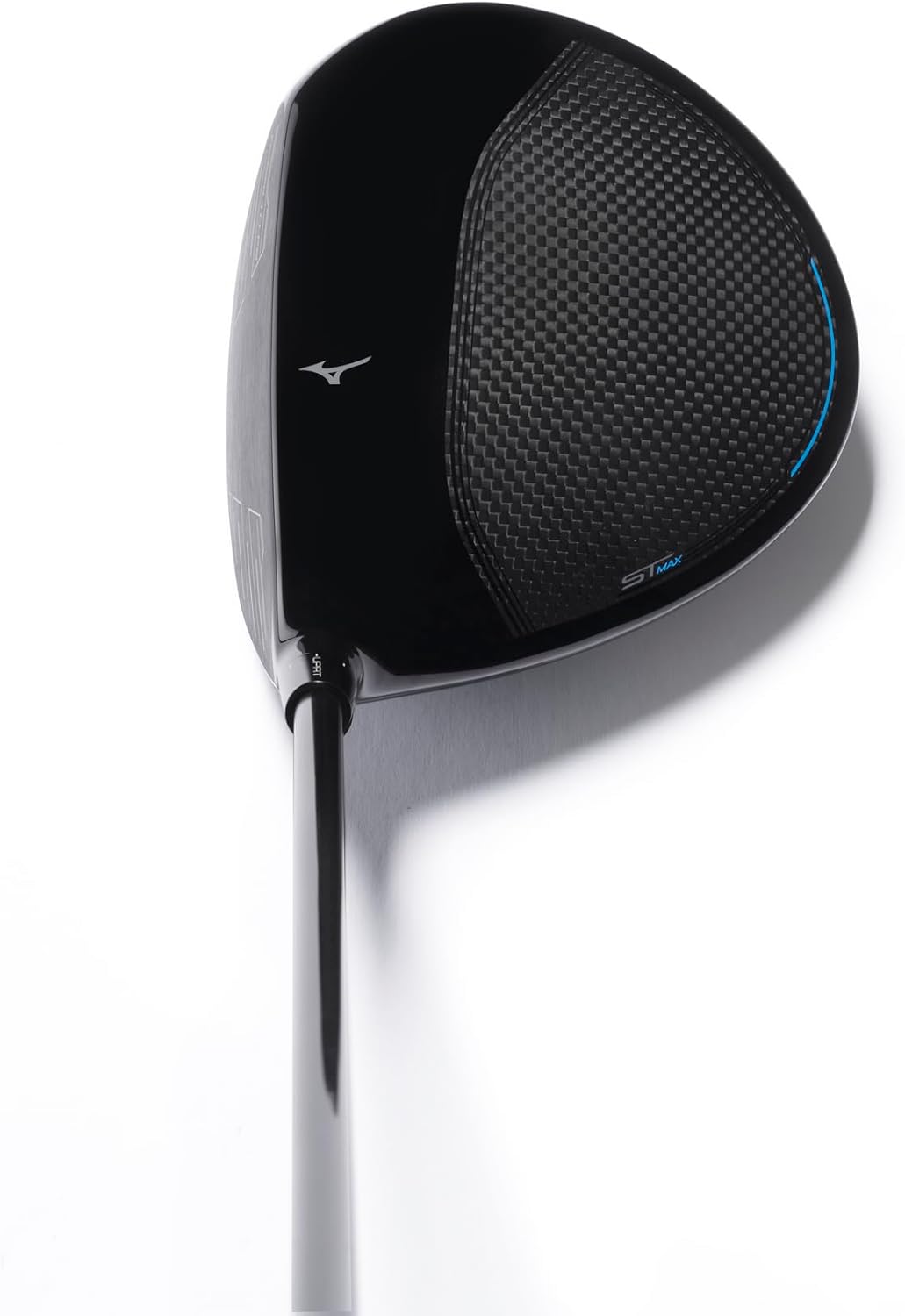
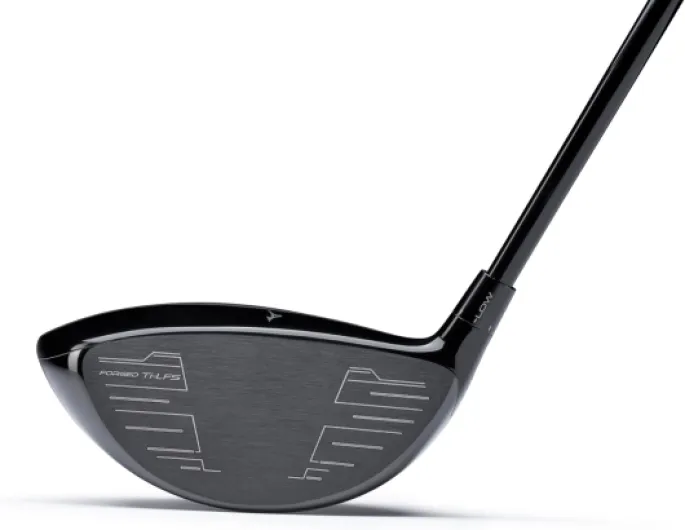
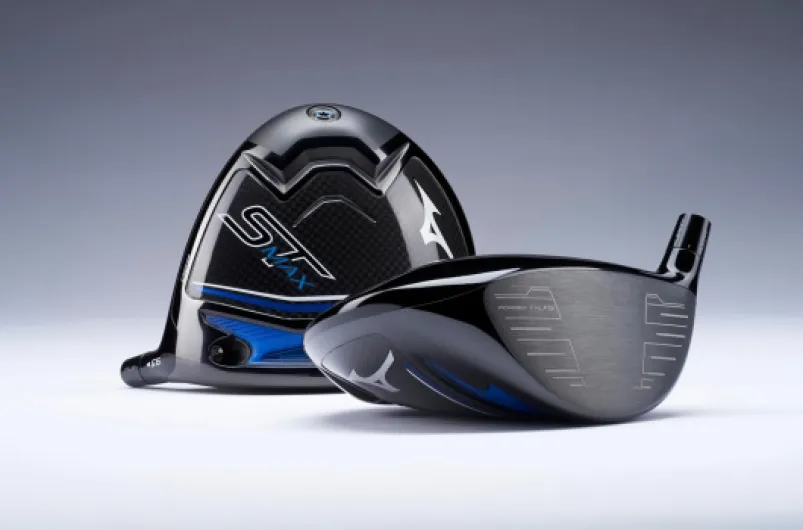
Design-wise, the ST MAX 230 is pretty reserved. At address, the head looks wide and low, which, for me, gives a sense that there’s a lot of face to hit. It sits pretty neutral behind the ball — it doesn’t look closed or super open, and there’s no obvious draw bias shape like you see on some slice-fixing drivers. If you’re used to a more compact, pear-shaped head, this might look a bit stretched, but I got used to it after a couple of holes.
The color scheme is mostly dark with some subtle detailing. Nothing too flashy, which I like. I’m not trying to play a disco ball off the tee. The top line is clean, and there aren’t a bunch of distracting alignment graphics. You basically get a simple crown that lets you focus on the ball. Mizuno uses carbon on the sole and some shaping they call a Z-axis design to bias it toward straight flight. In practice, the head just feels very stable through impact, especially on mishits low on the face or slightly towards the toe.
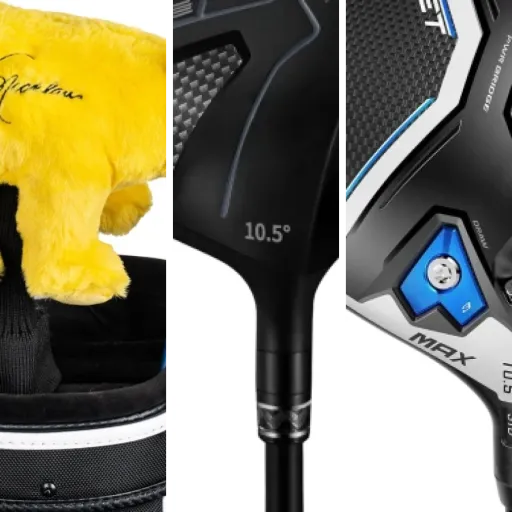
One thing I did notice is the headcover is annoyingly tight. It looks fine, but it’s a bit of a fight every time you put it back on. On a busy tee box, it’s the sort of small thing that gets on your nerves. Not a dealbreaker, but worth mentioning because you’ll use that thing every single hole. I ended up just half-seating it between shots because wrestling with it got old quickly.
If you like clean, no-nonsense design, you’ll probably be happy. If you want something that looks aggressive or super premium, this might feel a bit plain. Personally, I’d describe the design as functional and confidence-inspiring, but not particularly exciting. It does its job visually: it makes you feel like you can hit the ball straight and gives you a clear view at address, without throwing a bunch of graphics or weird shapes in your face.
In-hand feel and ease of use over a full round
In terms of comfort, I look at two things: how it feels during the swing and how tired or annoyed I am with it after 18 holes. The ST MAX 230 is actually pretty friendly on both fronts. The overall weight is moderate — not super light, not heavy. You feel like you’re swinging a proper driver, not a toy, but it doesn’t wear you out. After a full round and a bucket before, my hands and forearms weren’t complaining.
The balance of the club is nice. There’s enough head weight that you always know where the club is in the swing, which for me helps with tempo. At the same time, the regular flex shaft doesn’t feel like it’s lagging or twisting all over the place. If you have a smoother swing, this combo is quite comfortable. If you have a very violent, aggressive move from the top, you might prefer a stiffer shaft for more control, but that’s more about fitting than comfort.
The stock rubber grip is also fine comfort-wise. It has a normal thickness and decent cushioning, so mishits don’t feel harsh in the hands. On off-center hits, you feel that you missed, but it’s not painful or jarring. The muted sound and feel also help — there’s no loud, tinny “clang” that makes your ears ring. It’s more of a solid thud, which I personally prefer, especially if you’re hitting a lot of balls at the range.
The only comfort downside is again that tight headcover. Constantly fighting to get it on and off is a small but real annoyance across a whole round. It’s the kind of thing that doesn’t show up in specs but affects your experience. Apart from that, I’d say this driver is very easy to live with. It sets up nicely, swings smoothly, and doesn’t punish your body, even on a longer day with a lot of swings.
Build quality and materials: solid, modern, nothing fancy
On the materials side, Mizuno used a Titanium head (SAT2041 Beta-Ti face), carbon in the sole, and a graphite shaft, with a standard rubber grip. That’s pretty much what you expect from a modern driver at this level. The SAT2041 Beta-Ti face is supposed to be tougher than regular 6-4 titanium and resist micro-fractures over time. I obviously haven’t had it for years, but after several sessions at the range plus a few rounds, there’s no visible wear beyond normal ball marks, and the face still feels consistent.
The graphite shaft feels like a true regular flex, not one of those fake-regulars that are whippy as soon as you swing a bit harder. My swing speed is in the mid-90s mph range, and the shaft held up fine. It loads nicely without feeling like it’s lagging behind. If you swing much faster, you might want a stiffer flex, but for average golfers it’s about right. The balance between head and shaft feels well tuned: you can feel the head, but it doesn’t feel like a sledgehammer.
The grip is a standard rubber grip — nothing fancy, but it has decent tack and thickness. Out of the box, I didn’t feel the need to regrip, which is already a plus. In hot conditions with a bit of sweat, it stayed grippy enough without feeling slippery. Long term, I’d probably swap it for my preferred model, but that’s just personal taste, not a problem with the stock grip itself.
Overall, the materials feel reliable and built for regular use. No rattles, no weird sounds, no cheap plastic bits. The CORTECH Chamber (their little weight encased in TPU near the face) isn’t something you see, but you do feel that the club has a slightly solid, damped impact rather than a harsh metallic smack. If you want a driver that feels cheap and loud, this is not it. If you want something that feels like it can stay in your bag for several seasons without falling apart, it ticks that box pretty well.
Built to last regular play, not just one season
Durability is always tricky to judge in a short test, but there are a few clear signs with the ST MAX 230. After several range sessions and multiple full rounds, the face shows only normal ball marks that clean off, no weird discoloration or dents. The SAT2041 Beta-Ti they use is supposed to hold up better than standard titanium, and so far it behaves like a tough, stable face. No change in sound, no hot spots, nothing that suggests it’s wearing out quickly.
The paint and finish on the crown and sole have held up well too. I’m not super precious with my clubs — they go in and out of the bag, bump other clubs, the usual. So far, only minor surface scuffs on the sole, which is normal. The carbon areas on the sole haven’t chipped or peeled, which I’ve actually seen happen on cheaper drivers. So from a cosmetic standpoint, it seems ready for long-term use.
The shaft and grip also feel solid. The graphite shaft hasn’t shown any signs of twisting, cracking, or weird noises. The rubber grip is still tacky enough and hasn’t started to get shiny or hard, which can happen quickly with lower-quality grips. Obviously, most people will regrip after a season or two anyway, but at least out of the box it’s not something you need to rush to replace.
The only part I’m less confident about over the very long term is the headcover stitching, just because it’s so tight. For now, it’s fine, but that constant stretch every time you wrestle it on and off might wear the seams faster. That’s more of an accessory issue than a club problem though. Overall, this driver feels like something you can keep in the bag for several years of regular weekend play without babying it, and it should still perform the same.
On-course performance: straight, stable, and honest
Performance-wise, this is where the ST MAX 230 starts to make sense. My baseline: I usually hit a small fade, swing speed mid-90s mph, and my misses are mostly high-right or low-heel. With this driver, my dispersion tightened up noticeably. The ball flight tends to stay pretty straight with a gentle fade, and even on slight mishits, the ball stayed in the fairway or just off it more often. I’m not suddenly hitting every fairway, but the really wild misses were reduced.
Distance-wise, it’s on par with other modern drivers. I didn’t see huge gains, but I also didn’t lose distance. My good drives were in the same range as with my previous big-brand driver, maybe a hair more carry when I caught it high on the face. Where it helped more was on off-center hits: instead of dropping 20–30 yards short, most of my mishits were only 10–15 yards behind a solid strike and didn’t curve as much. That’s where the forgiveness and the CORTECH Chamber stuff seem to actually show up in real life.
The launch and spin felt pretty controlled. With the 10.5° set to standard, I got a mid launch with moderate spin, so the ball carried well and didn’t balloon. I did play with the Quick Switch adaptor and knocked the loft down a notch on a windy day, and it did lower the flight a bit, which was useful. The adjustability isn’t crazy, but it’s enough to fine-tune how the ball flies without turning it into a different club.
It’s not a miracle worker. If you put a terrible swing on it, the ball still goes into trouble. But for a regular golfer with a halfway decent swing, the combination of stability, forgiveness, and straight bias makes it a pretty reliable driver. Compared to something like a more low-spin, tour-focused model, you give up a bit of workability and maybe a couple yards of max distance, but you gain easier, repeatable shots that actually find the fairway more often. For most mid-handicaps, that trade-off is worth it.
What you actually get with this driver
Out of the box, the Mizuno ST MAX 230 comes with the head, a graphite regular flex shaft, a standard rubber grip, and a pretty tight headcover. No fancy extras, no extra weights in a little kit, just the basic package. For some people that’s totally fine — you’re buying a driver, not a toy set. But if you like to tinker with adjustable weights, this isn’t that kind of product. The only adjustability you get is from the Quick Switch adaptor, which lets you tweak loft by a few degrees.
The club I used is the 10.5° right-handed version with a regular flex graphite shaft. On paper, it’s aimed at the typical mid-handicap golfer: not a beginner, not a pro, swing speed somewhere in the middle. The head is fairly wide and low, which gives it a sort of "sit stable behind the ball" vibe. Mizuno calls it straight bias, and that’s honestly how it plays: it doesn’t fight a slice like a super-offset driver, but it also doesn’t want to hook hard.
In the hand, it feels like a modern, mid-premium driver. You can tell it’s not a cheap knock-off: the paint is clean, the carbon bits are well integrated, and the shaft doesn’t feel like a noodle. At the same time, it doesn’t scream luxury. It’s more of a workhorse look. The face material is SAT2041 Beta-Ti, which basically means it’s built to handle a lot of hits without wearing out quickly. That’s nice if you plan to keep it for several seasons instead of swapping every year.
Overall, the presentation is pretty simple: this is a straight-shooting driver with a focus on stability and forgiveness, plus enough adjustability to fine-tune loft. No gimmicky accessories, no wild designs. If you like a clean, functional package that you can stick in the bag and just play, it fits that profile. If you want a lot of customization out of the box, you might feel it’s a bit barebones.
Pros
- Very stable, straight-biased ball flight with good forgiveness on mishits
- Solid, muted feel at impact with reliable distance comparable to other modern drivers
- Simple, functional design with enough loft adjustability to fine-tune trajectory
Cons
- Headcover is extremely tight and annoying to use regularly
- Limited adjustability compared to drivers with moveable weights and more settings
- Looks and overall package feel a bit plain for the price if you like flashier gear
Conclusion
Editor's rating
The Mizuno ST MAX 230 driver is a straight, stable, no-drama option for golfers who care more about fairways than bragging about 300-yard bombs. In my rounds with it, dispersion tightened up, mishits stayed more playable, and the overall feel was solid and muted instead of loud and harsh. Distance is right where you’d expect from a modern driver: not a rocket launcher, but definitely not short either. The real benefit is that your bad swings get punished a bit less, which for most of us is worth more than a couple of extra yards.
It’s best suited for mid-handicap, average-swing-speed players who want a driver that’s easy to aim, easy to swing, and doesn’t need constant tinkering. If you like a clean look, a stable head, and a predictable ball flight, you’ll probably be happy with it. On the flip side, if you’re a high-speed player chasing ultra-low spin, or someone who loves moving weights around and dialing in every tiny setting, this might feel a bit basic. Also, small things like the overly tight headcover and the relatively plain look keep it from feeling premium in every detail.
Overall, I’d rate it as a very solid, dependable driver: not flashy, not magical, but it gets the job done and helps keep the ball in play. If that’s what you’re after, it’s worth a serious look. If you want maximum adjustability or a very specific ball flight shape, you might want to test it against more specialized models before deciding.