Key technologies behind modern soft feel golf balls
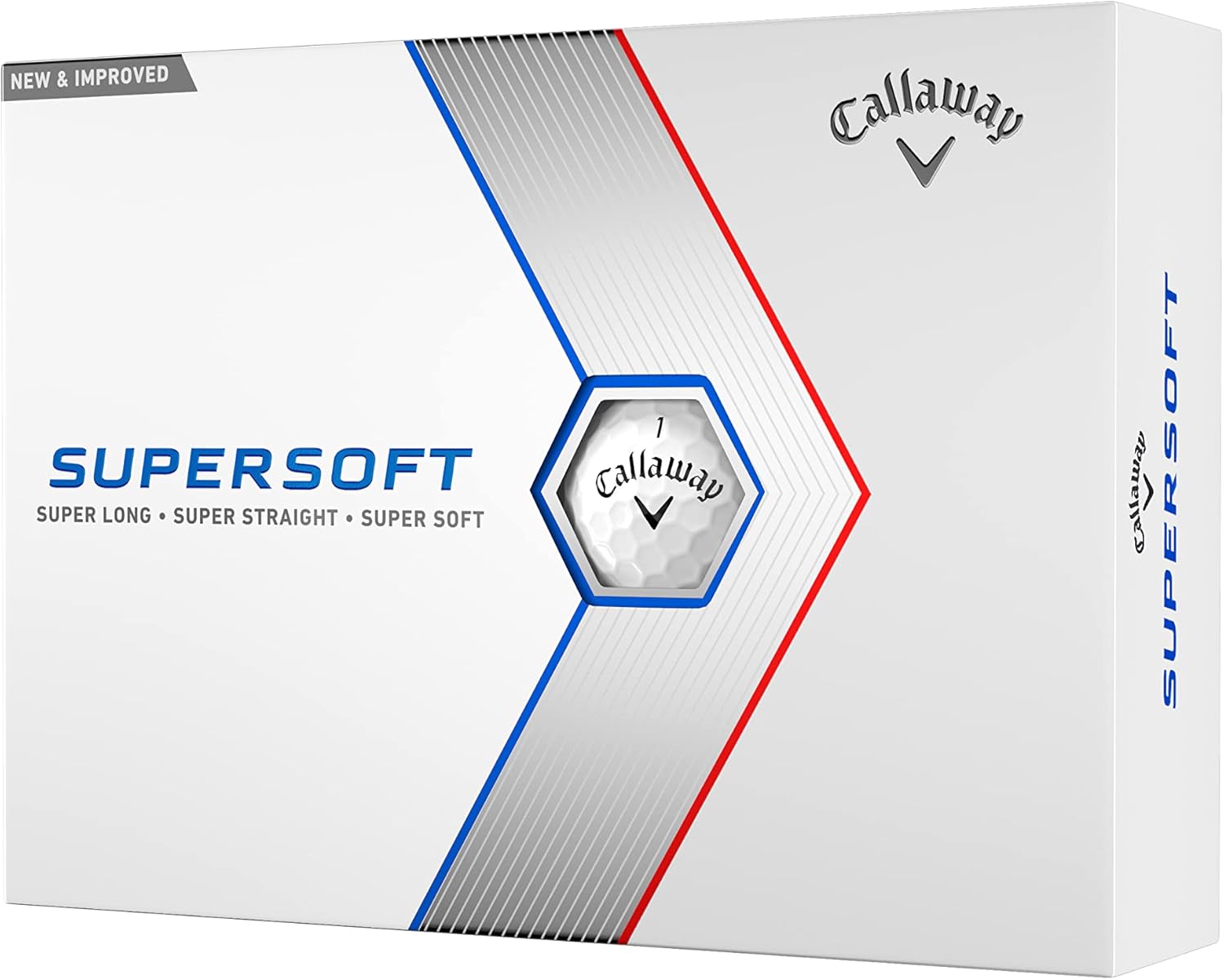
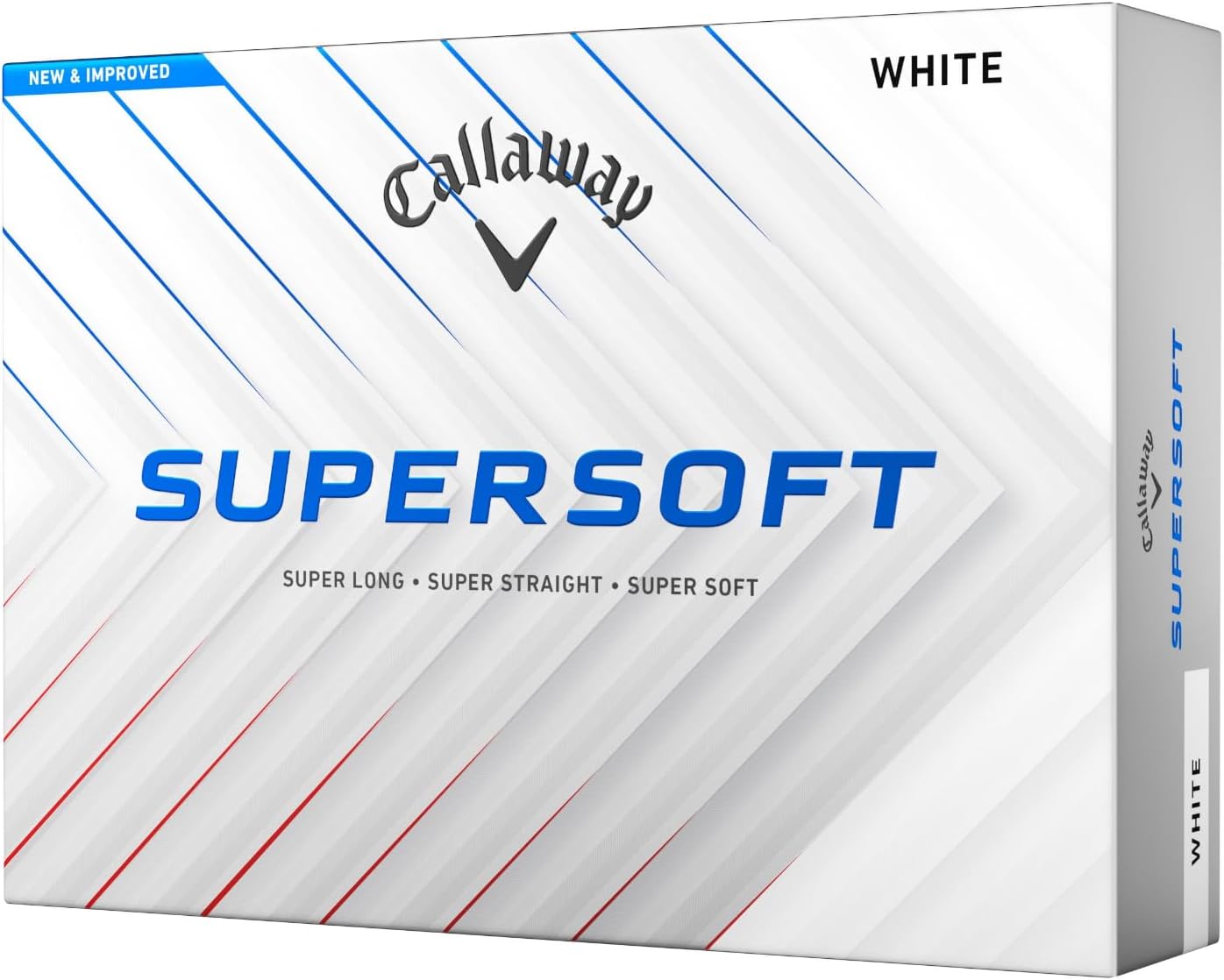
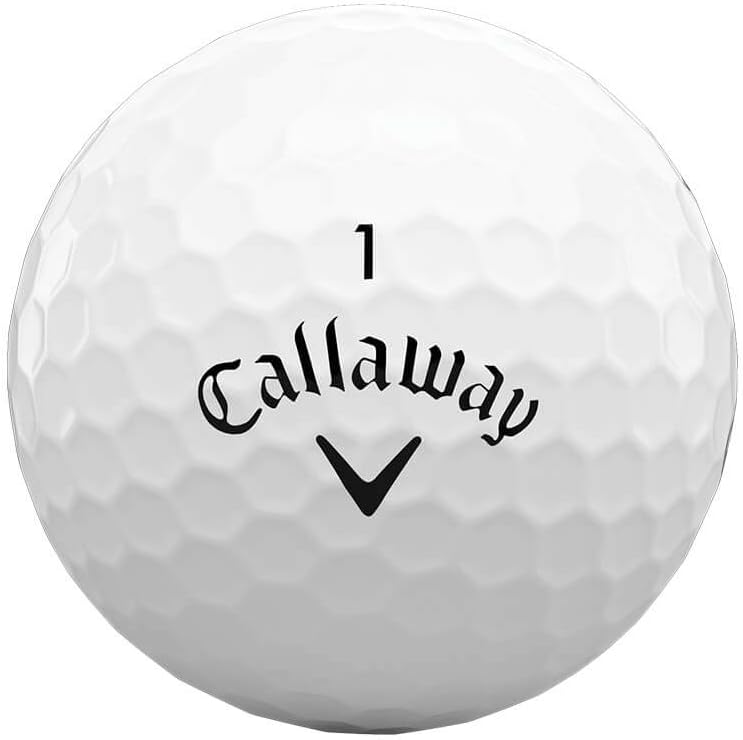
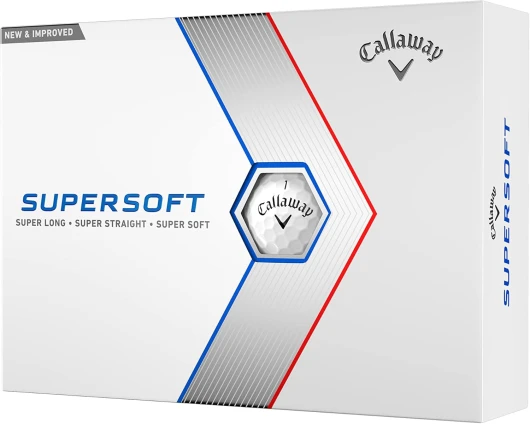
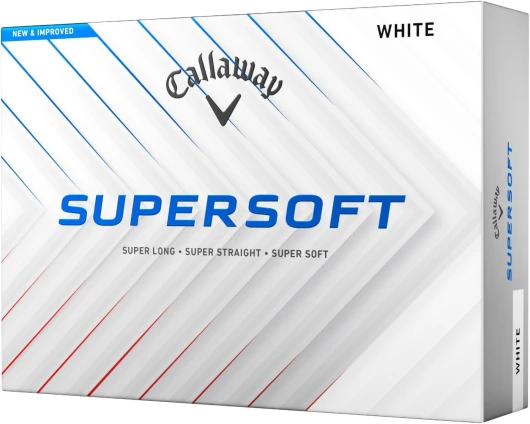
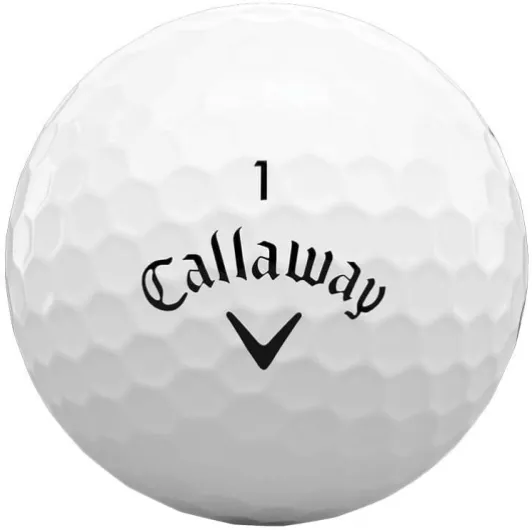
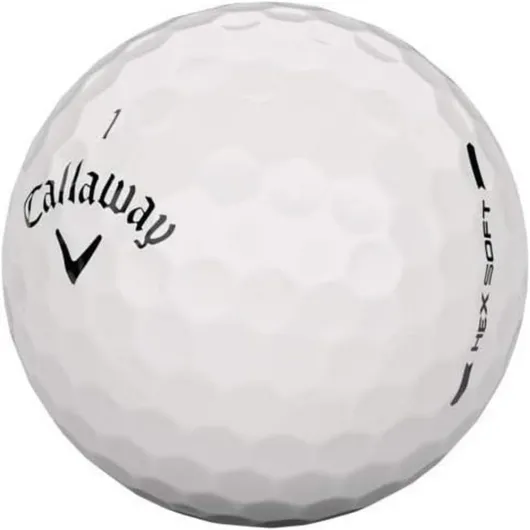
Modern soft feel golf balls rely on low compression cores, thin covers and aerodynamic dimple patterns to balance feel and performance. The Callaway Supersoft, for example, uses an ultra low compression core that many golfers with slower swing speeds find exceptionally responsive. According to CaddieHQ data, Callaway Supersoft has a compression rating of approximately 38, which helps the ball feel soft at impact while still generating useful distance.
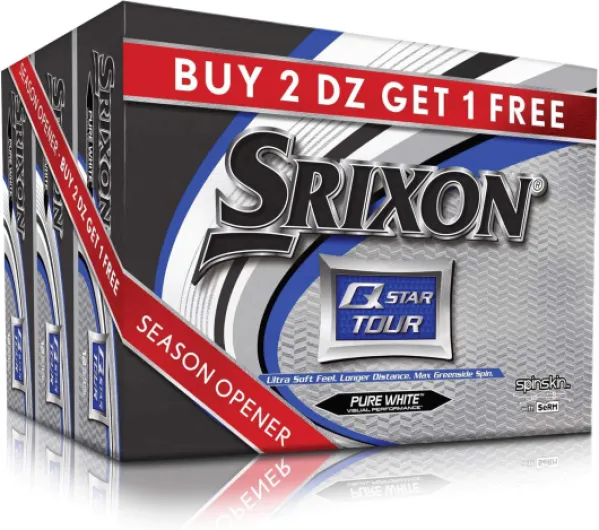
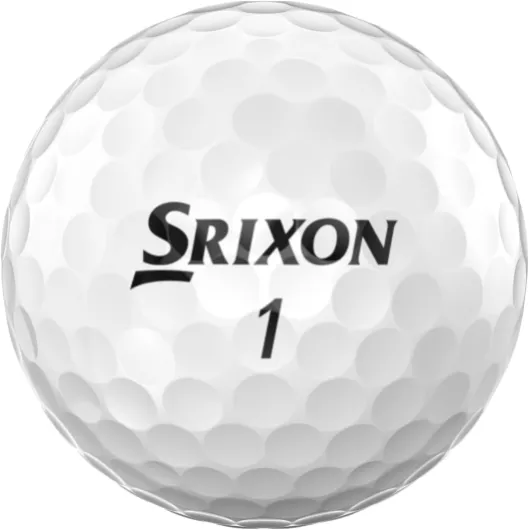
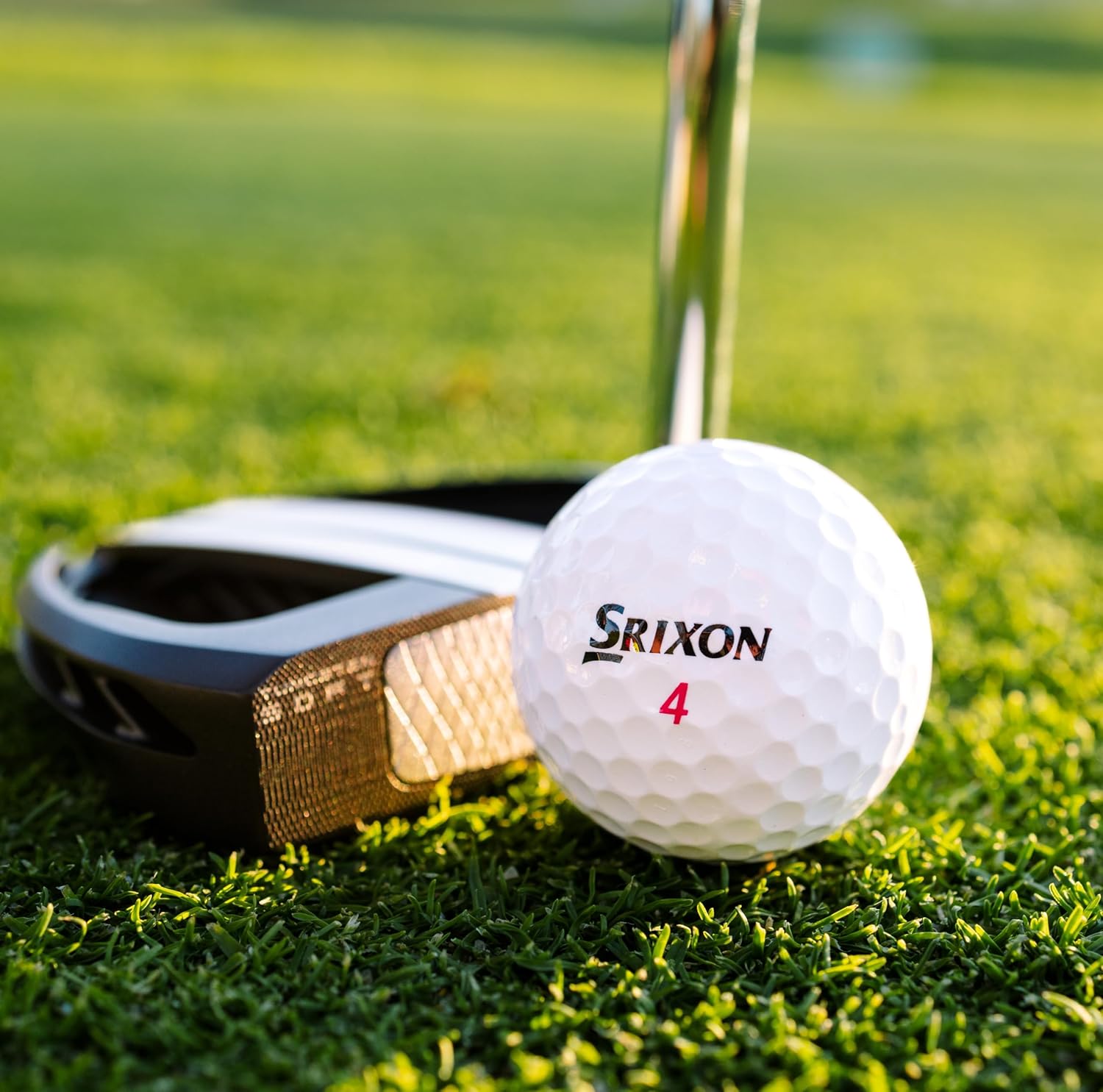
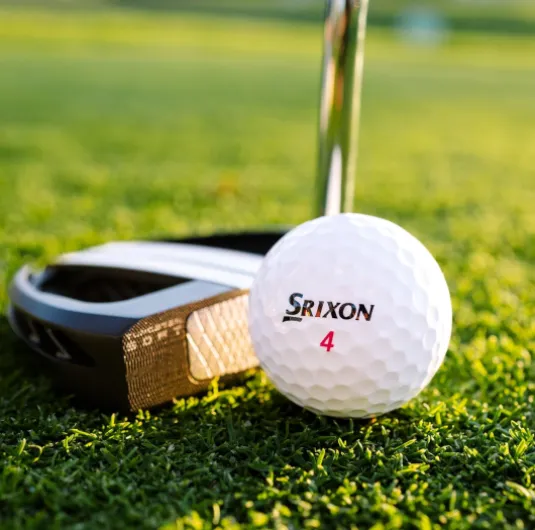
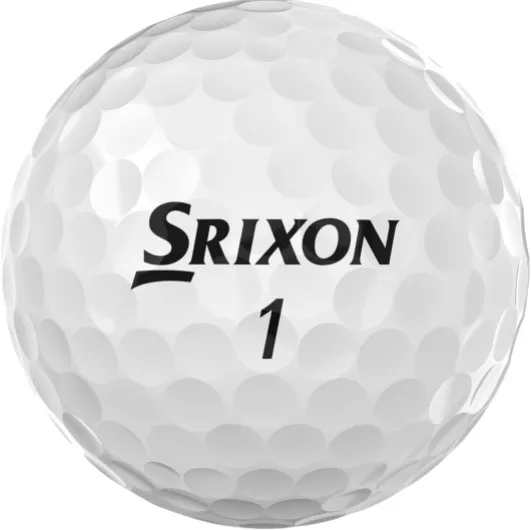
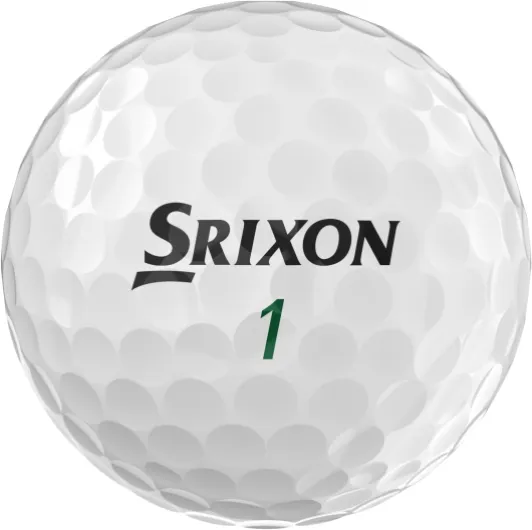
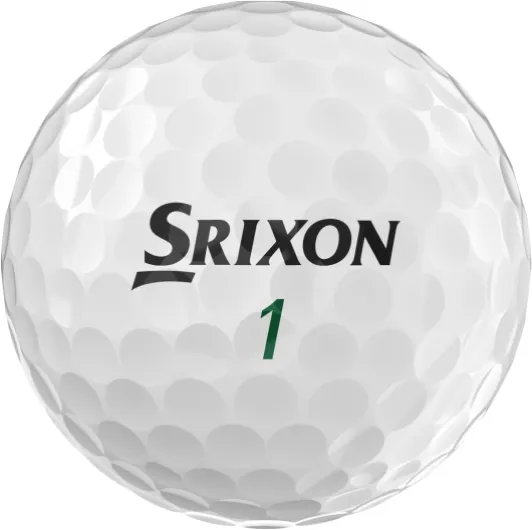
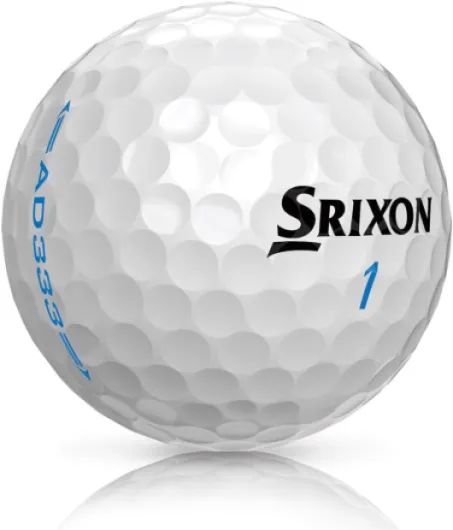
Another benchmark in this space is Srixon Soft Feel, which features a 338 Speed Dimple Pattern designed to reduce drag and stabilize flight. That dimple geometry helps maintain ball speed mph through the air, supporting consistent distance even when the swing is not perfectly centered. For golfers who value a long straight trajectory more than aggressive high spin, this type of aerodynamic tuning can be more important than a tour label.
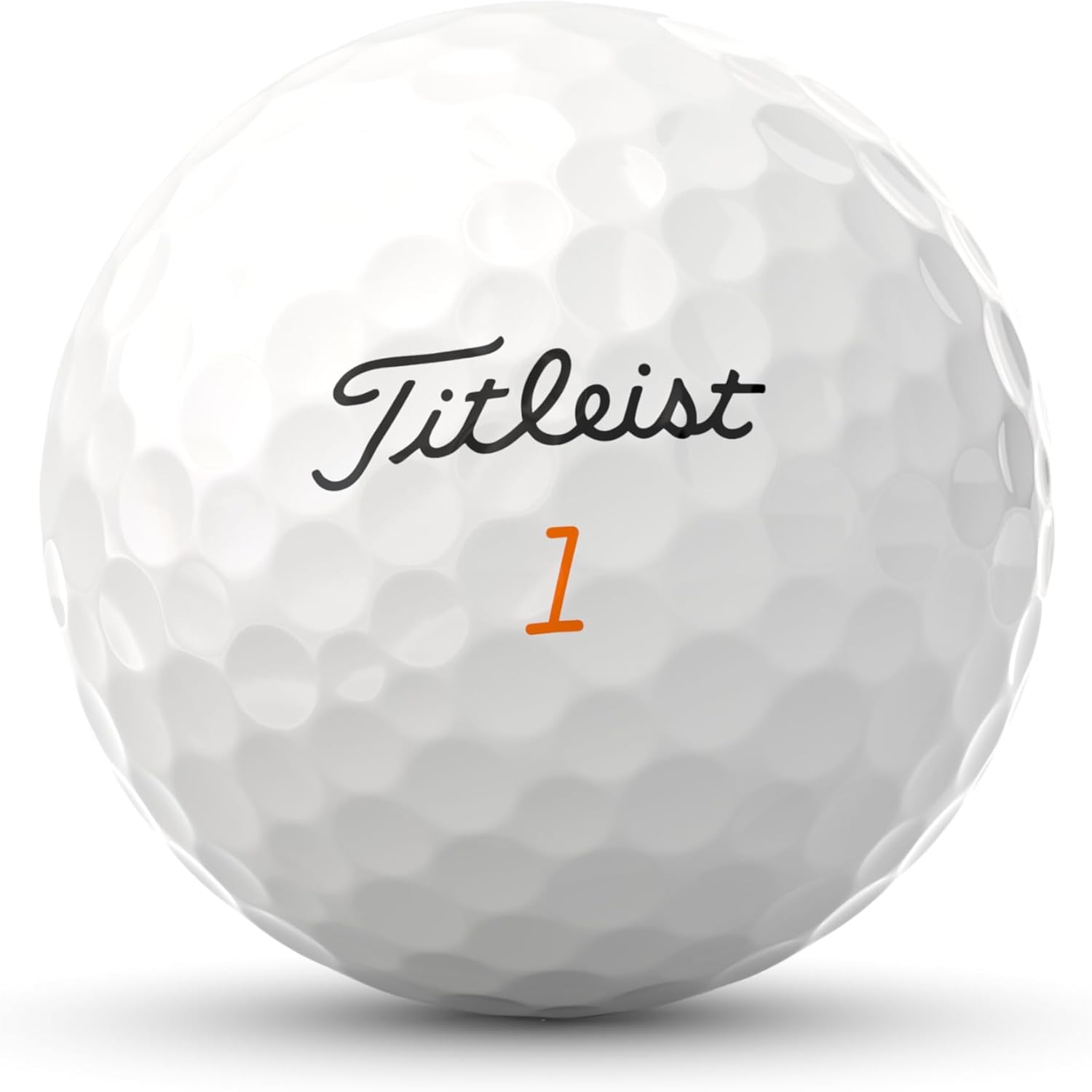
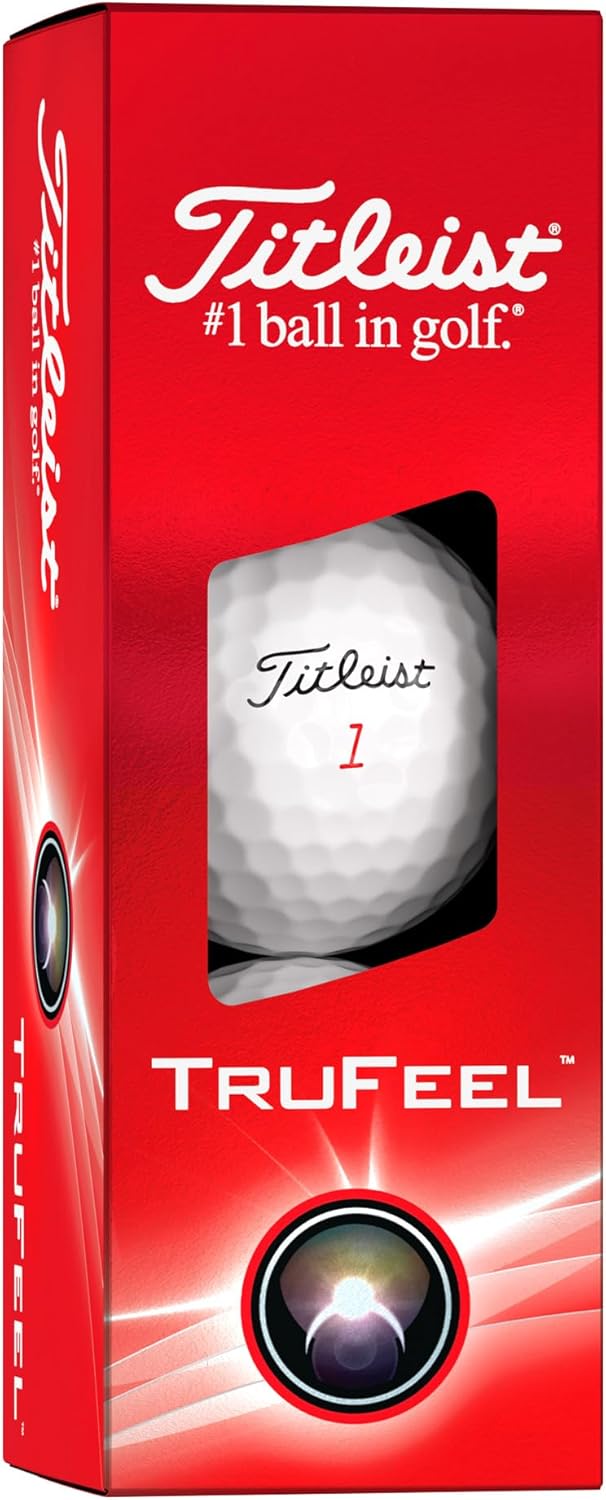
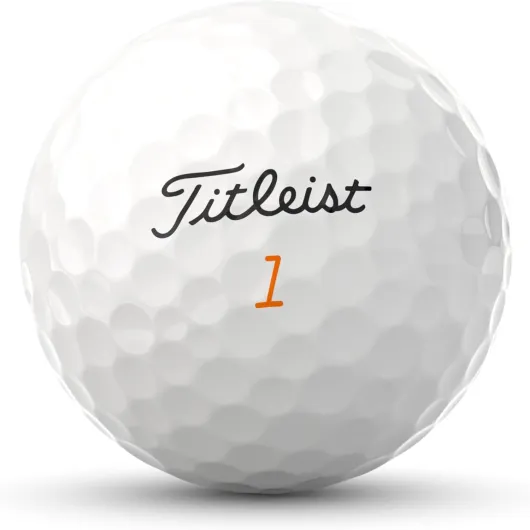
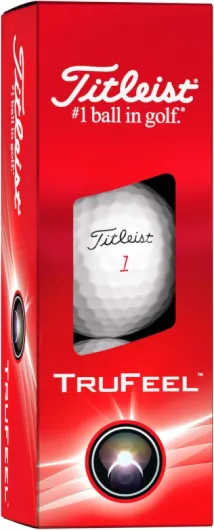
Titleist TruFeel represents the premium brand approach to the best soft feel golf balls, focusing on exceptionally soft feel and reliable short game control. Around the green, TruFeel offers more nuanced spin and stopping power than some distance oriented soft balls, which benefits players who like to flight wedges precisely. On luxury resort layouts or challenging desert golf challenges, such as those described in this guide to unexpected yet luxurious desert golf challenges, that extra control can be decisive.
Across these models, the common thread is a design that prioritizes soft feel without sacrificing essential performance metrics like distance, spin and durability. Each golf ball is a carefully engineered piece of equipment, not just a commodity sphere. When you evaluate golf balls in this category, it is worth reading a detailed ball review and, where possible, arranging a personal test session on grass.
Matching soft feel golf balls to your swing speed and playing style
Selecting the best soft feel golf balls begins with an honest assessment of your swing speed. Golfers with a driver swing speed below roughly 90 mph often benefit most from very low compression balls like Callaway Supersoft or similar supersoft golf designs. These balls compress easily, helping convert limited swing speeds into efficient ball speed and stable distance.
Players with medium swing speeds, perhaps in the 90 to 100 mph range, may prefer a slightly firmer soft feel golf ball that offers more spin control. In this bracket, models like Srixon Soft Feel or Titleist TruFeel can provide a refined balance between soft feel and responsive spin, especially in the short game. The goal is to avoid a ball that feels mushy off the driver yet still delivers a pleasingly soft feel with irons and wedges.
For higher swing speeds, some golfers still choose soft feel constructions, but they must pay close attention to spin and trajectory. Excessively soft golf balls at very high swing speeds can generate too much spin, leading to ballooning flight and lost distance. A structured test with launch monitor data, including speed mph, spin rates and peak height, will quickly reveal whether a given golf ball suits your swing.
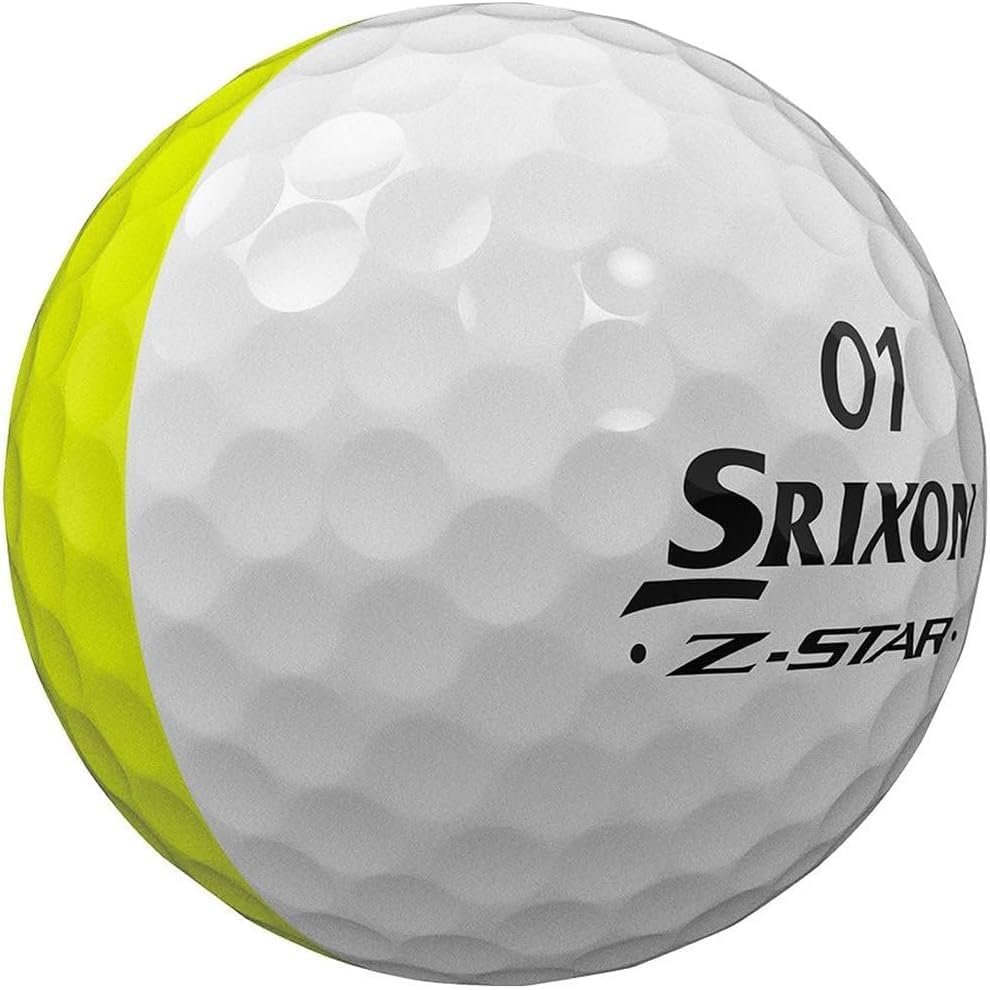
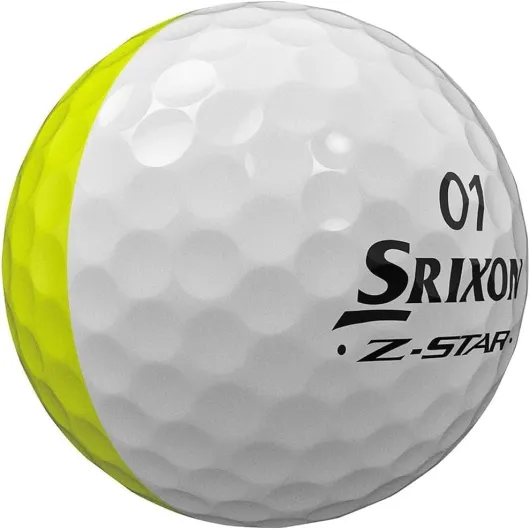
Luxury oriented golfers often integrate ball testing into broader trips to elite desert golf courses, combining fitting sessions with memorable travel. On firm tee green complexes, the right soft feel golf balls can help you hold fast greens without sacrificing roll on the fairways. Whether you prefer white yellow finishes or classic white, the correct golf balls will enhance both performance and aesthetic pleasure.
On course performance from tee to green with soft feel designs
From the first tee shot, the best soft feel golf balls aim to deliver a controlled, long straight flight. With the driver, low compression cores help golfers achieve adequate ball speed even when swing speeds are modest, while reduced sidespin keeps the ball on line. Many golfers report that Callaway Supersoft and similar supersoft golf models feel particularly stable when the swing is slightly off center.
Into the green, soft feel golf balls shine with irons and hybrids, where the combination of soft covers and tuned spin profiles promotes predictable distance. You may notice that approach shots land with a gentle hop and controlled rollout rather than a harsh skid, especially when using a well struck mid iron. This tee green consistency is one reason many players consider these models among the best golf options for everyday play.
Around the green, the short game benefits from the tactile feedback that a soft feel golf ball provides on chips, pitches and bunker shots. While some ultra soft models, including Callaway Supersoft, offer slightly less high spin than tour urethane balls, they still provide enough spin performance for most golfers. The key is that the feel golf sensation off the face encourages confident stroke making, particularly on delicate shots.
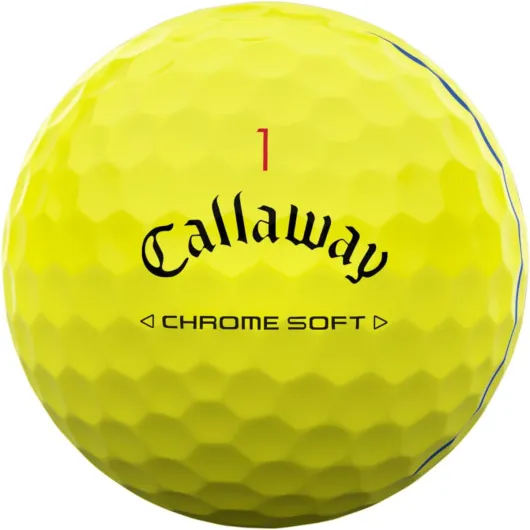
On the putting surface, a soft feel golf ball produces a muted sound and gentle roll that many luxury focused golfers prefer. Whether you choose a classic white finish or a white yellow variant for better visibility, the ball will feel soft yet solid through impact. Over an entire round, that consistent feel can reduce fatigue and help you maintain a smooth, repeatable putting stroke.
Comparing leading soft feel models and niche luxury options
Within the soft feel category, several mainstream models stand out for their blend of performance and value. The Callaway Supersoft is often hailed as the king of soft, offering remarkable softness from tee to green. Titleist's TruFeel delivers premium brand quality with an exceptionally soft feel.
Alongside these leaders, Srixon Soft Feel appeals to golfers who want a slightly firmer response with excellent distance and stable flight. Its 338 Speed Dimple Pattern helps maintain speed mph through the air, supporting consistent carry even in breezy conditions. For many golfers, this ball strikes an ideal balance between soft feel and robust performance across the bag.
Luxury minded players sometimes explore more specialized constructions, including staff model inspired balls that prioritize precision and feedback. While not always marketed as supersoft golf products, some of these designs still offer a pleasingly soft feel with elevated spin performance for advanced short game control. In such cases, a detailed ball review and on course test become essential to ensure the ball will match your swing and scoring priorities.
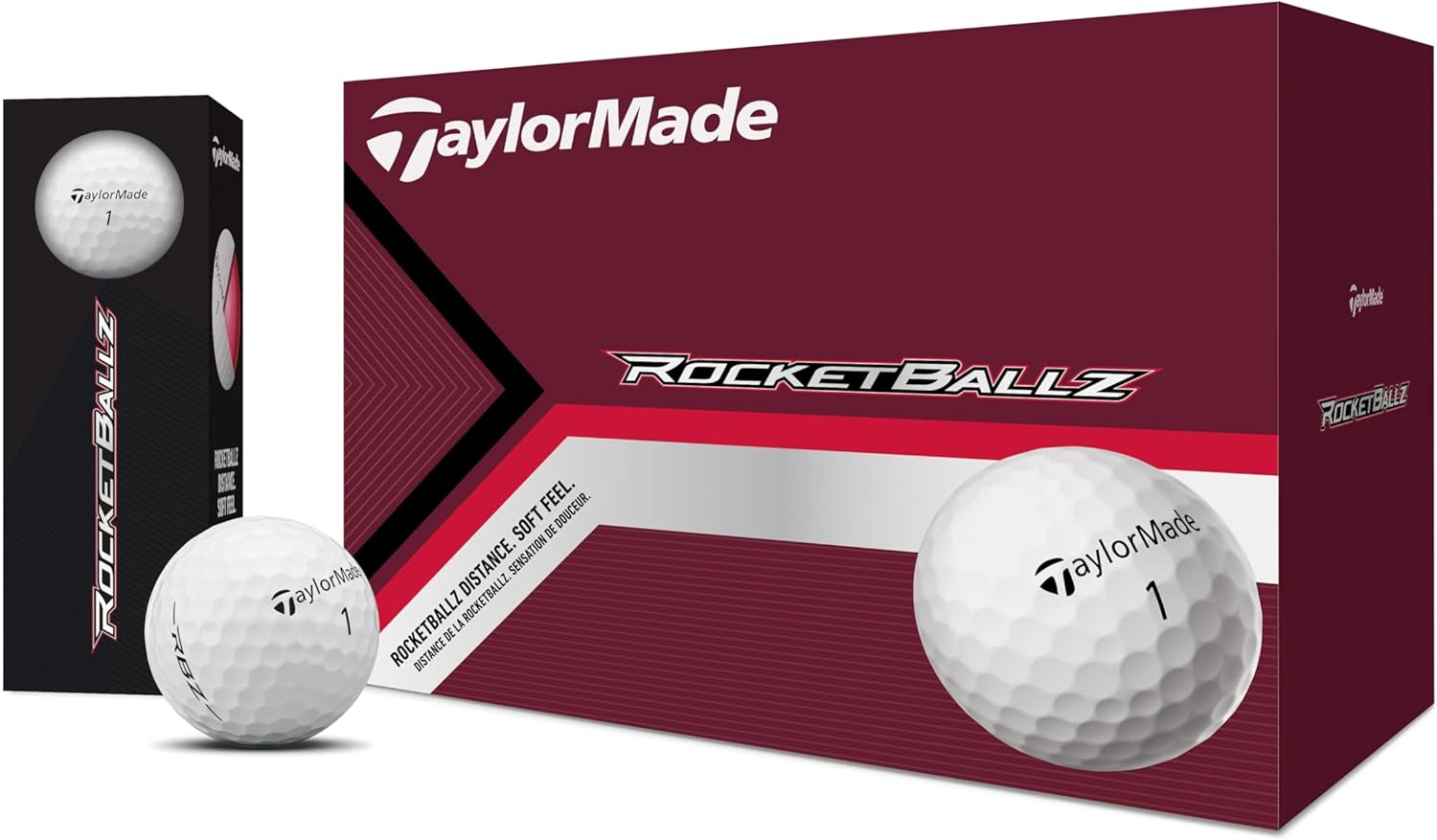
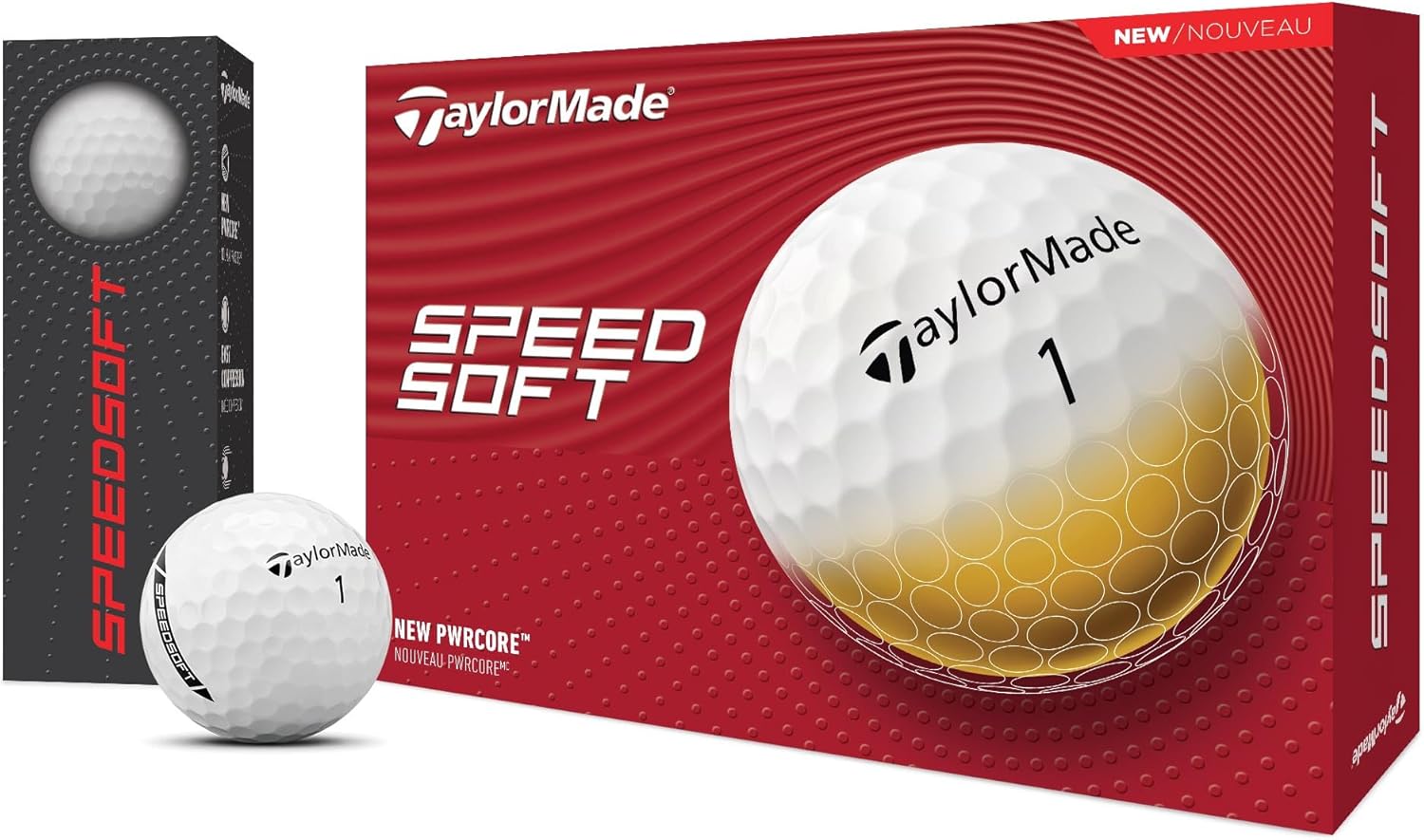
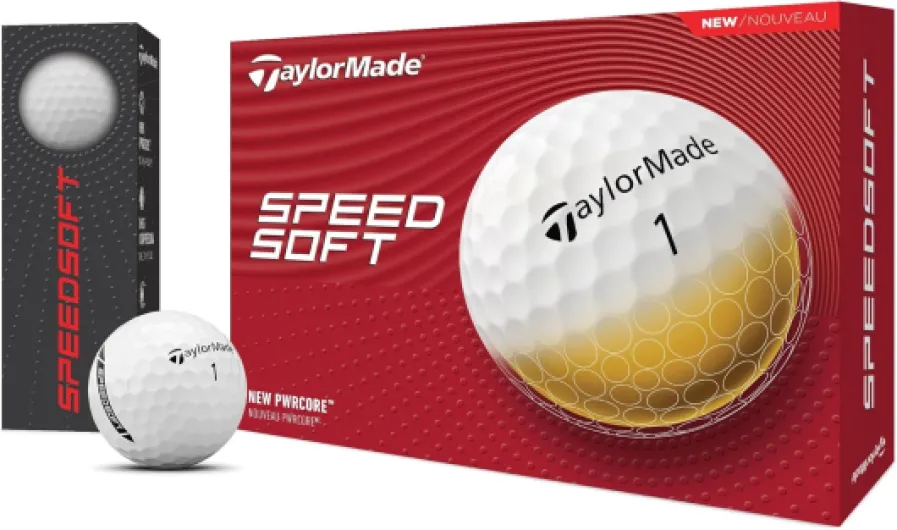
Emerging designs like Taylormade Speedsoft illustrate how brands are blending soft feel with modern distance technology. These golf balls aim to provide a soft feel sensation while maintaining strong distance and manageable spin, especially for moderate swing speeds. When you compare balls, pay attention to how each piece of technology inside the golf ball influences launch, spin and overall performance.
Practical testing, personalization and a deeper luxury perspective
To choose the best soft feel golf balls for your game, structured testing is indispensable. Begin with a simple driver and wedge test on the practice ground, noting launch, distance and feel for each golf ball model. Then move to the course, where real lies, wind and pressure will reveal how each ball will behave from tee green.
Use launch monitor data where possible, tracking swing speed, ball speed mph, spin rates and dispersion patterns. This quantitative layer complements your subjective impressions of soft feel, sound and feedback at impact. Over several rounds, you will see which golf balls consistently produce long straight drives, reliable approaches and confident short game shots.
Personalization adds another dimension to the luxury golf experience, whether through ink golf markings, monograms or custom alignment lines. Many brands now offer white yellow and other premium finishes, allowing golfers to match their ball to their bag, apparel or even a preferred staff model aesthetic. For players who view every piece of equipment as an expression of style, these details matter as much as raw performance.
Finally, consider integrating ball fitting into broader high end golf travel, such as exploring new horizons in golfing getaways with expert guidance. On such trips, you can test different golf balls across varied conditions, from coastal winds to firm desert greens. This deeper engagement with equipment turns the search for the best soft feel golf balls into a refined, ongoing part of your golfing life.
Key statistics on soft feel golf ball technology
- Callaway Supersoft features an approximate compression rating of 38, supporting very soft feel for golfers with slower swing speeds.
- Srixon Soft Feel incorporates a 338 Speed Dimple Pattern, engineered to reduce drag and stabilize flight for consistent distance.
- Market analysis indicates a soft feel golf ball segment value of around 500 000 000 USD globally, reflecting strong demand among amateur golfers.
- Forecasts suggest steady growth in the soft feel golf ball market over the coming years, driven by technological advancements and rising participation.
- Research for leading soft feel golf balls combines product testing, consumer surveys and market analysis conducted under ethical guidelines.


![Z-Star Golf XV Balls [24-Ball] White](https://www.myluxurygolf.com/storage/737387/conversions/519AP73tjiL._AC_SL1000_-medium.webp)