Construction, compression and spin in elite golf balls
Every luxury focused golfer should understand how construction shapes performance in the best tour level golf balls. Most premium golf designs use multi piece cores and mantles to separate driver ball speed from wedge spin, allowing a single golf ball to launch high with low spin off the driver yet produce aggressive spinning control with a lofted iron. This is why a three piece ball can feel very different from a four or five piece ball, even when compression numbers look similar.
On a launch monitor, you will see that a firmer tour level model often produces higher ball speed at the same swing speeds in mph, especially with the driver. Softer balls may feel more luxurious, yet they can sacrifice a little carry distance for extra short game spin and a more muted strike off the face. The key is to match compression to your personal data rather than chasing whatever your favourite tour star happens to play on staff contracts.
Independent testing backs this up ; “The performance differences between premium tour balls are often fractions of a yard off the tee—but full yards around the green when attack-angle and spin are dialed.” That insight should guide how you read any ball review, whether it covers callaway chrome designs, a chrome tour X variant or a srixon star diamond prototype. For deeper technical context on layers, dimples and spin windows, many golfers benefit from a specialist guide to tour ball spin versus distance that explains how game spin profiles change with different irons and wedges.
How leading tour models compare for luxury performance
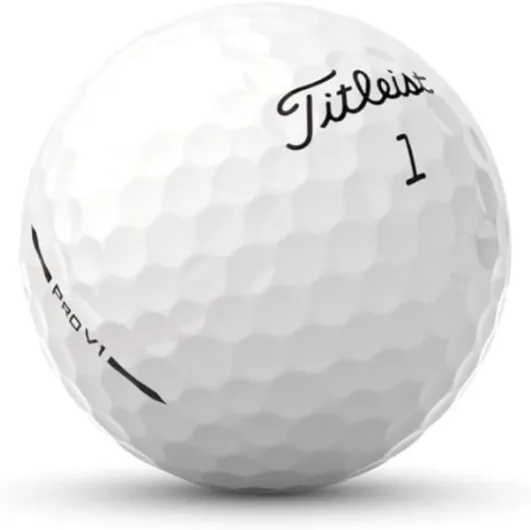
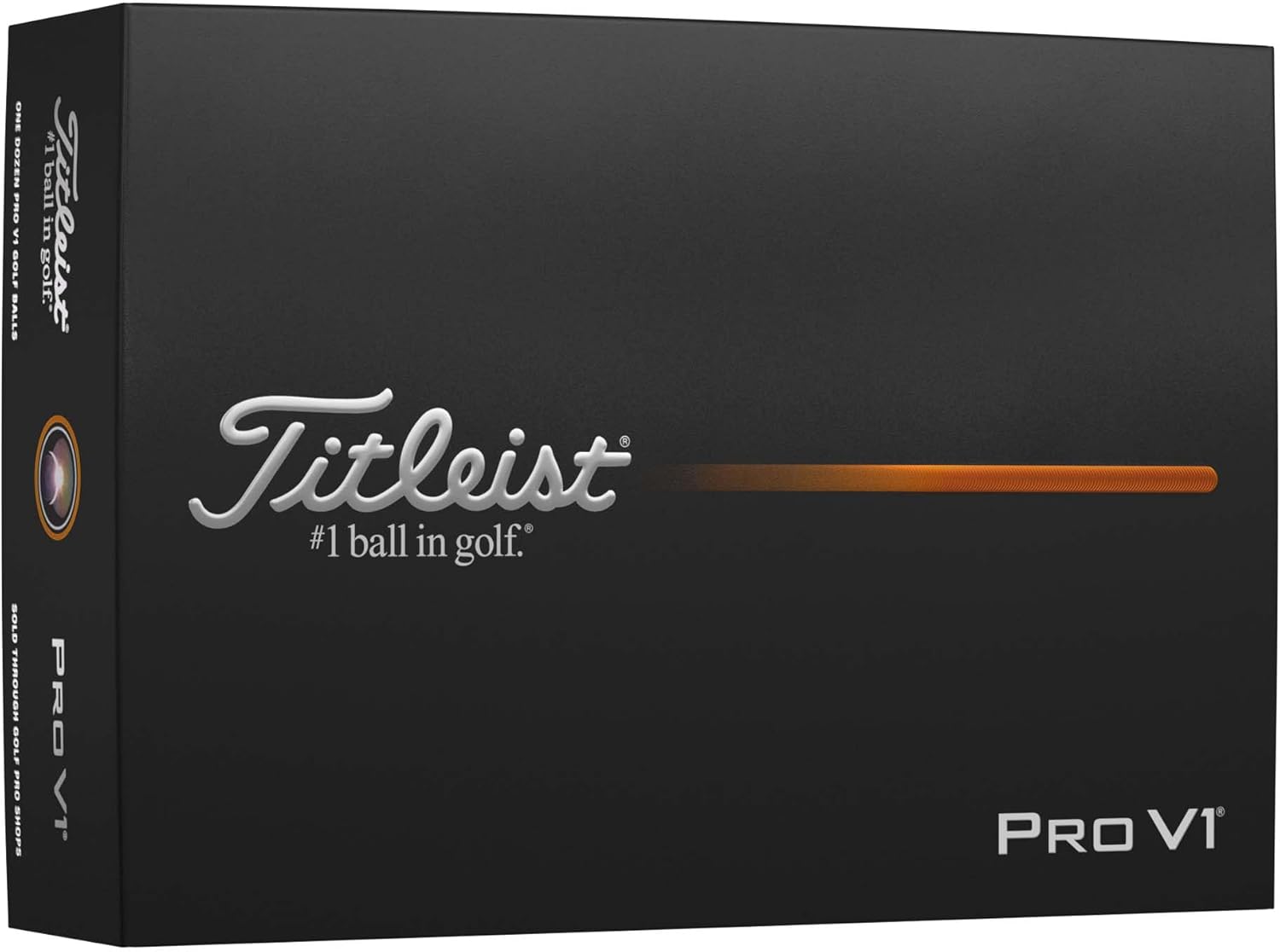
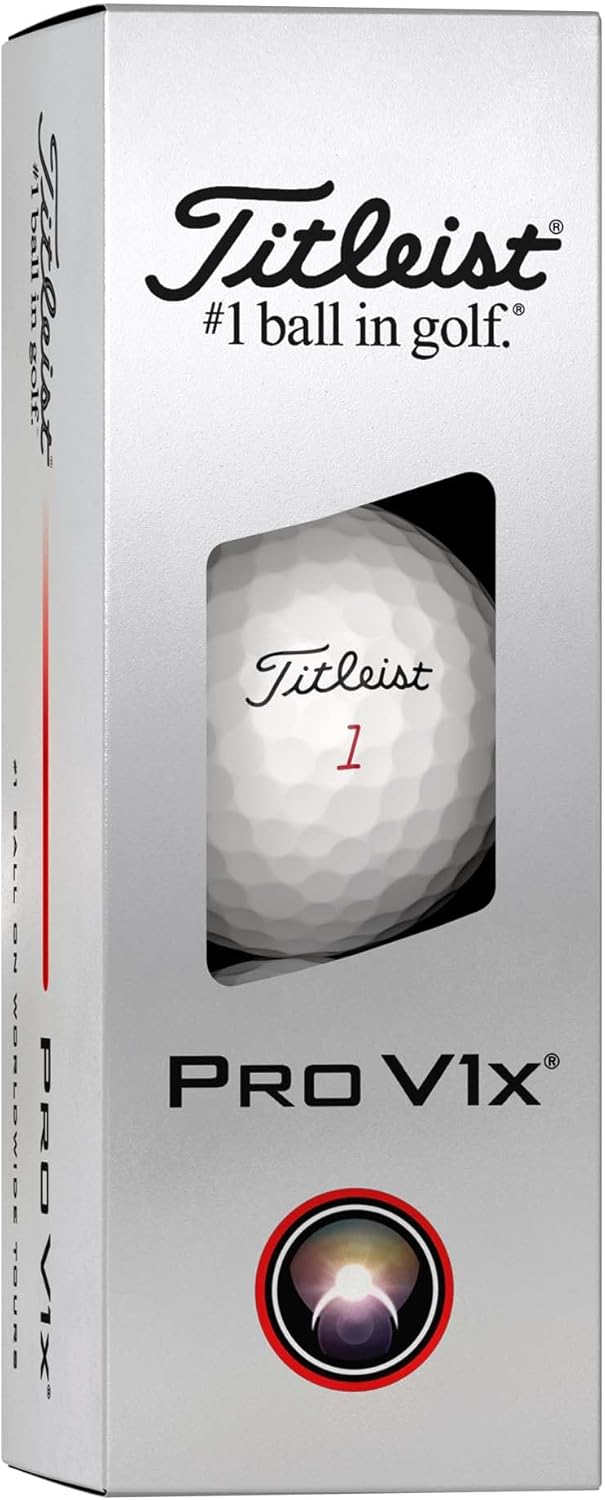
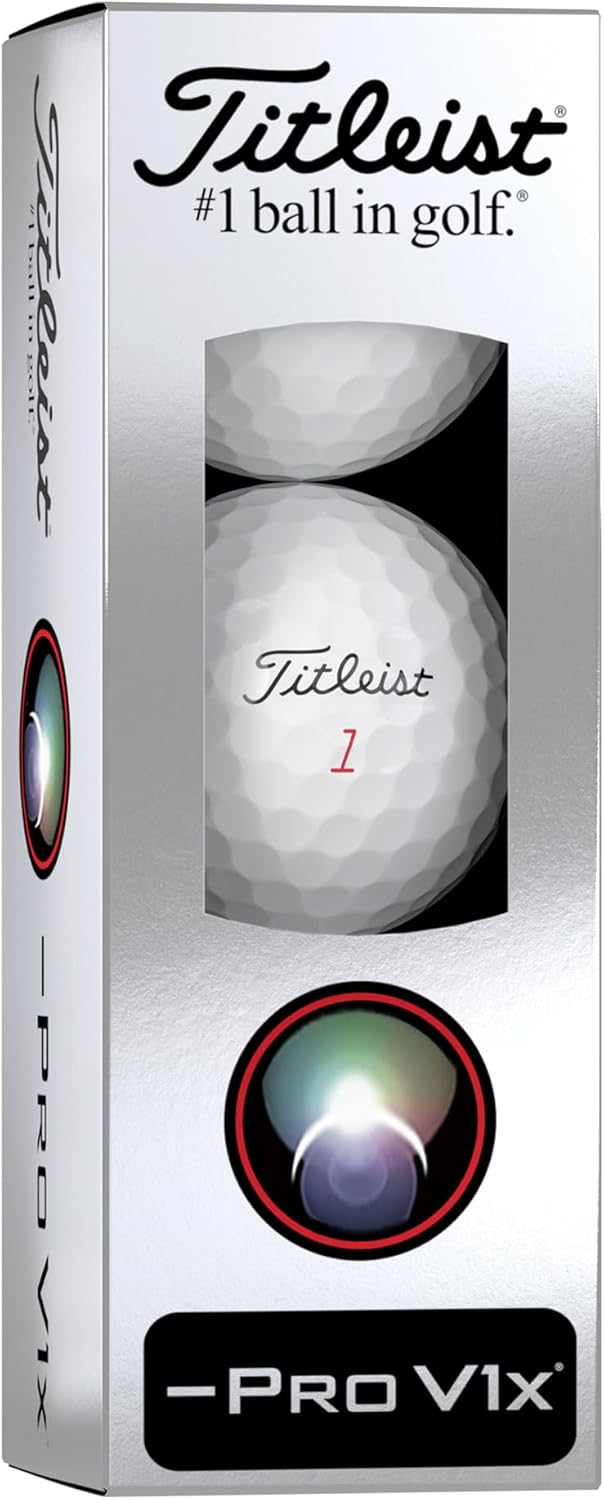
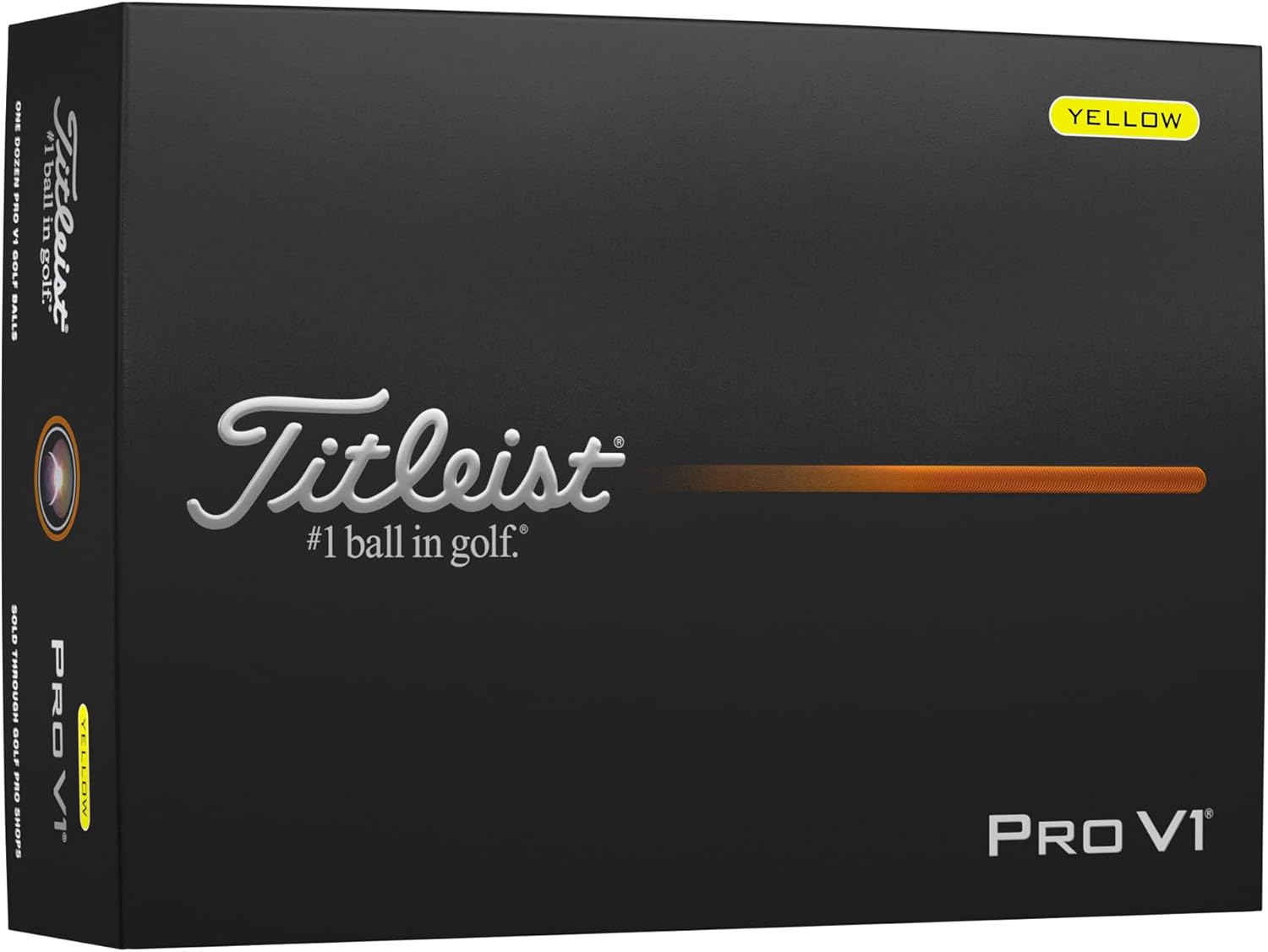
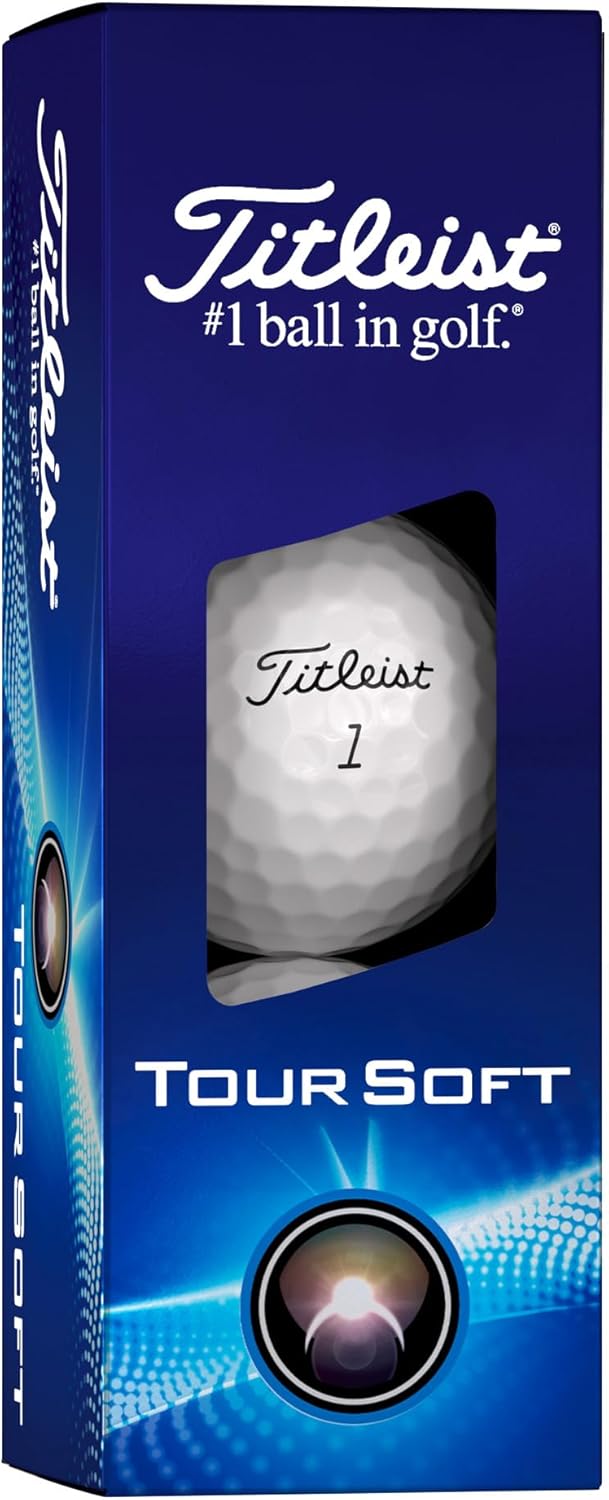
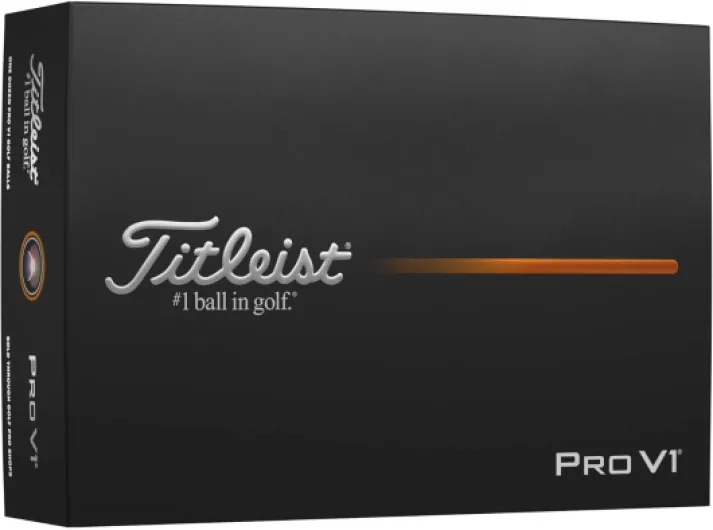
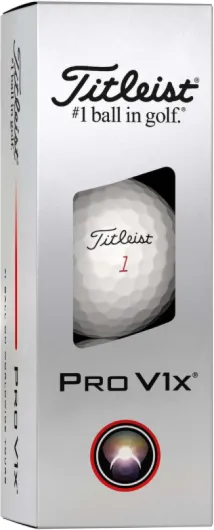
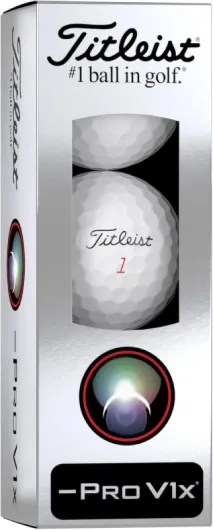
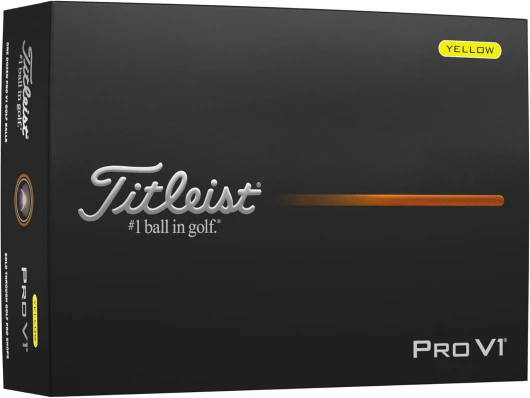
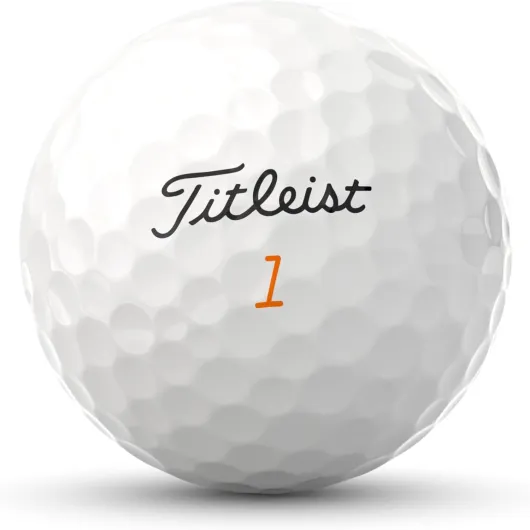
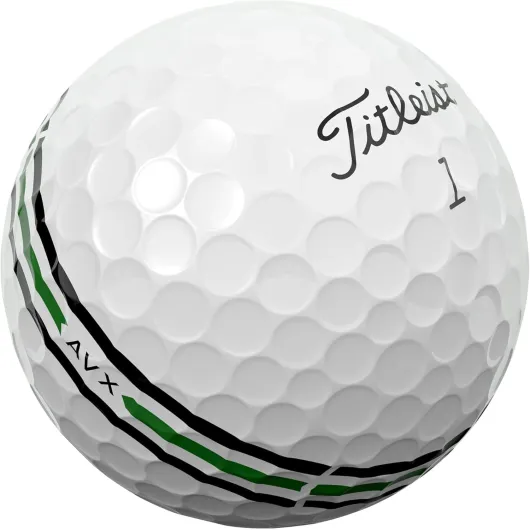
Among the best tour level golf balls, a few models consistently stand out for demanding golfers. Titleist Pro V1 remains a benchmark premium golf ball, offering mid flight, balanced spin and exceptional feel that many low handicap players call the best golf option for all round control. Its sibling Pro V1x raises flight and spin, suiting higher swing speeds in mph that need extra stopping power into firm greens.
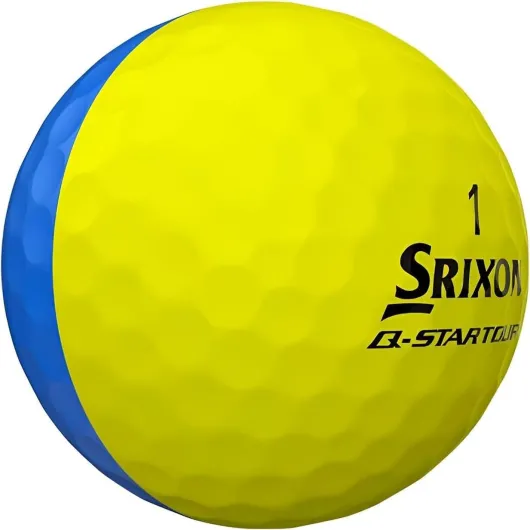
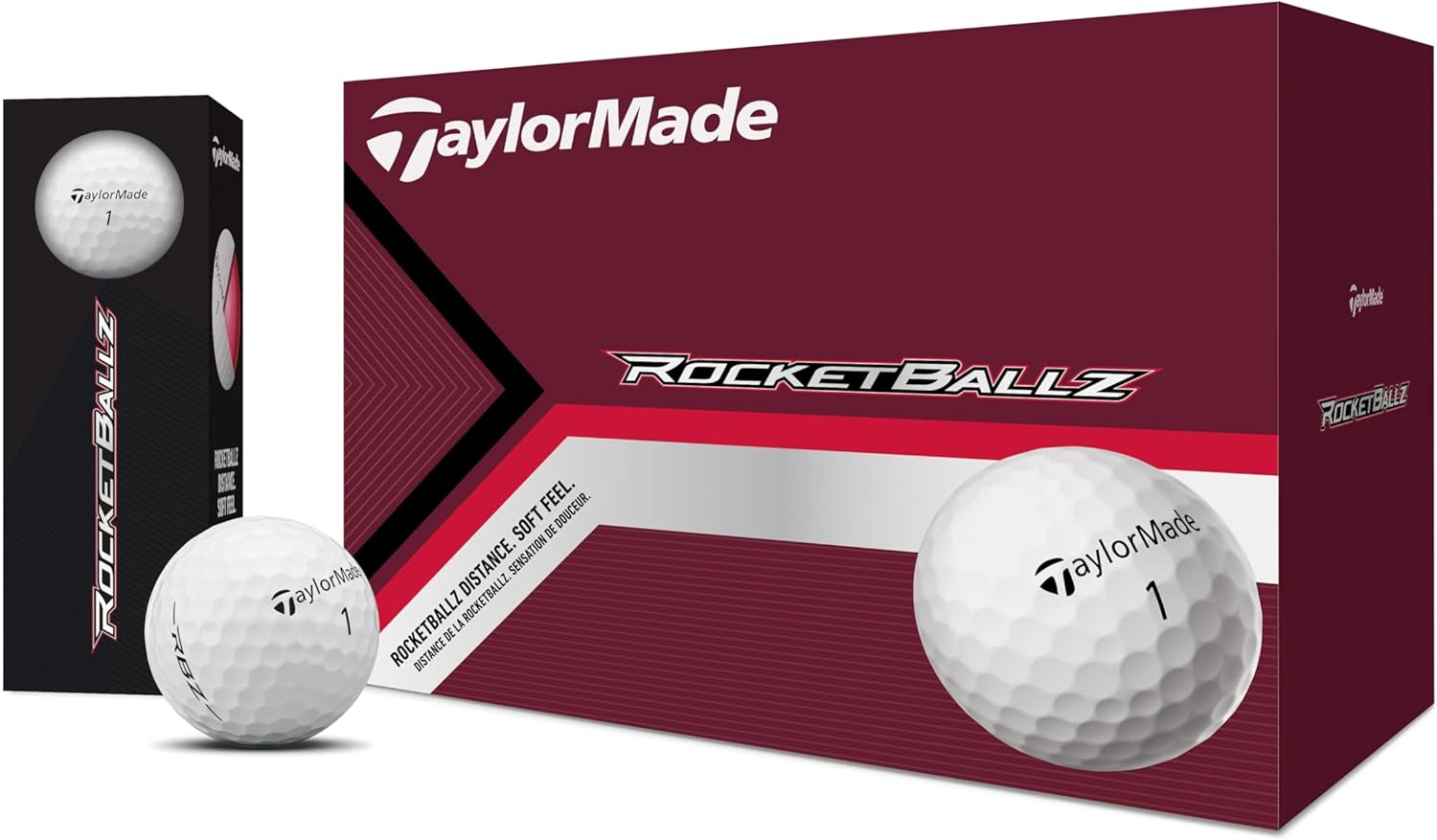
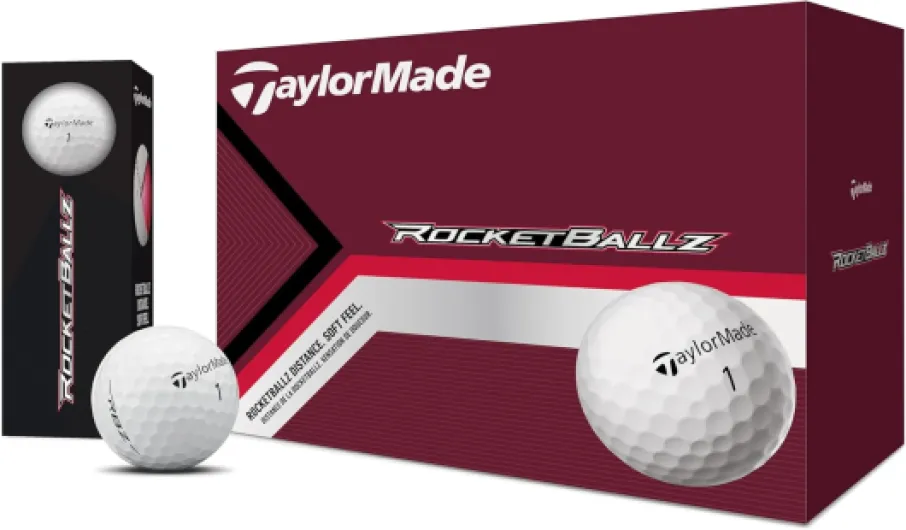
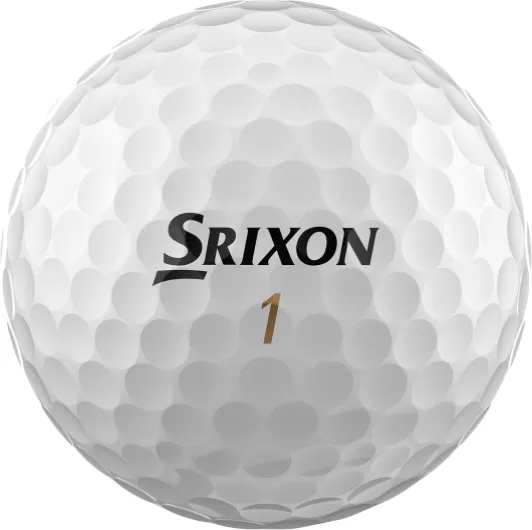
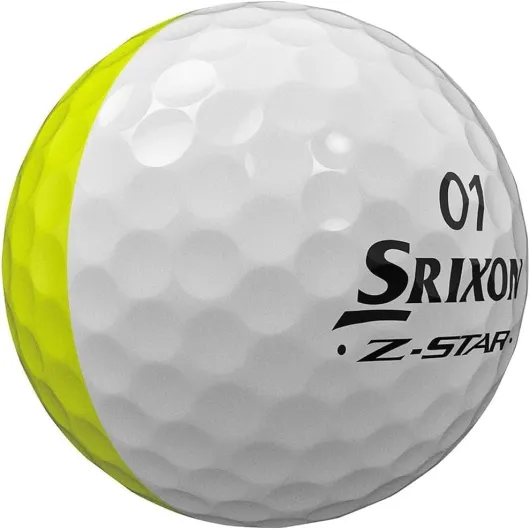
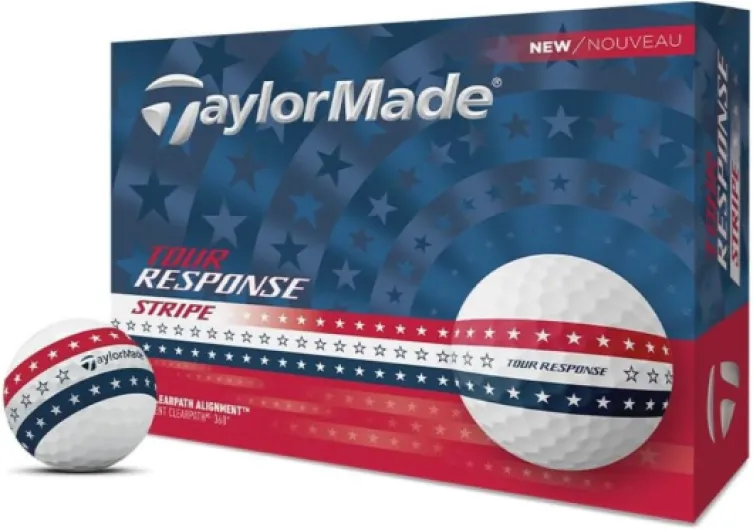
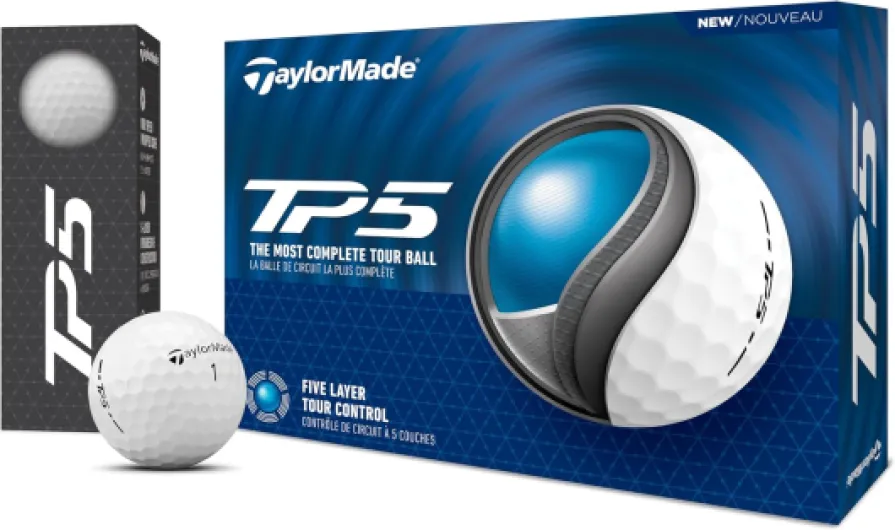
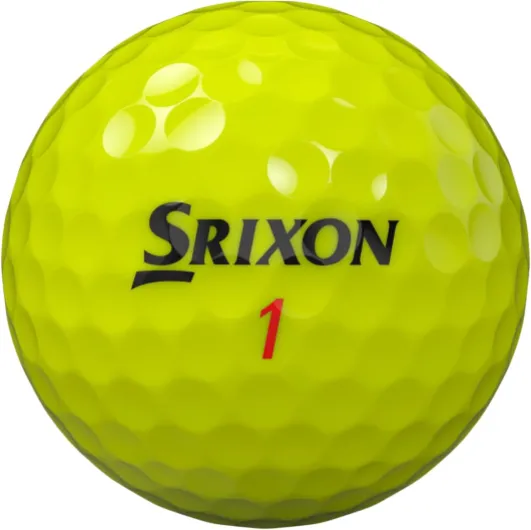
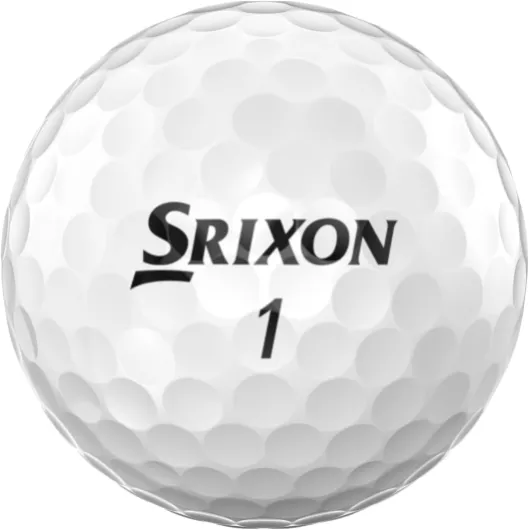
TaylorMade TP5 and TP5x compete directly, using five piece constructions to separate driver and iron behaviour more aggressively. TP5x tends to launch higher with lower driver spin, while TP5 offers slightly softer feel and more game spin around the green, making both balls strong candidates for luxury players who value versatility. Srixon Z Star and srixon star XV variants, including the srixon star diamond tour favourite, deliver piercing iron trajectories with high spinning wedge performance that appeals to confident ball strikers.
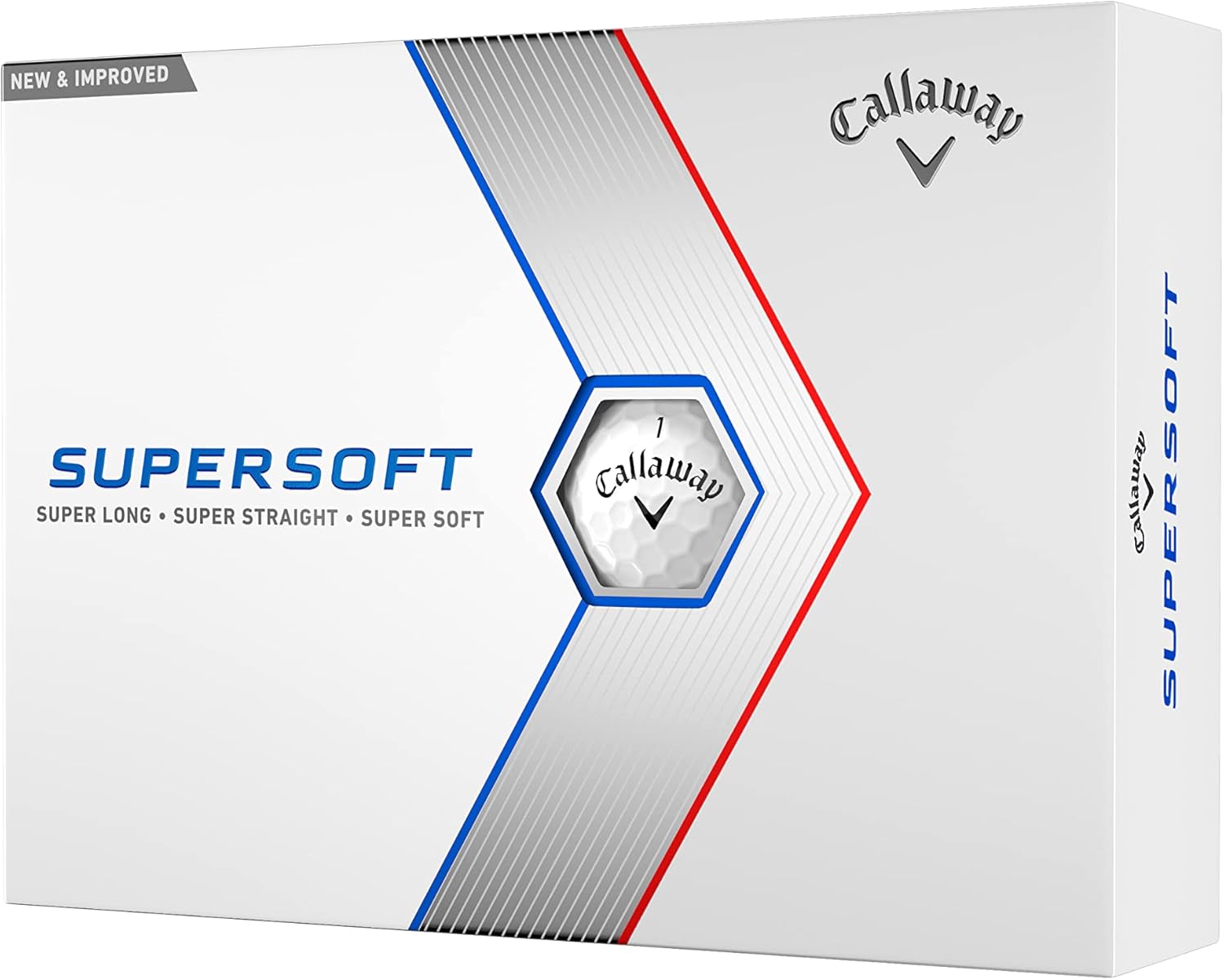
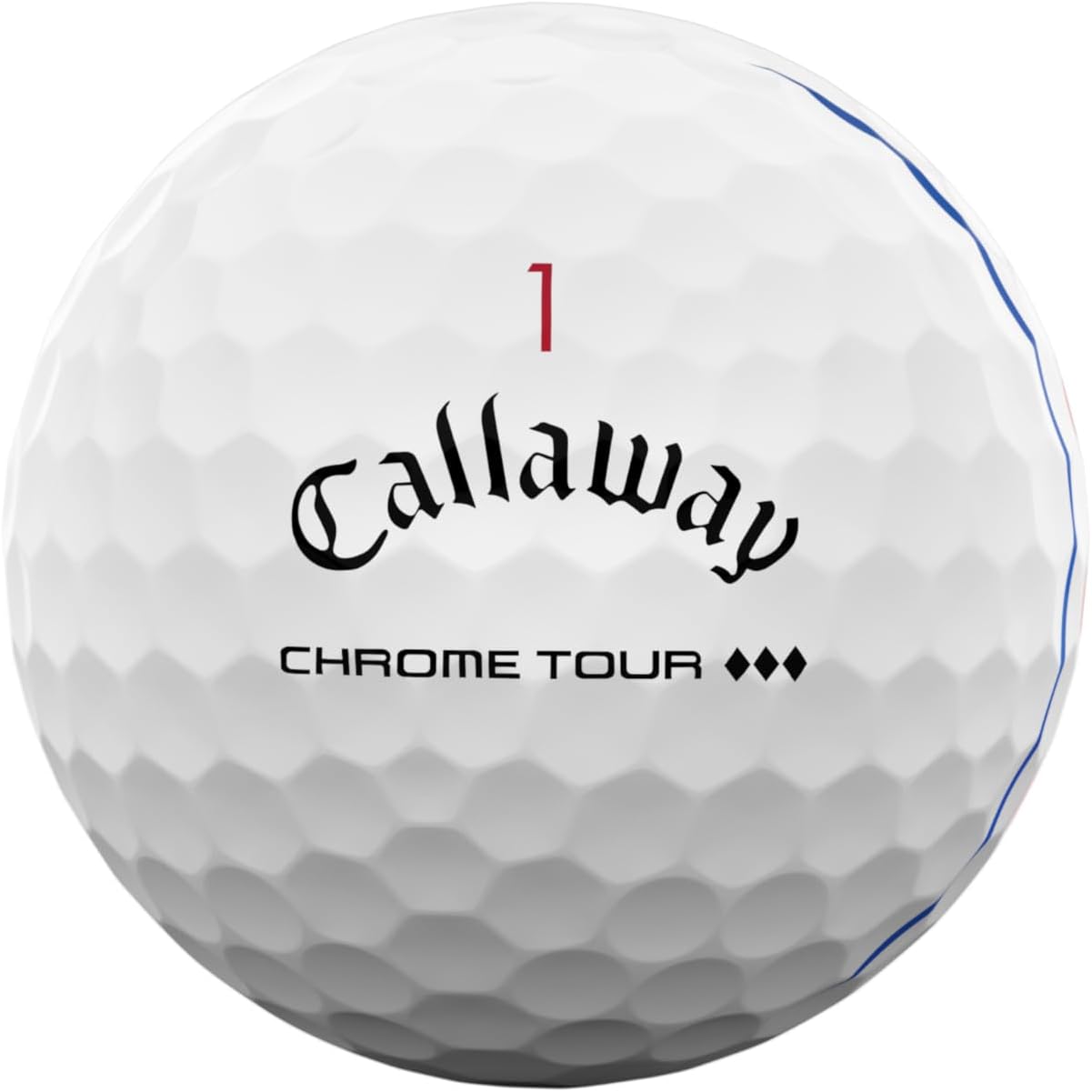
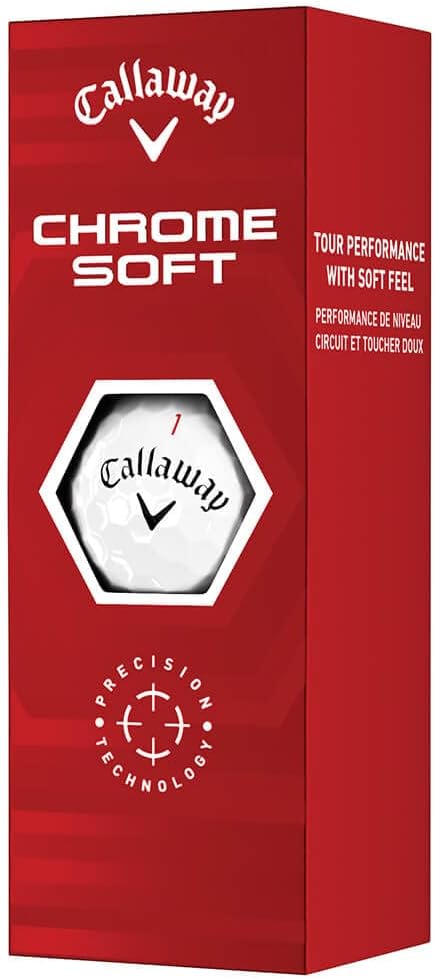
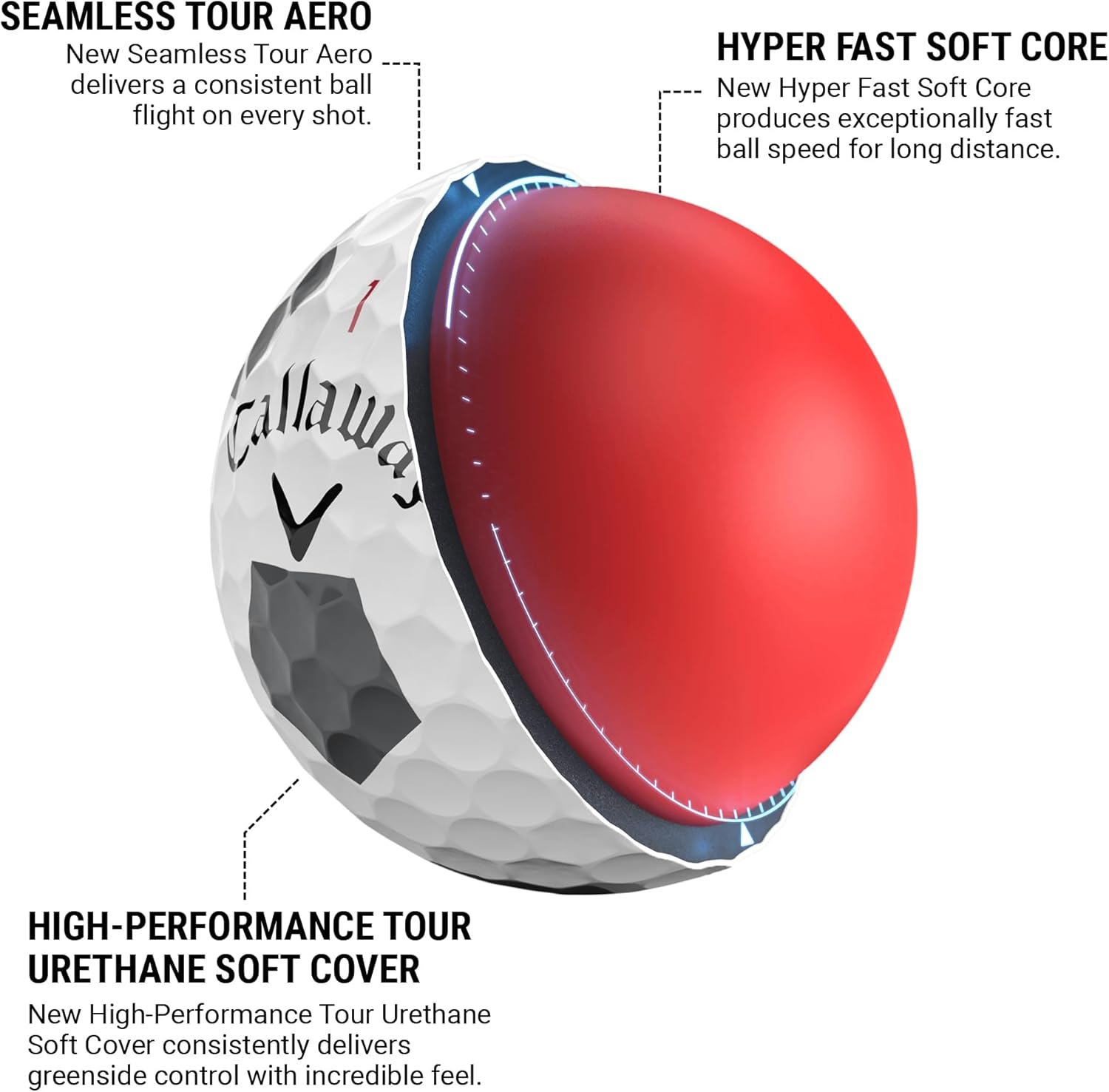
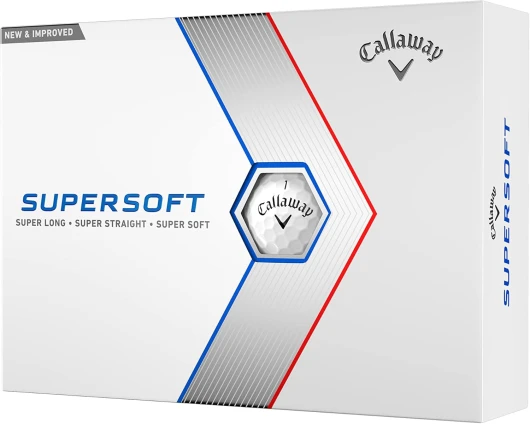
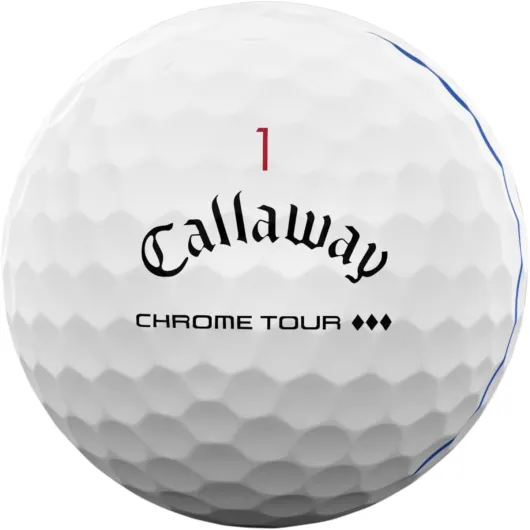
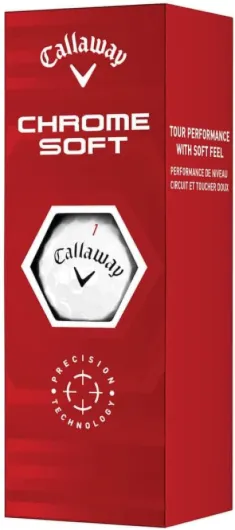
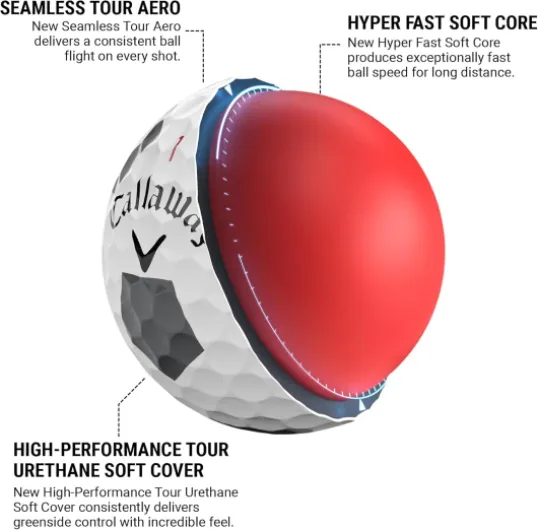
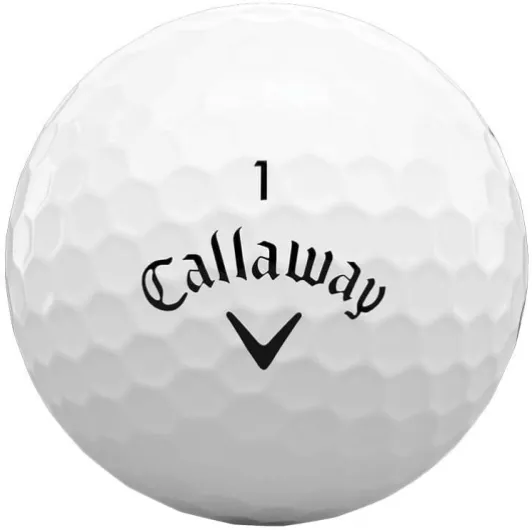
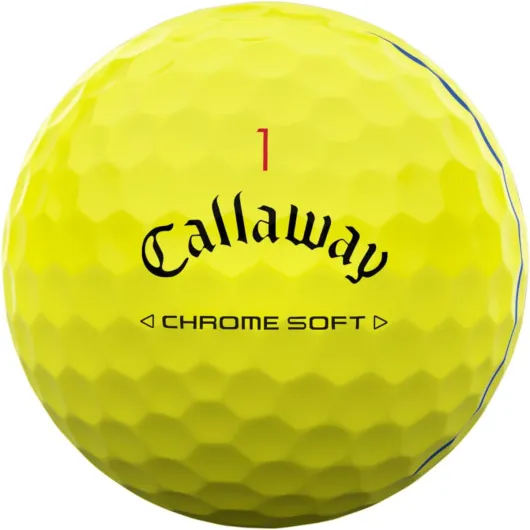
Callaway’s callaway chrome family, particularly chrome tour and Chrome Tour X, has become a serious challenger in the premium golf space. Chrome tour offers a balanced profile, while Chrome Tour X is closer to an xtreme tour design with very low driver spin and excellent carry distance for fast swings. For a structured comparison of these golf balls, including Wilson Staff Model and other value premium options, a dedicated guide to the best tour golf balls helps you read full data tables before committing to a dozen white yellow balls for the season.
Fitting the right ball to your swing and equipment
Luxury performance starts with fitting, not with the logo stamped on your golf balls. A proper session uses a launch monitor to track ball speed, spin rates and launch angles with both driver and iron shots, giving you objective data on how each golf ball model behaves. You should hit multiple balls from the tee, fairway and rough, then compare carry distance, total distance and dispersion patterns.
Begin with your driver, because tee shots set up scoring opportunities and reveal how a tour level ball handles high speed impacts. If your current ball spins too much, a chrome tour X or similar xtreme tour design may reduce game spin and tighten your dispersion without sacrificing feel. Conversely, if your drives launch too low, a higher flight ball like Pro V1x or a srixon star XV might add height and carry distance, especially for players with aggressive swing speeds measured in mph.
Next, focus on your short game, where the best tour level golf balls truly separate themselves. Hit chips, pitches and bunker shots, paying attention to how the ball reacts on first bounce and how consistently it stops near the hole.
Luxury details that matter beyond pure performance
For a luxury golfer, the best tour level golf balls must satisfy more than launch monitor numbers. Feel off the putter, sound at impact and even the shade of white yellow finish contribute to confidence, which in turn influences stroke quality and scoring. Many players report that a softer sounding ball encourages smoother tempo, while a firmer click can help them gauge ball speed more precisely on fast greens.
Durability is another premium golf consideration, especially when you play sharp groove wedges and high spin irons. Urethane covers on modern tour level balls are tougher than ever, yet some models mark more easily under high swing speeds or repeated bunker shots. When you read a ball review, look for comments on cover resilience, because a scuffed ball can alter spinning behaviour and reduce both control and carry distance.
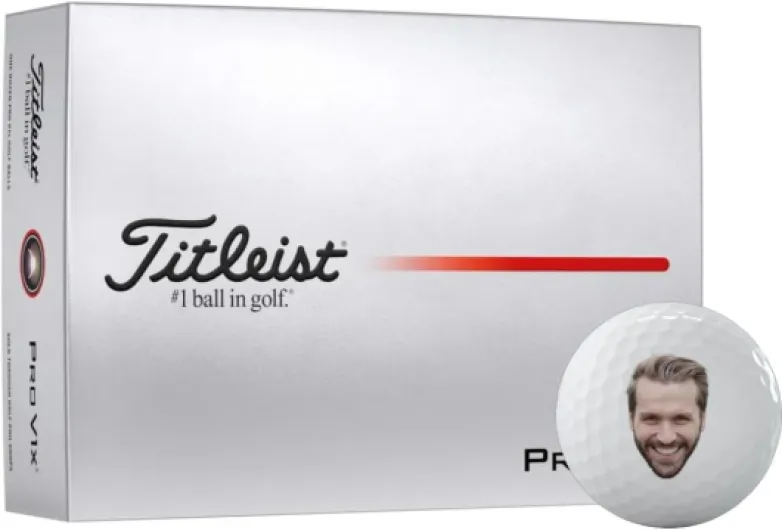
Brand ecosystem also plays a subtle role in the luxury experience, from custom printed balls to staff level service at fittings and events. Titleist, Callaway, TaylorMade and Srixon each offer personalised markings, limited edition white yellow finishes and even star diamond style logos that appeal to golfers who treat their golf balls as part of a curated kit. Choosing the best golf ball therefore becomes part of a broader decision about how you want your equipment, apparel and on course identity to align.
Future trends in tour level balls for discerning players
Regulatory pressure on ball speed and distance is shaping how brands design the next generation of the best tour level golf balls. Manufacturers are refining aerodynamics to keep driver spin within limits while still delivering strong carry distance, especially for players swinging above 105 mph. This trend favours low spin models like Chrome Tour X and similar xtreme tour constructions that already sit near the optimal window for tour golf.
At the same time, value oriented premium golf balls are closing the gap on feel and spinning control, challenging the dominance of traditional best premium offerings. Wilson Staff Model and other emerging designs provide tour level urethane performance at slightly lower prices, appealing to golfers who lose several balls per round but still demand a luxury sensation off the clubface. As these balls evolve, expect more nuanced ball review content that compares not only distance and spin, but also sustainability, manufacturing ethics and long term durability.
Looking ahead, fitting services will likely become even more data driven, integrating personal swing DNA, preferred iron models and even course conditions into ball recommendations. Serious players will continue to test multiple golf balls each season, reading full technical sheets and combining them with on course impressions before settling on their best golf choice. In that environment, the golfer who understands construction, spin windows and how tour level designs interact with their own swing will always extract the most from every premium ball in the bag.
Key statistics on tour level golf balls
- Titleist balls won 26 PGA Tour events, up from 21 previously, representing a 23.8 percent increase in victories for the brand.
- Approximately 73 percent of balls used on the PGA Tour were Titleist models, compared with 70 percent in the earlier period measured.
- Survey data shows that 45 percent of serious golfers prioritise short game feel and spin, while 30 percent focus primarily on driver carry distance.
- Regulatory and testing trends indicate that average player swing speed continues to rise by roughly 1 to 2 mph per year at the elite level.
Essential questions about the best tour level golf balls
How do I know if a tour level ball suits my swing speed ?
If your driver swing speed exceeds roughly 95 mph, most tour level balls will compress efficiently and deliver their intended performance. Below that threshold, you may still benefit from the spin and feel of a premium golf ball, but you should test softer compression models to ensure you are not sacrificing ball speed. Launch monitor data and on course testing with both driver and irons remain the most reliable way to confirm suitability.
Is there a single best golf ball for all low handicap players ?
No single model can claim to be the absolute best golf ball for every skilled golfer, because swing dynamics, trajectory preferences and course conditions vary widely. Some players thrive with a mid flight, mid spin design like Pro V1, while others need the higher launch and extra spin of Pro V1x or similar alternatives. The most effective approach is to shortlist several leading tour level balls, then compare them in structured tests around the green and from the tee.
Should I prioritise driver distance or short game spin when choosing ?
For most luxury golfers, short game spin and control should take priority once driver distance is within an acceptable range. Independent testing and expert commentary consistently show that scoring gains come more from improved wedge and chip performance than from a marginal increase in carry distance. You should therefore choose the ball that gives you predictable stopping power and feel on approaches, provided it still offers adequate distance off the driver.
Do coloured or white yellow balls perform differently from standard white models ?
Modern coloured and white yellow finishes on tour level balls are applied over the same core and cover constructions as traditional white versions, so performance differences are negligible. The main advantage is enhanced visibility in low light, rough or cloudy conditions, which can reduce lost balls and improve focus. As long as you choose a reputable premium golf brand, you can select colour based on preference without worrying about changes in spin or ball speed.
How often should I change models if I already play a premium ball ?
If you are satisfied with your current premium golf ball and your swing has not changed significantly, there is no need to switch with every product cycle. However, it is wise to test new generations or competing tour level balls every couple of seasons, especially if you adjust your driver, irons or wedge lofts. A structured comparison can reveal subtle gains in spinning control, feel or carry distance that justify a change, but loyalty to a proven ball is often a sound strategy.


![Z-Star Golf XV Balls [24-Ball] White](https://www.myluxurygolf.com/storage/737387/conversions/519AP73tjiL._AC_SL1000_-medium.webp)