Compression, swing speed and how luxury distance balls really work
Compression is the quiet engine behind every premium distance golf ball. Experts highlight that under roughly 85 mph swing speed, low compression balls distance designs in two piece golf constructions tend to unlock the best carry distance. Between 90 and 105 mph swing speed, mid compression golf balls balance ball speed, spin and feel for a wide range of golfers.
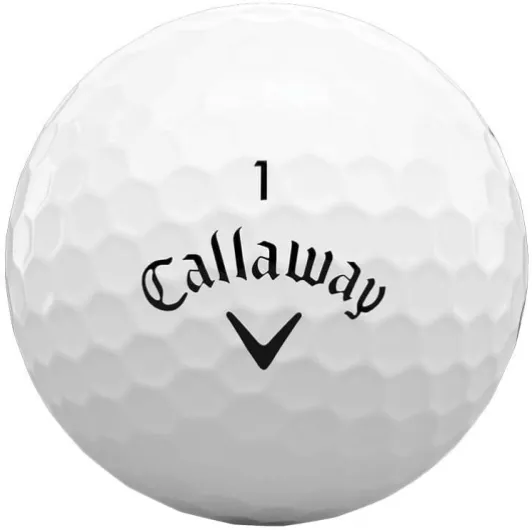
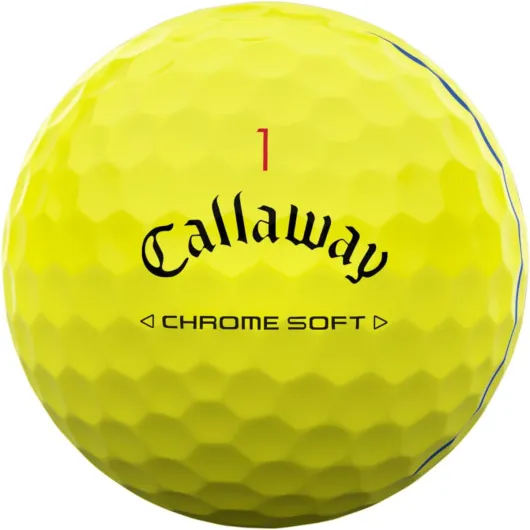
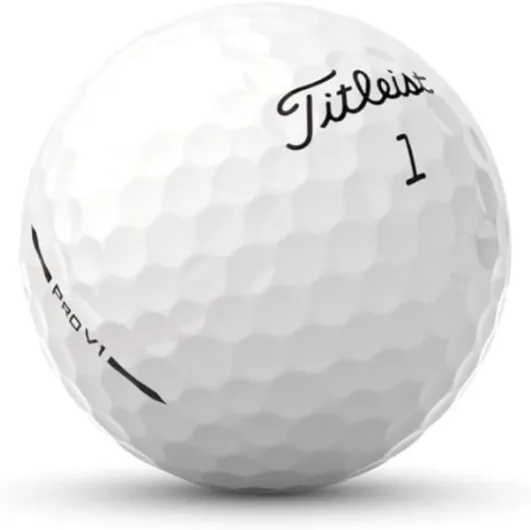
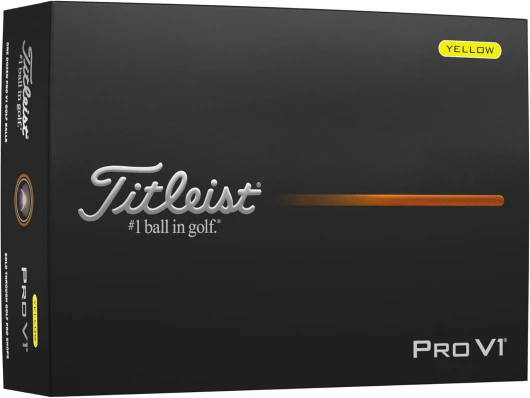
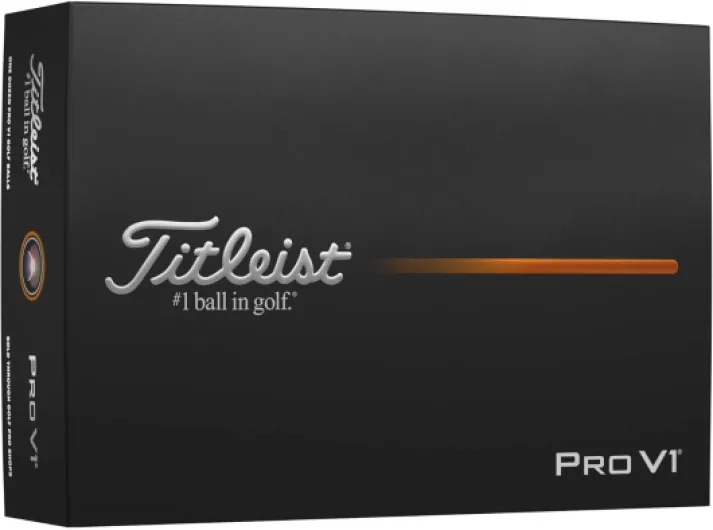
Above about 105 mph, high compression tour golf balls with firmer cores and urethane covers start to shine. These models, such as the Callaway Chrome Tour or a titleist pro style tour ball, are engineered for players who can generate high clubhead speed mph and want maximum ball distance with workable spin. For these golfers, the best distance golf balls are often the same models used in tour events, because they combine distance golf performance with precise spin control.
As one leading testing team notes ; “Compression primarily depends on the core’s density and hardness rather than the outer layers; matching your swing speed to the right compression gives you better results than chasing brand names.” That insight is crucial for luxury buyers who might otherwise default to the most famous golf ball name. Matching compression to your personal swing speeds ensures that every ball you play translates driver energy into efficient ball speed.
In practice, this means a slower swinging player may gain more from a so called value distance golf ball than from a flagship tour model. A mid handicapper might pair a Bridgestone e12 Speed with their driver to gain extra metres while keeping price under control. For deeper technical guidance on compression and spin trade offs, many golfers now consult a dedicated ball fitting guide for distance and control before investing in a dozen premium balls.
Tour level distance versus short game finesse in luxury balls
Luxury golfers rarely want distance at the expense of their short game. The challenge is that pure distance golf balls, especially firm ionomer models, reduce spin to maximise ball distance off the tee but can feel less responsive around the green. When you choose among the best distance golf balls, you are really choosing where to place your performance emphasis in the ball game.
Tour urethane balls like Wilson Staff Model X or a titleist pro left style design aim to bridge this gap. They deliver high ball speed and penetrating ball flight for long carry distance, yet their softer covers generate more game spin on wedges and pitches. For players with high swing speed mph, these tour distance golf balls can be the best golf option because they compress fully and still stop reliably on firm greens.
However, if your swing speed is moderate, a very firm tour ball may not be ideal for your everyday playing. You might achieve better overall performance with a mid compression distance golf ball that offers slightly less spin control but more consistent launch and speed. This is where hybrid designs, sometimes marketed as tour distance or tour soft, provide a refined compromise between tee green distance and short game feel.
Luxury buyers should also consider how often they lose balls and how that affects perceived value. A premium urethane golf ball at a higher price may be justified if it elevates both driver performance and finesse shots. For more detail on how tour balls compare with distance models in real golf, see our in depth analysis of the trade offs between tour golf balls and distance golf balls for demanding golfers.
Model by model: standout luxury distance golf balls for different swings
Among the current crop of best distance golf balls, several luxury oriented models stand out. Callaway Chrome Tour is a four piece golf design that excels at high swing speeds, delivering fast ball speed and low driver spin for impressive ball distance. In robotic testing at 114 mph, its ball flight remains penetrating, making it a compelling choice for low handicap golfers who prioritise tee green dominance.
Wilson Staff Model X targets a similar audience but with a slightly different feel profile. Its V Cor core and seamless urethane cover produce high speed mph off the driver while maintaining enough game spin for confident short game play. For players who like to shape shots and control spin control into tight pins, this ball offers a refined balance between distance golf and precision.
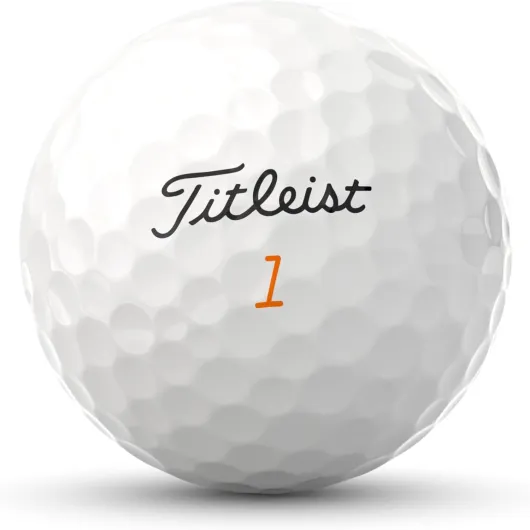
On the more accessible side of luxury, Bridgestone e12 Speed and Titleist Velocity provide strong performance at a more moderate price. Both balls distance designs focus on high initial ball speed and reduced driver spin, which helps many golfers extend their carry distance without overhauling their swing. Titleist Velocity in particular is known for an explosive launch and consistent ball flight, though its short game spin is intentionally limited.
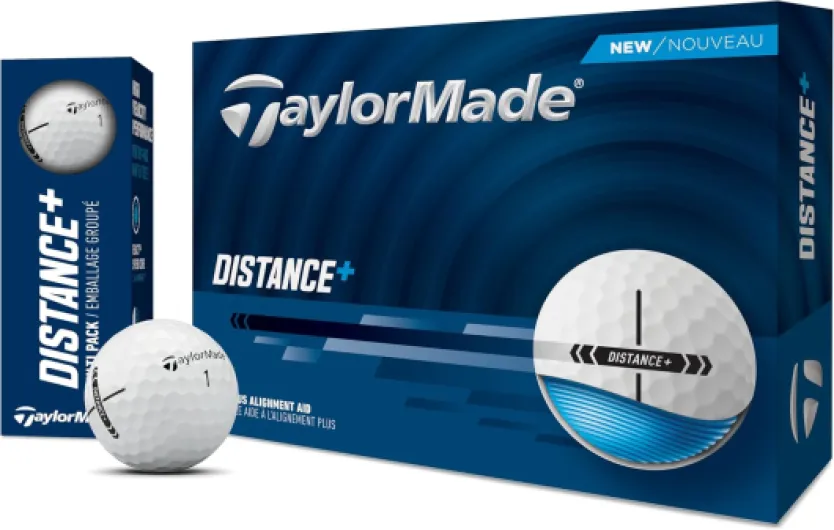
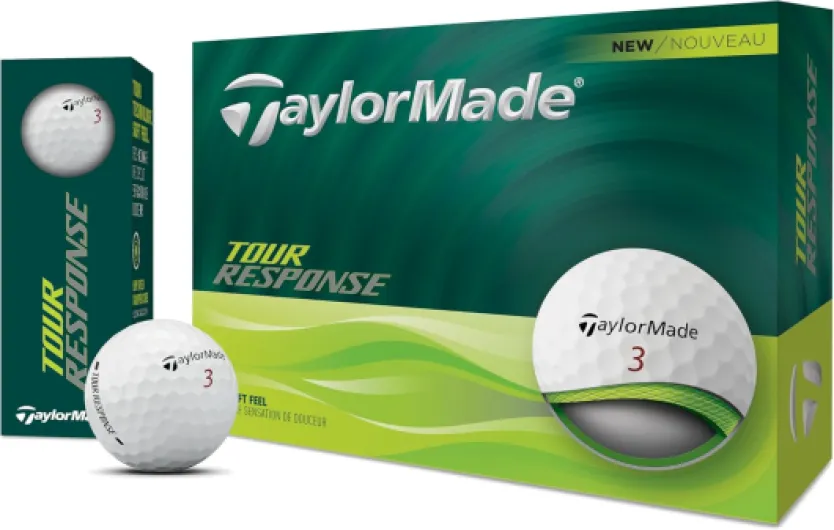
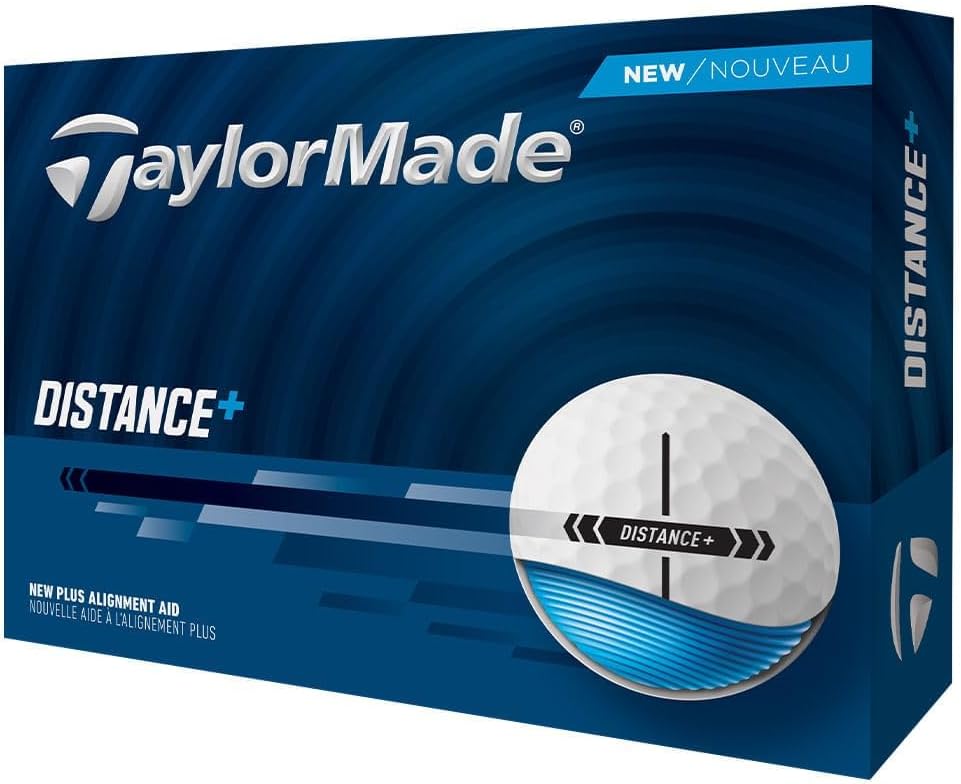
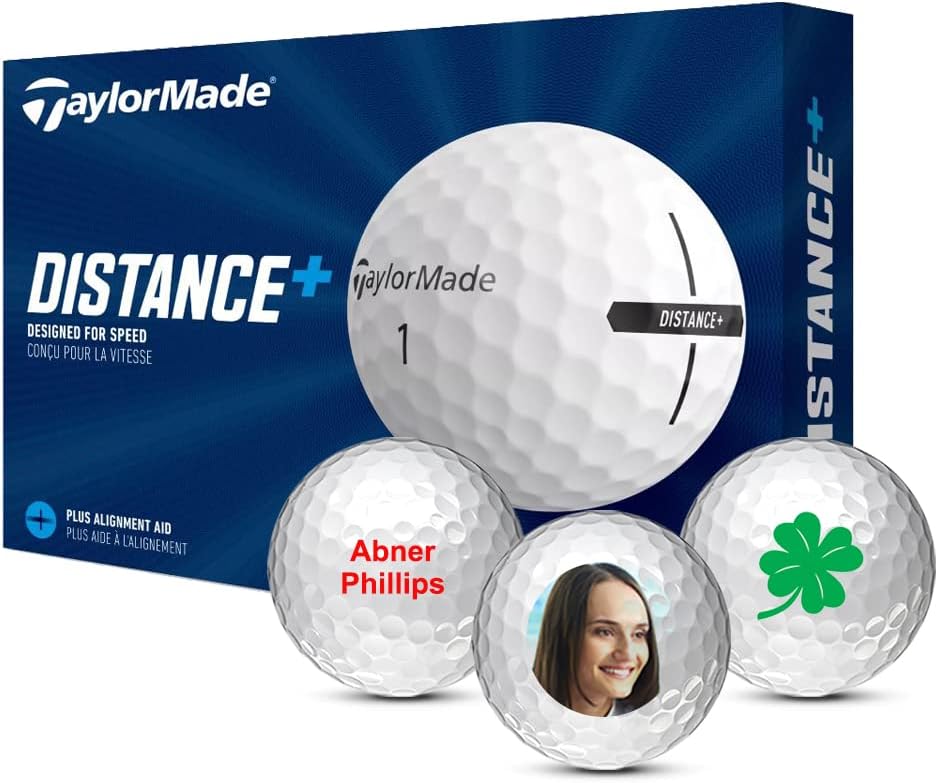
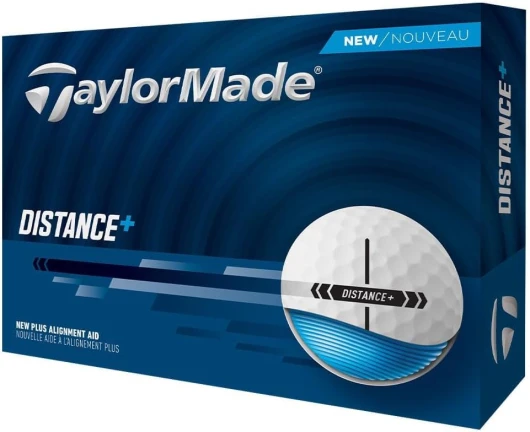
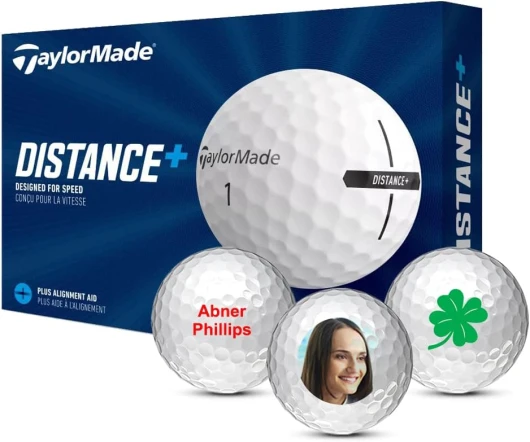
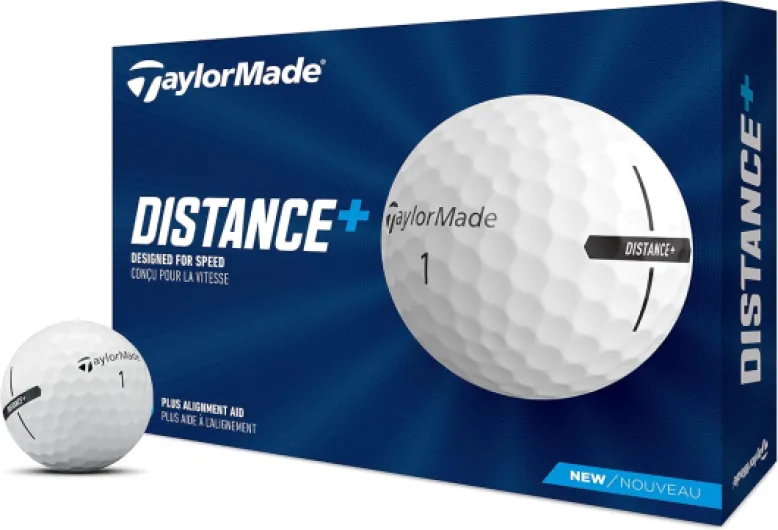
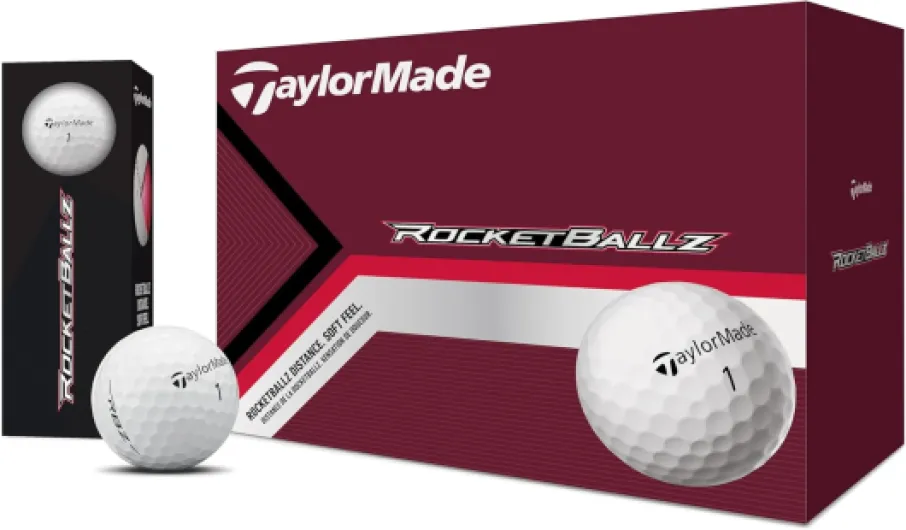
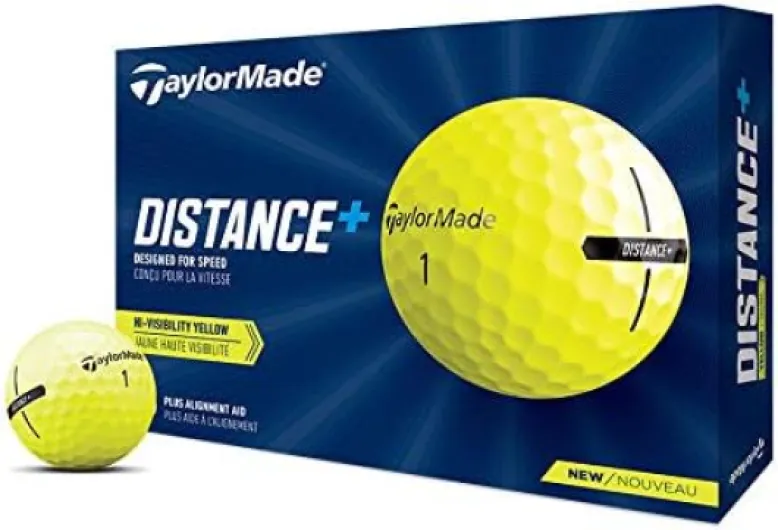
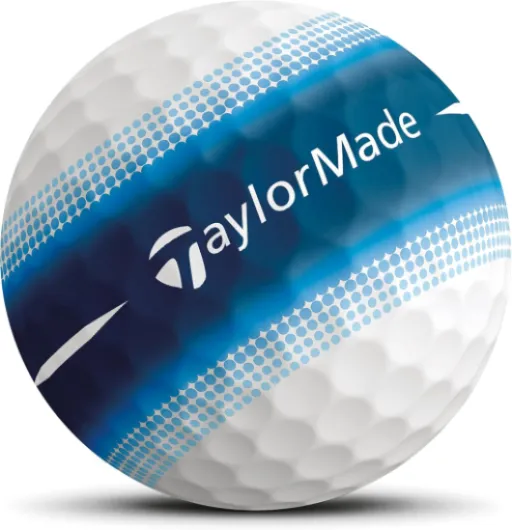
TaylorMade Distance+ sits at the entry point of the premium distance category, yet it still offers impressive speed mph and durability. Its lower compression core suits golfers whose swing speeds are not tour level but who still want the best golf experience they can afford.
From tee to green: fitting distance balls into your overall luxury game
Selecting the best distance golf balls is ultimately about integrating equipment into your entire game. Start at the tee, where driver performance and ball distance are most visible, and evaluate how your chosen golf ball behaves at your typical swing speed mph. Launch monitor sessions can reveal whether a ball produces optimal ball flight, with enough height for carry distance but not so much spin that it balloons.
Next, move to long irons and hybrids, where distance golf characteristics still matter but control becomes more important. Here you should assess whether the ball maintains stable balls distance gaps between clubs and whether it holds its line in the wind. Luxury golfers often prefer models that provide predictable carry distance and subtle spin control, even if they are not the absolute longest in raw metres.
Around the green, short game testing reveals whether a distance oriented golf ball fits your playing style. Some golfers are comfortable allowing more roll out and adjusting landing spots, while others demand higher game spin and quicker stopping power. If you rely heavily on delicate pitches and chips, a tour distance golf ball with a urethane cover may harmonise better with your ball game than a very firm ionomer model.
Finally, consider practicalities such as durability, visibility and how often you lose balls during a typical round. A slightly lower price per dozen may allow you to practise more aggressively without worrying about every shot. In the luxury segment, the true best golf choice is the ball that elevates your enjoyment and confidence from tee green on every hole.
Future ready luxury: regulations, technology and the next wave of distance balls
Luxury golfers investing in the best distance golf balls should also look ahead to upcoming regulations. Governing bodies are moving toward limits on ball distance at very high swing speeds, which will influence how manufacturers design future golf balls. For players with tour level swing speed mph, this may mean that current models offering extreme ball distance could evolve into more controlled designs.
Technological innovation will not stop ; instead, it will likely shift toward smarter spin control, refined aerodynamics and sustainable materials. Advanced dimple patterns already help stabilise ball flight and maintain carry distance in crosswinds, which benefits all golfers regardless of swing speeds. Core technologies will continue to chase high speed while staying within regulatory limits, ensuring that distance golf remains a central performance pillar.
From a buying perspective, this environment encourages golfers to pay close attention to product information and conformity notes. Luxury brands will highlight how each golf ball balances speed, spin and compliance, especially for tour and pro left style models. Savvy golfers will evaluate not only current performance but also how a ball fits into their long term playing plans and competitive aspirations.
Digital retail platforms such as Amazon make it easier than ever to compare price, specifications and user feedback on a wide range of golf balls. However, for a serious player, nothing replaces personal testing on the course and on a launch monitor. By combining data, expert insight and your own feel, you can select the best golf ball distance solution that remains future ready and worthy of a place in a luxury focused bag.
Key performance statistics for modern distance golf balls
- Longest carry distance of a top distance golf ball at 114 mph swing speed measured at approximately 275,4 yards, with a confidence interval of plus or minus 1,0 yard.
- Independent testing of premium distance golf balls has recorded average total distances exceeding 328,1 yards for the longest models in controlled conditions.
- Recent comparisons show carry distance at 114 mph swing speed improving by about 1,9 percent over the latest product cycles.
- Average best distance figures across leading balls have risen by roughly 2,5 percent in recent benchmark reports.
Questions golfers often ask about the best distance golf balls
How should I match a distance golf ball to my swing speed ?
Match low compression balls to swing speeds under roughly 85 mph, mid compression to average swing speeds and high compression tour balls to very fast swings. This ensures efficient energy transfer, optimal ball speed and consistent ball distance. Testing several golf balls on a launch monitor will confirm which model best suits your personal swing.
Are tour balls always the best choice for distance focused golfers ?
Tour balls can be the best golf option for players with high swing speeds who also demand spin control and shot shaping. However, many golfers with moderate swing speeds achieve more carry distance and better feel from value or mid tier distance golf balls. The right choice depends on your swing, your short game preferences and how much price matters in your equipment decisions.
What trade offs should I expect when choosing a pure distance ball ?
Pure distance golf balls typically offer high ball speed and low driver spin, which increases carry distance and roll. The trade off is reduced short game spin and a firmer feel on chips and pitches, which some golfers find less precise. Understanding this balance helps you decide whether to prioritise tee green power or greenside finesse in your ball game.
Will upcoming distance regulations affect the balls I buy today ?
Future regulations aim to cap maximum ball distance at very high swing speeds, primarily affecting elite and professional play. Manufacturers are already adjusting designs, so many current and upcoming golf balls will be engineered with these limits in mind. For most amateur golfers, the practical impact will be modest, but it is wise to follow brand updates on conformity.
Is it worth paying more for a luxury distance golf ball ?
Paying a higher price can be worthwhile if the ball delivers measurable gains in ball distance, consistency and feel that enhance your playing experience. Luxury distance golf balls often feature advanced cores, refined aerodynamics and better quality control, which benefit demanding golfers. The investment makes sense when the ball complements your swing speed, your preferred ball flight and your expectations from tee green.

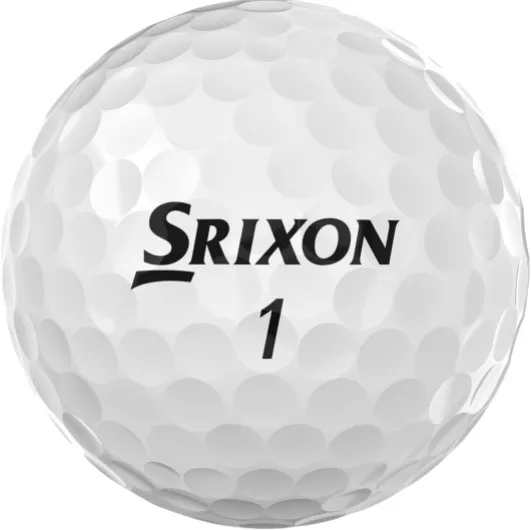
![Z-Star Golf XV Balls [24-Ball] White](https://www.myluxurygolf.com/storage/737387/conversions/519AP73tjiL._AC_SL1000_-medium.webp)