Key technologies behind high launch luxury fairway woods
Understanding the engineering helps you judge which fairway wood will genuinely elevate your game. The most important variables are loft, face height, center of gravity placement and overall head construction, all of which interact to control launch and spin. In high launch designs, manufacturers push more mass low and rearward, often using carbon crowns to free weight and create a deeper center of gravity.
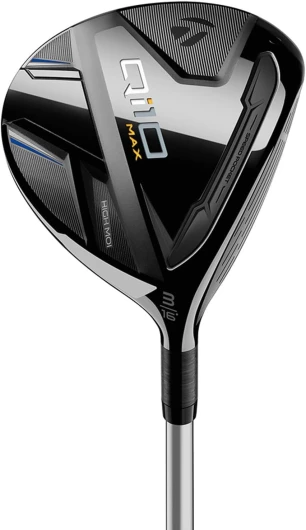
One TaylorMade engineer summarised the approach perfectly ; “Our new Qi4D fairway faces are designed with a thinner toe region and weighting that lowers the center of gravity to allow higher launch without ballooning spin.” This philosophy underpins the Taylormade Qi4D fairway wood and the even more forgiving Taylormade Max variant, both aimed at golfers who need help getting the ball airborne. Similarly, a Titleist fitting specialist notes that “With GT1 and GT2 woods, we frequently flip sole weights or adjust loft to move CG rear-ward, which for moderate-speed players really helps increase apex and carry.”
Ping leans on tall faces and generous head volumes in models like the Ping G440 Max fairway wood, which is widely regarded as a benchmark for the best golf high launch fairways. Callaway takes a slightly different route with its callaway quantum and callaway quantum max fairway woods, combining Speed Wave weighting with low forward tungsten to protect ball speed while still achieving a high launch. Across these families, the adjustable hosel remains a crucial tool, allowing you to fine tune loft and lie so that your ball flight and ball speed numbers match your preferred yardage gaps.
For golfers researching equipment, a detailed high launch fairway woods guide can clarify how these technologies translate into on course performance. When you read full technical breakdowns, pay attention to how each fairway wood manages spin at high launch, because too much spin can negate the benefits of a towering trajectory. The best golf high launch fairways balance a shallow face profile, rearward center of gravity and carefully tuned spin to deliver both carry and control.
In depth look at standout high launch fairway woods
Among the current luxury offerings, several fairway woods stand out for golfers who prioritise a high launch. The Ping G440 Max fairway wood uses a tall face and rear weighted geometry to produce a confident look at address and an easy, towering ball flight from both tee and fairway. Its multiple loft options, including a versatile 4 wood, make it a strong candidate for the best fairway choice if you want one wood to cover many roles.
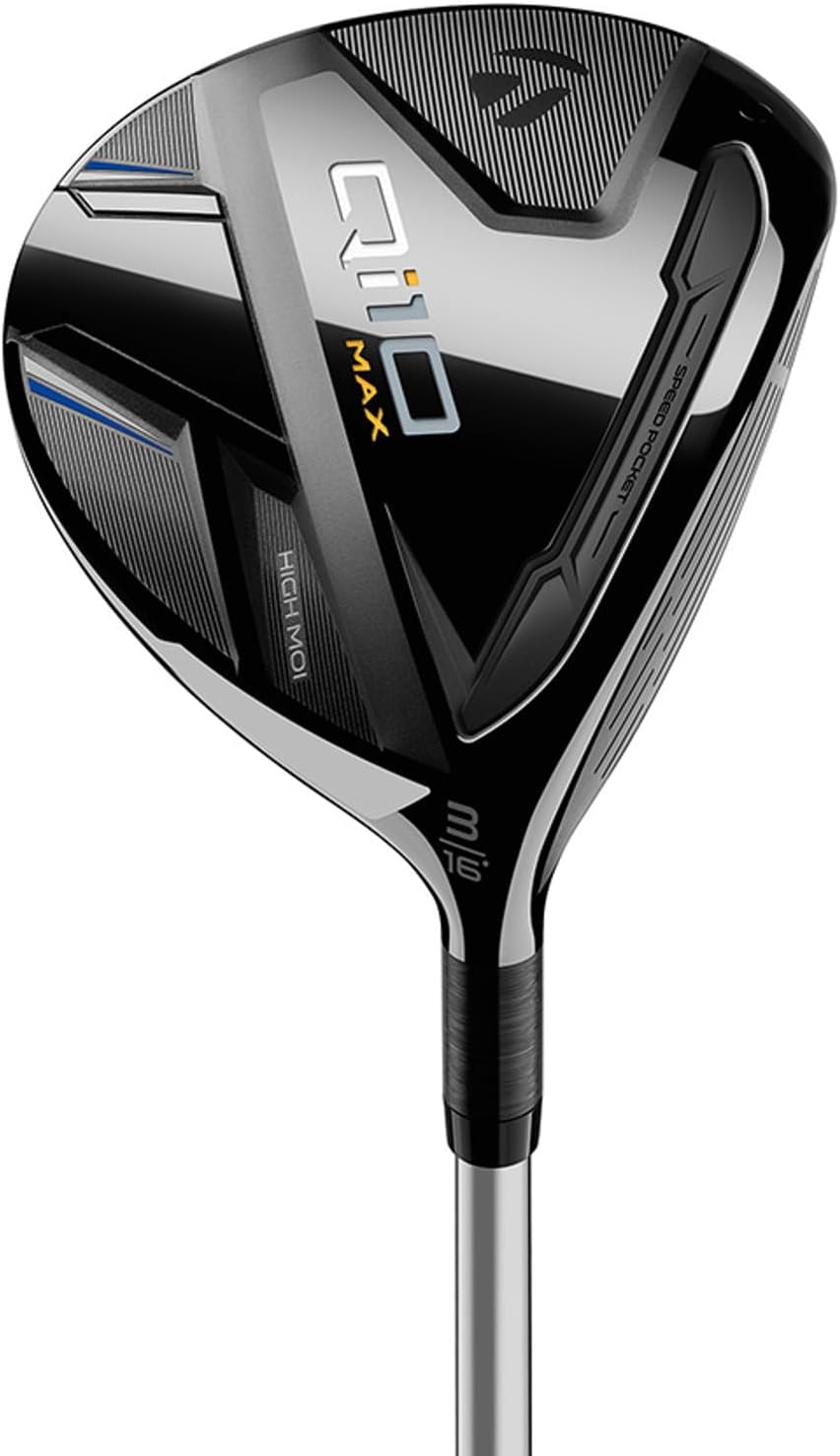
The Taylormade Qi4D fairway wood, especially the dedicated high launch version at 16,5 degrees, targets players who want tour inspired shaping with extra help getting the ball up. In the Taylormade Max configuration, movable weights allow you to shift the center of gravity and subtly alter launch and spin, which is invaluable when you are dialling in ball flight on a launch monitor. For golfers who enjoy reading a technical wood review, the Qi4D line offers a masterclass in how adjustable hosel systems and sole weights can transform a single head into multiple performance profiles.
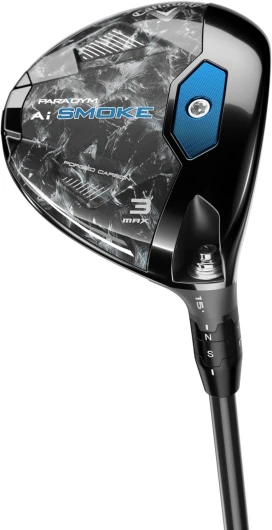
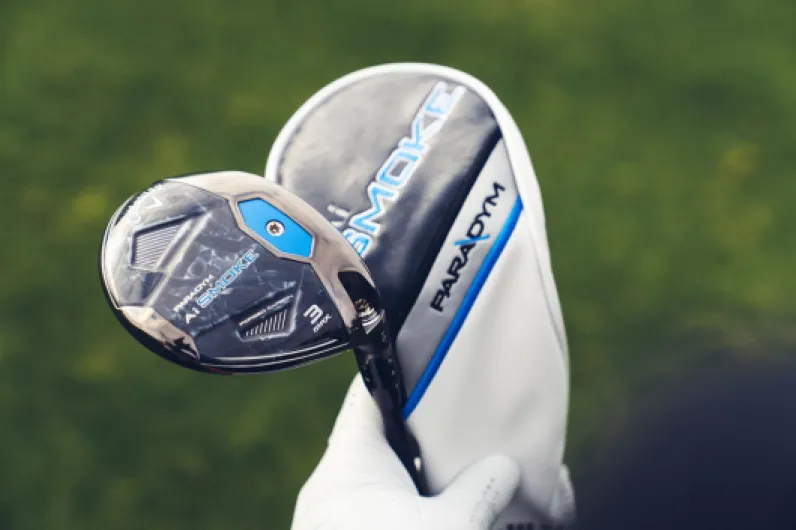
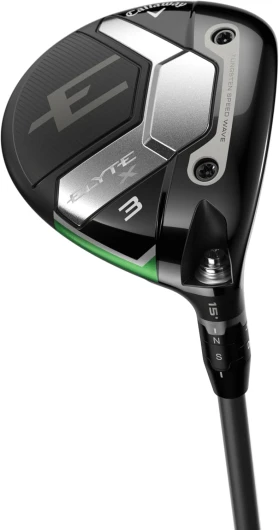
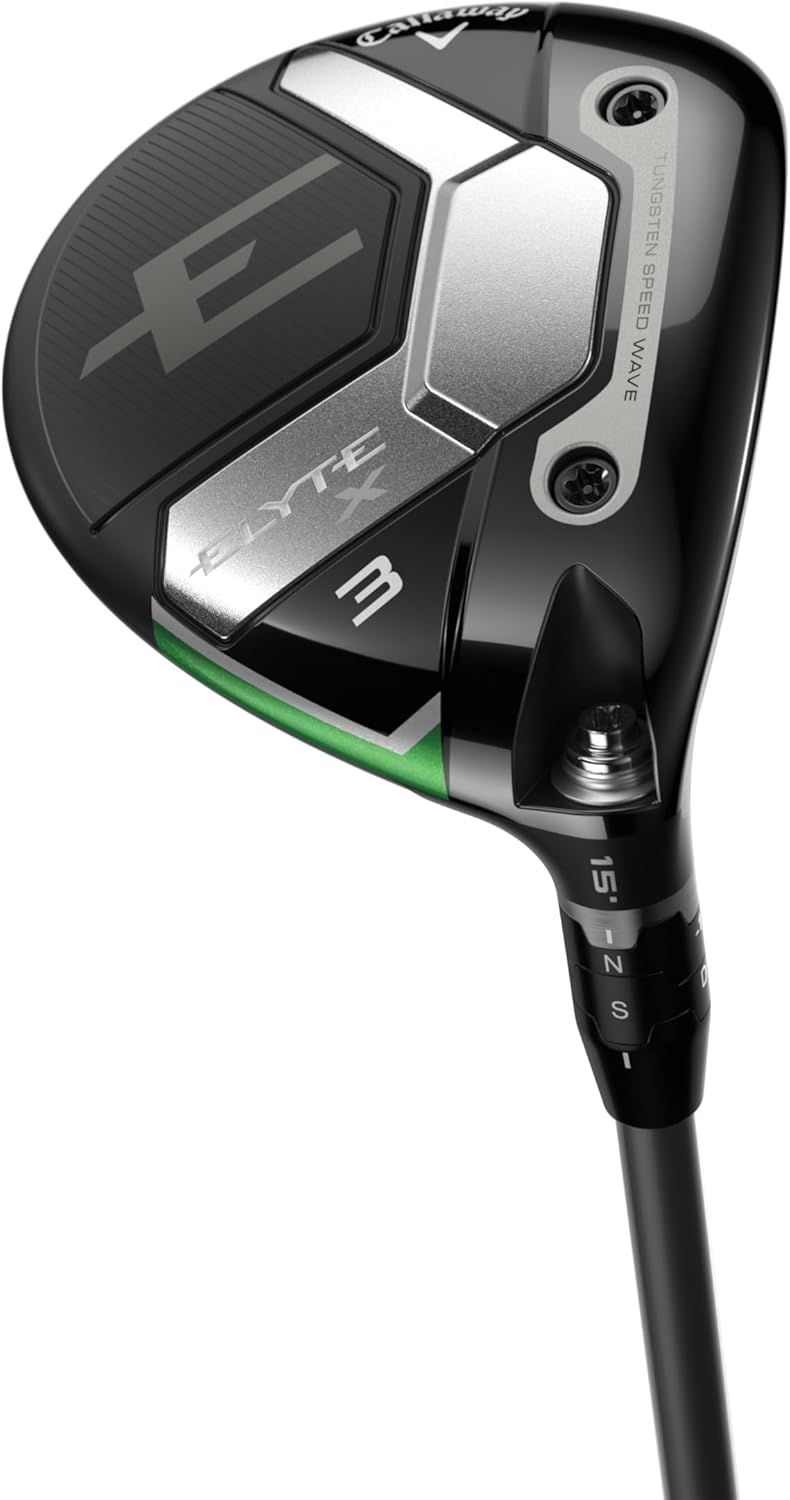
Callaway’s quantum max fairway wood is engineered for maximum forgiveness and height, using a deep, rearward center of gravity that sends the ball on a steep ascent. This callaway elyte inspired design favours golfers who struggle from tight fairway lies or light rough, where a shallow face and generous footprint help the club glide under the ball. If you prefer a more bespoke feel, a custom fairway build with an elyte fairway shaft can further optimise launch, spin and feel for your specific swing speed.
Titleist enters the conversation with the titleist fairway GT1, which combines a shallow face with a dual mass weight system that can be flipped to adjust launch. Positioned between low spin tour heads and ultra max fairway models, GT1 offers a refined balance of height, control and feedback. For readers interested in complementary equipment, our detailed piece on forgiving hybrids for mid handicappers pairs naturally with these fairway woods, helping you build a coherent long game setup.
How ball speed, spin and shaft fitting shape ball flight
Even the best golf high launch fairways cannot perform without the right shaft and fitting choices. Ball speed, launch angle and spin rate are tightly linked, and a change in shaft weight or flex can shift all three metrics in measurable ways. During professional testing, fitters watch how the ball leaves the face, then use adjustable hosel settings and shaft swaps to refine the window.
For many golfers, a slightly lighter shaft in a fairway wood will increase clubhead speed and therefore ball speed, but it can also raise spin if the profile is too soft. That is why expert fitters rely on launch monitor data rather than guesswork, aiming for a launch angle around 16 to 17 degrees with a 3 wood and a controlled, mid high spin window. When you read full data tables from independent review and testing sessions, you will often see that rear weighted heads with shallow faces outperform low spin tour woods for carry at moderate swing speeds.
Spin management is especially important when you are choosing between a low spin tour style fairway and a more forgiving max fairway. A low spin head may look appealing on paper, but if you cannot generate enough launch, your ball flight will be flat and difficult to stop on greens. Conversely, a very high launch fairway wood with excessive spin can cause the ball to balloon, particularly into the wind, which is why brands like Ping, Taylormade and Callaway carefully balance face thickness, center of gravity and shaft options.
Luxury golfers should also consider how their fairway woods integrate with the rest of the bag. A titleist fairway GT1 at 16,5 degrees might overlap with a strong hybrid unless you adjust loft via the hosel or choose a different shaft length. Thoughtful fitting ensures that each fairway wood will occupy a clear distance gap, giving you predictable options from 160 to 220 metres without sacrificing the high launch characteristics you value.
Comparing premium models, prices and on course performance
When you compare the best golf high launch fairways, you quickly notice meaningful differences in shaping, feel and price. The Ping G440 Max fairway wood sits at the upper end of the price spectrum, yet justifies its premium with exceptional forgiveness, a reassuringly tall face and a reputation for stability across mishits. Taylormade Qi4D and Taylormade Max models are similarly priced, but they lean more heavily on movable weights and carbon crowns to deliver a slightly more adjustable, tour inspired experience.
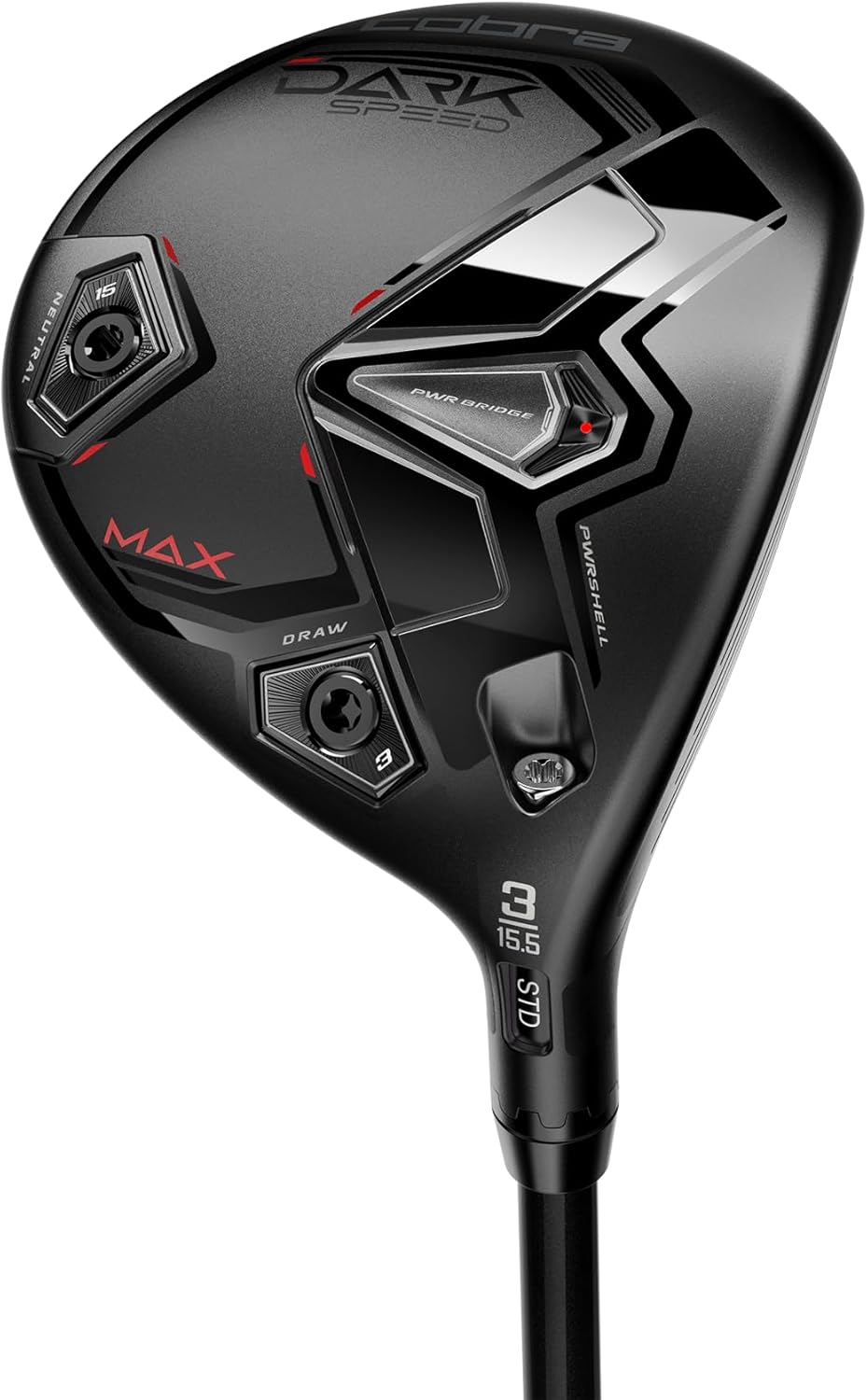
Callaway quantum and quantum max fairway woods often come in a touch below the very top price tier, offering strong value for golfers who want high launch without paying the absolute max. Their Speed Wave weighting and low forward tungsten preserve ball speed while still promoting a high launch, which is particularly helpful for seniors and higher handicappers. Cobra’s Optm X fairway wood, meanwhile, positions itself as a balanced option, combining a shallow face, rear sole weight and FutureFit33 adjustable hosel to provide 33 different loft and lie settings.
Titleist fairway GT1 commands a luxury price, but it rewards the investment with a refined sound, feel and a dual weight system that can be flipped to fine tune launch. For many golfers, the decision between these models comes down to how each head frames the ball at address and how the ball flight looks against the sky. That is why serious players should schedule a fitting session and test multiple fairway woods on a launch monitor, then validate the numbers on course.
During comparative testing, pay attention not only to raw ball speed but also to dispersion patterns and how easily each fairway wood will elevate the ball from imperfect lies. A model that feels explosive on perfect fairway turf may struggle from light rough if the face is too deep or the sole too narrow. The best fairway for your game will combine high launch, predictable spin and a price that aligns with your expectations of luxury performance.
Fitting strategies and future trends in high launch fairway woods
Securing the best golf high launch fairways for your bag starts with a structured fitting strategy. Begin by defining the primary role of each fairway wood ; is it a tee club on tight par 4s, a green seeking option on par 5s, or a versatile tool from fairway and rough. Your fitter can then select heads and shafts that match those goals, using adjustable hosel settings to dial in loft and lie.
For many moderate swing speed golfers, a 4 wood or 5 wood with a high launch profile will outperform a traditional 3 wood. Robot testing has shown that deeper or rearward center of gravity designs with slightly more loft often produce higher launch angles and more carry, even when ball speed is marginally lower. That is why a max fairway or quantum max fairway wood can sometimes be the best fairway choice at the top of the bag, especially when paired with a driver optimised for low spin.
Looking ahead, manufacturers are likely to push the boundaries of materials and adjustability while staying within USGA regulations. Expect more fairway woods with multiple loft specific heads, finer weight tuning and perhaps shaft technologies that influence launch without extreme center of gravity shifts. Golfers who value detailed analysis can explore our related feature on drivers with high launch, which complements this focus on fairway woods and highlights how the long game is evolving.
As always, the most reliable path to performance is to combine objective data with subjective feel. Use launch monitor numbers to identify which fairway wood will deliver the desired ball flight, then trust your eye and ear to confirm that the club inspires confidence. In the luxury segment, where price differentials are relatively small compared with overall investment in golf, it is worth taking the time to read full reviews, schedule expert fittings and build a coherent set of high launch fairway woods tailored precisely to your swing.
Key statistics for high launch fairway woods
- Typical robot averaged launch angle for a high launch 3 wood at approximately 95 mph swing speed is around 16,5 degrees, with a margin of ±0,5 degree.
- Launch angle for modern high launch fairway woods has increased from roughly 15,5 degrees to about 16,8 degrees over recent testing cycles, an improvement of approximately 8,4 percent.
- Designers now place around 12 percent of head weight toward the rear to boost launch, compared with about 8 percent in earlier generations of fairway woods, representing a 50 percent increase in rear weighting emphasis.
- Forecasts suggest that the proportion of fairway wood lines offering dedicated high launch options could rise by roughly 40 percent over the next product cycles.
- Market research indicates that up to 60 percent of future fairway wood families may feature multiple loft and weight adjustability options to fine tune launch and spin.