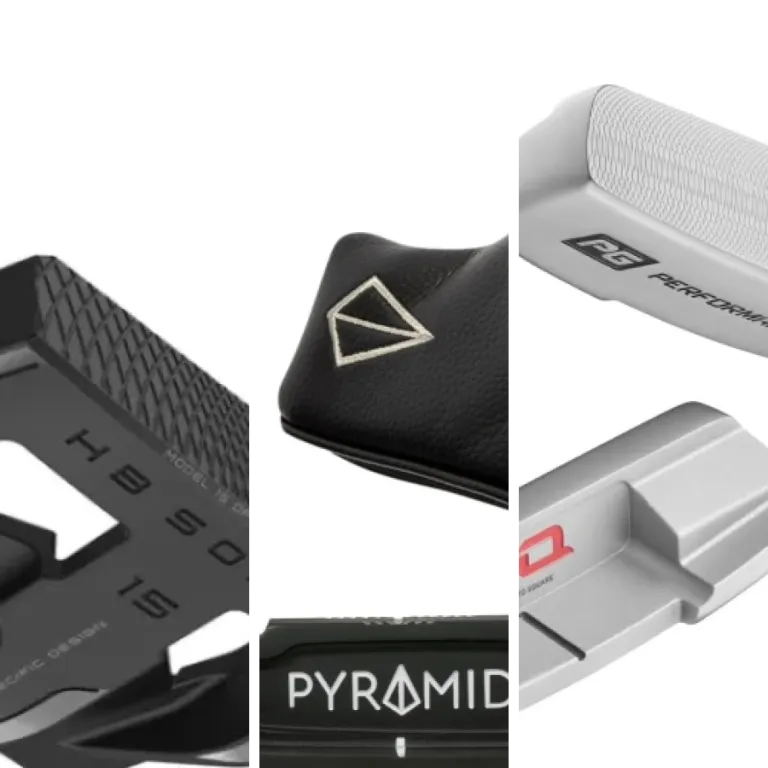
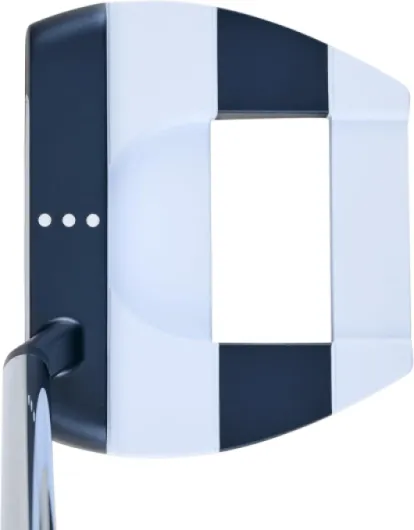
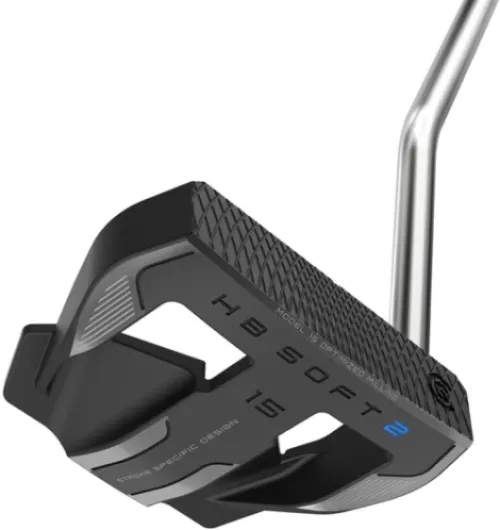
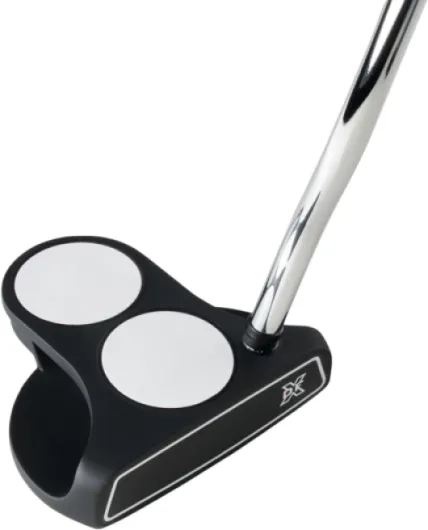
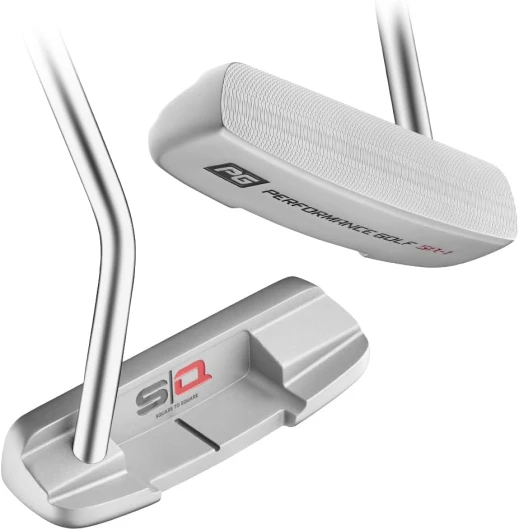
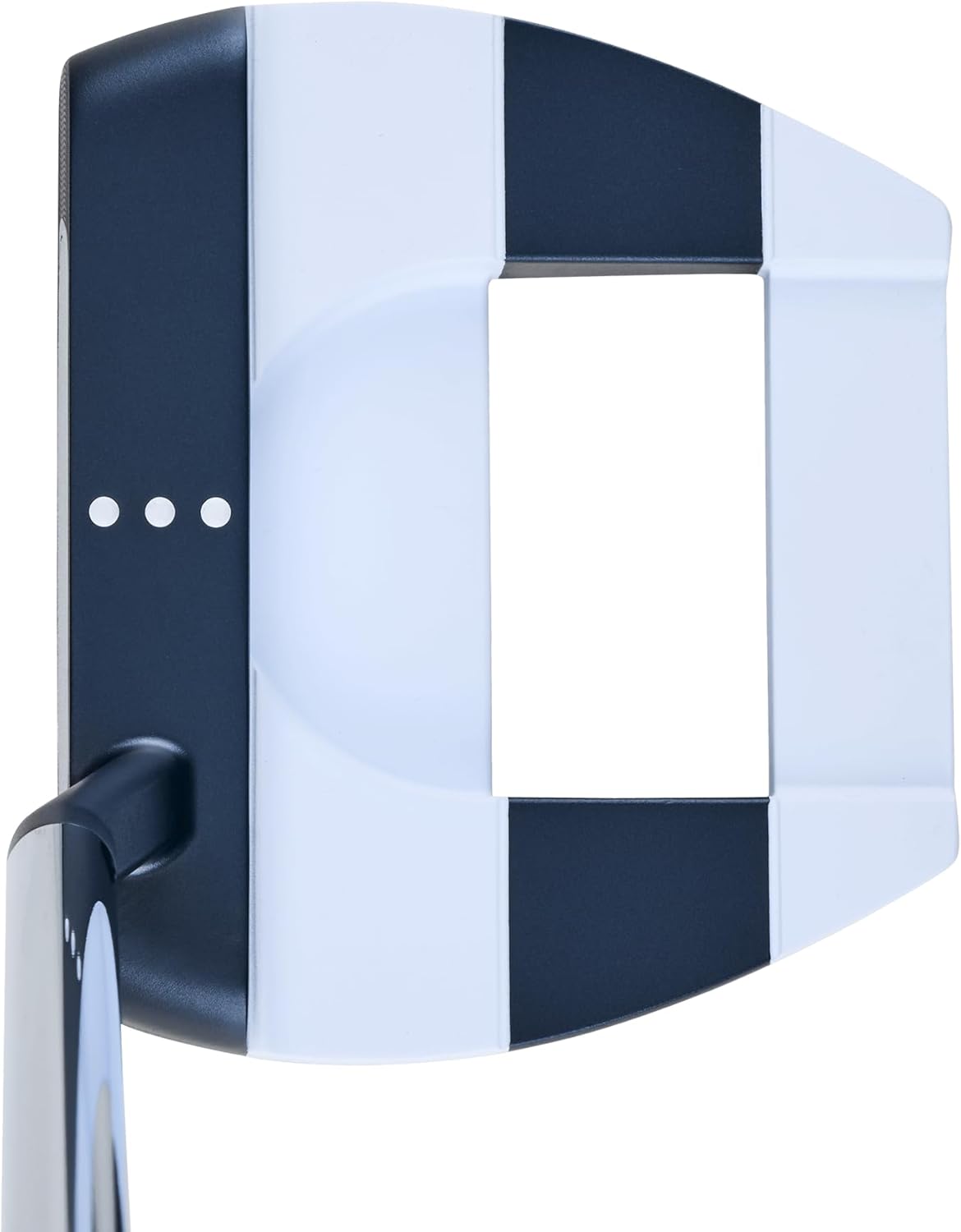
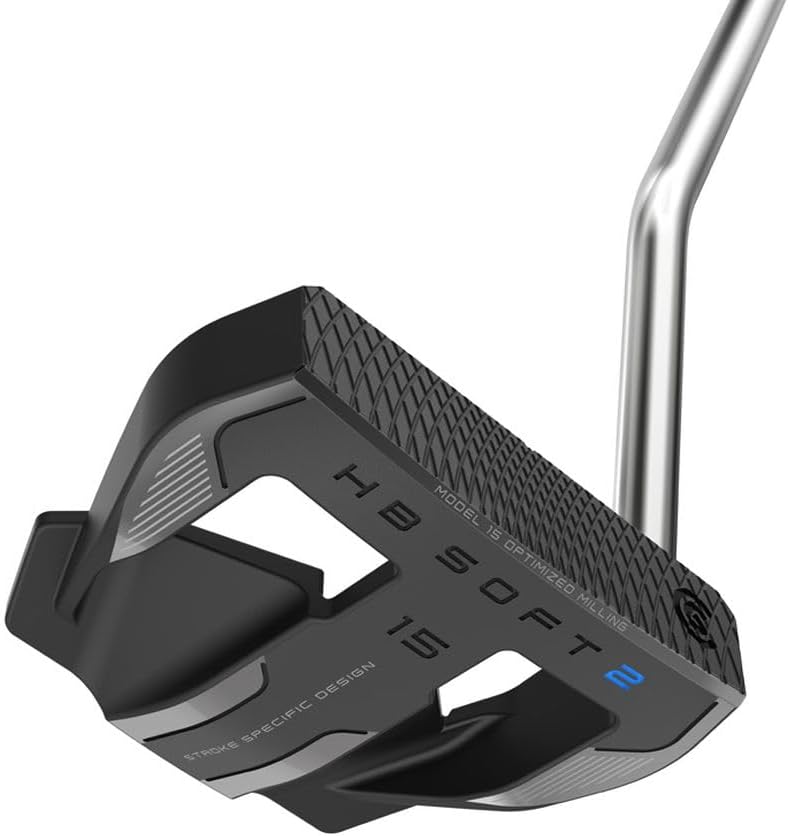
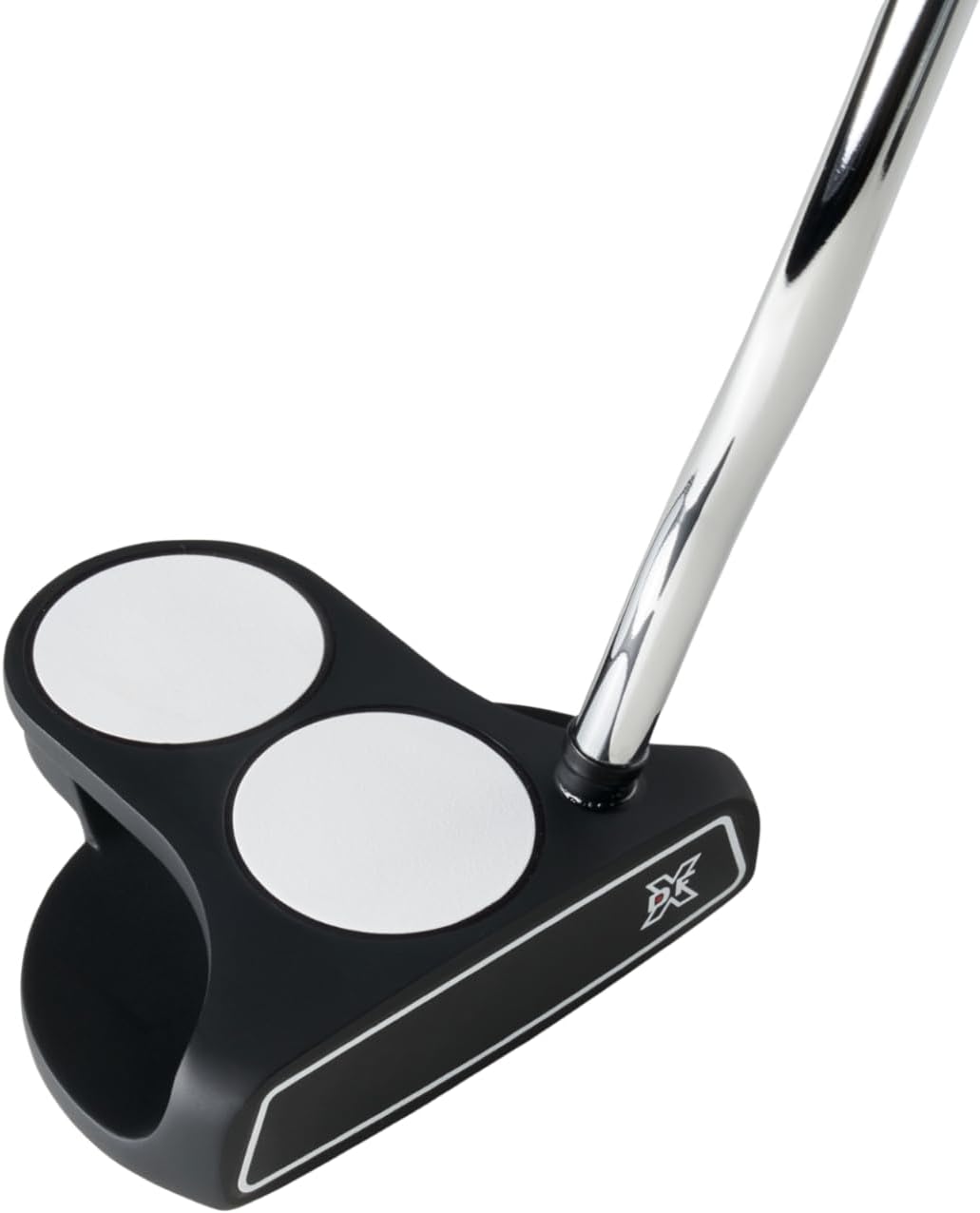
Face balanced versus toe hang in a luxury context
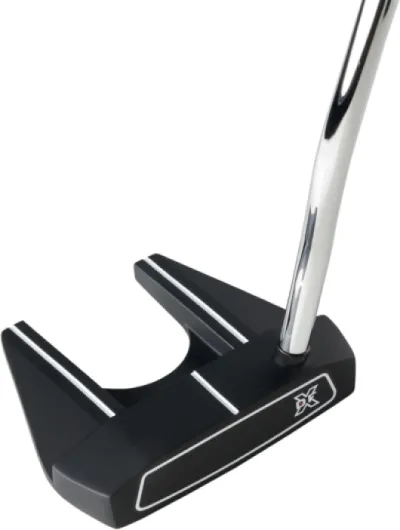
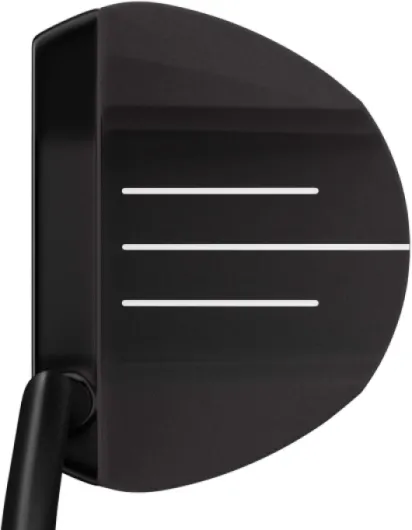
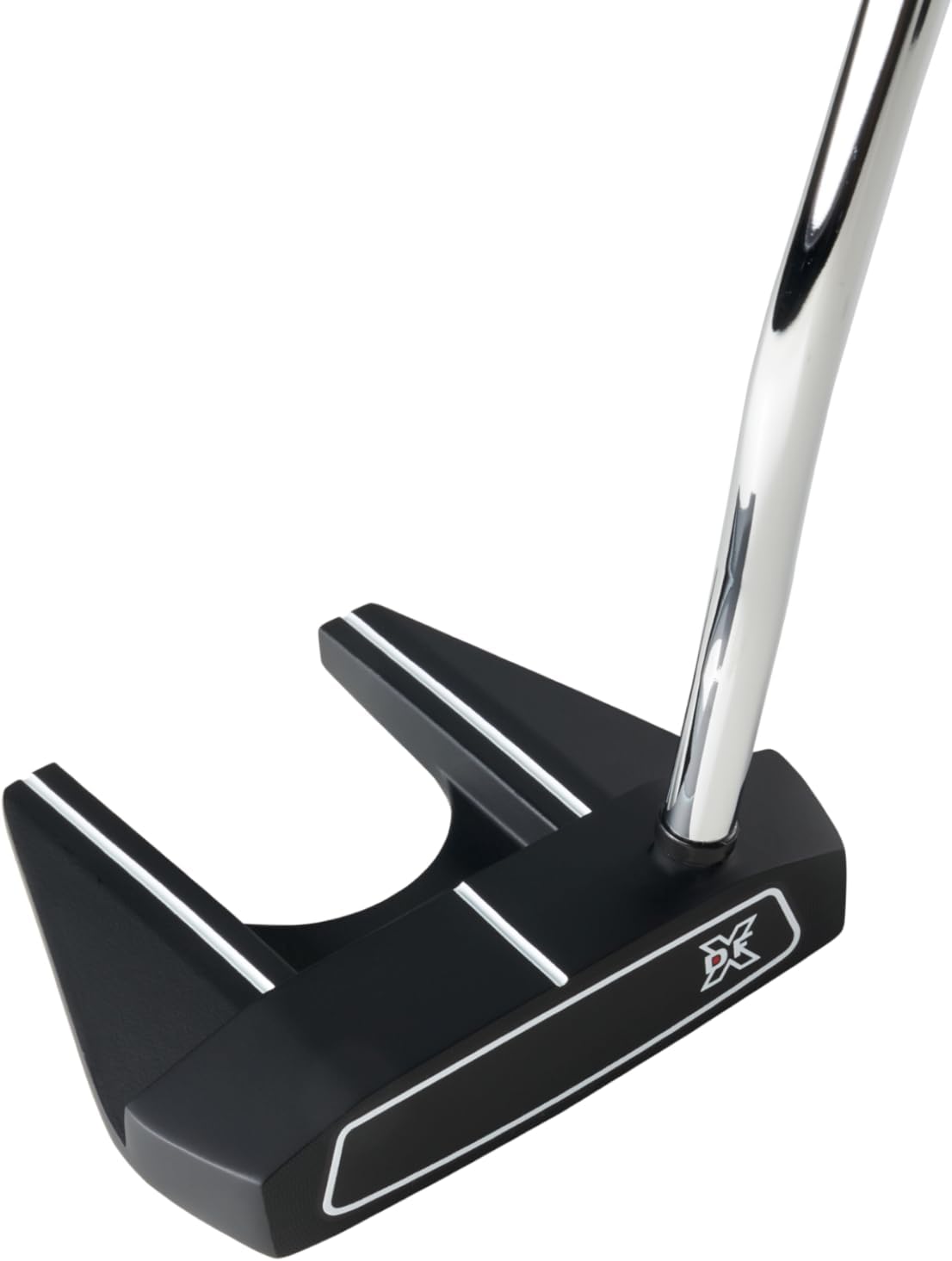
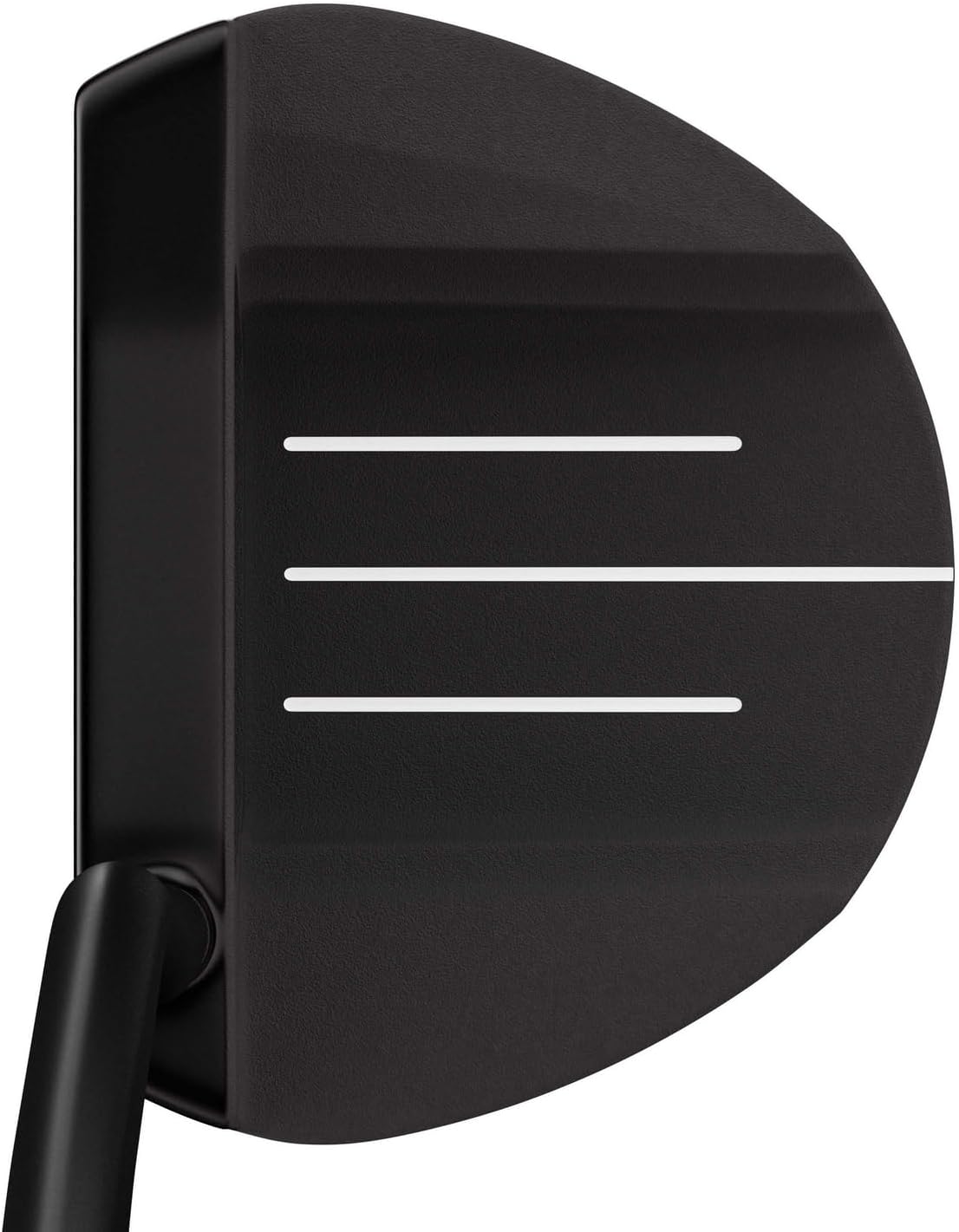
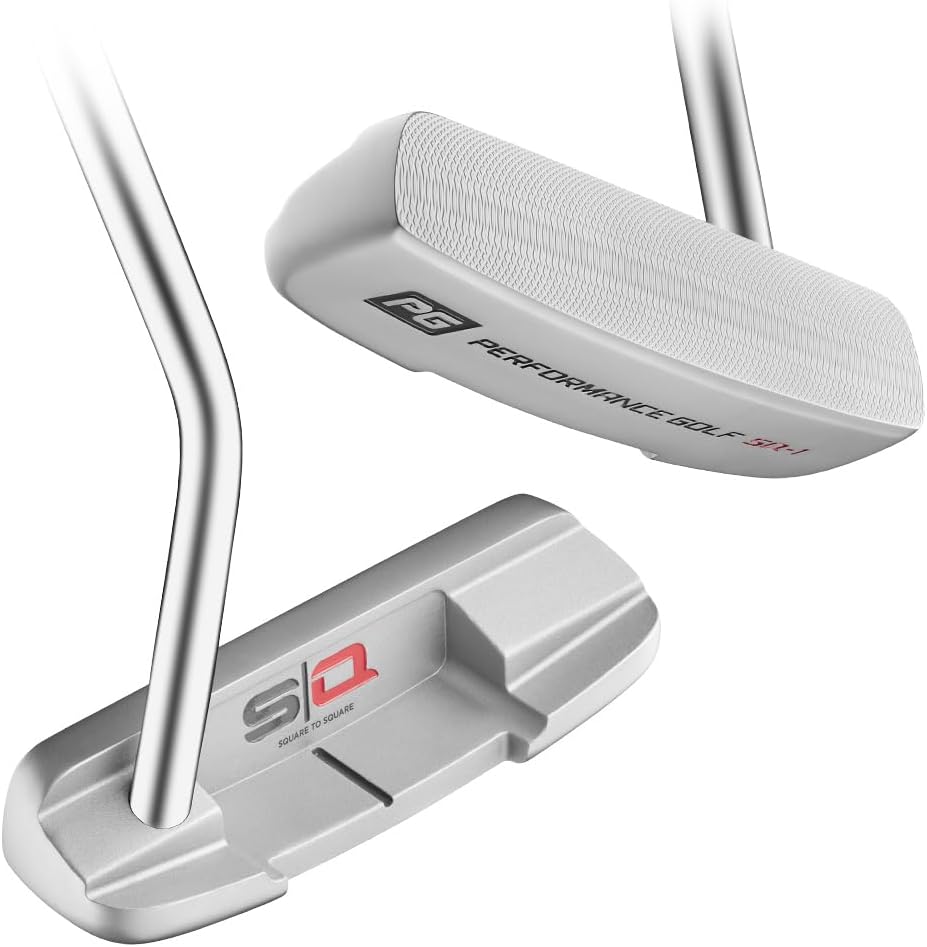
To understand why the best golf face balanced putters dominate luxury ranges, you must compare them with toe hang alternatives. A toe hang blade putter tilts forward when balanced, which suits an arcing stroke but introduces more torque that the golfer must manage consciously. In contrast, a face balanced mallet putter keeps the putter face pointing skyward, so the head naturally wants to stay square to the stroke.
This difference in torque is crucial when you invest in a premium balanced putter. Many luxury golfers prefer a straight stroke because it pairs well with fast, true greens and high pressure situations such as elite club events or even pga tour style setups. When the head resists twisting, the putter face delivers a truer roll, and the feel across the face becomes more consistent, especially on off centre strikes that would otherwise gear the ball offline.
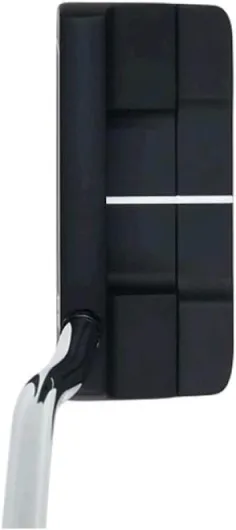
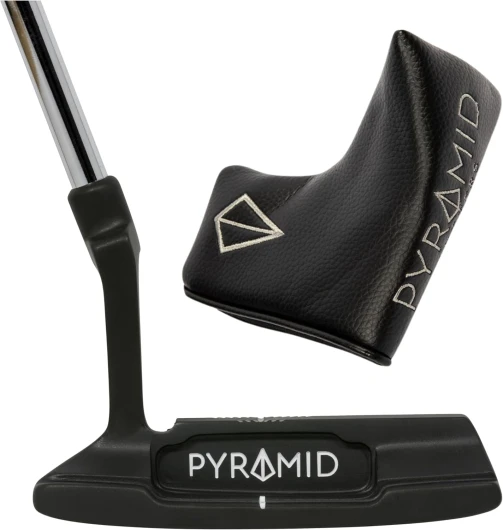
However, not every golfer should abandon toe hang putters entirely. If your stroke has a pronounced arc, a best blade design with some toe hang can still be ideal, particularly when combined with a refined putter face milling pattern and a soft feel insert. The luxury decision is therefore not blade versus mallet alone ; it is about matching your stroke to the right balance profile, then choosing the best golf face balanced putters or carefully tuned torque putters that complement your natural motion rather than fight it, as detailed in our advanced putting stroke guide.
Zero torque innovation and Lie Angle Balance for elite performance
The most advanced segment of the best golf face balanced putters now goes beyond static balance and into zero torque engineering. Traditional face balanced putters focus on how the head behaves when the shaft is horizontal, but Lie Angle Balance technology considers shaft lean, lie angle, and hosel position during the actual stroke. This approach aims to create a torque putter that effectively has no twisting tendency, keeping the putter face square to the arc from takeaway to impact.
As Sam Hahn explains, “Lie Angle Balance makes it effortless for golfers to deliver a square face at impact, because, unlike other putters, the design keeps the face square to the arc throughout the stroke.” That philosophy has reshaped expectations for what a balanced putter can do, especially among players who previously relied on toe hang blades for feel. With zero torque putters, the head and shaft work together so that even subtle wrist movements do not easily open or close the face, which is invaluable on fast greens where a fraction of a degree matters.
For luxury golfers, this innovation translates into confidence under pressure. Whether you favour a mallet or a more compact blade style, a zero torque design can provide the soft feel and premium roll you expect while quietly managing torque in the background. Our dedicated analysis of face balanced versus toe hang technology shows how these new balanced putters reduce face rotation dramatically, making them compelling options if you want the best face stability money can buy.
Flagship luxury models among the best golf face balanced putters
Within the luxury space, several models stand out as benchmarks for the best golf face balanced putters. The L.A.B. Golf DF3 is a zero torque mallet that uses a hollow ring head design to maximise moment of inertia and keep the putter face remarkably stable. Its centre shaft configuration and Lie Angle Balance engineering create a balanced putter that feels almost self correcting during the stroke, especially on long putts where traditional torque putters can wander.
For golfers who prefer a more traditional look, the L.A.B. Golf OZ.1i HS offers a heel shafted silhouette while maintaining face balanced performance. The stainless steel insert provides firmer feedback than some soft feel inserts, yet the overall roll remains controlled and predictable. As one Golf Monthly tester notes, “The new OZ.1i HS manages to give heel-shafted looks while still staying true to L.A.B.'s signature balance, which improves confidence at address.”
On the more mainstream side of luxury, the Taylormade Spider 5K ZT brings the famous spider tour heritage into a near zero torque mallet head. This Taylormade spider model blends a stainless steel frame with aluminium components to push weight to the perimeter, creating a high MOI head that supports a smooth stroke and consistent roll. Golfers who like odyssey or scotty cameron mallet putters often find the Spider 5K ZT a comfortable transition into the world of face balanced and balanced putters that emphasise both performance and refined design.
Balancing feel, alignment and aesthetics in premium putter design
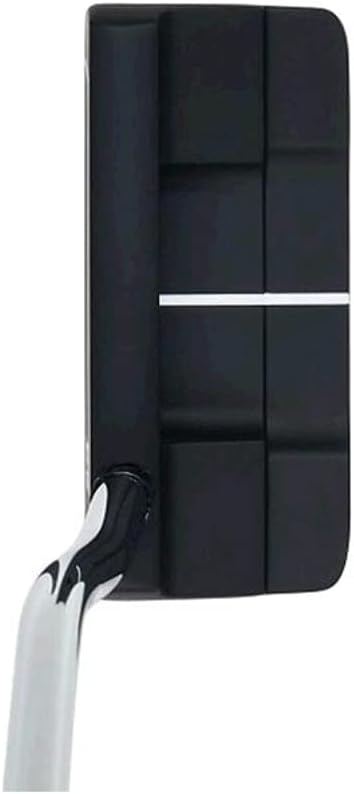
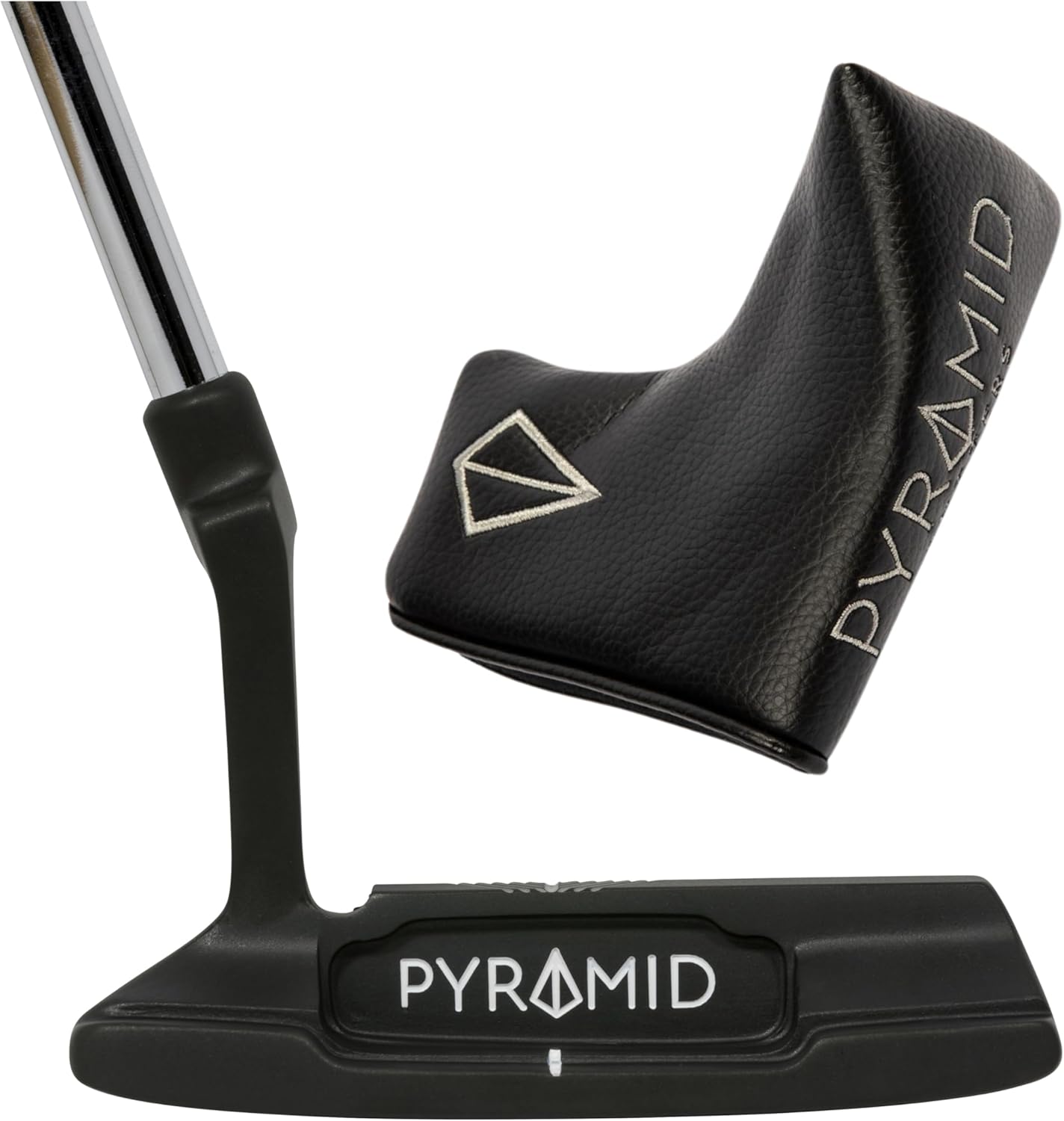
Luxury golfers rarely choose the best golf face balanced putters on performance alone ; feel, alignment, and aesthetics are equally decisive. A mallet head typically offers the most stability, but some players still gravitate toward a blade putter because they associate its compact shape with precision and artistry. Modern designers respond by creating studio style heads that blend blade like proportions with face balanced weighting, giving a best blade option that behaves more like a mallet putter in terms of forgiveness.
Feel is another critical dimension, especially when you invest in a premium balanced putter. Inserts and milling patterns on the putter face can create a soft feel that filters harsh vibrations while preserving enough feedback to judge distance. Some golfers prefer a firmer stainless steel face for crisp audio cues, while others lean toward softer polymers that make the ball feel as if it melts into the face before starting its roll.
Alignment features complete the luxury equation. Multi line systems, contrasting colours, and even las vegas inspired casino chip motifs on certain limited editions help frame the ball and guide the stroke visually. When combined with a face balanced or zero torque head, these alignment cues encourage a repeatable stroke path and a centred strike, which is why many pga tour professionals quietly test such designs even if they ultimately choose more traditional odyssey or scotty cameron models for televised play.
Fitting tips and buying advice for the best golf face balanced putters
Selecting among the best golf face balanced putters requires more than admiring a beautiful head on the rack. Start by assessing your stroke type with a qualified fitter who can measure face rotation, path, and tempo using tools such as SAM PuttLab or high speed cameras. If your stroke is predominantly straight, a face balanced mallet or zero torque design will likely reduce torque and help the putter face return square more naturally.
Next, pay close attention to length, lie angle, and grip, because these influence how the head and toe behave during the stroke. A putter that is too long can increase effective toe hang, even on a nominally face balanced head, while an incorrect lie angle may cause the toe to sit up and alter the feel across the face. Luxury brands often offer custom fitting for these parameters, ensuring that your balanced putter truly behaves as intended rather than as a generic off the shelf model.
Finally, evaluate the putter on real greens, not just indoor mats. Test short putts for start line control, mid range putts for roll consistency, and long putts for distance management, comparing mallet and blade options as well as different torque putters. For more guidance on matching your stroke to specific head shapes and balance profiles, consult our in depth resource on selecting high performance putters, which complements this luxury focused overview and helps ensure your next investment genuinely earns its place among your most trusted clubs.
Key performance statistics for face balanced luxury putters
- Typical face rotation for modern face balanced putters in straight strokes is around 1,5 degrees, compared with approximately 5 degrees for many older hybrid or teardrop designs.
- Recent comparisons indicate a reduction of roughly 70 % in face rotation when moving from traditional toe hang models to advanced face balanced or zero torque heads.
- Estimated annual sales for specialised face balanced and zero torque putters now exceed 130 000 units for leading innovators alone, underlining rapid adoption among serious golfers.
- Market forecasts suggest the face balanced and zero torque putter segment could reach about 80 million USD in global value in the near term, with strong growth expected thereafter.
Essential questions about the best golf face balanced putters
Who should use a face balanced putter instead of a toe hang model ?
A face balanced putter suits golfers whose stroke is relatively straight back and through with minimal arc. If your putter face tends to stay square to the target line and you struggle with pulls or pushes caused by excess rotation, a balanced putter can help. Players with pronounced arcing strokes may still prefer some toe hang, but many benefit from testing both profiles.
Are mallet putters always better than blade putters for stability ?
Mallet putters generally offer higher moment of inertia, so they resist twisting more effectively on off centre strikes. That does not mean every mallet putter is automatically better than every blade putter, because design details such as weight distribution, materials, and shaft placement matter. Some modern blade putters incorporate heel toe weighting and face balanced geometry that narrow the stability gap significantly.
How important is feel when choosing among the best golf face balanced putters ?
Feel is critical because it influences distance control, confidence, and feedback on mishits. A soft feel insert or finely milled stainless steel face can change how the ball launches and rolls, even when the head remains face balanced. Luxury golfers should test several putter face constructions to find the combination of sound, vibration, and roll that best matches their preferences.
Do zero torque putters require a different putting technique ?
Zero torque putters are designed to work with your existing stroke rather than demand a new technique. Because the head resists twisting, many golfers find that their hands and wrists can remain quieter, allowing the shoulders to drive the stroke. The key is to maintain a consistent tempo and let the balanced putter do the work of keeping the face square.
Is a custom fitting necessary for luxury face balanced putters ?
Custom fitting is highly recommended when investing in the best golf face balanced putters, because length, lie angle, and grip size all influence how the head behaves. Even a perfectly engineered balanced putter can perform poorly if the setup does not match your posture and stroke. A professional fitting ensures that the putter’s balance, feel, and roll characteristics translate into real performance gains on the course.