
Summary
Editor's rating
Value for money: where it sits in the FootJoy lineup
Looks and fit: traditional with a bit of athletic vibe
Comfort: cushioned and secure, but a bit snug at first
Synthetic build, but decent quality for the job
Durability and how they hold up after a few rounds
On-course performance: grip, stability and waterproofing
What you actually get with the Tour Rival
Pros
- Very good grip and stability thanks to SoftSpikes and firm outsole
- Reliable waterproofing with 1-year warranty and easy-to-clean synthetic upper
- Comfortable cushioning underfoot for full 18-hole rounds
Cons
- Fit is snug around heel and midfoot; not ideal for wide feet without sizing up
- A bit stiff and warm compared to lighter, spikeless trainer-style golf shoes

Specifications
View full product page →| Brand | FootJoy |
Spiked FootJoy for real golf weather
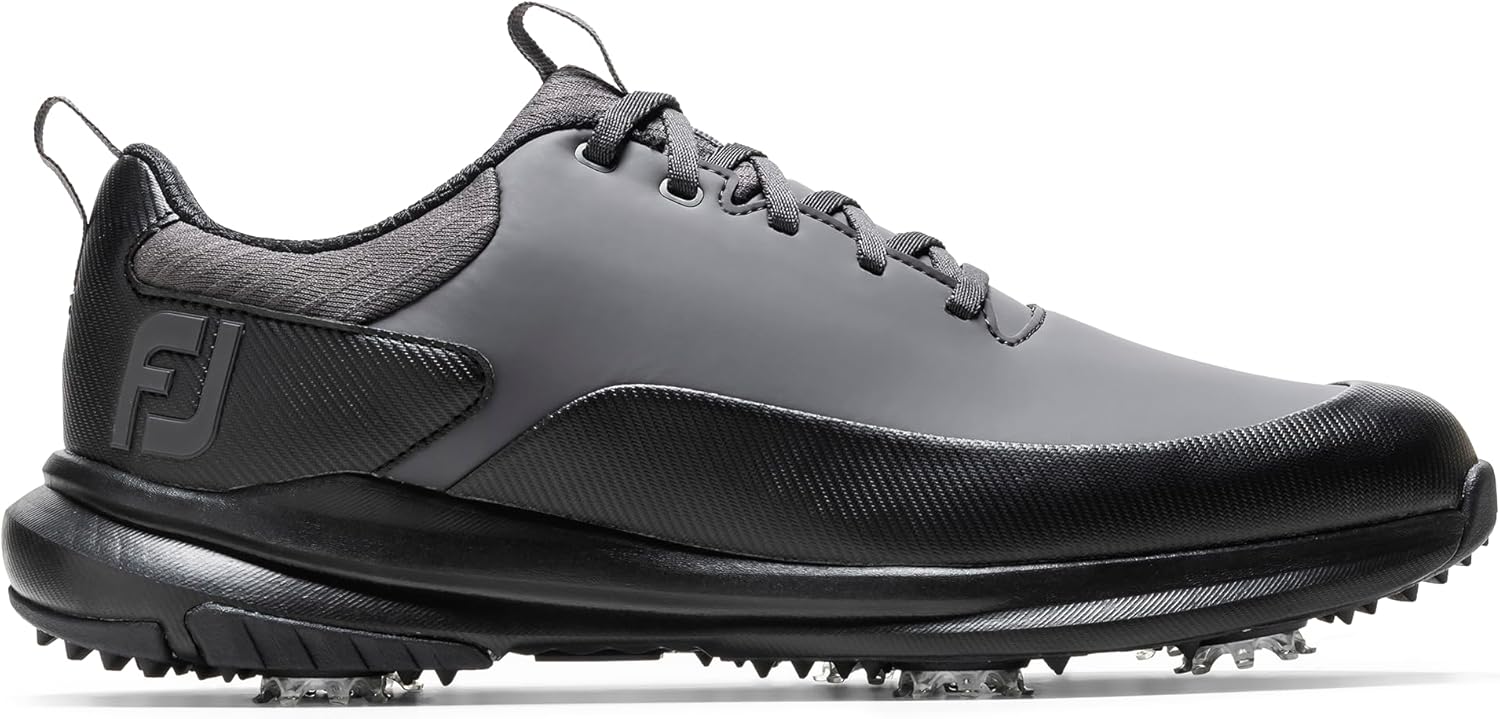
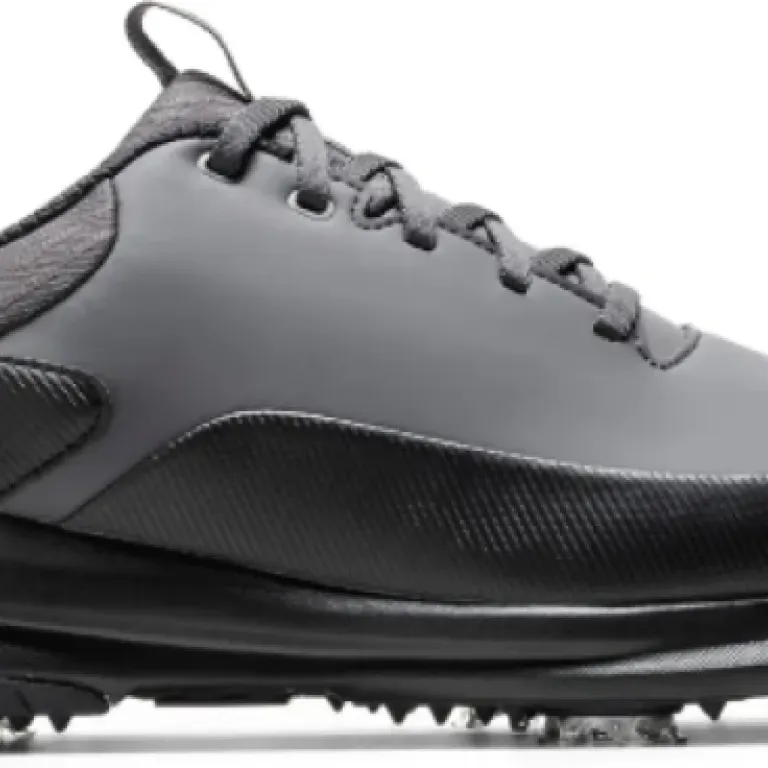
I’ve been wearing the FootJoy Men’s Tour Rival in charcoal grey/black for a few wet UK rounds, and I’ll be straight: these are proper “get-on-with-it” golf shoes, not fashion trainers pretending to be golf gear. They’re spiked, fairly structured, and clearly built with winter and damp mornings in mind. If you’re used to soft, running-style golf shoes, this will feel more like a classic golf shoe with modern cushioning.
The first thing that stood out for me was the fit and shape. FootJoy describes it as a full rounded toe with a slightly narrow heel, and that’s exactly how it feels on foot. The front has space so your toes aren’t crushed, but the heel locks in quite firmly. There’s a bit of toe spring, so you don’t feel like you’re walking in bricks, but it’s not as flexible as a trainer-style golf shoe.
I tested a UK 9, which is my usual size, and I’d say it runs true to size in length but a bit snug in width, especially across the instep at first. After two rounds it started to soften up. If you’ve got wide feet or a high instep, I’d seriously consider going up half a size or looking for a wide fit version, because out of the box it’s not the most forgiving shoe width-wise.
Overall, this feels like a practical, no-nonsense golf shoe. It’s not super light or ultra-breathable, but it grips well, keeps water out, and has enough cushioning that your feet don’t feel wrecked after 18 holes. It’s not perfect, and there are lighter or more flexible options, but for wet or muddy conditions, it does the job pretty well.
Value for money: where it sits in the FootJoy lineup
In terms of value, the Tour Rival lands in that mid-range zone: not the cheapest golf shoe, but also not up in the premium FootJoy tour prices. For what you’re paying, you’re mainly getting solid waterproofing, proper spikes, and good cushioning. If those are your priorities, the price makes sense. You’re not really paying for fancy materials or luxury feel – it’s more about function.
Compared to spikeless trainer-style shoes at a similar price, you’re trading some everyday comfort and style for better grip and weather protection. If you mostly play in dry summer conditions, you might find more comfort and versatility in a spikeless pair you can also wear to the clubhouse or even casually. But if your rounds often involve mud, wet rough and soft fairways, these start to look like better value because they actually do the job those lighter shoes struggle with.
The Amazon rating of 4.6/5 with over 200 reviews lines up with my experience: generally positive, with most people happy about comfort and waterproofing. Comments about them being snug and good for winter use are accurate. You can definitely find cheaper golf shoes, but you’ll usually lose out on either cushioning, waterproof reliability, or brand support. With FootJoy, you’re paying a bit extra for a known fit and consistent build quality.
Overall, I’d call the value good but not mind-blowing. If you catch them at a discount, they’re a strong buy for someone who wants a reliable winter/shoulder-season shoe. At full price, they still make sense if you actually need the waterproofing and spikes; if you’re a casual summer-only player, your money might be better spent on a lighter, more breathable option.
Looks and fit: traditional with a bit of athletic vibe
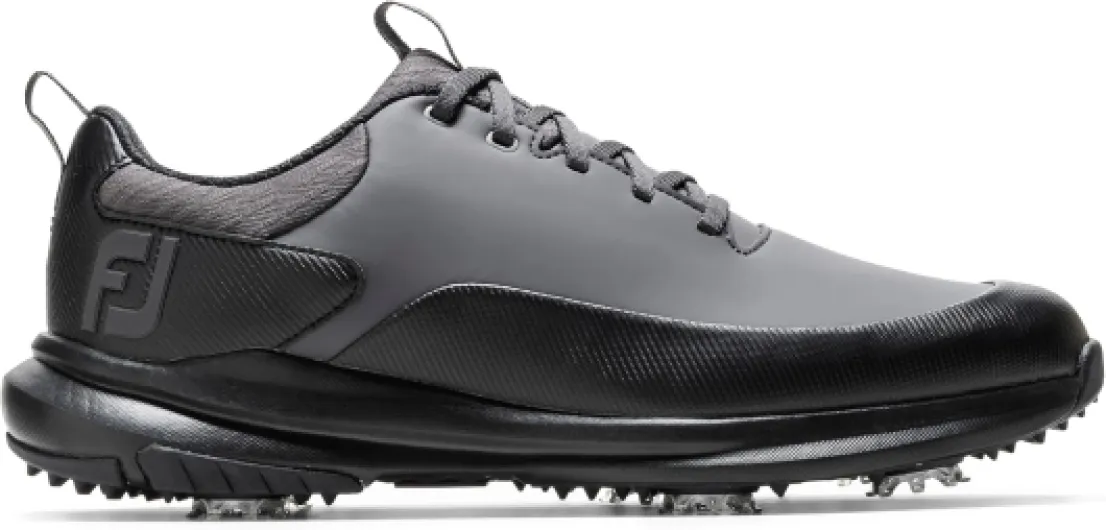
The design of the Tour Rival sits somewhere between an old-school leather golf shoe and a modern athletic one. You get a rounded toe and relatively low profile (low-top), but the overall shape is still quite structured. It doesn’t flop around in your hand like a running shoe – there’s a clear heel counter and a firmer midfoot, which gives the shoe that tidy, planted look on the course.
Colour-wise, the charcoal grey/black combo is very practical. It pairs easily with black, grey, navy or even khaki trousers and doesn’t show dirt much. After a muddy round, a quick wipe with a damp cloth made them look almost new again. If you’re the type who hates cleaning white shoes, this darker design is honestly a relief. There are no flashy logos everywhere, just the usual FootJoy branding, so it looks clean but not boring.
The slightly narrow heel is noticeable. When you lace them up properly, your heel feels locked in and doesn’t slide, which is good for stability during the swing. The trade-off is that it can feel a bit tight around the back and sides of the heel for the first couple of wears, especially if you have a wider rearfoot. I had a bit of pressure on the outside of my right heel during my first round, but it eased as the padding softened.
In terms of stance, the 2 cm platform height and flat heel give you a fairly neutral feel over the ball. You don’t feel lifted or tipped forward. The toe spring helps walking feel a bit more natural, but this is still more of a golf shoe than a walking trainer. If you like a modern, understated shoe that doesn’t scream “tour pro wannabe” but still looks like proper golf footwear, the design hits that mark pretty well.
Comfort: cushioned and secure, but a bit snug at first
Comfort-wise, the Tour Rival is pretty solid once broken in, but it’s not one of those shoes that feels perfect straight out of the box. The combination of synthetic upper and structured heel means the first round feels a bit stiff, especially around the heel and across the instep. I noticed some pressure on the top of my foot when I laced them tightly for the first nine holes. By the second round, though, the upper had given a bit and that pressure calmed down.
The underfoot cushioning is where this shoe does well. The high density EVA FitBed and plush EVA midsole give a nice, padded feel. I walked a full 18 on slightly soft, damp ground and my feet felt fine at the end – no hot spots under the heel or forefoot. If you’re coming from older, flat-soled golf shoes, you’ll probably feel the difference. It’s not as soft as a running shoe, but for a spiked golf shoe, it’s on the comfortable side.
The fit is the main thing to watch. The toe box is reasonably roomy, but the midfoot and heel are on the snug side. If you have wide feet, I’d either size up half a size or look for a wide fit, because the standard width can feel tight, especially with thicker socks. One Amazon reviewer mentioned they’re a snug fit and suggested going half a size up for wider feet, and I think that’s fair advice. Once you find the right size, the heel lock is good and there’s no slipping during the swing.
Ventilation is average. The synthetic upper and waterproof build mean your feet stay dry from the outside, but they don’t breathe like mesh trainers. On a cool, damp day, it’s perfect. On a hot summer afternoon, your feet will feel warm. So, in typical UK spring/winter conditions, comfort is good. In hotter weather, I’d probably swap to a lighter, more breathable pair. Overall, not perfect, but comfortable enough for 18 holes if you get the size right and give them a couple of rounds to soften up.
Synthetic build, but decent quality for the job
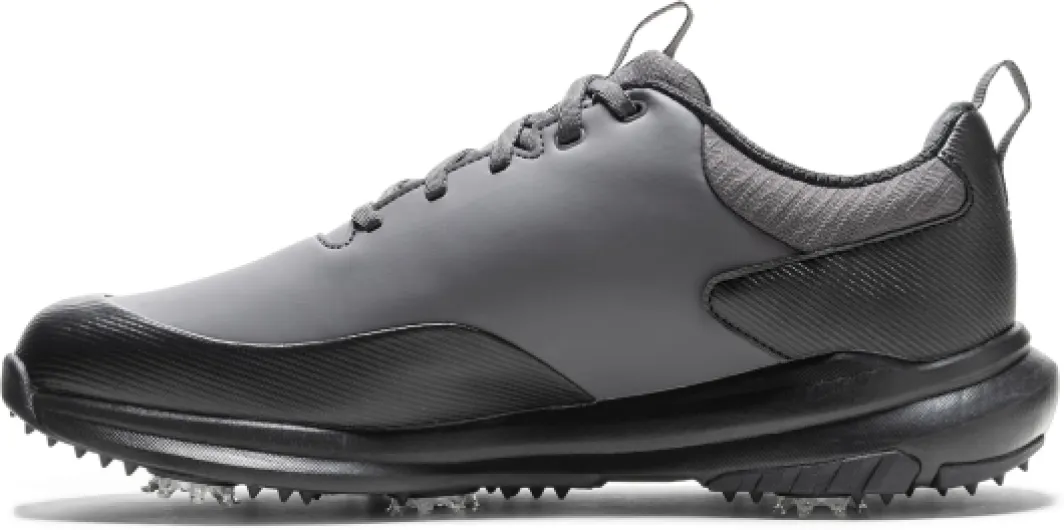
The upper is performance synthetic leather, not real leather, and you can feel that as soon as you touch it. It’s a bit stiffer out of the box and doesn’t have that soft, broken-in feel you get with premium leather models. That said, for golf use, especially in wet conditions, this synthetic material has some advantages: it doesn’t soak up water easily, it’s easier to clean, and it holds its shape quite well over time.
Inside, the shoe uses EVA (Ethylene Vinyl Acetate) for both the insole (FitBed) and midsole. That’s a common cushioning foam you see in a lot of sports shoes. In practice, it gives a fairly soft, padded feel underfoot. It’s not pillowy like some running shoes, but it definitely falls into the “maximum cushioning” side rather than firm and minimal. After walking 18 holes, I didn’t get that bruised-feet sensation, which I sometimes get with older style, thin-soled golf shoes.
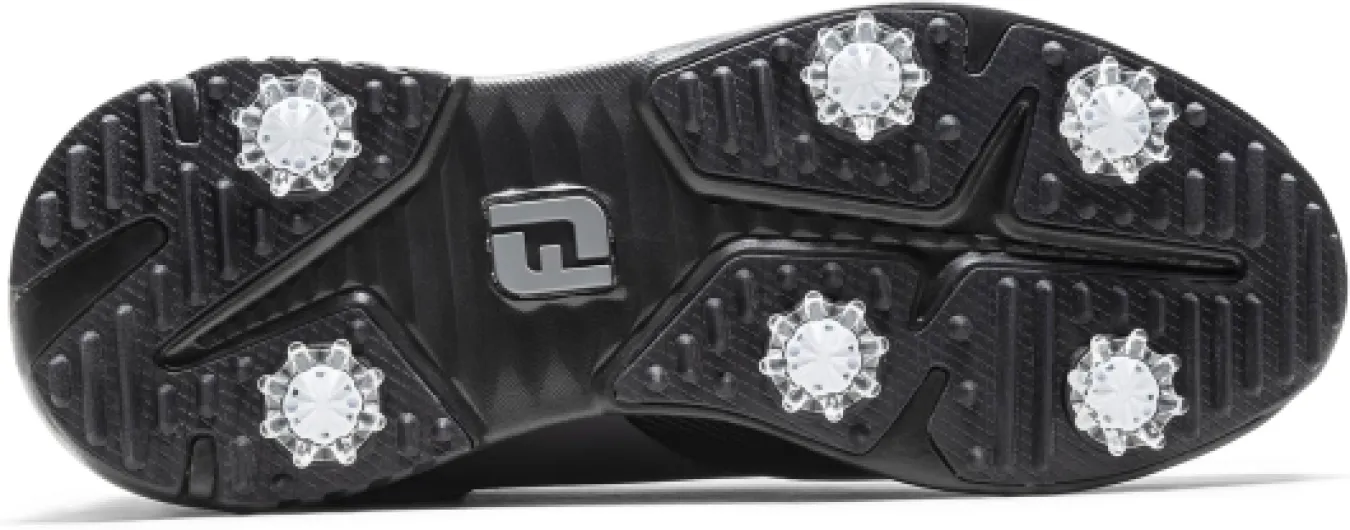
The outsole is thermoplastic elastomer with replaceable SoftSpikes Pulsar LP cleats. The rubber parts feel fairly tough, not cheap or gummy, and the cleats screw in solidly. I walked on a mix of wet fairways, light rough and some gravel paths between holes, and the outsole didn’t show any unusual wear. You’ll still want to avoid lots of tarmac walking because spiked shoes never love that, but for normal course use the materials feel up to the task.
There’s also a wrap-around mudguard and an enhanced molded ankle collar padding. The mudguard is basically a tougher band around the lower edge of the shoe, which helps protect the synthetic upper from scuffs and mud. The ankle collar padding is thick and covered in a standard textile lining. It doesn’t feel premium, but it’s comfortable enough and hasn’t rubbed so far. Overall, the materials are clearly chosen for durability and easy maintenance, not luxury. For the price point, that makes sense and it feels fair.
Durability and how they hold up after a few rounds
Durability is always a bit tricky to judge early, but based on the build and materials, the Tour Rival looks like it should hold up well to regular play. The synthetic upper is fairly thick and doesn’t crease as much as soft leather. After several rounds, the creasing over the toe area was minimal and purely cosmetic. No signs of the upper separating from the sole, which is where cheap shoes usually start to fail.
The DuraMax rubber outsole feels tough. I walked on some gravel and hard paths between holes and didn’t see any chunks missing or unusual wear. The SoftSpikes Pulsar LP cleats are replaceable, so even if you grind them down over time, you can just swap them out instead of binning the whole shoe. That’s a big plus if you play a lot, especially on courses with long walks between greens and tees.
The inside padding and EVA FitBed have kept their shape so far. Some cheaper shoes start to flatten after a couple of rounds, but here the cushioning still feels consistent. The ankle collar padding hasn’t collapsed or caused rubbing. The laces are basic but have held up fine, no fraying yet. Stitching around stress points (like the mudguard and heel) looks clean and secure.
Realistically, if you play once a week in mixed conditions and look after them a bit (wipe them down, don’t leave them soaked in your boot), I’d expect these to last at least a couple of seasons without any serious problems. They’re built more for practical durability than premium feel. So far, I don’t see any obvious weak points, and the 1-year waterproof warranty gives a bit of backup if something does go wrong with water ingress in the first season.
On-course performance: grip, stability and waterproofing
On the course, the Tour Rival does what you want a spiked shoe to do: grip the ground and keep you stable. The combination of the DuraMax rubber outsole and the SoftSpikes Pulsar LP cleats gives very solid traction, especially on wet grass. I tested them on a damp morning with some slopes and didn’t feel any slipping during full swings or when walking up and down banks. Compared to my older spikeless shoes, the difference in grip on wet ground is obvious.
The platform is flat and stable, with that slightly narrow heel locking you in. During the swing, you feel planted without your foot rolling around. The shoe doesn’t flex as much as a trainer-style golf shoe, but that stiffness actually helps maintain a consistent base for your swing. On the downside, that same stiffness makes walking feel a bit less natural compared to softer, more flexible golf trainers, especially on the first couple of wears.
Water performance is one of the strong points. With the 1-year waterproof warranty and the synthetic upper, my feet stayed dry through wet rough, morning dew and a couple of shallow puddles. The wrap-around mudguard does its job – mud and water tend to slide off the lower part rather than soaking in. After the round, the shoes wiped clean quickly with a damp cloth, which is a big plus if you play on muddy courses and don’t want to spend ages cleaning gear.
In terms of overall performance, I’d say these are ideal for autumn/winter or generally wet conditions. For dry summer rounds on firm ground, they might feel a bit overbuilt and warm, and you might prefer something spikeless and lighter. But if you want reliable grip and dry feet when the weather turns, they’re very dependable. They don’t magically improve your swing, but they give you a stable, predictable platform, which is all I really ask from golf shoes.
What you actually get with the Tour Rival
On paper, the FootJoy Tour Rival is a fairly classic spiked golf shoe: synthetic leather upper, EVA cushioning, DuraMax rubber outsole, and SoftSpikes Pulsar cleats. It’s officially water-resistant with a 1-year waterproof warranty, which matches how FootJoy usually positions its mid-range shoes. So you’re not getting top-of-the-line tour shoe tech, but you’re also not at the bargain-basement level.
The model I used is the charcoal grey/black version, which is basically a dark, practical colourway that hides mud and grass stains well. If you play a lot in winter or on damp parkland courses, this is actually a big plus. White shoes look nice for about one round; these ones look the same after three or four, as long as you give them a quick wipe. The finish is matte rather than shiny, so they don’t scream for attention, which I like.
Underfoot, you’ve got a high-density molded EVA FitBed plus a plush EVA midsole. In simple terms: a fairly thick foam insole and midsole that give you a cushioned feel rather than a thin, hard traditional golf shoe. You also get a wrap-around mudguard around the lower part of the upper, which is basically a protective band that helps stop mud and water creeping in where the upper meets the sole. That small detail actually makes a difference when you’re walking through wet rough or puddles.
In the box, it’s pretty basic: just the pair of shoes, no spare spikes or fancy extras. Laces are standard, nothing special, but they hold fine and haven’t slipped on me. Overall, in terms of presentation, it feels like a solid mid-range golf shoe: functional features focused on cushioning, grip and weather protection, without the bells and whistles of the really pricey FootJoy ranges.
Pros
- Very good grip and stability thanks to SoftSpikes and firm outsole
- Reliable waterproofing with 1-year warranty and easy-to-clean synthetic upper
- Comfortable cushioning underfoot for full 18-hole rounds
Cons
- Fit is snug around heel and midfoot; not ideal for wide feet without sizing up
- A bit stiff and warm compared to lighter, spikeless trainer-style golf shoes
Conclusion
Editor's rating
The FootJoy Tour Rival in charcoal grey/black is a practical, no-drama spiked golf shoe that focuses on grip, waterproofing and cushioning rather than style or fancy materials. It feels a bit stiff out of the box and the fit is on the snug side around the heel and midfoot, but after a couple of rounds it settles in and becomes a comfortable, stable shoe for 18 holes. The synthetic upper, EVA cushioning and DuraMax outsole don’t feel premium, but they feel reliable and easy to live with.
This shoe makes the most sense if you play a lot in wet or muddy conditions and want something that will keep your feet dry and planted. The 1-year waterproof warranty, wrap-around mudguard and replaceable SoftSpikes are all genuinely useful features, not just marketing. If you mainly play in summer on dry courses, or if you prefer super-light, trainer-style golf shoes, this might feel a bit overbuilt and warm. Also, if you have very wide feet, you’ll need to size up or look for a wide version.
Overall, I’d say it’s a solid, functional choice rather than an exciting one. It gets the job done, holds up well so far, and the dark colourway is easy to keep looking decent. Good for regular golfers who play through the wetter months and want a dependable shoe, less ideal for casual, fair-weather players chasing maximum comfort and style.