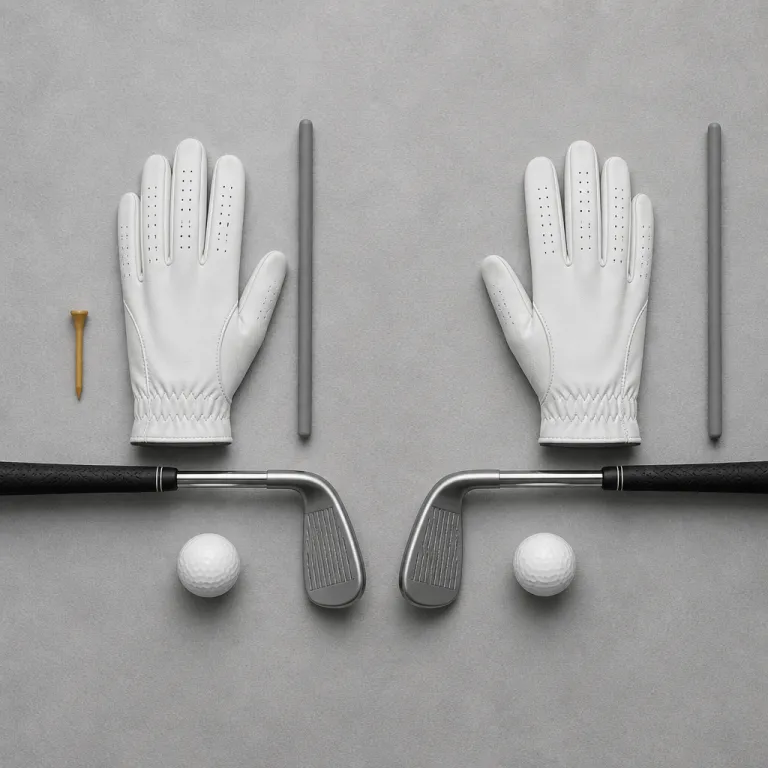
Understanding what hand to wear a golf glove for luxury level control
Every serious player eventually asks what hand to wear golf glove for the most refined control. For luxury focused golfers, the answer shapes how the glove, the hand and the club interact to create a repeatable swing under demanding conditions. When you invest in premium golf gloves, you expect the gloved hand to translate directly into better feel and measurable control.
For a right handed player, the golf glove belongs on the left hand, because that left hand is the lead hand guiding the clubface through impact. Left handed golfers reverse the logic, so the glove sits on the right hand as their own lead hand, and this simple rule answers most questions about what hand to wear golf glove in a clear, technical way. When you understand how the lead hand and trail hand share the workload, you start to see why elite golfers wear a glove only on the lead side rather than on both hands.
The lead hand sits at the top of the grip and controls the clubface, while the trail hand supports speed and stabilises the club through the bottom of the grip. In luxury golf, the right golf glove or golf gloves selection is less about fashion and more about how the leather interfaces with your hands to maintain control in changing conditions. Once you match the correct glove to your handed status, you can focus on premium cabretta leather, stitching and panel design that elevate both performance and comfort.
How the glove hand shapes grip, swing and shot consistency
The gloved hand is the anchor of your grip, so choosing what hand to wear golf glove directly influences how the club behaves at impact. When the lead hand is secure inside a well fitted glove, the clubface stays more stable, which means the swing path and ball flight become more predictable. Luxury golf gloves are engineered so that the cabretta leather wraps the left or right hand with minimal seams, allowing the hands to work together without friction.
Right handed golfers wear a glove on the left hand because that lead hand controls the initial takeaway, the top of the swing and the first move down. Left handed players place the glove on the right hand for the same biomechanical reason, ensuring that the gloved lead side manages the clubface while the bare hand refines feel. When golfers wear the glove on the correct side, the hands can apply pressure evenly, which prevents the club from twisting in wet or humid conditions.
Many elite players prefer a single golf glove because the ungloved trail hand maintains raw feel on the club, especially around the greens. This balance between wearing a glove on the lead side and leaving the trail hand uncovered is why you rarely see tour players wearing gloves on both hands. If you pair a premium glove with a well balanced wood set such as the one reviewed in the test of a graphite wood set for demanding golfers, you will notice how the improved grip from the glove hand can translate into tighter dispersion and more confident swings.
Luxury golf apparel extends beyond the glove to accessories like high end caps, which help manage sun and heat so your hands stay dry and the glove maintains its texture. When you combine a correctly placed golf glove with one of the top golf caps for premium performance, you create a micro climate that keeps both hands in ideal playing conditions. That synergy between glove, hand and overall apparel is what separates a casual setup from a fully optimised luxury golf wardrobe.
Luxury materials and why cabretta leather matters on the lead hand
Once you know what hand to wear golf glove, the next decision is which material deserves a place on that lead hand. In the luxury segment, cabretta leather dominates because it offers a uniquely soft feel while still providing reliable grip in varied conditions. When this leather wraps the glove hand correctly, the contact between hand and club becomes almost seamless.
Cabretta leather golf gloves contour to the natural shape of your hands, so the lead side feels supported rather than restricted. Right handed golfers will notice how a cabretta leather glove on the left hand allows subtle adjustments in grip pressure during the swing without losing control. Left handed golfers experience the same benefit when the glove position is matched to their handed profile, ensuring the lead hand can guide the clubface with precision.
Premium brands often reinforce high wear zones on the glove lead side, especially around the palm and thumb where the club rubs most. This targeted reinforcement means that wearing a glove on the correct hand does not lead to premature breakdown, even for players who play golf several times a week. Pairing a luxury glove with technical base layers, such as those highlighted in the top golf base layers selection, keeps the entire kinetic chain warm and responsive so the lead hand can transmit subtle feedback from the club.
In cooler or damp conditions, cabretta leather gloves may need rotation to maintain their structure, especially when wearing gloves for extended practice sessions. Many golfers carry two or three identical golf gloves in a round, alternating them so each glove hand stays dry and the leather retains its luxurious texture. This approach respects the investment in high end materials while ensuring that the hand glove interface remains consistent from the first tee to the final putt.
Dominant hand versus lead hand – how luxury golfers should decide
Confusion about what hand to wear golf glove usually comes from mixing up the dominant hand with the lead hand. The dominant hand is the one you use for writing or daily tasks, while the lead hand is the top hand on the grip that steers the club. In golf, the glove belongs on the lead hand, not automatically on the dominant hand, and that distinction matters for performance.
For a right handed player, the left hand is the lead hand, so the golf glove sits there and the dominant right hand remains bare for enhanced feel. For a left handed player, the right hand becomes the lead hand, so the glove choice flips accordingly, but the principle stays identical. Golfers who respect this rule find that the gloved lead side can apply pressure without tension, while the ungloved hand refines touch and timing.
Some golfers wear a glove on both hands during practice to manage blisters, but they usually return to a single glove hand for competitive play. Wearing gloves on both hands can reduce tactile feedback, especially in the short game where delicate control of the clubface is essential. Luxury focused players often keep a second golf glove in the bag as a backup, yet they still prioritise one perfectly fitted glove on the correct lead hand for most swings.
When you evaluate high end golf gloves, always check how the pattern supports the lead hand through the full swing arc. Look for panels that allow the high wear zones to flex naturally without bunching, especially across the knuckles and the base of the thumb. This ensures that the glove works with your biomechanics rather than fighting against the natural motion of your hands.
Fit, sizing and how luxury gloves should feel on the hand
Knowing what hand to wear golf glove is only half the equation, because the fit on that hand determines how effectively you can control the club. A luxury glove should fit like a second skin on the glove hand, with the leather lying flat across the back of the hand and minimal excess at the fingertips. When the glove is sized correctly, the hands can maintain a light grip while still keeping the club secure.
Right handed golfers should start by fitting the left hand, checking that the closure tab sits near the middle of the Velcro patch when fastened. Left handed golfers repeat the same process on the opposite side, ensuring that the glove wraps the lead hand without pulling or gaping. If you see deep wrinkles when wearing a glove, the glove is likely too large, which can cause the club to shift during the swing and reduce control.
Luxury cabretta leather will stretch slightly with use, so a new golf glove should feel snug but not restrictive on the lead side. Many golfers wear their fresh gloves for a short practice session first, allowing the leather to mould to the left or right hand before taking them into competition. During this break in period, pay attention to any hotspots where the hand glove contact feels abrasive, because that may signal the need for a different size or cut.
In humid or rainy conditions, consider rotating between two or three golf gloves so that each glove hand stays dry and the leather maintains its structure. Golfers who play frequently often keep a dedicated practice glove and a separate match glove, preserving the premium feel for important rounds. This habit ensures that when you play at your highest level, the glove, the hand and the club are perfectly synchronised.
Luxury style, etiquette and when to remove the glove
On a refined course, what hand to wear golf glove is as much about etiquette and style as it is about mechanics. Most golfers wear the glove on the lead hand for full shots, then remove it for putting to enhance feel on the grip. This ritual of taking off the glove hand before stepping onto the green has become a subtle marker of traditional golf culture.
Right handed players slip the glove off the left hand and often tuck it neatly into a back pocket, leather side out, which protects the cabretta leather from sweat. Left handed players mirror this movement on the opposite side, keeping the glove accessible for the next tee shot without creasing the material. Wearing gloves only when necessary also extends their lifespan, especially for luxury models where the leather and stitching are finely tuned for performance.
Some golfers choose to keep the glove on for short chips if the conditions are damp or the grip feels slick. Others prefer bare hands for every touch shot, relying on the trail hand to sense the clubhead weight without any barrier. Either approach is acceptable in high end golf, as long as the primary golf glove remains on the correct lead hand during full swings and the overall look stays clean and considered.
From a style perspective, coordinating the colour and detailing of your golf gloves with the rest of your luxury apparel creates a cohesive aesthetic. Matching the trim of the glove to your belt, shoes or cap shows an attention to detail that many connoisseur golfers appreciate. When the lead side looks as refined as it feels, the simple act of wearing a glove becomes part of a larger expression of personal style on the course.
Key statistics on golf gloves, grip and performance
- Industry surveys from major equipment brands such as FootJoy and Titleist consistently report that the vast majority of regular golfers wear a golf glove on the lead hand for full swings, confirming that the standard practice aligns with the lead hand principle rather than the dominant hand.
- Testing by tour level fitters and manufacturers, including internal launch monitor studies shared by glove design teams, has shown that players using a correctly fitted cabretta leather glove on the glove hand often reduce grip pressure, which can contribute to a smoother swing and more consistent clubhead speed.
- Questionnaires of amateur golfers conducted by premium glove makers indicate that those who rotate at least two golf gloves during a round in humid conditions report fewer grip slips, especially on the lead hand where most of the control is generated.
- Data shared by premium glove brands suggest that a well maintained leather golf glove typically retains optimal performance for roughly 15 to 20 rounds, while many synthetic gloves last longer but usually offer less refined feel on the hand.
- Observations from professional tours, including PGA and European circuits, show that almost all players wear a glove on the lead hand only, with only a small minority experimenting with wearing gloves on both hands during competitive play.
FAQ – what hand to wear a golf glove and luxury choices
Should I wear my golf glove on my dominant hand or my lead hand ?
You should wear your golf glove on the lead hand, which is the top hand on the grip, not automatically on the dominant hand you use for writing. For right handed golfers, that means the glove goes on the left hand, while left handed golfers place the glove on the right hand. This positioning allows the gloved hand to control the clubface more effectively through the swing.
Why do most golfers wear only one glove instead of two gloves ?
Most golfers wear a single glove on the lead hand to balance grip security with feel. The gloved lead hand manages control of the club, while the bare trail hand maintains tactile feedback, especially for short game shots. Wearing gloves on both hands can reduce sensitivity, which is why it is rare in luxury and professional golf.
Is cabretta leather really better than synthetic materials for golf gloves ?
Cabretta leather is widely preferred in luxury golf gloves because it offers a softer feel and more precise conformity to the hand than many synthetic materials. When fitted correctly on the lead side, it provides excellent grip without requiring excessive pressure. Synthetic gloves can be more durable in harsh conditions, but they usually cannot match the refined feedback of premium leather.
How tight should a luxury golf glove feel on my hand ?
A luxury golf glove should feel snug on the glove hand, with the leather lying smooth across the back of the hand and only slight tension when you close the Velcro tab. There should be minimal extra material at the fingertips, because excess leather can bunch and affect the grip. Since cabretta leather stretches slightly, a new glove can feel tight at first but should relax after a few swings.
When should I replace my golf glove to maintain performance ?
You should replace your golf glove when the palm or thumb on the lead hand shows noticeable wear, the leather becomes hard or shiny, or the glove no longer fits closely. For frequent players, this often occurs after roughly 15 to 20 rounds with a premium leather model. Rotating multiple gloves and allowing them to dry properly between rounds can extend their usable life while preserving feel and control.