
Summary
Editor's rating
Value for money: good if you catch a decent price and know the limits
Looks and fit: modern trainer vibe, but quite narrow
Comfort: great cushioning, but only if they fit your foot shape
Synthetic build and water resistance: good for dry, limited in wet
Durability so far: outsole looks tough, upper seems average
On-course performance: grip, stability, and how they swing
What you actually get when you open the box
Pros
- Very comfortable underfoot with Lightstrike midsole and Ortholite insole, good for walking 18 holes
- Modern trainer-like look that works on and off the course
- Decent grip and stability for dry to mildly damp conditions thanks to the spikeless lug outsole and heel clip
Cons
- Fit runs narrow and can feel tight, especially in the forefoot
- Water resistance is limited and not reliable in tall wet grass or heavy rain
- Not ideal as a single all-weather shoe; better suited as a dry-season or backup pair

Specifications
View full product page →| Brand | adidas |
Light, comfy golf shoes… with some surprises
I’ve been using the adidas S2G 24 Spikeless Golf Shoes in the white/halo silver/gum colourway for casual rounds and practice sessions, and I’ll be straight: they’re pretty solid summer golf shoes, but they’re not perfect. If you’re expecting a fully waterproof, all‑weather tank, these are not that. If you want something light and comfortable that feels close to a trainer, they make a lot more sense.
What pushed me to try them was the mix of a Lightstrike midsole, Ortholite insole, and a spikeless outsole. On paper it sounded like a decent blend of comfort and grip without feeling like you’re walking on hard plastic. I also liked the idea of being able to drive home in them without changing shoes in the car park, which is basically how lazy I am after 18 holes.
During use, a few things stood out right away: comfort underfoot is genuinely good, the fit is on the narrow side, and the water resistance is clearly more “morning dew” than “heavy, wet rough”. I also noticed the heel clip and general structure give decent stability for a spikeless shoe, but you still feel you’re in something closer to a trainer than a traditional golf shoe.
So this review is from that angle: casual golfer, mostly dry conditions, not playing in a monsoon. I’ll walk you through how they look, feel, and hold up, and where they fall short so you know if they fit the way you actually play, instead of the marketing description. There’s some good stuff here, but also a couple of annoying points you should know before buying.
Value for money: good if you catch a decent price and know the limits
On value, it really depends on what price you find them at and what you expect from a golf shoe. When they’re discounted, they’re good value for a light, comfortable summer spikeless. You get brand-name cushioning (Lightstrike), a decent insole (Ortholite), and a modern look that you can wear on and off the course without feeling weird. For that use case, they’re money well spent.
Where the value drops is if you treat them as a full waterproof, all‑season shoe. They’re simply not that, and the reviews calling out the lack of real waterproofing are fair. If you then add in potential return hassles (like the guy who got hit with a big return fee for sizing issues), the picture gets less positive. So sizing and expectations really matter here. If you have to play the return lottery because of the narrow fit, that eats into the value quickly.
Compared to other spikeless shoes I’ve worn in a similar price bracket, the comfort underfoot is at least as good, sometimes better. The trade‑off is the narrow fit and the water resistance that’s more marketing than reality. If you already own a proper waterproof pair for bad weather and just want a lighter option for dry rounds, these make sense as a second pair in your rotation.
So my take: good value if you buy them as what they are – a light, comfy, mainly dry‑weather golf shoe – and if you get the sizing right, ideally at a sale price. If you’re looking for a single do‑it‑all golf shoe and you play in the rain a lot, there are better options, even if you pay a bit more upfront. Sometimes spending a bit extra on a fully waterproof, more robust model saves you money and annoyance long term.
Looks and fit: modern trainer vibe, but quite narrow
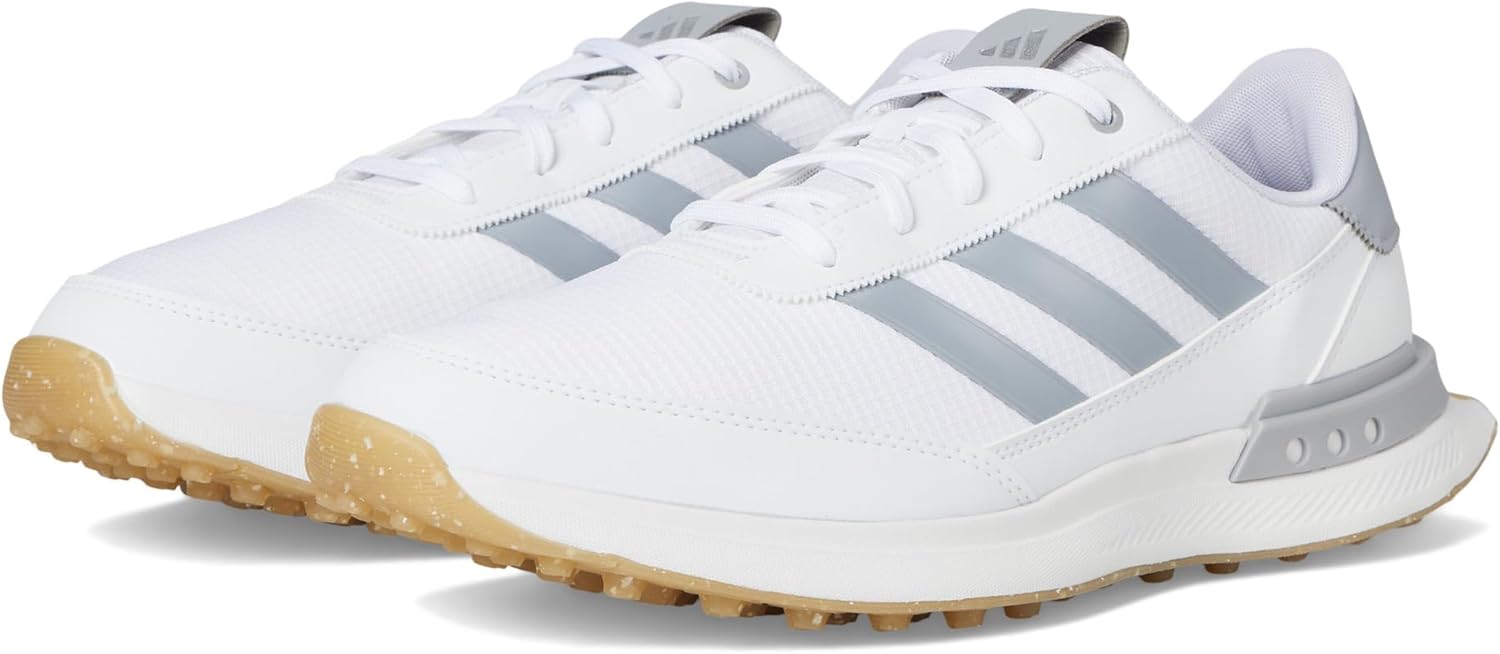
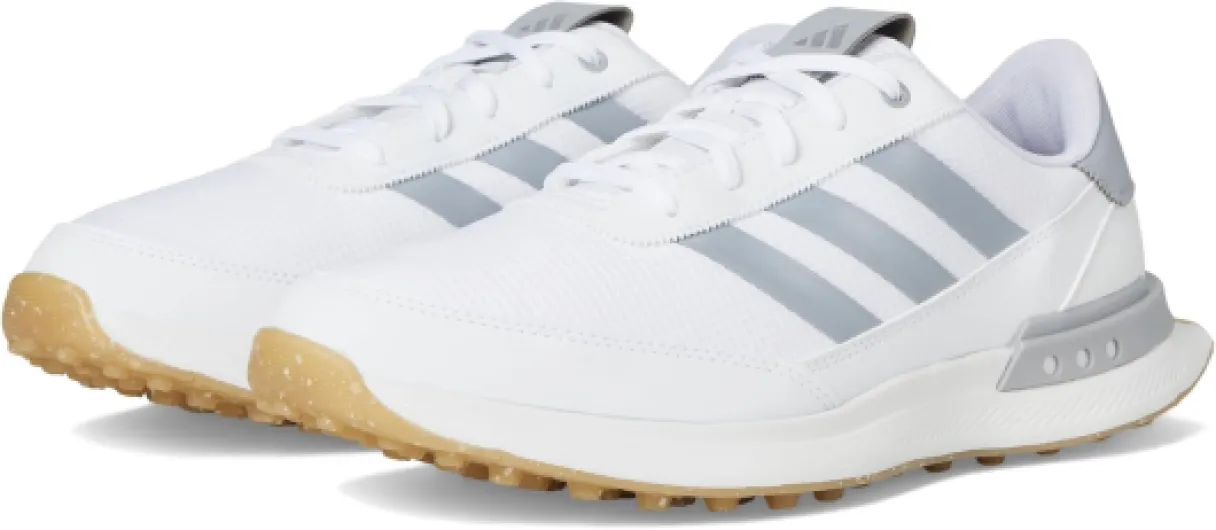
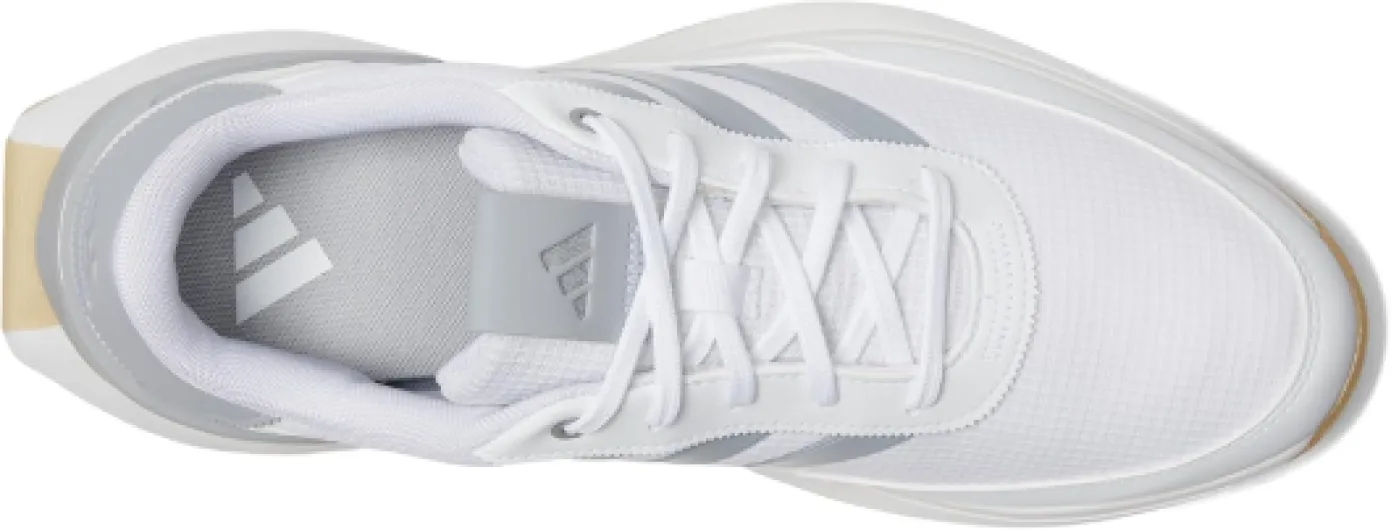
Design-wise, adidas went for a clean, trainer-like look. No big plastic saddle pieces or bulky midsole blocks. The three stripes are there but not screaming at you, and the gum outsole actually gives it a bit of a lifestyle shoe feel. I had a couple of people at the range ask if they were just regular adidas trainers until they saw the outsole. If you like that more casual aesthetic instead of the classic leather golf shoe look, these hit the mark.
The downside of the design is the shape of the last (the form they’re built on). These run narrow through the midfoot and toe box. I’m a fairly standard UK 9 with slightly wide feet, and I felt pressure on the sides of my forefoot for the first couple of sessions. It eased up a bit after they broke in, but they never felt roomy. The Amazon reviews back this up: some people say the wide version is comfortable, others say their usual size felt at least a size too small. So, in practice, if you have wide feet, I’d either go for the wide fit or half a size up, and even then don’t expect a super generous toe box.
The low‑top cut gives good ankle mobility, which I liked for walking and rotating through the swing. There’s a molded TPU heel clip that helps keep your heel locked in, and that part worked well for me – no heel slip, even on faster swings. The lacing system is standard, nothing fancy, but it holds well and I didn’t need to re-tie mid‑round.
In short, the design is good if you want a modern, low‑key look, but the fit is on the snug side. If your current golf shoes already feel tight, don’t expect these to magically be more forgiving. Think of them as a trainer-shaped golf shoe that looks good with shorts and joggers, but demands you get your sizing right or you’ll be annoyed after a few holes.
Comfort: great cushioning, but only if they fit your foot shape
Comfort is where these shoes are both quite good and a bit frustrating. Underfoot, they’re genuinely nice. The Lightstrike midsole plus Ortholite insole combo gives a cushioned, slightly springy feel. Walking 18 holes on a reasonably firm course, my feet didn’t feel beaten up. Compared to older, stiffer golf shoes I’ve worn, these feel way closer to wearing a running shoe or a gym trainer. If you walk your rounds instead of using a cart, that matters a lot.
The issue is the width. The standard version I tried felt narrow, especially around the forefoot. After about 9 holes, I started to feel pressure on the sides of my feet. It wasn’t brutal, but it was enough to be annoying. After a few rounds the upper softened a bit and it got better, but it never turned into that “forget you’re wearing them” feeling. If you have narrow or standard feet, you might be totally fine. If you’re even slightly wide, I’d strongly suggest trying the wide fit or going half a size up. One reviewer saying they felt a full size too small doesn’t surprise me.
The heel support is solid thanks to the TPU heel clip, and I never had heel slip or rubbing at the back. The collar padding is decent, not overly plush but enough to avoid blisters. I wore them with thin golf socks and didn’t get any hot spots apart from the width issue. The flat heel and low drop also make them feel stable when you’re set up over the ball, which I liked.
So, comfort verdict: cushioning and general feel are very good for long walks, but the shoe shape will make or break it. If they match your foot type, you’ll probably really like them for summer golf. If they’re too narrow for you, no amount of nice foam will save the experience. This is one of those pairs where trying them on properly, and walking a bit in them, is almost mandatory before committing.
Synthetic build and water resistance: good for dry, limited in wet
The materials are mostly synthetic: faux leather outer, textile lining, rubber sole, and a ripstop-type upper with synthetic overlays. Inside you’ve got a textile lining and an Ortholite sockliner, which helps with cushioning and a bit of breathability. The midsole is adidas Lightstrike, which is a fairly responsive foam – not squishy like memory foam, more of a sporty feel.
On paper, the shoe is described as “water resistant” with a waterproof ripstop upper. In real use, I’d call it lightly water resistant at best. Fine for a bit of morning dew on the fairway or a quick walk through slightly damp grass, but not something I’d trust in heavy rain or long wet rough. One of the Amazon reviews mentions water leaking in just from walking through tall wet grass, and honestly I can see how that would happen. The tongue area and seams are not sealed like a proper waterproof boot, and the low‑cut design doesn’t help once grass is brushing over the top.
Breathability is decent. Because the upper is synthetic with some textile, your feet don’t feel like they’re in a sauna, but they’re not ultra-ventilated either. For spring and summer rounds, I had no overheating issues. I wouldn’t pick these for very cold winter golf, both because of the breathability and the lower level of water protection.
Overall, the materials feel fine for the price range: light, easy to clean (a quick wipe and they’re okay), and the rubber outsole feels sturdy enough. Just be realistic: this is not a premium leather shoe with full waterproofing. It’s a synthetic, sporty golf shoe that’s clearly built for dry to mildly damp conditions. If you often play in heavy rain or soggy courses, you’ll want something more robust and properly waterproof.
Durability so far: outsole looks tough, upper seems average
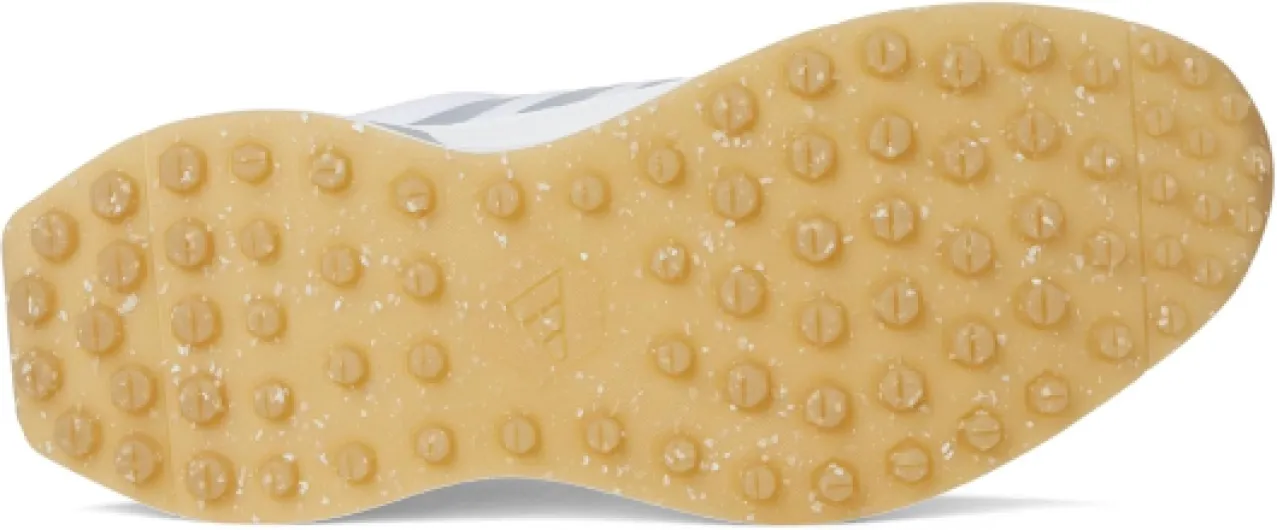
On durability, I can’t give a multi‑year verdict, but after steady use the outsole still looks in good shape. The rubber lugs haven’t flattened quickly, and there are no chunks missing or weird peeling. For a spikeless shoe, that’s important because once those lugs wear down, grip goes downhill fast. Given the build and the feel of the rubber, I’d expect the outsole to last a decent amount of rounds if you’re not also using them as everyday street shoes.
The upper is more of a question mark. The synthetic “faux leather” with ripstop feels light but not super beefy. I haven’t had any tearing or obvious wear yet, but you can tell it’s built for lightness and comfort more than brutal longevity. If you tend to drag your toe or scrape your shoes a lot on the follow‑through, you might see scuffs and cosmetic damage fairly quickly. On the plus side, the materials wipe clean easily, so mud and grass stains don’t soak in too much.
The inner lining and Ortholite insole are holding up fine. No flattening that I can feel yet, and no loose stitching. The heel area, which is often where shoes start to go first, still looks solid, with no fraying or collapse of the structure. That TPU heel clip probably helps keep everything in shape over time.
Realistically, I’d rate the durability as average to slightly above average for a lightweight spikeless shoe. If you mostly play in dry conditions and don’t abuse them off the course, they should last a fair while. If you’re out in wet, muddy conditions all the time and never clean them, don’t expect miracles – they’re not built like heavy leather tanks. They’re more like a comfortable tool that you’ll probably replace after a couple of seasons of regular use.
On-course performance: grip, stability, and how they swing
On the course, the S2G 24 Spikeless are perfectly decent performers for dry to mildly damp conditions. The 4‑lug rubber outsole gives enough grip for normal swings. I didn’t feel like I was slipping on the tee box, even when I went after the driver a bit. On hard, dry ground and mats at the range, they feel secure. It’s not the same locked‑in traction you get from full spikes, but for casual play and practice, it’s more than enough.
Stability through the swing is helped by the flat heel and the molded TPU heel clip. When you load into your trail foot, you don’t feel like your foot is rolling off the edge of the shoe. The platform feels reasonably wide under the heel and midfoot, even if the upper feels narrow. That combo makes the shoe feel more planted than the trainer-like look might suggest. If you’re used to very soft, floppy trainers, you’ll notice these are more structured in a good way.
Where performance drops off is in wet or muddy conditions. Being spikeless and only water resistant, they’re not ideal when the ground gets slick. On damp, slightly muddy lies, you start to feel the outsole wanting to slide a bit more, especially on aggressive swings. Also, once water gets into the upper, your socks get wet fast and comfort goes downhill quickly. I wouldn’t trust these for winter golf or consistently wet courses.
For summer golf, range sessions, and dry days, though, they do the job well. You can walk 18, swing normally, and not think too much about your shoes – which is kind of the point. Just don’t expect them to suddenly turn you into a tour pro, and don’t pretend they’re a full wet‑weather option. They’re solid everyday spikeless shoes for the right conditions, nothing more, nothing less.
What you actually get when you open the box
Out of the box, the S2G 24 Spikeless look like a clean, sporty golf trainer. Nothing flashy, nothing overly technical-looking. The colour I had (Footwear White / Halo Silver / Gum 4) is basically white with a light grey/silver touch and a gum sole. It’s pretty safe and goes with most golf outfits. If you like loud colours, this isn’t that. If you just want something that doesn’t clash with your shorts, it works fine.
In terms of build, you’ve got a low‑top profile, a waterproof ripstop upper with synthetic overlays, and a molded TPU heel clip at the back. Inside, there’s an Ortholite sockliner and a Lightstrike midsole, which is the same kind of foam adidas uses in some of their running and training shoes. The outsole has a 4‑lug spikeless pattern, so no removable spikes – just molded rubber nubs that are meant to give grip without feeling too aggressive.
Weight‑wise, they feel light in the hand and on the foot. They’re not ultra‑featherweight like some running shoes, but for a golf shoe they lean more toward the lightweight side. The overall impression when you first handle them is: modern trainer with golf tweaks, not stiff leather golf shoe. For a spring/summer shoe, that makes sense.
One thing to note: there’s no fancy extras in the box. No extra insoles, no shoe bag, nothing. Just the shoes and paper stuffing. That’s fine for me, but if you’re used to more premium golf shoes that come with extra bits, this isn’t that tier. The focus here is clearly on keeping things simple: light, synthetic build, athletic style, and a reasonably compact shape that doesn’t scream “I’m wearing golf shoes” when you walk into the clubhouse or petrol station after your round.
Pros
- Very comfortable underfoot with Lightstrike midsole and Ortholite insole, good for walking 18 holes
- Modern trainer-like look that works on and off the course
- Decent grip and stability for dry to mildly damp conditions thanks to the spikeless lug outsole and heel clip
Cons
- Fit runs narrow and can feel tight, especially in the forefoot
- Water resistance is limited and not reliable in tall wet grass or heavy rain
- Not ideal as a single all-weather shoe; better suited as a dry-season or backup pair
Conclusion
Editor's rating
Overall, the adidas S2G 24 Spikeless Golf Shoes are solid lightweight summer shoes with a few clear pros and cons. The main strengths are the comfort underfoot, the modern trainer-like look, and the decent grip and stability for normal, dry‑weather golf. If you walk your rounds and like the feel of a running shoe more than a stiff leather golf shoe, they tick a lot of boxes. They’re easy to wear to and from the course, and the cushioning holds up well over 18 holes.
On the downside, they run narrow and the water resistance is limited. If you have wide feet, you really need to consider the wide fit or going up in size, and even then it might still feel snug. And if you’re hoping for something that keeps you dry in heavy rain or long wet grass, you’ll likely be disappointed – they’re more “lightly water resistant” than truly waterproof. Durability looks fine for a lightweight spikeless shoe, but they’re not built like a heavy-duty winter boot.
I’d recommend these to golfers who mainly play in spring and summer, mostly in dry conditions, and want a comfortable, trainer-style shoe for walking the course. They’re also a good second pair if you already own a fully waterproof shoe for bad weather. If you have wide feet, play a lot in the rain, or want one single shoe to handle every condition, I’d skip these and look at something more supportive and properly waterproof, even if it costs a bit more upfront.