Key performance variables when selecting graphite iron shafts
Choosing the best golf graphite shaft irons starts with understanding how weight, flex and launch profiles interact with your swing. A low weight graphite iron shaft in the 70 g to 85 g range can help many players increase swing speed, but only if the profile still offers true stability through impact. Heavier graphite iron shafts in the 90 g to 105 g category often suit stronger players who want a mid to low launch with controlled spin and a more connected feel.
Launch and spin are heavily influenced by the shaft’s bend profile, especially in the mid and tip sections where the club stores and releases energy. Low launch and low spin graphite designs suit golfers who already generate high dynamic loft, while mid high launch profiles help players who struggle to get the ball airborne with longer irons. Many luxury fitters now classify options as low mid, mid or mid high to simplify the fitting conversation and to align each iron shaft with a specific distance and trajectory goal.
Brand families matter as well, because each manufacturer has a distinct design philosophy that shapes how their shafts feel and perform. Fujikura Axiom graphite iron shafts, for example, are built with multi material bias layers to stabilise the tip while keeping the mid section responsive, which suits players seeking a tour like flight without harsh vibration. When you compare Fujikura, UST Mamiya and Graphite Design offerings side by side in a fitting bay, you notice how subtle differences in taper, balance point and torque translate into real changes in yards iron gaps and dispersion, and a detailed guide such as this comparison of top graphite shaft irons can help frame those choices.
How swing speed and tempo shape the ideal graphite iron profile
Your swing speed and tempo are the foundation for selecting the best golf graphite shaft irons that genuinely elevate performance. A golfer swinging a 7 iron at 75 mph needs a very different shaft from a player at 95 mph, even if both prefer a similar trajectory. Matching iron shafts to these swing speeds ensures that the club returns to impact squarely, delivering true distance and consistent spin.
Players with smoother tempos and moderate swing speed often benefit from mid high launch graphite iron designs that load easily and provide a gentle kick through the ball. In this category, lighter options from UST Mamiya or Graphite Design with a slightly softer mid section can help you add several yards iron without sacrificing control into the green. Golfers with a more aggressive transition usually gravitate toward low mid or mid low launch profiles, where the shaft’s tip section is reinforced to keep the clubface stable at higher mph values.
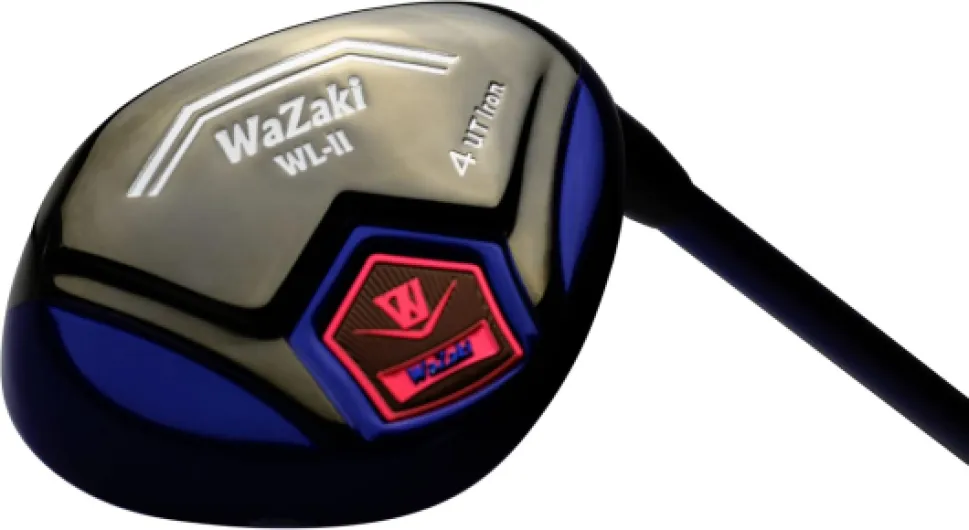
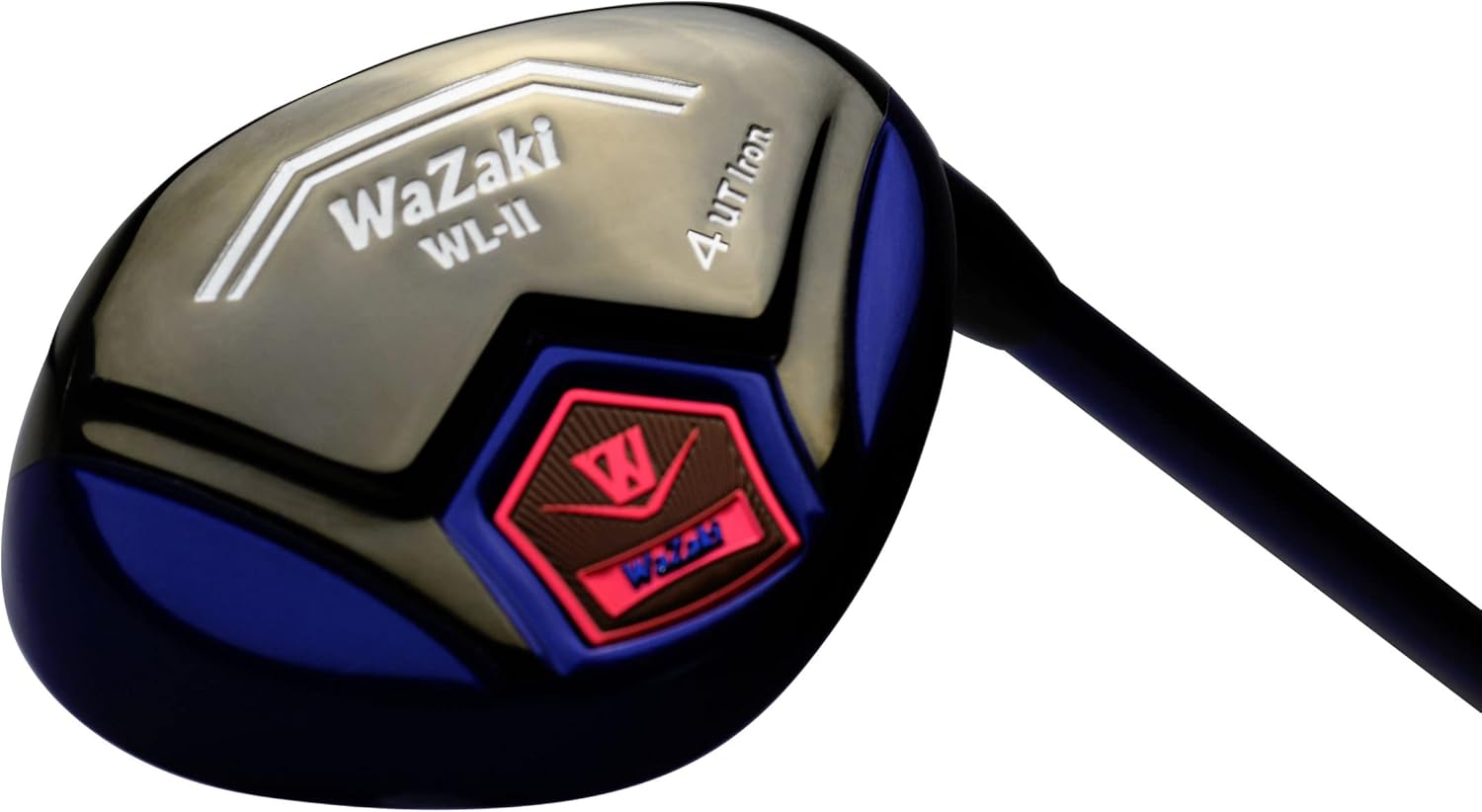
Luxury fittings now frequently incorporate launch monitor data to map swing speeds across the entire iron set, not just one club. This allows the fitter to recommend progressive iron shaft solutions, such as a temper AMT style concept where weight increases gradually from long irons to wedges, or a tour lite configuration that keeps the long irons easy to launch while tightening dispersion in the scoring clubs. When you pair such a tailored graphite project with a forgiving hybrid like the one reviewed in this performance fairway hybrid test, you create a seamless transition from woods to irons that feels truly bespoke.
Inside the leading graphite shaft families for luxury irons
Among serious golfers, certain graphite shaft families have become benchmarks for the best golf graphite shaft irons in the luxury space. Fujikura Axiom sits at the top of many fitting charts, offering multiple weight classes and flexes that cover low, low mid and mid launch windows. Its construction uses a complex bias core to keep the tip section stable, which helps maintain true ball flight even when you step on a shot and push swing speed toward tour levels.
UST Mamiya has built a strong reputation with its Recoil series, where the focus is on energy return and a smooth feel that mimics the best iron sensations of forged heads. These graphite iron shafts use a spring like design that stores energy in the mid section and releases it efficiently, which can add distance for players who previously felt they had plateaued with steel. Graphite Design, known for its tour proven wood shafts, now brings similar precision to iron shafts, with models that offer mid low spin and a penetrating trajectory for confident ball strikers.
On the steel inspired side of graphite, True Temper has developed hybrid constructions and variable weight concepts such as Temper AMT that appeal to golfers transitioning from traditional iron shafts. While True Temper remains famous for its steel, its graphite and composite projects show how the brand is responding to demand for lighter weight without losing the signature tour feel. When you compare these families in a fitting bay, pay close attention to how each shaft loads in the mid section, how the taper profile influences impact sensation and how consistently you can hit your preferred yards iron number across multiple swings.
Tour inspired graphite options and the role of KBS technology
Tour validation has become a powerful driver in the search for the best golf graphite shaft irons, especially for golfers who want performance without compromise. KBS, long respected for its steel designs, now offers graphite options such as KBS TGI and KBS Tour Lite that bring its signature feel to lighter weight constructions. These shafts are engineered with a precise taper profile that maintains stability while still allowing the player to sense the clubhead throughout the swing.
KBS TGI graphite iron shafts are available in multiple weights, allowing fitters to dial in low, low mid or mid launch characteristics depending on the player’s needs. In the lighter ranges, KBS Tour Lite graphite aims to help moderate swing speeds generate extra mph while keeping spin within a playable window for holding firm greens. For stronger players, heavier KBS TGI options can deliver a more penetrating flight with mid low spin, creating a tour like trajectory that still benefits from graphite’s vibration dampening.
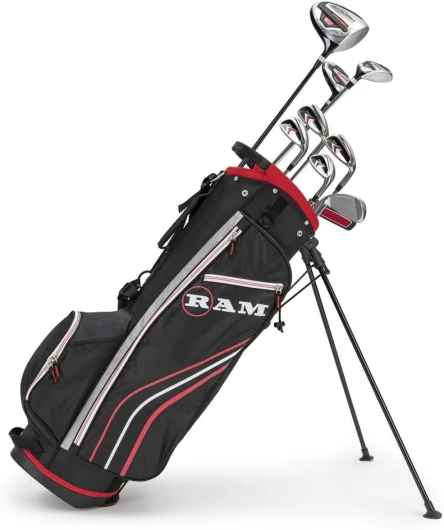
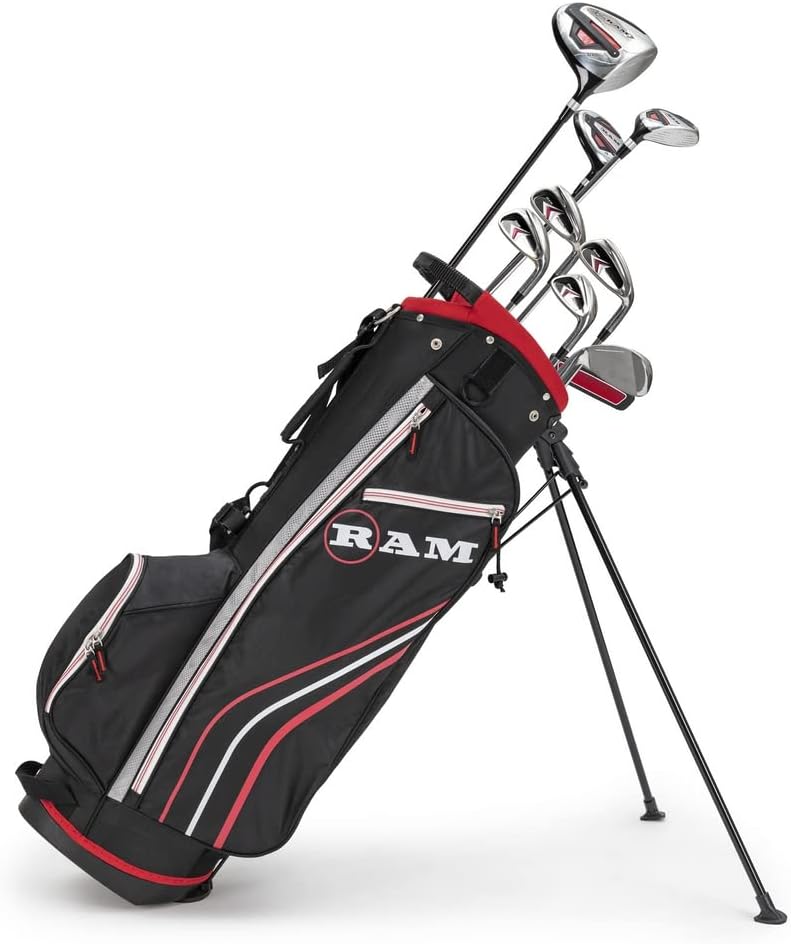
The classic KBS Tour steel profile has also inspired composite projects where the bend profile is mirrored in a graphite design, giving long time KBS users a familiar feel in a lighter package. When you test KBS taper and KBS Tour influenced graphite shafts against other brands, focus on how the club responds during transition and whether the iron shaft recovers quickly enough to produce a repeatable start line. Many luxury golfers find that this blend of tour DNA and modern graphite engineering provides the true best iron experience, especially when combined with a premium carry setup such as the stand bag reviewed in this high end golf stand bag test.
Fitting strategies for distance, control and long term comfort
A professional fitting is non negotiable if you want the best golf graphite shaft irons to perform at their full potential. The process should begin with a detailed assessment of your current irons, including average yards iron gaps, typical spin rates and dispersion patterns. From there, the fitter can build a matrix of candidate iron shafts that vary in weight, flex and launch profile to see how each combination influences your swing.
During testing, pay close attention to how different graphite iron shafts affect your ability to control distance under pressure, not just your maximum carry numbers. A shaft that produces slightly less raw distance but delivers tighter dispersion and more predictable spin may be the true best iron choice for scoring. Many fitters will also evaluate how your body responds over a full session, because reduced vibration and lower overall weight can significantly decrease fatigue and joint stress during long rounds.
For players with existing wrist, elbow or shoulder issues, graphite design and weight selection become even more critical to long term comfort. Lighter, mid high launch shafts can reduce the load on your joints while still offering enough stability to handle a confident swing, especially when paired with heads that promote a forgiving low mid centre of gravity. Over time, the right combination of iron shaft profile, swing speed optimisation and carefully managed spin can extend your playing career and keep your tour level ambitions realistic, even as your body demands a more considerate equipment strategy.
Key statistics on graphite iron shaft performance
- According to aggregated launch monitor results reported by major fitting studios such as Club Champion and True Spec Golf, golfers switching from traditional steel to appropriately fitted graphite iron shafts often gain between 3 and 7 yards per iron on average, primarily due to increased swing speed and optimised launch conditions. These figures are typical outcomes from fitter case studies rather than a single controlled laboratory experiment, so individual results will vary.
- Testing by independent club fitters using systems like TrackMan and Foresight GCQuad consistently shows a noticeable reduction in vibration levels at impact when using graphite iron shafts compared with comparable weight steel models. Many fitters reference internal measurements in the region of a 20 % to 30 % drop in peak vibration, based on accelerometer data collected during fittings, which can significantly improve comfort for golfers with joint issues.
- Player testing conducted by leading shaft manufacturers, including UST Mamiya Recoil and Fujikura Axiom development teams, indicates that properly fitted graphite iron shafts can reduce left right dispersion by approximately 10 % to 15 % for mid handicap golfers. These percentages are drawn from manufacturer test pools and fitter feedback rather than peer reviewed academic research, but they align with what many luxury studios observe when comparing well matched graphite against off the rack steel.
- Industry surveys of tour and elite amateur players, summarised in PGA Tour equipment reports and long running GolfWRX forum discussions, reveal that the adoption of graphite in long irons and utility irons has increased steadily, with many citing improved launch and forgiveness as the primary reasons for integrating graphite into mixed iron sets. While exact adoption rates differ by tour and season, the trend toward graphite in the longest irons is now firmly established.