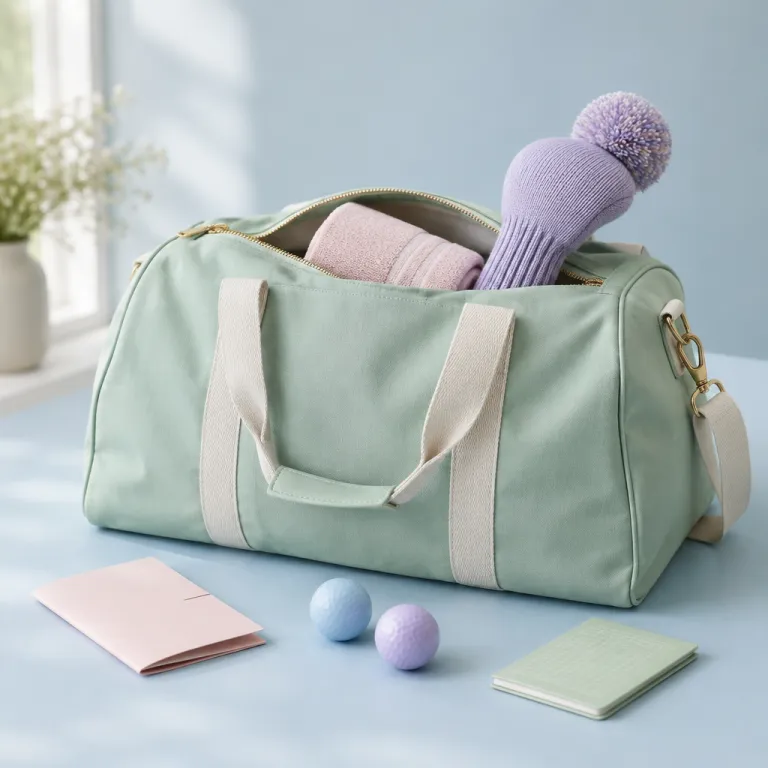
Designing a two-day rhythm: the golf weekend planning guide in practice
A refined golf weekend planning guide starts with your rhythm of play. Most golfers handle a morning round on day one and an afternoon round on day two better than stacking 36 holes in a single day, because this pattern respects both your body and your attention span over the whole trip. When you treat your golf trip as a curated experience rather than a mileage contest, every tee shot feels more deliberate and every walk between shots becomes part of the travel story.
Think of the weekend as a two act play, with each golf course offering a distinct mood and challenge. On day one, book your tee time between 08:00 and 09:00, which will help you avoid the heaviest resort traffic and give you enough time for an unhurried lunch, a spa session, or a quiet hour on the balcony before dinner. On day two, a 13:00 to 14:00 tee time usually works best, because it lets you sleep in, enjoy the club breakfast, and pack without rushing before you head back to the airport.
This structure also protects your swing from fatigue, especially if your golf travel involves long flights or a demanding climate. I have seen too many golf trips ruined by players insisting on 36 holes on day one at a championship golf course, then limping through the second day with sore backs and frayed tempers. A smarter trip planning mindset accepts that fewer, better rounds will always beat more, mediocre ones over the years you spend chasing your personal best golf.
Use this same logic when you choose your golf courses for the weekend. If you are flying into San Diego, for example, you might play Torrey Pines South on day one, then schedule a more relaxed resort course or a private club experience on day two to let your body and your short game breathe. The right golf weekend planning guide will nudge you toward this balance, because it recognises that a memorable golf trip is measured less in total tee times and more in how present you felt over every shot.
Choosing two complementary courses instead of chasing the same view twice
The most overlooked part of any golf weekend planning guide is the pairing of courses. You are not building a punishment schedule ; you are composing a tasting menu of golf course architecture, conditioning, and atmosphere that will stay with you long after the trip ends. Two contrasting golf courses will always give you a richer memory bank than two near identical layouts, even if both are technically ranked among the best golf venues in the region.
Start by mixing formats and settings, such as a coastal or links inspired golf course on day one followed by a tree lined parkland course on day two. In San Diego, that might mean Torrey Pines for your bucket list round, then a more intimate private club inland where the greens roll faster and the locker room feels like a second home. If you are heading east, a weekend in Myrtle Beach can pair a rugged, marsh edged golf trail layout with a more traditional resort course that lets you attack pins without losing a sleeve of balls.
Think in contrasts of length, green complexes, and wind exposure rather than just famous names. A demanding championship golf course with long carries and small targets will feel more rewarding if your second round is on a shorter course that emphasises angles, wedges, and creative play around the greens. When you follow a structured golf weekend planning guide, you will naturally ask whether each course on your list adds a new chapter to the story of the trip or simply repeats the same paragraph.
Destination also shapes this pairing game in subtle ways. A golf trip to the Dominican Republic might combine a dramatic oceanside resort course with a more secluded private club inland, while a quick domestic golf travel escape could pair a municipal gem with a high touch inclusive golf package at a nearby resort. For a deeper look at how to match destinations with your playing style, it is worth studying a dedicated overview of the best golf destinations, which can sharpen your instincts before you even start booking.
Where you sleep and eat: aligning hotel choices with how you play
Luxury golfers often obsess over the golf club brand in their bag yet treat the hotel as an afterthought. A serious golf weekend planning guide gives equal weight to where you sleep, because the wrong room or the wrong restaurant can undo the benefits of even the best golf courses. The art lies in knowing when to stay on site at a resort and when to trade proximity for a more characterful hotel a short drive away.
On site resort stays shine when your golf trip revolves around a single marquee golf course or when you are travelling with a group that values frictionless logistics. Walking from your suite to the first tee in five minutes, with your clubs already on the cart, can feel like a private club privilege even in a large property. However, if the resort restaurants are uninspired or the rooms feel generic, you may be better served by a boutique hotel in town, accepting a 20 minute drive in exchange for better food, quieter sleep, and a stronger sense of place.
Think of the non golf hours as the connective tissue of the weekend. A well timed dinner reservation, a proper recovery window between your round and the evening, and one carefully chosen local experience will help your golf trip feel like a genuine vacation rather than a rushed business itinerary. This is where inclusive golf packages can earn their keep, bundling tee times, spa access, and dining credits into a coherent whole rather than a pile of separate bookings that you have to manage.
When you evaluate golf travel offers, look beyond headline rates and ask how each element supports your preferred rhythm of play and rest. A package that includes late checkout on day two, guaranteed tee time windows, and access to a serious massage therapist may deliver more value than a cheaper deal with awkward tee times and no recovery options. For a deeper dive into extracting value from premium golf packages, a specialised guide to luxury stay and play travel can help you separate thoughtful offers from glossy but shallow marketing.
Group size, social chemistry, and the quiet power of good logistics
The right group size can make or break any golf weekend planning guide, no matter how strong the courses or how plush the resort. Four players remain the classic unit for a golf trip, because a single foursome is easy to book, easy to move, and easy to seat at dinner without drama. With four, you will find it simpler to secure prime tee times at sought after venues like Torrey Pines or a busy Myrtle Beach golf trail course, and you will spend less time negotiating preferences.
Yet there is a strong case for travelling as eight when you want a more social weekend. Two foursomes allow for rotating pairings, friendly side games, and a richer mix of personalities, while still keeping logistics manageable for golf courses and restaurants. Once you creep beyond eight, your golf travel starts to feel like event management, with every tee time, transfer, and dinner booking turning into a minor project that can distract from the simple joy of play.
Whatever the group size, appoint one clear organiser and give them the tools to succeed. That means a shared itinerary, confirmed booking references for every golf course and hotel, and a transparent approach to costs so nobody spends the trip worrying about who owes what. A disciplined golf weekend planning guide will also include backup options for bad weather, delayed flights, or a last minute change of heart about which golf club to play on day two.
Non golf hours deserve the same intentionality. Plan one anchor dinner each night, ideally at a restaurant that understands golfers’ needs for both protein and hydration, and leave the rest of the time open for bar conversations, short walks, or quiet recovery. If you want inspiration for weaving in non playing experiences, a thoughtful links golf season guide can show how to frame your golf trips as part of a broader lifestyle rather than isolated sporting events.
Packing light, playing sharp: the carry on golf trip done properly
Many golfers assume that a serious golf weekend planning guide must involve checked bags, but a well edited carry on setup can work beautifully for a two day trip. The key is to separate what you truly need to play your best golf from what you bring out of habit, then build a compact system around those essentials. When you travel this way, you will move faster through airports, reduce the risk of lost clubs, and arrive at the resort with more mental energy for the first tee.
Start with the golf club situation, because this is where most weight and worry live. A modern lightweight travel cover, a half set or compact set for short trips, and a disciplined approach to accessories will help you keep the total package manageable without compromising performance. For a two round golf trip, you can usually leave the extra wedges and backup putter at home, focusing instead on the core clubs you trust under pressure and in varied conditions.
Clothing can be pared down more than most players realise. Two pairs of trousers or tailored shorts, two premium polos, one mid layer, and a single pair of shoes will cover almost any golf travel scenario over a weekend, especially if your resort offers overnight laundry. Roll your outfits, use packing cubes, and keep one complete change of golf course ready clothing in your personal item so you can head straight to a tee time even if your main carry on ends up gate checked.
Finally, treat your personal care and recovery kit as part of your performance setup, not an afterthought. A compact massage ball, a few resistance bands, and a small pouch with pain relief, sunscreen, and blister care will help you maintain your swing and your walk over both days. When you look back on your best golf vacations and golf trips years from now, it will not be the number of shirts you packed that you remember, but the feel of a pure tee shot at dawn and the quiet satisfaction of a weekend that ran exactly on your terms.
FAQ
How far in advance should I book tee times for a golf weekend?
For popular golf courses and resorts, you should book tee times at least four to eight weeks in advance, especially for morning rounds on day one and prime afternoon slots on day two. High demand venues such as Torrey Pines or marquee Myrtle Beach layouts may require even earlier booking, particularly for weekend golf trips. Securing your tee time window early also makes the rest of your golf weekend planning guide easier to execute.
Is it better to stay at a golf resort or in a nearby city hotel?
Staying at a golf resort offers unmatched convenience, with short walks to the first tee, on site practice facilities, and easy club storage. A nearby city or boutique hotel can provide better dining, more character, and sometimes better value, at the cost of a short drive to each golf course. The best choice depends on whether you prioritise frictionless play or richer non golf experiences during your trip.
How many rounds should I plan for a two day golf trip?
For most golfers, two rounds over two days strike the ideal balance between play and recovery. A morning round on day one and an afternoon round on day two usually work best, allowing time for travel, meals, and rest without feeling rushed. Trying to squeeze in 36 holes in a single day often leads to fatigue, which can diminish both performance and enjoyment.
What is the ideal group size for a weekend golf trip?
A group of four is the simplest to manage, as one foursome is easy to book for tee times, restaurant tables, and transport. Groups of eight can create a more social atmosphere with rotating pairings and side games, but they require more structured planning. Larger groups quickly become complex to coordinate, so they are better suited to longer golf vacations than to short, focused weekends.
Can I realistically do a carry on only golf weekend with my own clubs?
Yes, a carry on only golf weekend is achievable if you use a lightweight travel cover, pack a streamlined set of clubs, and keep clothing to a disciplined minimum. You will still need to check the golf bag itself on most airlines, but your personal luggage can remain carry on sized, which speeds up airport transit. This approach works especially well for two day golf trips where you can rely on resort laundry and do not need multiple outfit changes.