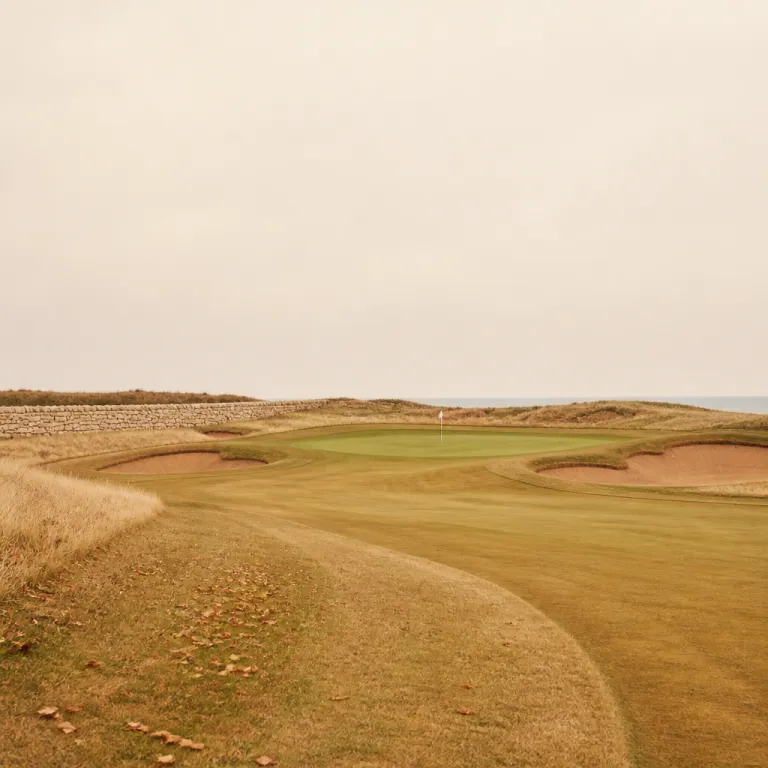
Why autumn golf in Europe quietly outperforms peak summer
Autumn golf in Europe rewards patience with quieter fairways and sharper greens. When most golfers end their summer golf trips, the smart money shifts to autumn golf Europe off peak destinations where the turf finally breathes and the air cools. This is the best time for a serious golf trip if you value playing conditions over crowded tee sheets.
From late September, a well planned trip lets you enjoy firm fairways, lower green fees, and more attentive service at many of the best golf resorts. The global golf travel market keeps growing, yet autumn golf Europe off peak destinations still feel like a private club season, especially if you time your visit between school holidays and the late harvest season. You find that the same courses which feel frantic in July suddenly offer space, silence, and time to read every subtle break on the green.
For a golfer used to American resort golf, the rhythm of fall in Europe feels different and better. You can pair a morning round with an afternoon city visit, or stretch a single golf trip into a series of short city trips linked by a relaxed road trip between regions. Autumn golf Europe off peak destinations turn a simple trip into a curated sequence of golf experiences that belong on any serious bucket list.
Southern Europe’s sweet spot: Algarve and southern Spain after the heat
Portugal’s Algarve and southern Spain finally come into their best playing condition once the fierce summer heat breaks. In early autumn, overseeded rye starts to dominate the fairways, and these autumn golf Europe off peak destinations suddenly feel like they were built for long, unhurried golf trips. You enjoy cooler mornings, softer light, and greens that roll true without the stress of midsummer traffic.
On the Algarve, courses such as Dom Pedro Victoria, Monte Rei, and Quinta do Lago South offer the best time to play from late September into the heart of the fall season. A carefully planned golf trip here lets you stay in a beachfront hotel or intimate bed and breakfast, then drive less than thirty minutes to multiple championship layouts in one of the most efficient destinations Europe can offer. Many of these properties now promote flexible booking policies, which matters when you are stitching together several golf trips across Portugal and southern Spain in a single travel window.
Across the border in southern Spain, the Costa del Sol and Cádiz region deliver a different flavor of autumn golf. Courses like Finca Cortesín, Real Club Valderrama, and La Reserva de Sotogrande sit close enough for a compact road trip, yet each stay feels distinct thanks to varied layouts and different fall colors in the surrounding hills. If you prefer a city center base, you can stay in Málaga or Marbella, visit local tapas bars after your round, and still enjoy easy access to the coast’s best golf.
Luxury golfers often ask whether to choose a five star resort or a boutique bed and breakfast for an autumn golf Europe off peak destinations itinerary in Portugal. The honest answer is that both work, as long as you prioritize proximity to the courses and a hotel team rated excellent for handling tee times and transfers. When a property is consistently rated excellent by experienced golf travelers, you feel the difference in how quickly the concierge can find last minute tee times or adjust a golf trip when weather shifts.
From a business perspective, the shoulder season in Portugal and southern Spain is where value quietly hides. Green fees at flagship venues can drop significantly compared with high summer, and you often receive more attentive service from excellent customers relations teams who finally have time to talk about your game. For a golfer who values both ROI and experience, these autumn golf Europe off peak destinations in the south belong near the top of any bucket list.
When you want to compare this European shoulder season value with warm weather options elsewhere, it is worth reading a detailed guide to all inclusive golf vacations in the Caribbean. That kind of travel guide helps you weigh the best time to travel, the style of hotel stay, and whether you prefer a single resort or a multi stop road trip through several destinations Europe can offer in autumn. Once you have that benchmark, the pricing and playing conditions in Portugal and southern Spain during fall look even more compelling.
Links golf in Ireland and Scotland when the wind returns
Links golf in Ireland and Scotland during autumn is not for the faint hearted, yet it is exactly when these courses reveal their true character. Shorter days and sharper winds turn autumn golf Europe off peak destinations like Royal Dornoch, Kingsbarns, Ballybunion, and Royal County Down into living textbooks on how the game was meant to be played. You find firmer, faster conditions, fall colors on the dunes, and fewer groups on the tee sheet.
In September, the fescue based turf on classic links often reaches its best time for pure ball striking. The ground game returns, your low running shots finally release, and every golf trip here becomes a masterclass in trajectory control rather than a simple resort holiday. When you read the green on a windswept par three with the northern lights occasionally visible on the far horizon in the far north, you understand why these autumn golf Europe off peak destinations sit on so many bucket list itineraries.
Planning a links focused trip means accepting that the time to visit is compressed. For most golfers, the best time to travel is a tight September window, when daylight still allows 36 holes but the crowds have thinned and the fall foliage begins to frame the coastline. A well structured travel guide will suggest pairing a coastal stay with a night or two in a nearby city center, turning pure golf trips into richer city trips that include whisky tastings, local seafood, and perhaps a small festival celebrating the harvest season.
Many American golfers still treat these regions as a once in a lifetime golf trip, but the smarter approach is to treat them as recurring autumn golf Europe off peak destinations. You might stay in a traditional bed and breakfast near the course one year, then upgrade to a five star hotel in the city the next, using flexible booking options to react to weather forecasts. Either way, you enjoy the same firm fairways and the same wind that shaped the game, without the summer crowds.
If you want a deeper sense of how links conditions evolve across the season, a specialist guide such as this links golf season overview can frame your expectations. Reading that kind of detailed travel guide before you book helps you find the exact time visit that matches your appetite for wind, firm turf, and the raw beauty of fall colors on the dunes. In the end, links golf in autumn is less about the scorecard and more about how the fairway felt under your feet at dawn.
Urban anchors and cultural layers: London, city breaks and festivals
Not every autumn golf Europe off peak destinations itinerary needs to be built around a single resort. Some of the most rewarding golf trips use a major city such as London as an anchor, then radiate outward to nearby courses while you enjoy world class dining and culture at night. This approach suits golfers who want to enjoy both fall foliage in city parks and crisp morning tee times on classic layouts.
From London, you can reach Sunningdale, Walton Heath, and the Surrey sandbelt in under ninety minutes, turning a city stay into a serious golf trip without sacrificing urban comforts. You might book a five star hotel in the city center, then use a driver for each golf day, returning in time to visit a gallery, read quietly in a club lounge, or attend a small festival celebrating the harvest season. For many well travelled golfers, this blend of city trips and golf trips offers the best time to experience Europe in autumn.
Beyond London, cities such as Lisbon, Málaga, Edinburgh, and Dublin work beautifully as autumn golf Europe off peak destinations bases. Each city offers its own style of park, its own fall colors, and its own rhythm of cultural events, from food festivals to music performances that stretch into the evening. When you plan your trip, you can find a balance between days devoted entirely to golf and days where a morning round is followed by a relaxed visit to a museum or a walk through a historic national park nearby.
Luxury golfers increasingly expect more than just a room and a tee time from their hotel. They want concierge teams who are rated excellent for arranging last minute restaurant reservations, sourcing local guides, and handling flexible booking changes when weather or personal plans shift. In the most refined autumn golf Europe off peak destinations, the best properties treat you less like a transient guest and more like a member returning for your annual fall pilgrimage.
When you read reviews from excellent customers who travel this way, a pattern emerges. They value the ability to enjoy a late dinner in the city center after a day on the course, to wake up with a view over a historic square rather than a generic resort pool, and to feel that their trip has a narrative beyond the scorecard. For a golfer who cares about the full experience, autumn in Europe is the season when golf, culture, and city life finally align.
Pricing, logistics and the business case for shoulder season golf
There is a clear business logic behind choosing autumn golf Europe off peak destinations instead of peak summer dates. Green fees, room rates, and even business class fares often soften once the school holidays end, while course conditions in many regions actually improve. For a golfer who treats each golf trip as an investment in experience, the shoulder season offers better ROI without sacrificing quality.
From the research on the global golf tourism market, analysts project the sector to reach around 24.8 billion US dollars within a few years, driven largely by experience based travel packages that bundle spa, dining, and cultural activities alongside golf. In that context, autumn golf Europe off peak destinations are not a niche; they are a rational response to rising costs and crowded peak seasons. When you can enjoy a five star hotel, a top ranked course, and a quieter clubhouse for less than high summer rates, the decision becomes straightforward.
Logistics from the United States are simpler than many golfers assume. Direct flights connect major hubs to London, Dublin, Edinburgh, Lisbon, Málaga, and other gateways, allowing you to step off an overnight flight and be on the first tee by late morning. With smart planning, you can structure a road trip that links several destinations Europe offers in one itinerary, using flexible booking options to adjust your stay length in each city depending on weather and how much you enjoy each course.
Seasonality still matters, and you should respect the different climate windows across the continent. Southern Europe, including Portugal and southern Spain, often remains comfortable for golf deep into November, while northern regions compress their prime autumn window into September and early October. If you dream of seeing the northern lights after a round in Scandinavia or northern Scotland, you will need to accept cooler temperatures and a narrower time visit window, but the trade off can be unforgettable.
One practical tactic is to mix a stable base with a few targeted excursions. You might stay in a central hotel for most of your trip, then add a night at a countryside bed and breakfast near a particularly remote course, enjoying the quiet and the fall colors around a nearby national park. That way, you enjoy both the efficiency of a city center base and the immersive calm of rural autumn golf Europe off peak destinations.
For golfers who like to plan several years ahead, some venues require special attention. A property such as Adare Manor, profiled in this detailed look at your last normal window before a major event, illustrates how access can tighten dramatically once a course enters the global spotlight. Booking an autumn slot at such venues before demand spikes can turn a good golf trip into a quietly brilliant one, remembered not for the handicap, but for how the fairway felt at dawn.
FAQ
What are the main advantages of playing golf in Europe during autumn instead of summer ?
Autumn golf in Europe usually offers better course conditions, lower prices, and fewer crowds compared with peak summer. Greens often roll more consistently, fairways recover from heat stress, and tee sheets open up at many top venues. For many golfers, this combination makes autumn golf Europe off peak destinations the most efficient way to experience elite courses.
Which European regions are best for late season golf in October and November ?
Southern Europe generally provides the longest season, with Portugal’s Algarve and southern Spain remaining comfortable for golf into November. Coastal areas around Lisbon, the Costa del Sol, and some Mediterranean islands often maintain pleasant temperatures and good turf quality. Northern regions such as Scotland and Ireland usually have a shorter autumn window, with September as the prime month.
How should I structure an autumn golf trip that includes both golf and city experiences ?
A practical approach is to base yourself in a major city center such as London, Lisbon, or Málaga, then plan day trips to nearby courses. This lets you combine championship golf with cultural activities, dining, and festivals in the evening. You can then add one or two nights at a countryside bed and breakfast near a standout course to experience quieter surroundings and fall foliage.
Are off peak green fees in Europe significantly cheaper than peak summer rates ?
At many premium venues, shoulder season green fees can be meaningfully lower than high summer prices, especially when bundled with hotel packages. The exact savings vary by course and region, but it is common to see more favorable rates from late September onward. When combined with reduced room rates, this can make autumn golf Europe off peak destinations a strong value for luxury travelers.
What is the best way to handle weather uncertainty for autumn golf in Europe ?
The most effective strategy is to prioritize flexible booking options for both flights and accommodation. Choose hotels and tour operators that allow date changes, and build some buffer days into your itinerary in case of heavy rain or wind. With this approach, you can adjust your schedule while still enjoying the benefits of autumn conditions and quieter courses.