
Understanding the importance of back strength in golf
Why Back Strength Matters for Golfers
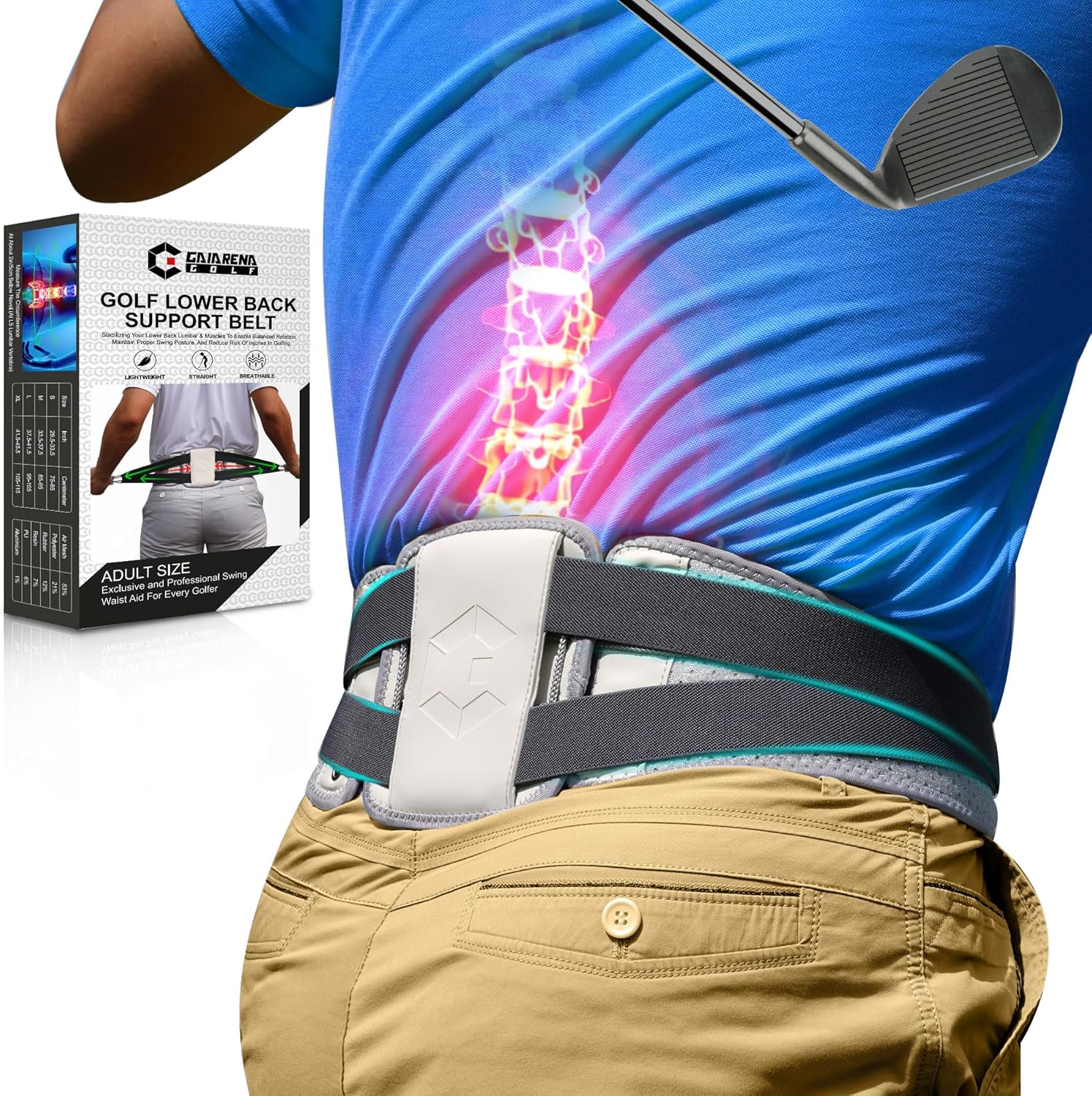
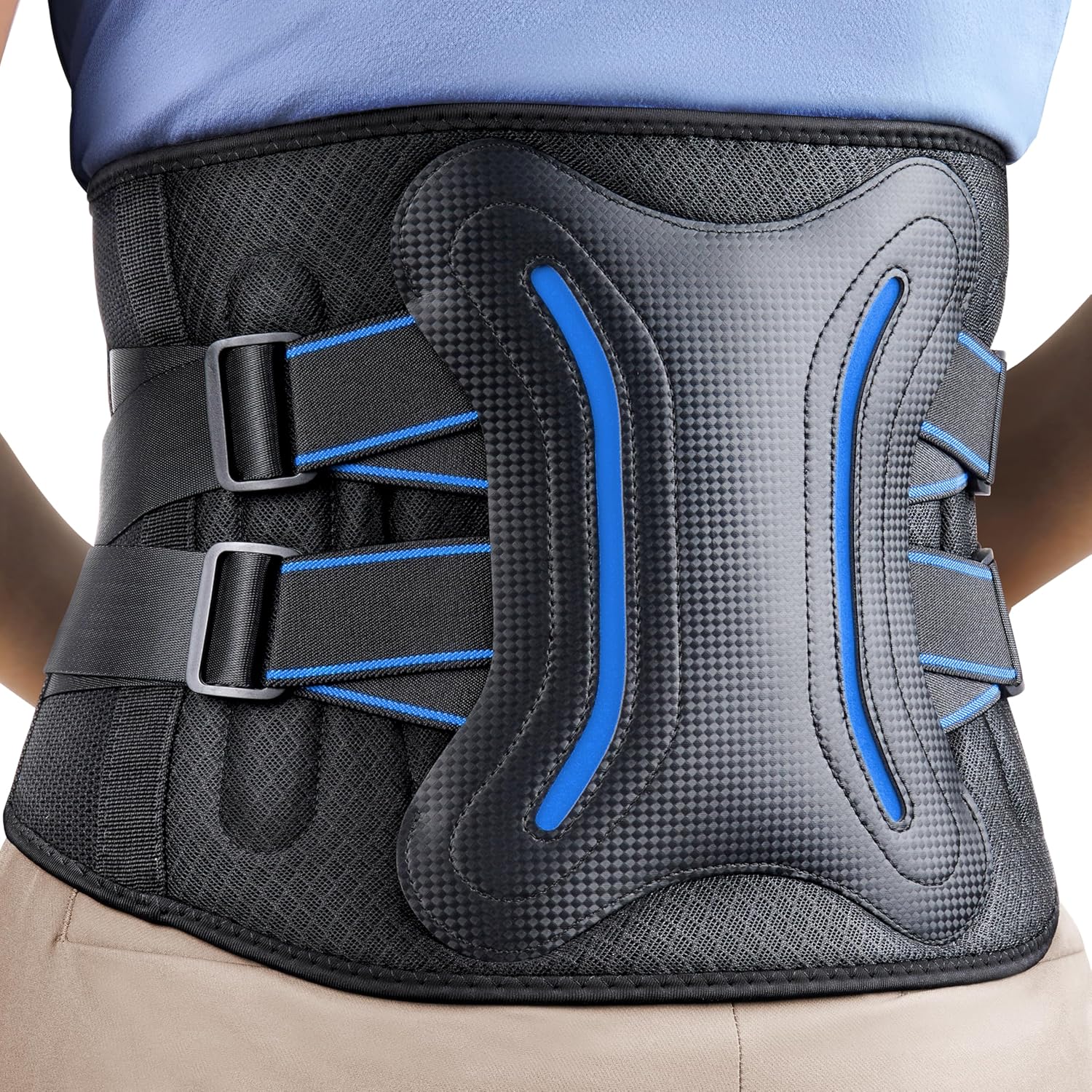
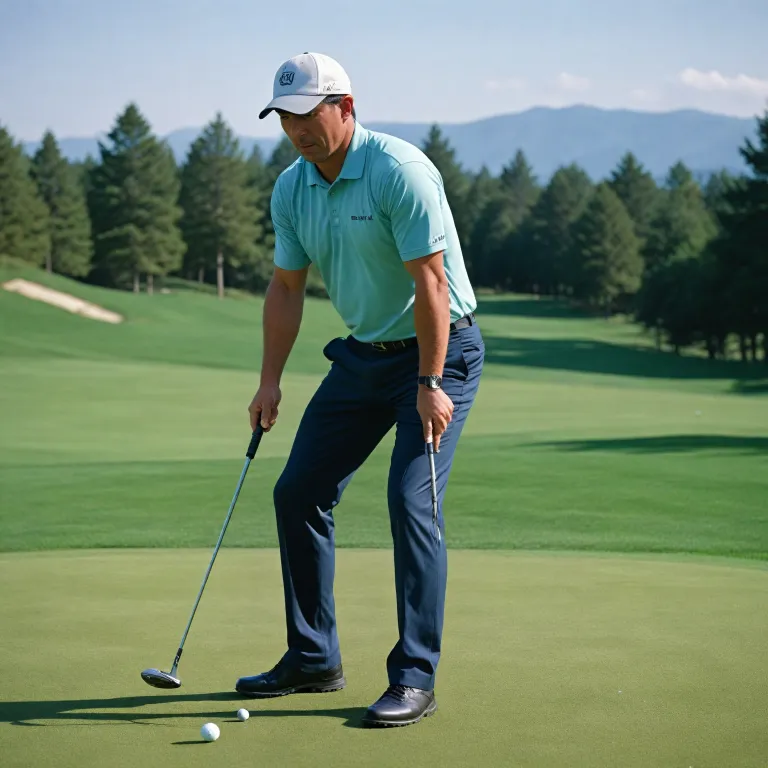
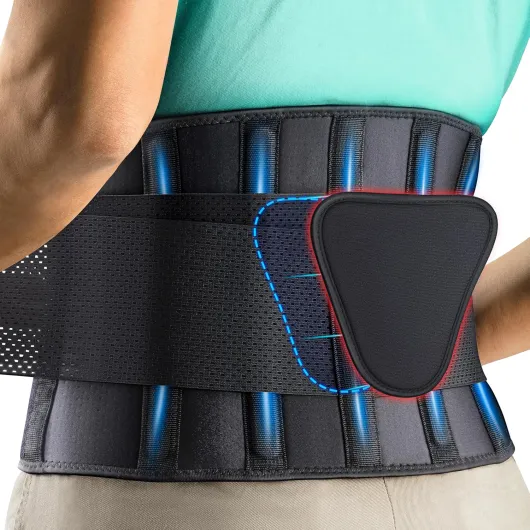
Golf is a game of precision, power, and control. Every swing you take relies heavily on your back muscles, core, and the mobility of your spine. The connection between a strong back and an effective golf swing is undeniable. When your back muscles, especially those in the lower and upper body, are well-conditioned, you gain better control over your swing power and ball trajectory. This not only helps boost your performance but also reduces the risk of back pain and injury.
Many golfers underestimate the role of the lumbar spine and core muscles in stabilizing the body during a swing. The twisting motion required in golf puts significant stress on the lower back. Without proper strength and flexibility, this can lead to discomfort or even chronic pain. That’s why incorporating targeted back exercises, such as side planks, bird dog, and cat cow stretches, is essential for any golfer looking to improve their game and protect their spine.
Golf-specific exercises help build the foundation for a more powerful and consistent swing. By focusing on both the lower and upper body, you can enhance your mobility, maintain proper form, and prevent common issues like low back pain. If you’re curious about the language and etiquette on the course, understanding what 'fore' means in golf can also help you stay safe and informed as you train and play.
In the following sections, we’ll explore the most common back issues golfers face, the best exercises to strengthen your back, and how luxury equipment can elevate your training experience. By prioritizing your back health, you’ll not only protect yourself from injury but also unlock new levels of performance on the course.

Common back issues faced by golfers
Why golfers struggle with back pain
Golfers often experience back pain due to the repetitive and rotational nature of the golf swing. The movement places significant stress on the lumbar spine and surrounding muscles, especially if the core and lower body are not properly conditioned. Over time, this can lead to discomfort, reduced mobility, and even chronic injury.
Typical back issues in golf
- Lower back pain: The most common complaint among golfers, often caused by poor swing mechanics or weak core muscles.
- Muscle strains: Overuse or improper form during exercises or while swinging the club can strain the back muscles, particularly in the lower and upper back.
- Reduced spine mobility: Limited flexibility in the lumbar spine and hips can restrict the golf swing, affecting both performance and comfort.
- Disc issues: Repetitive twisting motions can put pressure on spinal discs, increasing the risk of injury.
How back pain impacts your game
Back pain doesn’t just cause discomfort—it can also limit your swing power, accuracy, and overall performance. When the back muscles or core are weak, golfers may compensate with other parts of the body, leading to further imbalance and risk of injury. This can make it challenging to maintain proper form throughout the round, especially as fatigue sets in.
What leads to these issues?
- Poor posture: Spending hours hunched over a ball or practicing with improper alignment can strain the back and core muscles.
- Lack of strength and flexibility: Without regular back exercises and stretches, the muscles supporting the spine become less resilient.
- Sudden increases in activity: Jumping into intense golf sessions without adequate preparation can shock the lower back and lead to pain.
Understanding these common issues is the first step toward building a stronger, healthier back for golf. For more on the challenges golfers face and how to overcome them, you can explore why mastering golf is a challenge and how it relates to physical conditioning.
Key exercises for a golf back workout
Essential movements to build a resilient golfer’s back
A strong, flexible back is the foundation for a powerful and pain-free golf swing. Incorporating targeted back exercises into your routine can help you maintain proper form, generate more swing power, and reduce the risk of lower back pain. Here are some of the most effective exercises golf enthusiasts can use to improve performance and protect the spine:- Cat Cow Stretch: This gentle movement increases mobility in the lumbar spine and helps warm up the back muscles before you hit the course. Start on all fours, arch your back up (cat), then dip it down (cow), moving slowly and with control.
- Bird Dog: A classic for core stability and lower back strength. From a tabletop position, extend one arm and the opposite leg, keeping your core engaged. Alternate sides to balance the body and improve coordination.
- Side Plank: This exercise targets the side muscles of the core and helps stabilize the lower back. Hold your body in a straight line on one side, supporting yourself on your forearm and the side of your foot. Switch sides to ensure even strength.
- Glute Bridge: Strong glutes support the lower back and help transfer power from the lower body to the upper body during the golf swing. Lie on your back, feet flat, and lift your hips, squeezing the glutes at the top.
- Rotational Medicine Ball Throws: This golf specific exercise builds rotational power and mimics the dynamic movement of the golf swing. Stand sideways to a wall, hold a medicine ball, and rotate your torso to throw the ball against the wall, focusing on controlled movement.
Luxury equipment to support your back workout
Premium Tools for a Stronger Golf Back
Luxury golf training equipment can make a significant difference in your back workout routine, especially when targeting the muscles that support your swing and spine. Investing in high-end gear not only enhances performance but also helps protect against back pain and injury.- Adjustable Cable Machines: These allow for a wide range of exercises targeting the lower back, core, and upper body. The smooth resistance helps maintain proper form and control, which is crucial for golfers aiming to build strength without risking the lumbar spine.
- Weighted Medicine Balls: Medicine balls are versatile for rotational exercises that mimic the golf swing. Using a luxury, well-balanced ball can help improve core stability and swing power while reducing the risk of low back strain.
- Foam Rollers and Massage Guns: High-end recovery tools help release tension in the back muscles after intense workouts or a long day on the course. Regular use can increase mobility and flexibility, supporting the spine and reducing pain.
- Smart Resistance Bands: Premium resistance bands with digital feedback can guide you through golf-specific exercises. They are excellent for activating the core and lower body, and their portability makes them perfect for travel or warming up before a round.
- Ergonomic Yoga Mats: A luxury mat provides stability and comfort for stretches like cat cow, bird dog, and side plank. These exercises help maintain a healthy lumbar spine and improve overall mobility.
How Luxury Equipment Supports Golfers’ Back Health
Choosing the right equipment is about more than just aesthetics. High-quality tools are designed to support proper alignment and technique, which is essential for effective back exercises. For example, a well-designed cable machine allows for smooth, controlled movements that help strengthen the core muscles and lower back without unnecessary strain. Similarly, smart resistance bands can provide real-time feedback, ensuring you’re engaging the right muscles during each exercise. Luxury recovery tools like massage guns and foam rollers can help golfers manage back pain and muscle tightness, especially after repetitive swings. These products are engineered for deep tissue relief, which aids in faster recovery and better performance on the course. Incorporating these premium products into your routine can help you maintain a strong, healthy back, supporting both your golf swing and overall body strength. When combined with targeted exercises and proper form, luxury equipment offers a clear advantage for golfers serious about protecting their spine and elevating their game.Integrating back workouts into your golf training
Making Back Workouts a Natural Part of Your Golf Routine
Integrating back exercises into your golf training doesn’t have to be complicated. The key is to blend strength, mobility, and core work seamlessly with your regular practice, so your body is always prepared for the demands of the golf swing. Here’s how you can make it work:- Warm Up with Purpose: Start each session with dynamic stretches like cat cow or bird dog. These movements activate the lumbar spine, core muscles, and lower back, priming your body for both golf and targeted exercises.
- Pair Back Exercises with Swing Drills: Alternate between golf-specific drills and back exercises such as side planks or low back stretches. This approach helps reinforce proper form and builds the muscle memory needed for a powerful, pain-free swing.
- Use the Right Equipment: Incorporate luxury resistance bands, stability balls, or ergonomic mats to enhance your workout. These tools support your back muscles and add variety, making each session more effective and enjoyable.
- Focus on Core and Lower Body: Don’t neglect the core and lower body. Exercises like side planks, glute bridges, and rotational stretches help stabilize the spine and improve overall performance on the course.
- Monitor Your Progress: Track your mobility, strength, and any changes in back pain. Consistent improvement in these areas often translates to better swing power and reduced risk of injury.
Scheduling for Consistency and Results
- Aim for at least two to three dedicated back workout sessions per week, in addition to your regular golf practice.
- Integrate short mobility routines, like cat cow or bird dog, before and after you play or practice.
- Listen to your body. If you experience pain, adjust the intensity or consult a professional to ensure your exercises help rather than hinder your progress.
Expert tips for maintaining a healthy back on and off the course
Smart Habits for a Resilient Golf Back
- Prioritize Warm-Ups and Cool-Downs: Begin every session with dynamic stretches like cat cow and bird dog to gently activate your back muscles and core. After your round or workout, take time to stretch the lumbar spine and lower body, helping reduce stiffness and support recovery.
- Focus on Core Stability: Strong core muscles are essential for a powerful golf swing and for protecting the lower back. Incorporate core exercises such as side plank and controlled rotational movements. These exercises help stabilize the spine and improve swing power, reducing the risk of back pain.
- Maintain Proper Form: Whether you’re performing back exercises or swinging a club, always use proper form. Poor technique can overload the low back and lead to injury. If unsure, consider working with a golf-specific trainer or physical therapist to refine your movements.
- Balance Strength and Mobility: A well-rounded routine should include both strength and mobility work. Exercises that target the upper body, lower body, and back muscles will help you generate power and maintain flexibility throughout the golf swing.
- Listen to Your Body: Pay attention to any signs of discomfort or pain, especially in the lower back or side. If you experience persistent pain, stop the activity and consult a healthcare professional. Early intervention can prevent minor issues from becoming chronic problems.
- Stay Consistent: Regularly integrating back and core exercises into your golf training is key. Consistency builds resilience in the muscles supporting your spine, helping you perform at your best on the course.
By adopting these habits, golfers can protect their back, enhance performance, and enjoy the game with less risk of injury. Remember, a healthy back is the foundation for a powerful and pain-free golf swing.