
Understanding the importance of back strength in golf
The Foundation of a Powerful and Pain-Free Golf Swing
Back strength is at the heart of every effective golf swing. Whether you’re a seasoned player or just starting out, the health of your spine and supporting muscles directly impacts your performance on the course. The golf swing is a complex movement, requiring a coordinated effort from the upper body, lower back, hips, and core. Without a strong and flexible back, it’s difficult to achieve the range of motion and control needed for consistent ball striking and to avoid pain or injury.
Many golfers underestimate the demands placed on the thoracic and lumbar spine during play. Each swing involves rotation, side bending, and extension, which can strain the lower back if the body isn’t properly conditioned. Over time, repetitive movement without adequate strength or mobility can lead to back pain, decreased flexibility, and even chronic injury. This is especially true for the low back, where poor swing mechanics or limited hip mobility increase the risk of back strain.
- Optimal back health supports a full range of motion, enabling smoother, more powerful swings
- Strong thoracic mobility allows for better rotation and reduces stress on the lumbar spine
- Proper conditioning helps prevent common issues like lower back pain and muscle strain
Understanding these fundamentals is crucial for anyone aiming to improve their golf back performance and enjoy a pain-free experience on the course. Addressing back strength and flexibility through targeted exercises, as well as being mindful of risk injury factors, sets the stage for a more enjoyable and sustainable golf journey. For those interested in the broader implications of golf rules and performance, exploring how penalties can affect your game can also provide valuable context for overall improvement.

Common back issues faced by golfers
Why Golfers Experience Back Discomfort
Golf is a sport that demands a unique blend of flexibility, mobility, and strength, especially from the back and spine. The repetitive nature of the golf swing, combined with the rotational forces involved, places significant strain on the lower back, thoracic spine, and even the upper body. Many golfers, whether amateur or experienced, encounter back pain or discomfort at some point in their playing journey.
Common Back Issues Linked to Golf
- Lower back pain: The lumbar spine absorbs much of the stress during the golf swing, particularly if hip mobility is limited or swing mechanics are off. This can lead to low back strain and persistent pain.
- Thoracic spine stiffness: Limited thoracic mobility restricts range of motion, making it harder to achieve a full, pain free swing. This often results in compensatory movements that increase the risk of injury.
- Upper back and side strain: The rotational movement and side bending required in golf can cause muscle fatigue or strain in the upper back and along the sides of the body, especially if flexibility and strength are lacking.
Risk Factors for Back Injury in Golf
Several factors can elevate the risk of back injury for golfers:
- Poor swing mechanics or improper technique
- Insufficient warm-up or lack of targeted back exercises
- Reduced hip and thoracic mobility
- Overuse from frequent play without adequate recovery
- Weakness in the core and lower body, leading to overcompensation by the back
Understanding these common issues is the first step toward protecting your back and optimizing your golf performance. For more on how to stay safe and alert on the course, explore what 'fore' means in golf and why it matters for every golfer’s well-being.
Key back exercises for golf performance
Building a Stronger Back for a Powerful Golf Swing
A golfer’s back is at the heart of every swing. The repetitive rotation and forceful movement demand a resilient spine and flexible upper and lower body. Without targeted exercises, the risk of back pain, strain, and even injury increases, especially in the lumbar spine and thoracic spine. Let’s break down the most effective exercises for boosting back strength, mobility, and flexibility, all essential for pain-free, high-performance golf.- Thoracic Spine Rotations: This exercise improves thoracic mobility, which is crucial for a full range of motion during the golf swing. Sit or kneel, keep your hips stable, and rotate your upper body side to side. Aim for 2-3 sets of 10 repetitions per side.
- Cat-Cow Stretch: A classic for spinal flexibility. Move between arching and rounding your back to mobilize the entire spine, focusing on both the upper back and lower back. Perform 2 sets of 12-15 repetitions.
- Side Bending Stretches: Stand tall, reach one arm overhead, and gently bend to the opposite side. This movement targets the muscles along the side of the body, helping reduce back strain and improving side bending capacity. Try 2 sets of 10 reps per side.
- Hip Bridges: Strong hips support the lower back and improve swing mechanics. Lie on your back, knees bent, feet flat, and lift your hips. Hold briefly, then lower. Complete 3 sets of 12 repetitions.
- Bird Dog Exercise: This movement enhances lumbar spine stability and core strength, both vital for controlling the golf swing. On all fours, extend one arm and the opposite leg, hold, then switch. Go for 2 sets of 10 reps per side.
- Standing Rotational Medicine Ball Throws: Using a light medicine ball, rotate your upper body and throw the ball against a wall. This dynamic exercise mimics the rotational power needed for effective ball striking. Perform 2 sets of 8-10 throws per side.
How luxury golf products can support back health
Luxury Gear That Elevates Back Support
Investing in luxury golf products can make a significant difference in maintaining a healthy back and optimizing your swing mechanics. Premium equipment and accessories are designed with advanced materials and ergonomic features that help reduce back strain and support the spine throughout your game.
- High-end golf bags: Modern luxury golf bags often feature enhanced lumbar support and padded straps. These reduce pressure on the lower back and shoulders, especially when walking the course. Look for models with adjustable harness systems to distribute weight evenly across the upper body and hips.
- Performance golf shoes: Top-tier golf shoes provide superior arch and heel support, which helps maintain proper posture and alignment from the ground up. This stability reduces the risk of back pain and improves hip mobility during the golf swing.
- Ergonomic training aids: Luxury brands offer specialized training tools that target thoracic mobility, side bending, and flexibility. These aids guide you through controlled exercises and stretches, helping to increase range of motion in the thoracic spine and lower back.
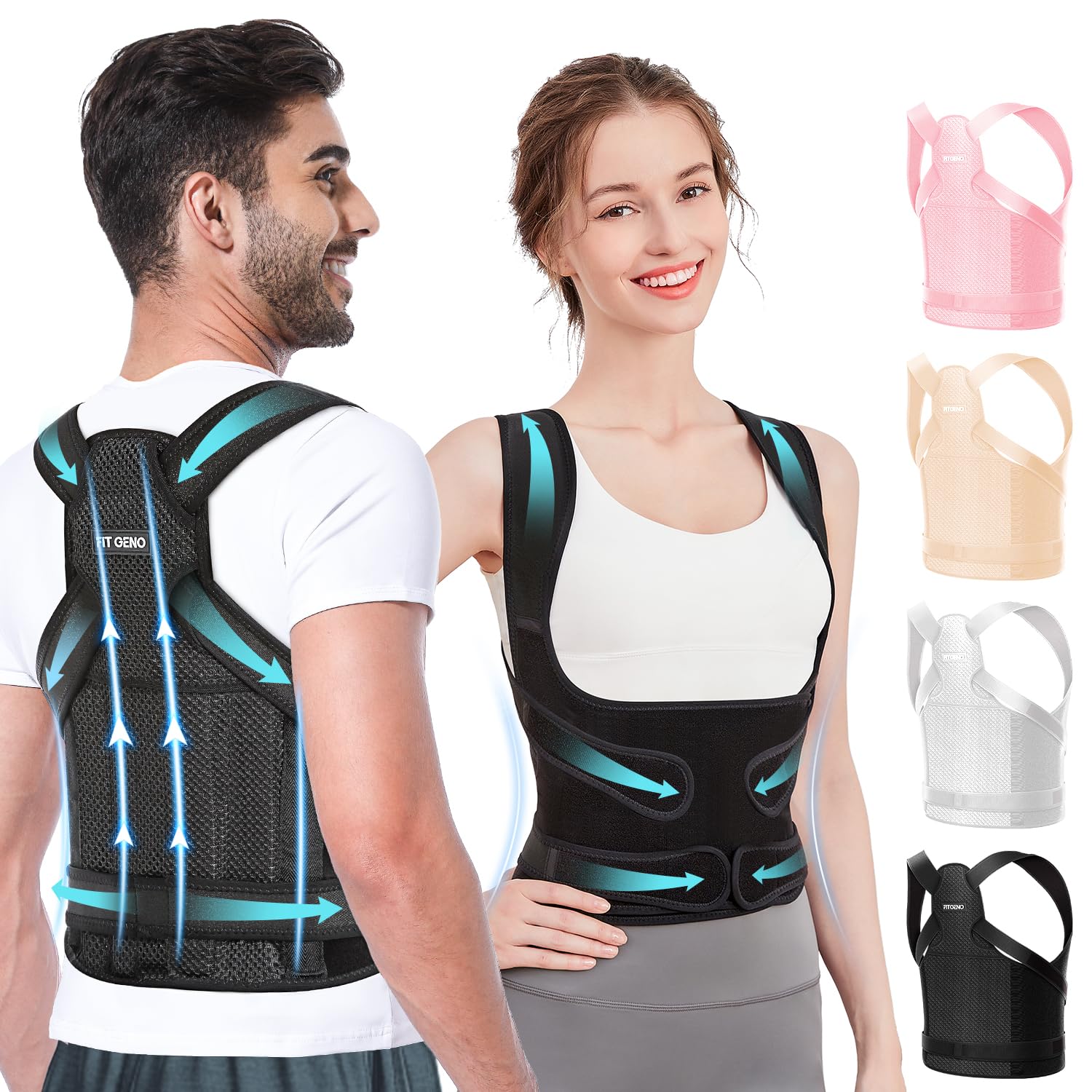
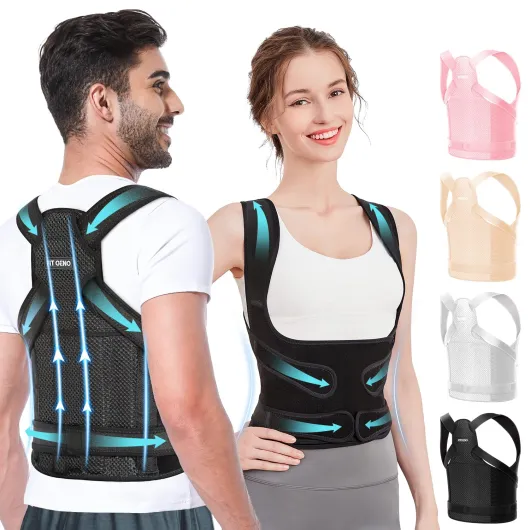
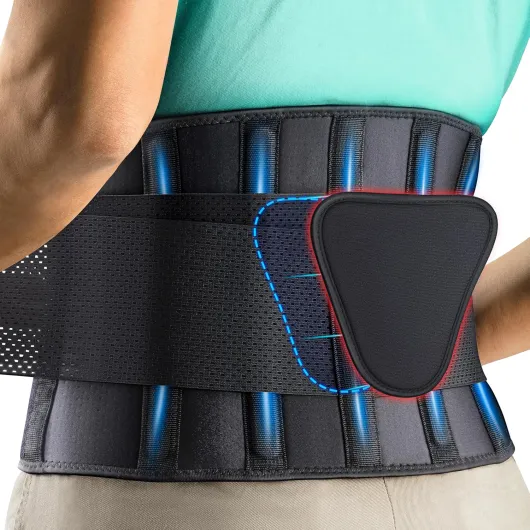
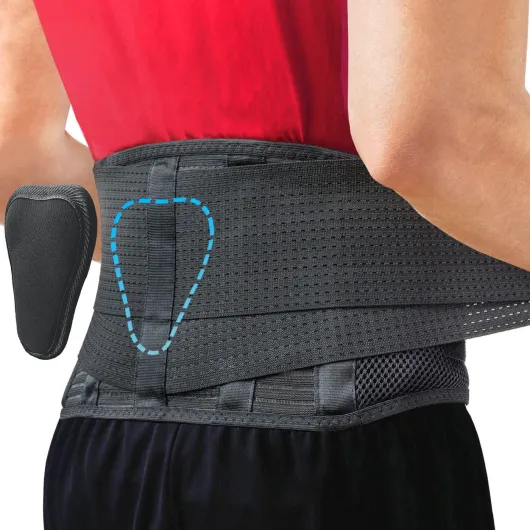
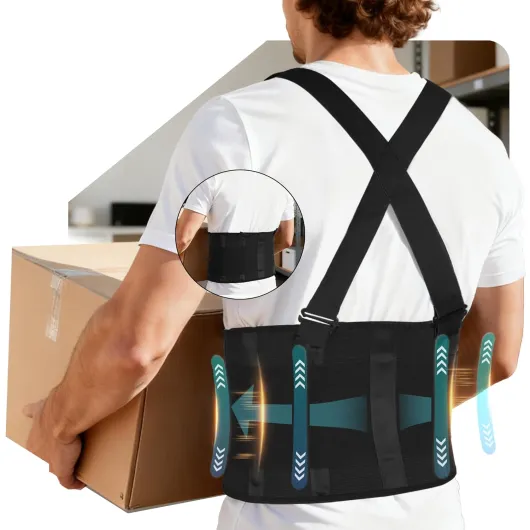
- Supportive apparel: Premium golf apparel, such as compression shirts and belts, can enhance core stability and reduce muscle fatigue. These garments are engineered to support the lumbar spine and upper back, minimizing the risk of injury during repetitive movement.
How Premium Products Minimize Risk of Injury
Luxury golf products are not just about aesthetics—they are engineered to address common issues like low back pain, back strain, and limited flexibility. By integrating these products into your routine, you can:
- Reduce the risk of injury by supporting the spine and lower body during play
- Enhance thoracic spine mobility and upper back flexibility for a smoother, pain free swing
- Improve hip mobility and side bending, which are essential for effective ball striking
- Encourage proper sets and repetitions of back exercises with ergonomic aids
Choosing the right luxury gear is a smart investment for any golfer who values both performance and long-term back health. These products work in harmony with targeted exercises and expert guidance to help you play at your best, round after round.
Incorporating technology for optimal back care
Smart Tools for Smarter Back Care
Golfers aiming for peak performance know that maintaining a healthy back is crucial for a powerful, pain free swing. Today’s luxury golf market offers advanced technology designed to support your spine and optimize your exercise routine. These innovations help address common issues like lower back pain, thoracic spine stiffness, and limited hip mobility, all of which can impact your swing mechanics and ball striking.
- Wearable posture trainers: Discreet sensors monitor your upper body alignment during golf exercises and practice swings. Real-time feedback helps you correct side bending, reduce back strain, and maintain proper movement patterns, lowering the risk of injury.
- Smart foam rollers and massage guns: Premium models track your usage and guide you through targeted routines for the lumbar spine, thoracic mobility, and hip flexibility. This tech ensures you stretch and release tension in the right areas, supporting a full range of motion and reducing low back pain.
- Connected resistance bands: These tools log your sets and repetitions, helping you progress safely with back exercises that build strength in the lower body and upper back. Some even offer app-based coaching to personalize your routine and minimize the risk of back injury.
- Golf swing analyzers: High-end devices measure your swing mechanics, highlighting movements that may put excess strain on your spine. By identifying risky patterns, you can adjust your technique and protect your back during every round.
Integrating these luxury products into your daily routine can make a significant difference in your back health. They not only support effective exercise but also help you maintain flexibility, mobility, and strength throughout the golf season. For golfers serious about longevity and performance, investing in technology-driven back care is a smart move.
Personalizing your back exercise routine with expert guidance
Customizing Your Back Exercise Routine for Golf
Every golfer’s body is unique, and so are the demands placed on the back during a golf swing. Personalizing your exercise routine is key to addressing your specific needs and reducing the risk of back pain or injury. Here’s how you can tailor your approach for optimal results:- Assess Your Mobility and Flexibility: Start by evaluating your thoracic spine, lumbar spine, and hip mobility. Limited range of motion in these areas can lead to compensations and strain during the swing. Consider a professional assessment to pinpoint your strengths and weaknesses.
- Target Weaknesses with Specific Exercises: If you notice tightness in your upper back or limited hip mobility, focus on stretches and exercises that improve flexibility and strength in those regions. For example, thoracic mobility drills and side bending stretches can enhance your swing mechanics and reduce back strain.
- Adjust Sets and Repetitions: The ideal number of sets and repetitions depends on your current fitness level and goals. A certified golf fitness expert can help you determine the right balance to build endurance without overloading your lower back or risking injury.
- Monitor Pain and Progress: Pay attention to any signs of discomfort, especially in the lower back or thoracic spine. Persistent pain may indicate the need to modify your routine or seek further guidance. Tracking your progress helps ensure your exercises are effective and safe.
- Integrate Golf-Specific Movements: Incorporate movements that mimic the golf swing, such as rotational exercises and controlled side bends. This approach not only strengthens the muscles used in ball striking but also improves your body’s ability to handle the demands of the game pain free.