

Understanding the importance of back health in golf
Why a Healthy Back Matters for Every Golfer
Golf is a game of precision, but it’s also a test of your body’s resilience—especially your back. Each swing demands a coordinated effort from your spine, hips, and core muscles. The repetitive motion, combined with the rotational force of the golf swing, puts unique stress on the lower back and thoracic spine. If your back isn’t in top condition, you’re not just risking pain—you’re compromising your performance and increasing the risk of injury.
Many golfers underestimate how much the spine’s mobility and stability influence their ability to rotate, maintain a consistent spine angle, and generate power. The lumbar spine and thoracic spine must work together to allow smooth rotation and protect the low back from strain. When muscles around the hips and chest are tight, or when physical limitations restrict movement, the body compensates, often leading to discomfort or even chronic back pain.
Understanding the connection between back health and your golf swing is essential. A stiff or weak back can make it difficult to hold your posture, rotate fully, or repeat your swing with accuracy. This is why incorporating golf stretches and mobility exercises into your routine is so important. Simple stretches targeting the lower back, hips, and thoracic spine can help you feel the stretch where it matters most, reduce pain, and support a pain-free swing.
For those looking to deepen their knowledge of golf’s physical demands, exploring the intricacies of a golf scramble can provide valuable insights into how different playing formats can affect your body and swing mechanics.

Common back issues faced by golfers
Why Back Pain is a Common Challenge for Golfers
Golf is a sport that demands a surprising amount of athleticism, especially from the back and core. The repetitive motion of the golf swing, combined with the need for rotation and stability, places significant stress on the spine and surrounding muscles. Many golfers, regardless of skill level, experience discomfort or pain in the lower back, thoracic spine, or hips after a round. This is often due to the unique combination of twisting, bending, and forceful rotation required to generate power and accuracy.
Key Areas of the Back Affected by Golf
- Lower Back (Lumbar Spine): The lumbar region absorbs much of the force during the swing, especially if your spine angle is inconsistent or if you have physical limitations. Poor posture or lack of mobility can increase the risk of low back pain.
- Thoracic Spine: Limited mobility in the thoracic spine can restrict your ability to rotate, making it harder to achieve a full, fluid swing. This often leads to compensation in other areas, increasing the risk of injury.
- Hips and Side Muscles: Tight hips and weak side muscles can reduce your ability to rotate and maintain balance, putting extra strain on the back.
Common Causes of Back Issues in Golf
- Poor Swing Mechanics: Movements like reverse spine angle or improper rotation can overload the lower back and hips.
- Insufficient Stretching: Skipping golf stretches before tee time can leave muscles tight and unprepared, increasing the risk of strain.
- Lack of Core Strength: Weak core muscles force the back to compensate, leading to fatigue and pain.
- Physical Limitations: Age, previous injuries, or limited mobility in the chest, hips, or spine can all contribute to discomfort.
Recognizing the Signs and Taking Action
If you feel stretch discomfort that persists after play, or notice pain during your swing, it's essential to address these issues early. Simple adjustments, such as keeping your knees bent, feet hip-width apart, and focusing on proper technique, can help. Incorporating targeted stretches for the lower back, hips, and thoracic spine is key to maintaining mobility and reducing pain. For more on how these challenges impact your game, explore how back health influences your golf performance.
How luxury golf products support spinal wellness
How Premium Golf Gear Enhances Spinal Wellness
Luxury golf products are more than just status symbols—they can play a crucial role in supporting your back and overall spinal health on the course. For golfers who value both performance and well-being, investing in high-end gear can help address the physical demands of the game, especially when it comes to protecting the spine during every swing.
- Ergonomically Designed Bags: Premium golf bags often feature advanced padding and weight distribution systems. These help reduce strain on the lower back and hips when carrying your clubs, minimizing the risk of low back pain and fatigue.
- Custom-Fit Clubs: Luxury club fitting services tailor shaft length, grip size, and clubhead weight to your body’s unique needs. This customization helps maintain a proper spine angle and reduces the risk of reverse spine or over-rotation, which can stress the lumbar and thoracic spine.
- Supportive Footwear: High-end golf shoes provide enhanced arch and heel support, stabilizing your body during the golf swing. This stability is essential for maintaining correct posture and reducing unnecessary pressure on the lower back and hips.
- Performance Apparel: Breathable, stretchable fabrics in luxury golf apparel allow for greater mobility. This means your body can rotate and move freely, supporting the muscles along your spine and making it easier to perform dynamic golf stretches before tee time.
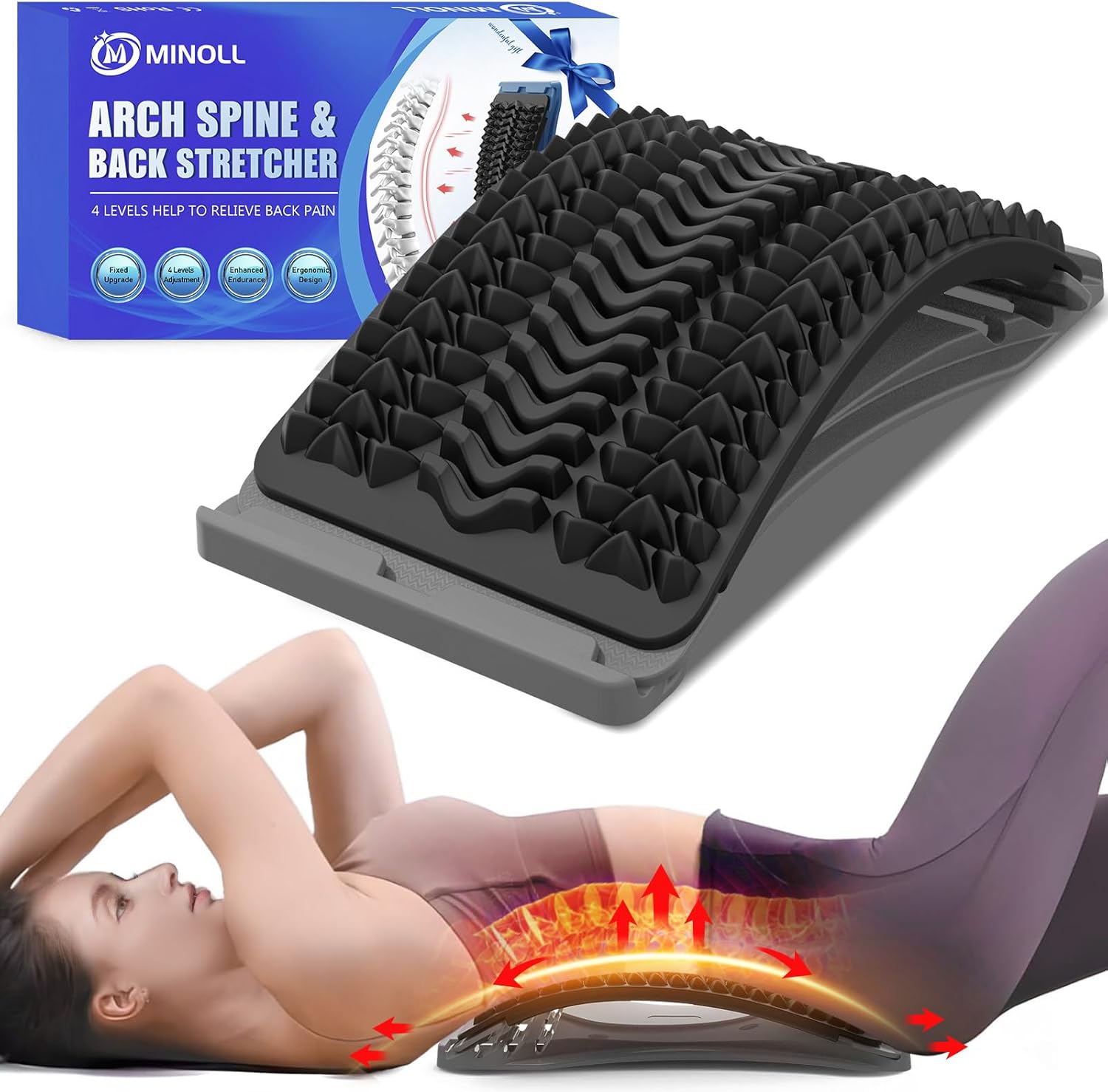
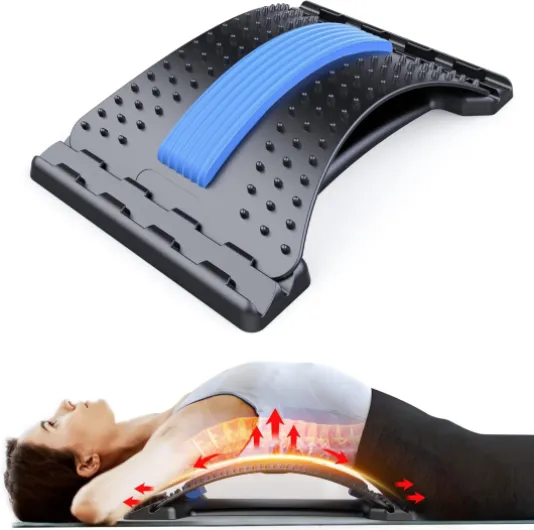
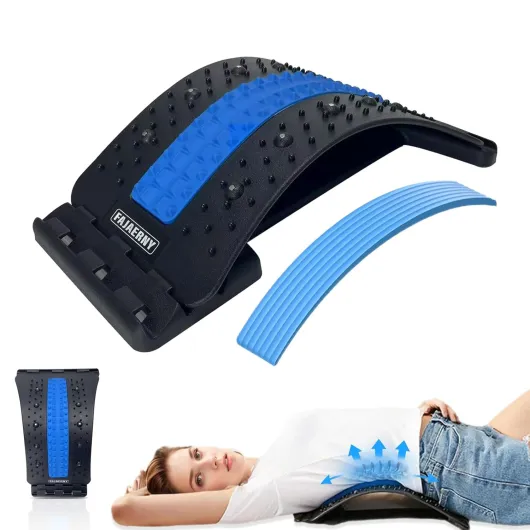
- Innovative Recovery Tools: Many luxury brands offer massage guns, foam rollers, and stretching aids specifically designed for golfers. These tools help stretch lower back muscles, release tension in the thoracic spine, and improve hip mobility, making it easier to hold stretches and repeat stretch routines effectively.
Integrating these products into your routine can help address common back issues faced by golfers, such as stiffness, pain, or limited mobility. By supporting your body’s natural movement and reducing physical limitations, luxury golf gear can make a real difference in your comfort and performance on the course. For more insights on how mastering golf involves both skill and physical wellness, check out this in-depth look at the challenges of mastering golf.
Simple back stretches for golfers before tee time
Pre-Round Golf Stretches for a Healthier Back
Warming up your back and hips before tee time is essential for a pain-free golf swing. Many golfers overlook this step, but a few simple stretches can make a significant difference in your spine health and overall mobility. Here are some effective golf stretches to help you prepare your body for the demands of the course:- Knees-to-Chest Stretch
Lie back on a mat with your knees bent and feet hip-width apart. Gently pull both knees toward your chest, keeping your low back pressed to the ground. Hold for 20 seconds, then release. This stretch helps relieve tension in the lumbar spine and lower back muscles. - Seated Spinal Twist
Sit with your legs extended. Cross your right foot over your left knee, keeping your left leg straight. Place your right hand behind you and your left elbow on the outside of your right knee. Gently rotate your torso to the right, feeling the stretch along your thoracic spine and side body. Hold for 15 seconds, then switch sides. Repeat stretch twice per side to improve spine angle and reduce risk of injury. - Standing Hip Flexor Stretch
Stand with feet width apart. Step your left foot back and bend your right knee, keeping your left leg straight. Tuck your hips under and gently push forward until you feel a stretch in the front of your left hip. Hold for 20 seconds, then switch sides. This stretch targets hip mobility, which is crucial for a smooth golf swing. - Thoracic Rotation Stretch
Get on all fours with knees and hands on the ground. Place your right hand behind your head. Rotate your upper body, bringing your right elbow up toward the ceiling, opening your chest. Hold for 10 seconds, then return to start. Repeat 5 times, then switch sides. This movement enhances thoracic spine mobility and helps maintain a proper spine angle during your swing.
Incorporating stretching routines into your golf lifestyle
Making Stretching a Seamless Part of Your Golf Routine
Building a habit of stretching before and after your round can be a game-changer for your back and overall golf performance. Many golfers overlook this step, but integrating a few targeted stretches into your routine can help maintain spine mobility, reduce back pain, and support a more powerful, pain-free swing.- Set a Pre-Round Ritual: Arrive at the course a few minutes early. Use this time to stretch your lower back, hips, and thoracic spine. Even five minutes can make a difference in how your body feels during your swing.
- Focus on Key Muscle Groups: Prioritize stretches that target the lumbar spine, hips, and chest. For example, with knees bent and feet hip-width apart, lie back and gently rotate your knees to each side. Hold for 15 seconds, then switch sides. This helps stretch the lower back and improve spine angle.
- Repeat and Hold: For each stretch, hold the position long enough to feel the stretch—typically 15 to 30 seconds. Repeat the stretch two or three times, switching sides as needed. This approach helps reduce the risk of injury and prepares your body for the demands of the golf swing.
- Listen to Your Body: If you have physical limitations or feel pain during a stretch, modify the movement or consult a professional. Never force your body into uncomfortable positions.
- Post-Round Recovery: After your round, gentle stretches can help relax tight muscles and support recovery. Focus on the thoracic spine, low back, and hips to maintain mobility and reduce stiffness.
Expert advice on combining luxury and wellness in golf
Elevating Your Game with Expert-Backed Wellness Strategies
Luxury golf is about more than just high-end clubs and exclusive courses. It’s about investing in your body’s longevity and performance. Experts in golf fitness consistently highlight the importance of integrating targeted stretches and mobility routines into your daily life, especially for the back, hips, and thoracic spine. These areas are crucial for maintaining a healthy spine angle and generating a powerful, pain-free swing.
- Prioritize mobility: Regularly stretch your lower back, hips, and thoracic spine. This helps prevent stiffness and supports a fluid golf swing, reducing the risk of low back pain and injury.
- Focus on form: When performing golf stretches, keep your knees bent and feet hip-width apart for stability. Hold each stretch for 20–30 seconds, then switch sides. Repeat each stretch two to three times to feel the full benefit.
- Listen to your body: If you feel pain or discomfort, adjust your stretch or consult a professional. Never force your body into a position that feels unnatural, especially if you have physical limitations.
- Incorporate luxury wellness tools: High-quality yoga mats, massage guns, and ergonomic stretching aids can enhance your routine, making it easier to stretch lower back muscles and improve thoracic mobility.
Experts agree that a consistent routine, combined with the right products, can help you maintain a healthy spine and enjoy a more powerful, controlled golf swing. Whether you’re working on your chest and side stretches or focusing on hip mobility, the key is to hold each position, breathe deeply, and repeat the stretch as needed. This approach not only supports your golf performance but also contributes to your overall well-being on and off the course.