
Understanding lower back strain in golf
Why the Lower Back Matters in Golf
Golfers at every level know that a smooth, powerful golf swing relies on the health and mobility of the lower back. The repetitive motion of swinging, combined with the need to rotate the hips and thoracic spine, puts significant stress on the lumbar spine. Even on luxury courses with the best amenities, back pain can quickly turn a relaxing round into a struggle.
Common Causes of Discomfort
Lower back pain in golf often stems from a few key factors:
- Poor spine angle during setup or swing
- Limited hip and thoracic mobility
- Physical limitations or lack of flexibility
- Overuse from repeated swings without proper stretching
When the body is not properly prepared, the lumbar spine absorbs more force, especially during the transition from backswing to downswing. This can lead to discomfort, stiffness, or even injury.
Recognizing the Signs
Golfers should pay attention to early signs of low back strain, such as tightness after a round, difficulty rotating the chest or hips, or pain when holding the finish position. These signals suggest it’s time to focus on targeted golf stretches and mobility work.
The Luxury Golfer’s Perspective
For those who value a premium golf experience, comfort and performance go hand in hand. Investing time in proper stretching routines not only protects the back but also enhances enjoyment on the course. Understanding how weather and environmental factors can impact your body is also crucial—discover more about how extreme weather influences your luxury golf experience and play strategy.
In the following sections, we’ll explore how flexibility, specific stretches, and the right tools can help you maintain a healthy spine and elevate your game.

The role of flexibility in a luxury golf experience
Why Flexibility Matters for the Luxury Golfer
Luxury golf is about more than just premium clubs and exclusive courses. It’s also about how your body feels and performs on the course. Flexibility, especially in the lower back, hips, and thoracic spine, is a crucial factor in achieving a smooth, pain-free golf swing. When your body moves freely, you can rotate your spine, maintain your spine angle, and generate power without risking low back pain or discomfort.
Connecting Flexibility to Your Golf Swing
The golf swing is a complex movement that places significant demands on the lumbar spine and hips. If your mobility is limited, you may compensate with poor posture or a reverse spine angle, which can lead to back pain and even long-term injury. By regularly practicing golf stretches that target the thoracic spine, hips, and chest, you help your body rotate efficiently and maintain balance throughout your swing.
- Thoracic mobility allows your upper body to rotate smoothly, reducing strain on the lower back.
- Hip flexibility supports a stable base, letting you shift weight and rotate your body with control.
- Chest and shoulder openness helps you maintain a wide, powerful swing arc.
Luxury Golf: Flexibility as a Performance Edge
For those who value a premium golf experience, flexibility is a subtle yet essential luxury. It enables you to enjoy longer rounds, recover faster, and minimize physical limitations that could detract from your game. Incorporating targeted stretches—like those detailed in the next section—can elevate your comfort and performance, making every round feel effortless.
Weather can also influence how your body feels on the course. For insights on staying comfortable and protected during unpredictable conditions, explore our guide to luxury weatherproof golf gear.
Key golf stretches for lower back relief
Dynamic Movements for a Healthier Golf Swing
Maintaining a healthy lower back is essential for a fluid golf swing and overall comfort on the course. Targeted golf stretches can help reduce pain, improve spine mobility, and support your body’s natural movement patterns. Here are several effective stretches designed to address the unique demands golf places on the lumbar spine, hips, and thoracic spine.
- Knees-to-Chest Stretch
Lie back on a mat with your knees bent and feet hip-width apart. Gently pull both knees toward your chest, keeping your low back pressed to the ground. Hold for 20-30 seconds, then release. This stretch helps relieve tension in the lower back and prepares your body for rotational movement. - Supine Twist
With your back on the ground and knees bent, let your knees fall to the left side while keeping your shoulders flat. Extend your arms out to the side for stability. Hold for 20-30 seconds, then switch sides. This movement encourages thoracic spine rotation and eases stiffness along the spine angle. - Hip Flexor Stretch
Kneel with your right knee on the ground and left foot in front, forming a 90-degree angle. Shift your hips forward gently until you feel a stretch in the front of your right hip. Hold for 20-30 seconds, then switch sides. Flexible hips are crucial for a smooth golf swing and help prevent reverse spine issues. - Standing Side Stretch
Stand with feet shoulder-width apart. Reach your left hand overhead and lean to the right, feeling a stretch along your left side and lower back. Hold for 15-20 seconds, then switch sides. This stretch enhances lateral mobility, supporting a full range of motion during your swing. - Cat-Cow Stretch
On all fours, alternate between arching your back (cat) and dipping your spine (cow). Repeat stretch for 8-10 cycles. This dynamic movement improves lumbar spine flexibility and helps maintain a healthy spine angle throughout your golf game.
For more in-depth guidance on optimizing your back health and golf performance, explore our detailed guide on essential back exercises for golfers. Incorporating these stretches into your routine can help address physical limitations and support a pain-free, luxurious golf experience.
Incorporating stretching into your luxury golf routine
Making Stretching a Natural Part of Your Golf Routine
Luxury golf is about more than just the swing; it’s about caring for your body so you can enjoy every round with comfort and confidence. Integrating golf stretches into your pre-round and post-round habits helps protect your lower back and supports a fluid, pain-free swing.- Warm up before you tee off: Take five to ten minutes before your round to focus on stretches targeting the lumbar spine, hips, and thoracic spine. This primes your body for the rotational demands of the golf swing and reduces the risk of back pain.
- Use the driving range as a stretching zone: Before hitting balls, stand with your feet hip-width apart, knees bent slightly, and gently rotate your upper body side to side. Hold each side for 10-15 seconds, feeling the stretch through your thoracic spine and chest. Repeat stretch three times per side.
- Between holes, keep your spine mobile: If you feel tightness in your lower back, pause and perform a standing side stretch. Reach your left hand overhead and lean to the right, keeping your hips stable. Hold for 15 seconds, then switch sides. This helps maintain spine angle and mobility throughout your round.
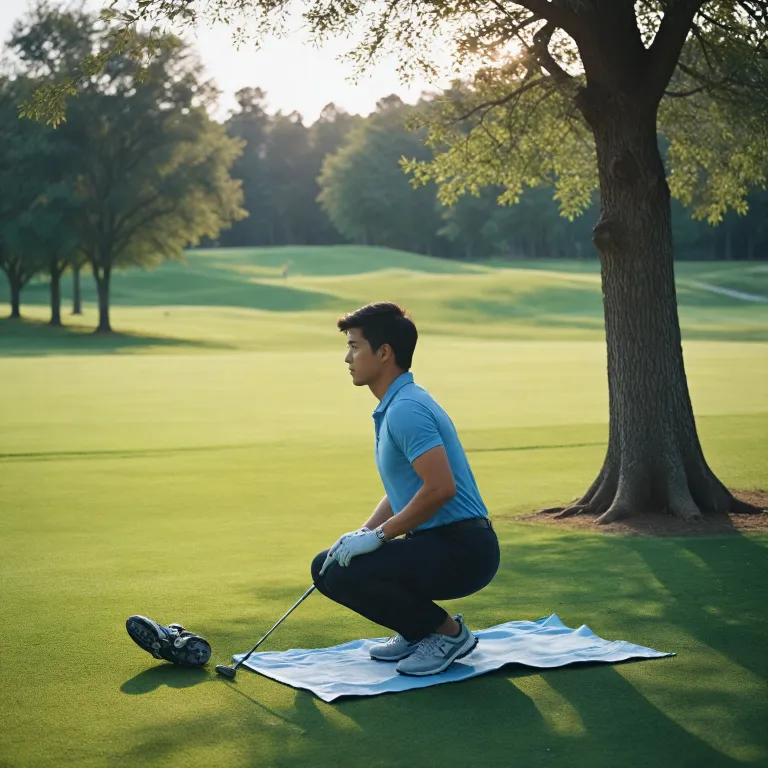
- After your round, cool down with targeted stretches: Lie back on a mat with your knees bent and feet flat. Gently let both knees fall to one side, keeping your shoulders on the ground. Hold for 20 seconds, then switch sides. This stretch supports lumbar spine recovery and helps prevent low back discomfort after play.
Adapting to Your Body’s Needs
Every golfer’s body is unique. If you have physical limitations or chronic back pain, consult a golf fitness professional to tailor your stretching routine. Focus on stretches that feel effective but never force your body into discomfort. The goal is to feel the stretch, not pain. Consistency is key. By making stretching as routine as checking your clubs, you’ll notice improvements in your swing, hip rotation, and overall comfort on the course. Prioritizing your spine and lower back health ensures you can enjoy the luxury golf experience for years to come.Tools and accessories for effective stretching
Luxury Tools to Enhance Your Stretching Routine
When it comes to maintaining lower back comfort on the course, the right tools and accessories can make a significant difference. Investing in high-quality stretching aids not only elevates your golf experience but also supports your spine and helps prevent back pain during your swing.- Foam Rollers: These are essential for releasing tension in the lumbar spine and thoracic spine. Rolling the hips, low back, and upper back before a round can improve mobility and help you feel the stretch more effectively.
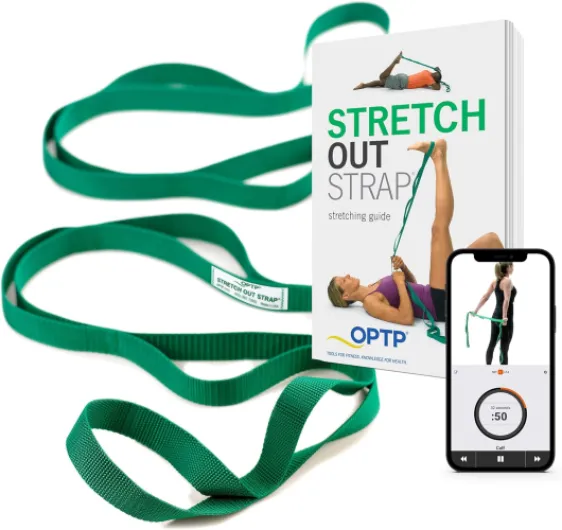
- Stretching Straps: A stretching strap allows you to hold stretches longer, especially when targeting the hamstrings, hips, and chest. This is particularly useful if you have physical limitations or need to maintain a specific spine angle.
- Massage Guns: These devices target deep muscle tissue, offering relief for tight areas along the back and hips. Using a massage gun before and after your golf round can help reduce pain and improve your body’s ability to rotate.
- Yoga Mats: A premium mat provides comfort and stability for floor stretches. It’s ideal for exercises where you lie back with knees bent, switch sides, or repeat stretches for several seconds each.
- Balance Pads: These pads challenge your stability, engaging the core and lumbar spine during stretches. They’re especially helpful for improving your golf swing by enhancing balance and spine control.
Choosing the Right Accessories for Your Needs
Selecting the best tools depends on your individual needs and the specific stretches you incorporate. For example, if you focus on thoracic mobility, a foam roller or massage gun can target the upper back and chest. For hip and low back stretches, a strap or mat ensures you can hold each position for 20 to 30 seconds, then switch sides comfortably. Pay attention to the quality and durability of these accessories. Luxury golf products are designed to last and provide superior support, so look for materials that offer both comfort and stability. Remember, the goal is to support your spine, maintain flexibility, and prevent back pain, all while enjoying the refined experience that luxury golf brings. Integrating these tools into your routine will help you maintain a healthy spine angle, rotate your body efficiently, and keep your lower back and hips in top condition for every round.Expert tips for preventing lower back pain on the course
Proven Strategies for Lasting Comfort on the Course
- Warm up with intention. Before your first swing, dedicate at least five minutes to dynamic stretches targeting the lower back, hips, and thoracic spine. This primes your body for rotation and helps maintain a healthy spine angle throughout your round.
- Focus on form, not just flexibility. While stretching is essential, the way you move matters. Keep your knees bent and feet hip-width apart during stretches to support the lumbar spine and avoid reverse spine positions that can trigger pain.
- Balance both sides. Always repeat stretches on both the left and right sides. For example, when performing a seated twist, hold for 20 seconds, then switch sides. This ensures even mobility and reduces the risk of overloading one side of your body during the golf swing.
- Integrate mobility into your routine. Between holes, simple movements like standing trunk rotations or gentle side bends can keep your thoracic spine and hips loose. These micro-breaks help prevent stiffness and support a fluid swing.
- Listen to your body’s signals. If you feel stretch discomfort beyond mild tension, ease off. Persistent low back or lumbar spine pain may indicate underlying physical limitations that require professional assessment.
- Leverage luxury tools. Use high-quality stretching straps or massage rollers to enhance your routine. These accessories can help you hold stretches longer and target hard-to-reach areas, especially around the hips and chest.
- Stay consistent. The benefits of golf stretches are cumulative. Incorporate them before, during, and after play to maintain mobility and reduce back pain over time.
By prioritizing these expert-backed habits, you’ll not only protect your lower back but also elevate your entire golf experience. Remember, a flexible and resilient body is the foundation of a refined game.