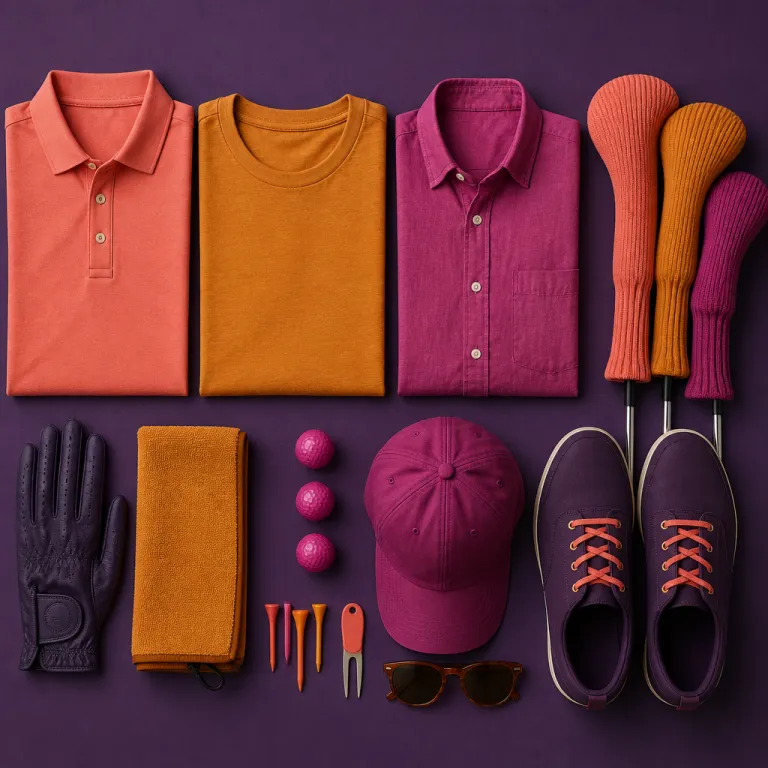
Why natural fabrics change the way summer golf feels
Step onto a sun baked fairway in peak season and you immediately feel whether your golf apparel is working with you or against you. Natural fabrics such as cotton piqué, fine merino and linen blends handle heat by absorbing a thin film of moisture, then releasing it gradually, while most polyester golf shirts rely on chemical moisture wicking finishes that move sweat across the fabric surface but can trap humidity against the skin. When you are grinding through long rounds in still air, that difference in how each fabric type manages sweat and airflow becomes as important as the ball you tee up on the first.
Think of a classic cotton piqué polo or tee polo as a breathable sponge, where the knit structure and yarn choice create tiny air pockets that cool you as you walk, whereas a fully synthetic golf polo in recycled polyester or virgin polyester often feels quick to dry yet oddly clammy once the humidity spikes. Merino knit layers raise the bar again, because the fibre itself wicks moisture, absorbs odour and regulates temperature, which is why a lightweight merino golf shirt or long sleeve quarter zip can feel cool on the left side of a windy links and warm when you turn back into the breeze. Linen and linen blend polos take this even further for modern golf in high heat, trading a slightly rumpled style for unmatched comfort when the mercury climbs past 30 °C and the round stretches beyond four hours.
Luxury brands have leaned hard into shiny recycled performance stories, but the smartest summer wardrobes now mix recycled fibres with natural fabrics instead of going all in on synthetics. A modern cotton piqué golf polo with a touch of recycled polyester in the knit can still offer quick drying performance, yet it breathes and drapes with a regular fit that feels closer to true size than many clingy best sellers in the performance category. When you buy golf apparel natural fabrics 2026 focused pieces, you are not chasing the latest logo or limited edition colourway ; you are curating fabrics and fits that let you swing freely, walk confidently and forget about your shirt until you are pulling a putter from the bag on the 18th.
Cotton piqué polos and shirts: the quiet luxury workhorses
On a humid morning at Le Golf National outside Paris, the players who looked the most composed on the first tee were not in shiny technical polos ; they were in heavyweight yet breathable cotton piqué golf shirts that sat cleanly on the shoulders and moved with the swing. The textured knit of a piqué polo creates channels that let air circulate, so even though cotton absorbs more moisture than polyester, it does not cling in the same way, and the fabric surface stays cooler against the skin during long rounds. When you choose golf apparel natural fabrics 2026 pieces built from dense piqué fabrics rather than paper thin jerseys, you get a shirt that holds its shape, resists bag strap abrasion and still feels soft after dozens of washes.
Look for a regular fit cotton golf polo that follows the line of the torso without gripping the midsection, because that silhouette flatters most golfers and leaves room for a full turn from the left side without pulling across the chest. The best golf cotton polos now borrow from modern menswear, using rib knit collars that do not curl, subtle contrast tipping and earth toned colour palettes that pair with tailored shorts or pleated trousers, which means your on course style finally matches the quality of your equipment. If you want a practical luxury touch, pair a piqué polo with a premium putter and a well designed headcover, using something like this blade putter cover in soft leather so that your bag aesthetic and your fabrics speak the same refined language.
Not every cotton shirt is equal, so pay attention to fabric type and weight when you buy. A tightly knit midweight piqué golf shirt in long sleeve form can be a superb shoulder season layer, especially when the morning starts cool and the afternoon turns warm, while a lighter jersey knit cotton polo suits peak summer but may show sweat more readily. The most considered golf apparel natural fabrics 2026 collections now blend organic cotton with a small percentage of recycled polyester to improve durability and colourfastness, yet they keep the hand feel matte and the drape relaxed, which is exactly what you want when you are standing over a nervy ball on a par three with a crosswind and a gallery on the terrace.
Merino and linen blends: eco friendly gear for serious heat and travel
Merino wool has quietly become one of the best golf fabrics for players who travel between climates, because a fine gauge merino knit quarter zip or long sleeve polo can handle a dawn tee time at Sunningdale and an afternoon nine in Algarve without a wardrobe change. The fibre structure of merino wicks moisture away from the skin, then holds it inside the fibre rather than on the surface, which means the garment feels dry to the touch even when you are working hard, and it naturally resists odour during long rounds or back to back days. When you build a golf apparel natural fabrics 2026 capsule around merino layers, you reduce how many shirts you need to pack, which is a quiet sustainability win that matters as much as any recycled performance marketing line.
Linen and linen blend polos come into their own when the course bakes and the wind drops, especially on coastal layouts like Troia or Quinta do Lago where humidity can spike without warning. Pure linen golf shirts are incredibly lightweight and allow maximum airflow, but they wrinkle easily and can look too relaxed for some clubhouses, so the sweet spot is often a linen cotton blend knit that softens the creasing while keeping that airy comfort. Pair a linen blend tee polo in a muted green or sandy yellow with tailored shorts and a slim belt, and you have a modern golf uniform that feels almost weightless while you track the ball against a hazy sky.
Because these natural fabrics breathe so well, they pair beautifully with compact, well protected putters and accessories that respect the same attention to detail, such as a small mallet putter head cover in soft leather that will not snag against your knit layers. When you buy merino or linen golf apparel, check the label for fabric type and blend ratios, aiming for high merino content in performance layers and balanced linen cotton mixes in polos, because that is where you get the best intersection of comfort, durability and style. In the context of golf apparel natural fabrics 2026 trends, these pieces sit at the intersection of eco friendly intent and real world performance, rather than just ticking a recycled polyester box on a hangtag.
When synthetics still win and how to blend them intelligently
There are moments on the course when full synthetic fabrics still earn their place, particularly in rain gear, wind shells and compression layers where pure cotton, merino or linen would simply soak through or sag. A well cut waterproof jacket in recycled polyester with taped seams and a two way zip can keep you swinging freely when the weather turns on the 12th, and here the moisture wicking interior mesh and quick drying shell genuinely outperform any natural alternative. The key is to treat these pieces as outer layers that you peel off when the sun returns, while keeping your base golf shirt and midlayer in natural fabrics that manage comfort over the full duration of long rounds.
For high humidity destinations like Singapore or Florida in midsummer, a hybrid approach often works best, such as a lightweight golf polo that blends cotton with recycled polyester yarns engineered to wick moisture while still feeling soft rather than plasticky. Look for designs where the knit structure wicks moisture along the inside face and leaves a matte cotton rich surface against the skin, because that is where you feel the benefit of both performance and comfort. In the language of golf apparel natural fabrics 2026, this is not a compromise ; it is a deliberate layering of technologies that respects how you actually move, sweat and cool down over four hours.
Accessories follow the same logic, which is why pairing a refined quarter zip merino midlayer with a precision milled putter and a thoughtfully engineered oversize grip putter for better alignment makes more sense than chasing another limited edition logo polo that will sit unworn. When you buy gear, ask whether each item genuinely improves performance, comfort or style, or whether it simply adds more polyester to your wardrobe without changing how you feel over the ball. The smartest modern golf closets now rotate a tight edit of best sellers in natural fabrics, supported by a few recycled performance outer layers, so that every piece earns its place and your focus stays where it should be, on the line and pace of the putt rather than the cling of your shirt.
FAQ
Are natural fabrics really cooler than technical polyester golf shirts in summer ?
Natural fabrics such as cotton piqué, fine merino and linen blends often feel cooler over a full round because they absorb moisture into the fibre and allow more airflow through the knit. Technical polyester golf shirts can dry very quickly, but in high humidity they sometimes trap a layer of warm air and feel clammy against the skin. For most temperate summer conditions, a well cut natural fibre polo offers a better balance of cooling, comfort and style.
How should I care for merino and linen golf apparel to make it last ?
Merino golf layers should be washed on a gentle cycle with cool water, then dried flat to maintain their shape and softness. Linen and linen blend polos handle regular washing well, but they benefit from being removed from the machine promptly and hung to dry to minimise deep creases. Avoid high heat tumble drying for both fabric types, because it can break down fibres and shorten the life of your favourite pieces.
When is a synthetic golf polo still the better choice ?
A synthetic or recycled polyester golf polo can be the better option in extremely humid conditions, or when you expect heavy rain and need something that will dry very quickly between showers. These shirts excel for travel days when you might play, pack and re wear the same piece within a short window. Many golfers now keep one or two technical polos specifically for such scenarios, while relying on natural fabrics for most regular play.
What fit should I choose for cotton piqué and merino golf shirts ?
A regular fit is usually the most versatile choice for cotton piqué and merino golf shirts, because it allows a full turn without excess fabric flapping in the wind. Check that the shoulder seams sit correctly and that you can cross your arms without the fabric pulling across the upper back. If a brand notes that a style runs true size, you can generally take your usual measurement, but always prioritise how the shirt feels in a full practice swing.
Can I build a sustainable golf wardrobe without going fully natural fibre ?
You can absolutely build a more sustainable golf wardrobe by prioritising durable natural fabrics for everyday polos and midlayers, then adding a few recycled performance outer pieces where synthetics genuinely excel. Choosing higher quality garments that you wear frequently is more impactful than chasing every limited edition drop. Over time, this approach reduces waste, improves comfort and creates a coherent style that feels considered rather than cluttered.