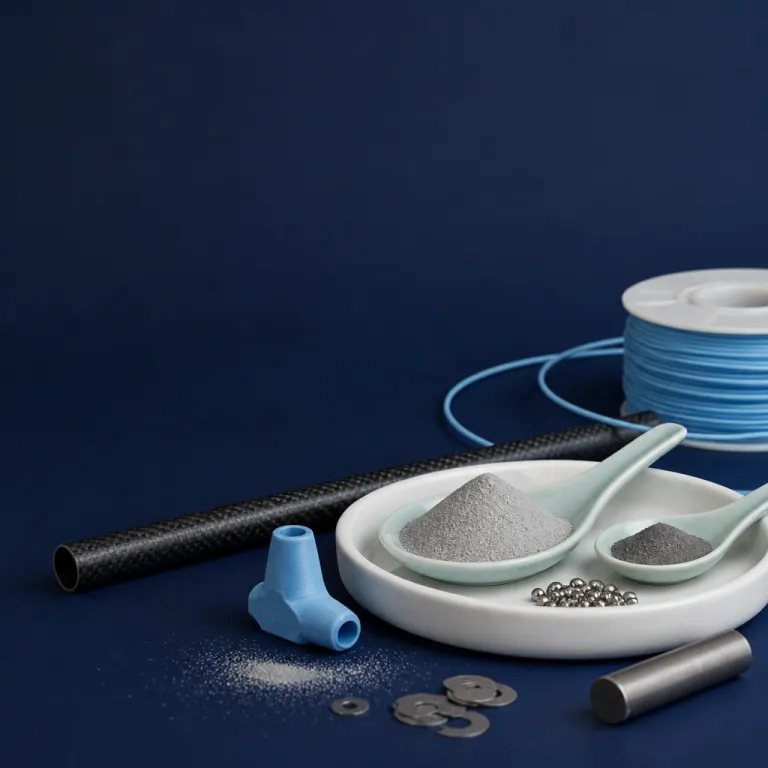
MIM reshapes the modern club head from the inside out
Walk into any serious fitting studio and you will feel that golf has quietly entered a new manufacturing era. Metal Injection Molding, or MIM, now sits at the center of cutting edge golf club manufacturing technology, changing how a club head is formed long before you ever see a polished finish. This manufacturing process matters because it lets engineers sculpt internal components and weight structures with a precision that traditional forging or casting simply cannot match.
In practical terms, MIM blends fine metal powder with a binding material, injects this mix into a mold, then removes the binder and sinters the remaining metal into a dense, high strength component. That process unlocks complex internal geometries inside the club head, so designers can shift weight to the perimeter, lower the center of gravity and tune the moment of inertia with almost obsessive control. When you hold a modern MIM iron or wedge, you are feeling the result of thousands of micro decisions about material placement, not just a prettier piece of metal.
McLaren Golf has built its entire iron line around this manufacturing technology, using MIM to create hollow body constructions with thin faces and intricate internal ribs that stabilize impact. Those hidden structures allow the face to flex for higher ball speed while keeping the overall weight and strength to weight ratio in a window that better players trust. On course, that translates into golf clubs that launch the ball higher from a lower center of gravity, yet still offer the compact club design and crisp feedback that a private club golfer expects.
For luxury focused players, the real story is how MIM elevates both performance and feel in the same piece of golf equipment. Because the manufacturing processes are so repeatable, every club in the set can share nearly identical center of gravity locations and lie angle tolerances, which tightens dispersion and builds confidence. You are not just buying a single good club; you are investing in a matched set of club components that behave like a well drilled équipe rather than a loose collection of parts.
That consistency becomes especially clear in high lofted scoring clubs, where subtle changes in weight distribution and face thickness dramatically affect spin and trajectory. A MIM wedge can carry a thinner face and more aggressive grooves without sacrificing durability, because the underlying material density is so carefully controlled. If you have ever tested a premium wedge set such as the Pro Spin three wedge configuration, you have already felt how modern club manufacturing turns precise design into repeatable performance.
There is also a subtle luxury in how MIM irons and wedges sound and feel when the ball meets the face. The internal component layout can be tuned to dampen harsh frequencies while preserving that crisp, forged like click that better players associate with control. On a quiet morning at your home club, that difference is not theoretical; it is the difference between a shot that feels vaguely solid and one that tells your hands exactly where on the face the ball left.
3D printing and additive manufacturing push weight where physics wants it
If MIM refines the inside of the club head, 3D printing and broader additive manufacturing techniques are rewriting how external structures support that inner engine. Cobra’s decision to unveil two new 3D printed iron models at the PGA Show signaled that golf club manufacturing technology has crossed from experiment to serious production tool. Those clubs are not marketing novelties; they are case studies in what happens when you can place every gram of material exactly where the physics models demand.
Additive manufacturing builds components layer by layer, which means engineers are no longer constrained by the machining limits of stainless steel blocks or the casting flow of molten metal. In a 3D printed club head, lattice structures, internal trusses and hollow sections can be tuned to move weight low and deep, raising the moment of inertia while preserving a compact club design. That is why Cobra’s 3D printed irons can deliver game improvement forgiveness in a profile that still looks like a players club when you set it behind the ball.
The real luxury advantage lies in how these manufacturing processes let brands blend different materials and components into a single coherent piece of golf equipment. A 3D printed metal frame can be paired with a carbon fiber crown or carbon inserts, shifting the strength to weight balance so aggressively that designers can chase both ball speed and stability. When you hear engineers talk about optimizing center of gravity height by fractions of a millimeter, this is the technology that makes those claims credible rather than aspirational.
For the affluent golfer, the question is whether these exotic manufacturing methods genuinely lower the barrier to better performance or simply raise the price of admission. In my testing, 3D printed club heads shine most for players who value consistent launch and forgiveness across the set, especially in the mid irons where mishits cost both distance and proximity. The ability to fine tune weight distribution and lie angle in those clubs means your worst swings are punished less harshly, which is a quiet but meaningful form of game improvement.
High tech does not stop at the irons either, because additive manufacturing is creeping into putter design and specialty wedges as well. Complex back cavity structures, variable thickness faces and interchangeable club components are all easier to execute when printing rather than machining each piece. If you are already the golfer who travels with a dedicated case for premium putters and bespoke wedges, you are exactly the audience that will feel the difference when these technologies filter into limited edition runs.
Even the accessories orbiting your bag are starting to echo this shift toward smarter golf equipment and data driven design. Smart magnetic markers, like those highlighted in this guide to top magnetic ball markers, show how small components can carry sensors and connectivity without adding noticeable weight. The same design mindset is now being applied to club manufacturing, where every gram of material and every surface on the face is expected to justify its place in the overall performance equation.
AI powered fitting turns data into tailored club manufacturing choices
While MIM and 3D printing reshape the hardware, artificial intelligence is quietly changing how that hardware is matched to your swing. Traditional fittings relied on a launch monitor snapshot and a fitter’s eye to recommend a golf club, but AI fitting systems now ingest thousands of swings and compare them against vast databases of club design options. That shift means your next set of golf clubs may be specified not just by loft and lie angle, but by the exact combination of materials, weight distribution and face geometry that your motion pattern demands.
Programmes like the Fully Fit initiative are pushing the industry away from generic rankings of best drivers or irons and toward personalised prescriptions based on performance data. When integrated with tools from companies such as FlightScope and Golf Live, AI fitting can analyse ball speed, launch, spin and strike location across multiple club heads and shafts, then recommend specific club components that optimise your individual center of gravity interaction. Instead of asking whether you need a game improvement iron or a players cavity, the system asks how your delivery interacts with the club manufacturing variables that engineers can actually control.
This is where golf club manufacturing technology and fitting technology finally converge in a meaningful way for the luxury golfer. Because MIM and additive manufacturing allow brands to adjust internal components and external structures in fine increments, AI systems can map those design variations directly to measurable changes in performance. If the data shows that you consistently strike the ball low on the face, the fitter can choose a club head with a lower center of gravity and a slightly different face thickness profile, then validate the change on the monitor within a few swings.
For players who invest heavily in golf equipment, the key is to treat AI fitting as a conversation rather than a verdict. The algorithms can highlight which manufacturing processes and materials are most likely to benefit your swing, but your hands still need to confirm that the club head feels stable and the face interaction inspires confidence. A well run session blends subjective feedback with objective data, using the technology to narrow the field while your own sense of strike and trajectory makes the final call.
Expect your next premium fitting to include more sensors on both you and the club, from shaft deflection trackers to pressure plates that map how you move through the ball. Those data streams feed back into the design loop, informing how future club manufacturing will balance stainless steel, carbon fiber and other advanced materials to achieve the desired strength to weight profile. Over time, the line between off the rack and bespoke will blur, as manufacturers use AI insights to create stock models that already align with the swing patterns of specific player archetypes.
Traveling golfers will feel this shift most when they book fittings at destination resorts or high end academies rather than only at their home club. A well equipped studio in St Andrews or Pinehurst can now pull your historical data from previous sessions, then adjust recommendations based on current form and course conditions. Pair that with a robust travel setup, protected by a premium case such as those reviewed in this selection of top golf travel covers, and your clubs become part of a connected ecosystem rather than static pieces of metal in a bag.
Luxury, regulation and the next wave of high tech golf equipment
Whenever golf club manufacturing technology takes a leap forward, the same questions surface in the locker room at private clubs. Are these new materials, processes and designs genuinely helping more golfers enjoy better performance, or are they simply another way to justify higher price tags and limited edition releases. The answer, as usual in this game, depends on how honestly you assess your own swing and how thoughtfully you engage with the equipment.
From a regulatory standpoint, most smart sensors, AI powered fitting tools and advanced manufacturing processes sit comfortably within existing equipment rules. The governing bodies care about what happens when the ball meets the face, not whether the club manufacturing involved MIM, stainless steel casting or additive manufacturing of internal components. As long as the club head dimensions, spring like effect and moment of inertia stay within defined limits, brands are free to experiment with carbon fiber crowns, multi material constructions and exotic printing techniques.
For the discerning golfer, the real luxury is not owning the most technologically complex club, but owning the one whose design choices are transparent and aligned with your needs. When a manufacturer explains how the manufacturing process positions weight to lower the center of gravity, increase ball speed and stabilise off center strikes, you can evaluate whether that game improvement story fits your tendencies. If you are already a consistent striker who values workability, you may prefer a simpler club design with fewer components and a more traditional feel, even if that means sacrificing a touch of forgiveness.
Brands like Cleveland Golf illustrate how this balance can be struck across different product lines, offering both classic shapes and more aggressive, multi material constructions. A better player might choose a compact wedge with a clean leading edge and minimal offset, while a mid handicapper at the same club opts for a cavity backed option with a slightly wider sole and a lower center of gravity. Both clubs can benefit from modern manufacturing processes, but the way those processes are applied should reflect the golfer’s priorities rather than a one size fits all technology story.
As you evaluate your next set, pay attention to how clearly the brand connects its manufacturing choices to specific performance outcomes. Ask how the materials and components influence lie angle consistency, how the face design manages spin across the hitting area and how the overall strength to weight balance affects your ability to control trajectory. The more concrete and measurable the answers, the more likely it is that the technology is serving your game rather than the marketing department.
In the end, the quiet revolution in golf club manufacturing is less about owning the latest acronym and more about aligning physics, process and feel in a way that suits your eye and your tempo. MIM, 3D printing and AI fitting are simply tools that, when used well, make it easier for you to swing freely and trust the club head through impact. What you will remember after a season with the right setup is not the spec sheet, but how confidently the ball left the face when the fairway felt soft underfoot at dawn.
Key figures shaping modern golf club manufacturing
- According to data shared by McLaren Golf, using Metal Injection Molding for iron heads can tighten manufacturing tolerances by up to 50 percent compared with traditional casting, which directly improves consistency of center of gravity locations across a set.
- Industry reports around the PGA Show have highlighted that 3D printed and other additive manufacturing components now appear in more than 10 percent of new premium iron and putter models, a sharp rise from low single digits only a few product cycles ago.
- Launch monitor and fitting providers estimate that AI assisted fitting tools can reduce the time to reach an optimal club configuration by roughly 30 to 40 percent, because the system narrows viable options before the player ever swings each head and shaft combination.
- Independent testing published by major golf media outlets has shown that modern multi material irons with low and deep centers of gravity can retain up to 60 percent more ball speed on low face strikes compared with older single piece stainless steel designs.
- Surveys of private club golfers indicate that more than half of players who underwent a full bag fitting with advanced data capture reported handicap reductions within a season, suggesting that the combination of precise manufacturing and tailored fitting delivers tangible on course benefits.