
Summary
Editor's rating
Is the 150 set worth the money?
Feel in the hand, barrel, and sharpening quirks
Core, wood, and overall build quality
Breakage, wear, and how they hold up over time
Color, blending, and how they behave on real paper
What you actually get in this 150-piece tin
Do they actually help you make better drawings?
Pros
- Soft, creamy cores with strong, vibrant color and smooth laydown
- Very blendable, especially good for coloring books and casual artwork
- Large 150-color range with lots of bright, fun shades (good greens, pinks, and blues)
Cons
- No clear lightfast ratings, not ideal for archival or professional work
- Barrel finish can be a bit rough or chipped on some pencils
- Soft core means faster wear and more frequent sharpening, especially for fine detail

Specifications
View full product page →| Brand | Derwent |
Soft, bright pencils without the drama (mostly)
I’ve been using the Derwent Chromaflow 150 set for a few weeks now on coloring books and some casual sketching, so this isn’t a quick out-of-the-box impression. I’ve used Prismacolor Premier, Faber-Castell Polychromos, Arteza, and a bunch of cheaper sets before. I’d put Chromaflow in that middle ground: softer and more fun than the serious “hard” pro pencils, but still way better than basic school stuff.
The first thing that hit me was how strong the colors are. If you like bright limes, punchy pinks, and bold blues, this set covers that pretty well. On white paper, the colors pop fast with just a couple of layers. On darker paper, they show up better than Polychromos in my experience, closer to Prismacolor in coverage, which is nice if you’re into dark-background coloring books.
In daily use, they feel creamy but not mushy. They glide over the page easily, blend quickly, and don’t feel scratchy. If you’re coming from Crayola or cheap Amazon pencils, you’ll notice the difference right away. If you’re coming from Prismacolor, they’ll feel a bit firmer but more controlled, and way less drama with constant tip breaks.
They’re not perfect though. The tin is big and slightly annoying to work out of, lightfastness info is basically missing, and some barrels had minor paint flaws. None of that stopped me from using them, but if you’re doing archival work or you like flawless presentation, you might roll your eyes a bit. For coloring books and casual art, though, they get the job done and are pretty fun to use.
Is the 150 set worth the money?
Price-wise, this 150 set usually sits below the top pro lines but above the random budget brands on Amazon. For what you get – a big range of bright, usable colors with a soft, blendable core – I’d call the value pretty solid, especially if you actually use a lot of colors in your work. If you’re the type who always reaches for the same 24 colors, you might be better off with a smaller set or a different brand.
Compared to Prismacolor Premier, Chromaflow feels like a slightly more controlled, slightly tougher alternative with a similar role: strong color, soft core, easy blending. Prismacolor still has a bigger reputation but also more complaints about internal breakage. Chromaflow seems a bit more consistent physically, at least in my experience. Compared to Polychromos, these are cheaper per pencil and a better fit for coloring book enthusiasts who like bright, fast coverage rather than subtle layering.
Where the value drops a bit is for serious professional artists who need lightfast data and archival reliability. If that’s you, you’re probably better off investing in something like Polychromos, Derwent Lightfast, or other fully rated lines and maybe using Chromaflow as a fun add-on for bright accents. For hobbyists and casual artists, though, you’re getting a lot of color and a pleasant drawing experience for the price.
So, is it worth it? If your main use is coloring books, casual illustration, and sketching, and you like soft and bright pencils, then yes, it’s good value for money. If you’re super picky about perfect barrel finish or you only need a small, tight palette with pro-level lightfastness, this big tin is probably overkill and not the best fit for your budget.
Feel in the hand, barrel, and sharpening quirks
Design-wise, these are round-barrel pencils with a 3.5 mm core. The barrels are a bit slimmer than some other Derwent lines, closer to Prismacolor Premier in feel. If you’re used to chunky hex pencils, these might feel light and a bit small at first, but I got used to it quickly. The round shape is comfortable, though they will roll if your desk isn’t flat, so I kept a pencil rest nearby when working on a slanted surface.
The barrel paint has a matte finish. On my set, a few pencils had slightly rough or textured paint, and a couple had minor chips near the ends. This matches what some Amazon reviews said. In practice, it doesn’t change how they draw, but if you’re picky about flawless finishes, it might bug you. For me, I care more about how they sharpen and lay down color; the finish is just cosmetic.
Sharpening was actually better than I expected for a soft-core pencil. Using a basic KUM handheld sharpener and a Prismacolor sharpener, I didn’t get much breakage. You still need to treat them like soft pencils: turn the sharpener, not the pencil, and don’t go for a super long needle point if you press hard when coloring. When I tried a cheap electric sharpener, the tips wore down very fast and I felt like I was wasting pigment, so I’d stick with manual sharpeners for these.
In the hand, they feel balanced and light. Long sessions were fine; no hand fatigue, which sometimes happens for me with thicker, heavier pencils. They’re not fancy to look at, but they’re practical. Overall, the design is pretty straightforward: round, slim, soft-core pencils that sharpen reasonably well if you don’t abuse them, with a few cosmetic flaws that don’t affect use.
Core, wood, and overall build quality
The Chromaflow line uses a soft, wax-based core (or at least it behaves like one) with a 3.5 mm thickness. It’s designed to be creamy and blendable, and that’s exactly how it feels. Compared to a harder oil-based pencil like Polychromos, you get faster coverage and smoother transitions, but less sharp detail and fewer ultra-thin lines. For backgrounds, gradients, and big areas in coloring books, that’s a good trade-off.
The wood casing is pine, which is different from a lot of other brands. Pine is lighter and can sometimes feel a bit rougher when sharpening, but on these pencils, it behaved fine in a decent sharpener. I did notice that some sharpeners handled the wood better than others; my Dahle 133 gave the cleanest shavings and smoothest point, while a cheap plastic sharpener tended to chew the wood a bit. If you’re buying a set this size, I’d suggest pairing it with a good manual sharpener to avoid wasting cores.
In terms of build, the cores in my set were mostly centered. I checked a random batch of about 40 pencils and only saw one that looked slightly off-center, but it still sharpened and worked fine. There were no serious core fractures that caused repeated internal breakage, which is the big headache with some other soft-core brands. I was able to sharpen down several pencils quite a bit without hitting that “snap every time you sharpen” problem.
Overall, the materials feel like a conscious compromise: you’re not getting the ultra-polished, heavy-feeling barrel of a top-tier pro line, but you’re also not stuck with crumbly cores and trash wood. For the price bracket, the core quality is the strong point, while the wood and paint are just serviceable. If your priority is how they draw rather than how pretty they look in a tin, the materials are good enough and consistent enough to be worth it.
Breakage, wear, and how they hold up over time
Durability with soft pencils is always a concern, especially if you’ve had bad experiences with cores breaking inside the wood. With Chromaflow, after a few weeks of regular use, I’d say they’re relatively sturdy for how soft they are. I sharpened through a good chunk of several colors (skin tones, greens, blues) and didn’t get that repeated snapping problem you sometimes see with Prismacolor.
That said, you still have to treat them like soft pencils. If you drop them on a hard floor, you’re gambling. I dropped one from desk height and it survived, but I wouldn’t make a habit of it. Keeping them in the tin while not in use helps, but the plastic trays don’t lock them super tightly, so they can rattle a bit if you move the tin around a lot. I wouldn’t throw this set loosely into a backpack and expect zero issues.
In terms of how fast they wear down, they’re on the quicker side. You get good coverage, but the trade-off is that you’re sharpening more often, especially if you like a fine point. For big flat areas where you’re not chasing detail, you can get away with a slightly duller tip and stretch them further. For small, precise areas, expect to sharpen fairly regularly. This is normal for soft, creamy cores, but it’s something to keep in mind if you go through supplies quickly.
As for long-term color durability (fading), that’s the question mark. Without clear lightfast data, I wouldn’t hang a Chromaflow piece in direct sun for months and expect no change. For closed sketchbooks and coloring books, it’s less of a concern. So physical durability (wood + core) is decent for a soft pencil; long-term color durability is the weak spot if you care about archival quality.
Color, blending, and how they behave on real paper
This is where Chromaflow actually earns its place: color strength and blendability. The cores are soft and creamy, though not as soft as Prismacolor Premier. I’d say they sit between Prismacolor and Arteza in softness, and are noticeably softer than Faber-Castell Polychromos. On smooth coloring book paper (Johanna Basford, Maria Trolle, etc.), they glide easily and cover the tooth quickly. I didn’t run into scratchy or weak colors in my set, which is something I’ve had happen with cheaper brands.
Layering is decent for a soft pencil. You can build up a few layers (3–5 light layers) before the tooth of the paper fills, depending on the paper quality. They’re great if you like to work with fewer, heavier layers instead of super delicate glazing. If you’re a heavy hand colorist, you’ll probably like them; they tolerate pressure without constant snapping. I did push pretty hard on some test swatches and only had one break, which is better than my experience with Prismacolor in the same price bracket.
Blending is where they shine. You can easily blend colors into each other without a blender pencil, just by overlapping and using lighter pressure. With a colorless blender (I tried Prismacolor’s and Derwent’s), you can get almost marker-like coverage. One user mentioned the Derwent blender turning a blue-yellow mix into a proper green, and I saw the same thing: it actually moves the pigment around instead of just polishing it. The downside is you can over-blend and end up with a waxy, slick surface where you can’t add much more detail, so you have to be a bit careful.
The main weakness is lightfastness and “pro” reliability. There’s no clear, detailed lightfast rating per color like you get with Polychromos or higher-end Derwent lines. For coloring books, sketchbooks, and casual prints, that’s fine. For professional commissions or work that will hang in sunlight, I wouldn’t rely on these as my only pencils. So in terms of pure performance: great for hobbyists, colorists, and casual artists; not the best choice if you’re obsessed with archival quality.
What you actually get in this 150-piece tin
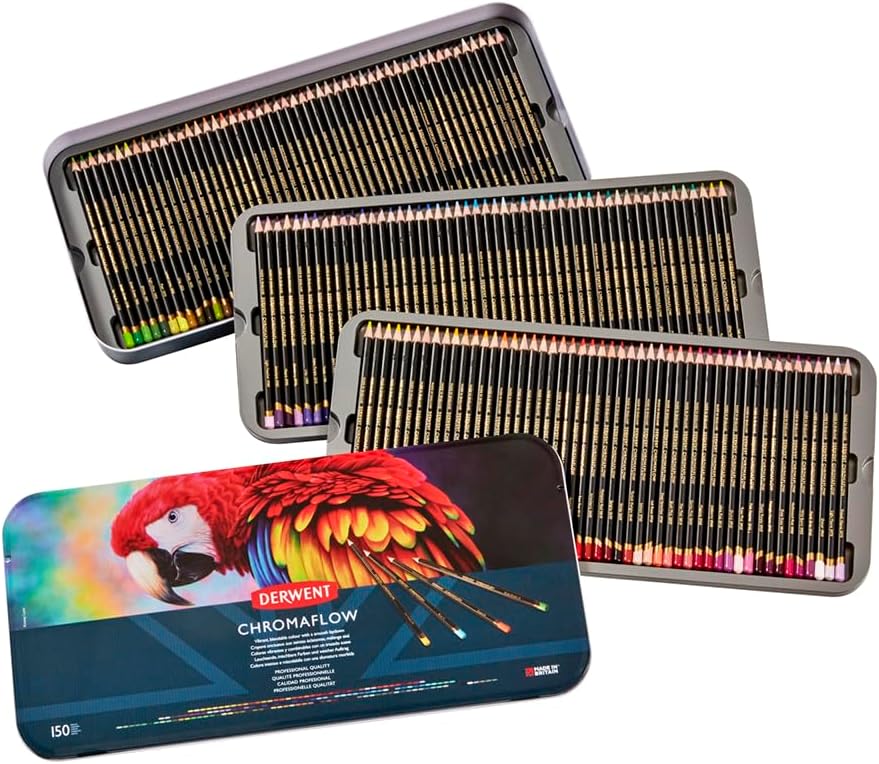
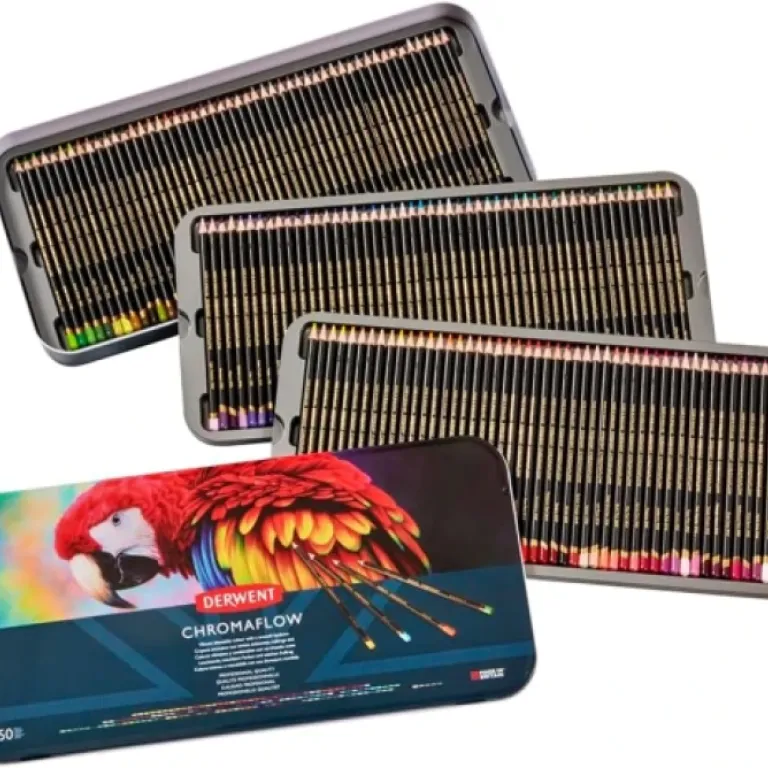
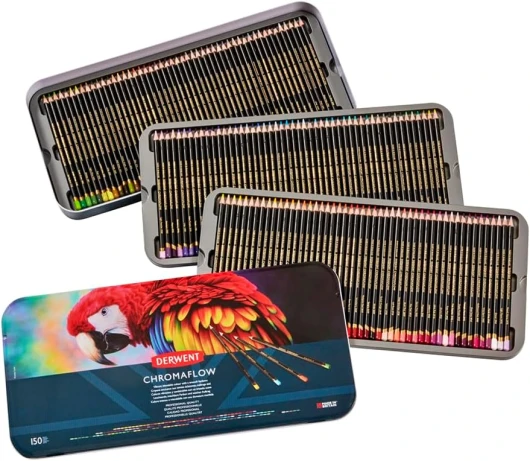
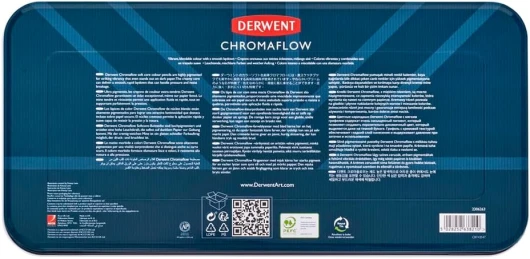
The set comes in a large metal tin with three stacked plastic trays holding the 150 pencils. It’s not fancy wooden-case territory, but it’s decent enough to store them and throw in a bag without worrying too much. The trays are the usual flexy plastic: they keep things in place, but they’re not handy if you like to constantly pull pencils in and out while working. I ended up taking the trays out and keeping my most-used colors in a separate pencil roll for convenience.
The color range is honestly the big selling point here. You get a lot of bright, fun colors: multiple lime greens (Pear, Key Lime, Citrus Yellow, Lemon Lime), vibrant pinks, purples, and blues, plus the usual skin tones, browns, and greys. Compared to Polychromos, there’s more of that “coloring book fun” vibe – less muted, more punch. If you mostly color fantasy pages, florals, or cute characters, this palette fits that better than some of the more serious, earthy pro sets.
Each pencil has a color name and number printed on the barrel. Some users mentioned slight issues like chipped paint or imperfect printing; I noticed a couple with rougher barrel paint and a few minor chips, but nothing that affected sharpening or use. This isn’t luxury-level finishing, but for the price and the amount of pencils you get, it’s acceptable. You’re paying for the core and color range more than for premium cosmetics.
One thing that’s appealing if you plan to use them seriously: these colors are supposed to be available open stock (bought individually) in art stores. That matters if you burn through certain colors like light skin tones or lime greens. That was actually one of the reasons I grabbed the 150 set instead of a smaller one – I don’t like falling in love with a color I can’t replace. So in terms of overall package, you’re getting a big, bright, fairly practical set that’s clearly aimed at people who draw or color a lot, not kids doing homework.
Do they actually help you make better drawings?
In practice, these pencils made my coloring sessions faster and less fussy. Because the cores are soft and pigmented, I didn’t need ten layers to fill a space; two or three passes with medium pressure usually did the job. That’s a big plus if you color to relax and don’t want to sit there micro-layering for hours. Blending skies, skin, and gradients was easy and didn’t require a bunch of special techniques.
For detail work, they’re decent but not perfect. You can get a sharp enough point to do eyes, hair strands, and small patterns, but the point doesn’t stay sharp as long as a harder pencil. So if your style is ultra-detailed realism with tons of tiny strokes, you might find yourself sharpening more often than you’d like. For normal coloring book pages and stylized drawings, they’re more than good enough.
I tried them on a few different surfaces: cheap sketchbook paper, nicer smooth Bristol, and a couple of popular coloring books (Johanna Basford and Maria Trolle). On the better paper, they really show what they can do – smoother blends, richer colors, and fewer visible streaks. On cheaper paper, they still worked, but the wax build-up and streaks showed up sooner. If you’re judging them on printer paper or super cheap pads, you won’t see their full potential.
Bottom line: if your goal is nice, bright, blended pages without needing pro-level skills, these pencils help a lot. They’re not magic, but they’re forgiving, easy to use, and they respond well to simple techniques. For serious archival work or ultra-precise illustration, I’d pair them with a harder, more lightfast set, but for everyday drawing and coloring, they’re pretty solid.
Pros
- Soft, creamy cores with strong, vibrant color and smooth laydown
- Very blendable, especially good for coloring books and casual artwork
- Large 150-color range with lots of bright, fun shades (good greens, pinks, and blues)
Cons
- No clear lightfast ratings, not ideal for archival or professional work
- Barrel finish can be a bit rough or chipped on some pencils
- Soft core means faster wear and more frequent sharpening, especially for fine detail
Conclusion
Editor's rating
Overall, the Derwent Chromaflow 150 set is a solid choice for hobbyists and coloring book fans who want soft, bright, and easy-to-blend pencils without going all the way into top-tier pro pricing. The cores are creamy, the colors are punchy, and they behave well on decent paper. You can lay down color quickly, blend smoothly, and get nice results without needing advanced techniques. Minor cosmetic flaws on the barrels don’t really affect how they work.
On the flip side, they’re not the best option if you’re obsessed with archival quality or ultra-precise detail. There’s no clear lightfast rating per color, the points wear down fairly quickly, and the finish on some barrels is a bit rough. For professional work that will be sold and displayed long-term, I’d treat Chromaflow as a secondary set rather than a main tool. But if your main goal is to relax with coloring books, experiment with bright palettes, or upgrade from Crayola-level pencils, this set hits a nice balance of performance and price.