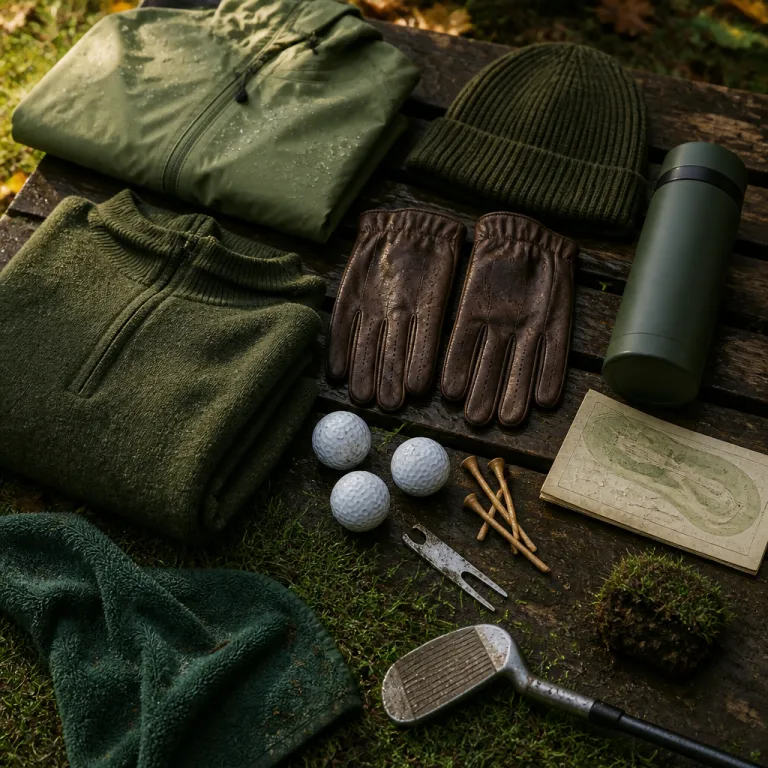
The three layer system for autumn golf, rethought for the swing
September on a quiet golf course feels sharper, denser, more tactical. This is when a serious fall golf clothing layering guide stops being theory and starts shaping every shot you hit in shifting weather golf conditions. Get the layers wrong and your swing shortens, your grip cools, and the round becomes winter golf practice before the clocks even change.
Luxury golf apparel for men and women has finally accepted that a classic three layer system must be built around rotational freedom, not mountaineering bragging rights. Your base layer is not just a thermal tee ; it is the first piece of golf gear that manages moisture, regulates warmth and lets your torso coil without grabbing at the trail shoulder. I look for long sleeve merino wool base layers with mapped stretch panels, because they keep moisture wicking efficient while staying thin enough that you forget they are there by the third hole.
Over that, the mid layer becomes the quiet star of any serious fall golf outfit. A good mid layer should feel like a tailored sweater when you walk, yet vanish when you load the backswing and release through impact. Glenmuir’s AW26 Merino Coolmax knitwear is a strong reference point here, blending merino wool softness with technical fibres that move moisture away from the skin and keep warmth consistent across changing weather golf conditions.
The outer shell is where many golfers overshoot and end up in stiff hiking jackets that bully the swing. Golf jackets designed specifically for the course use lighter fabrics, stretch back panels and low profile cuffs so the club can pass your lead wrist cleanly. When you evaluate golf wear for fall golf, think of the three layers as one integrated golf layering system, not three separate purchases from a random shop wall.
Base and mid layers: luxury fabrics that work as hard as you do
The smartest money in men golf wardrobes this season goes into the unseen base and mid layers. A refined fall golf clothing layering guide always starts with what touches the skin, because that is where moisture, warmth and comfort either align or unravel by the fifth tee. On a cool September morning, a poor base layer choice can leave you golfing cold before the first par three.
For the base, prioritise ultra fine merino wool or merino blends that combine natural moisture wicking with odour resistance and gentle compression. A premium base layer in this fabric keeps your core stable in cold weather without feeling like a gym top, and it lets you walk the golf course without that clammy chill when clouds roll in. Men who run hot might prefer a lighter synthetic base, but the principle stays the same ; the base must move moisture away quickly so the mid layer can focus on insulation, not drying sweat.
That mid layer is where luxury golf apparel really shows its hand. Think quarter zips in double knit fabrics, slim but not tight, with enough stretch that you can rehearse a full swing indoors without the hem riding up. I like a layer mid piece with a brushed interior for warmth and a smooth exterior that slides cleanly under golf jackets, because friction between layers is what often ruins otherwise perfect golf outfits.
On the style front, elevated polos still matter in fall, but they now play a supporting role under those mid layers rather than being the hero. Choose polos in technical piqué that handle moisture and sit neatly under a quarter zip, so you can walk into the clubhouse without peeling off half your golf wear. If you care about the full experience, pair these layers with tailored golf pants in a slightly heavier fabric, then finish the look with a refined golf tote that keeps spare gloves and an extra mid layer organised in a way that matches the rest of your gear.
Outer protection, wetter turf and how autumn changes the shot
Once the first proper front moves through, the outer layer becomes your insurance policy against both weather and bad decisions. A serious fall golf clothing layering guide treats golf jackets as equipment, not accessories, because the wrong cut can cost you a club of distance by strangling the top of your swing. Look for golf wear with articulated sleeves, stretch panels across the back and a drop tail hem that keeps rain off your lower back without bunching at address.
Rain ready golf apparel should feel almost insubstantial in the hand yet shrug off showers and wind on the course. Galvin Green’s recycled insulation jackets are a benchmark here, offering warmth without bulk and a sustainability story that actually holds up under scrutiny. When you test any outer layer, make ten aggressive practice swings ; if the jacket tugs at your lead shoulder or flares over your golf pants, leave it on the rack and shop again.
Autumn is also when the golf course itself changes character. Softer, wetter turf means less roll from the tee, more spin on approaches and more receptive greens, which subtly alters how your golf gear and golf layering strategy should support you. You might club up more often into the wind, trusting that the ball will sit rather than release, and you will notice that cold air and cold weather conditions knock a few metres off every iron.
That is why many better players quietly switch to a slightly softer ball once the temperature drops. Compression changes in cold air, and a softer construction can help maintain feel on partial shots and putts when your hands are not as warm. For players who care about aesthetics as much as performance, pairing a sleek women’s or men’s rain shell with insulated yet trim golf pants and a technical mid layer creates a cohesive golf outfit that looks intentional, not improvised, and aligns perfectly with any refined women’s golf jacket capsule you might be building around high performance outerwear.
From footwear to feel: adapting every detail to autumn conditions
The September shift is felt most sharply from the ground up. Dewy fairways, slick wooden bridges and heavier rough mean your footwear and lower body layers carry more responsibility than they did in July. Treat this as an opportunity to refine your fall golf layering rather than a reason to drag out old winter golf boots.
Transition from breathable mesh shoes to waterproof leather models that still respect the rhythm of your swing. Modern luxury golf shoes use lighter midsoles and hybrid traction patterns, so you can walk eighteen holes in mixed weather golf conditions without feeling like you are wearing mountaineering boots. The goal is simple ; stay dry through the early morning moisture while keeping enough flex underfoot to load into the ground on every drive.
Legwear deserves the same scrutiny as any base or mid layer. Slightly heavier golf pants with a brushed interior add warmth without needing bulky thermal leggings, and they pair cleanly with both quarter zips and insulated golf jackets. On truly golfing cold days, a thin base layer tight under your trousers can extend your season by weeks, provided the fabric remains slick enough that it does not grab during the follow through.
As your wardrobe evolves, think of your entire golf gear setup as a system that balances warmth, mobility and style. A well curated fall golf clothing layering guide should sit alongside your iron selection and ball choice, not beneath them, when you plan a season of competitive rounds. If you are already the type of player who obsesses over finding irons that match both your swing and your standards, you should give the same attention to how your layers interact with that motion so the club and the clothing work in harmony.
FAQ
How many layers should I wear for a typical September round ?
Most golfers are best served by three layers in early fall. Start with a moisture wicking base layer, add an insulating mid layer such as a quarter zip, then carry a lightweight golf jacket for wind or showers. Adjust by removing or opening the mid layer as the course warms through the back nine.
What makes a good golf specific base layer compared with a running top ?
A golf base layer must prioritise stretch across the shoulders and torso rotation rather than forward flex. Look for fabrics like merino wool blends or technical knits that combine moisture control with four way stretch and minimal seam bulk. The fit should be close but not compressive, so your swing remains completely unrestricted.
Are quarter zips better than sweaters for autumn golf ?
Quarter zips generally offer more on course versatility than traditional sweaters. The zip allows you to fine tune warmth and ventilation between shaded and sunny holes, while technical fabrics slide more easily under golf jackets. Classic knitwear still has a place, but performance mid layers are usually the more practical choice.
When should I switch from summer shoes to waterproof golf footwear ?
Make the switch as soon as you regularly see dew on the first fairway or encounter soft, damp turf. Waterproof leather or treated uppers keep your feet dry through wet rough and early morning moisture without adding excessive weight. Prioritise models with good traction and enough flexibility to support a full, balanced swing.
Do I really need different golf balls for colder weather ?
While you can play the same ball year round, many players benefit from a slightly softer model in colder conditions. Lower temperatures reduce ball compression and distance, especially with irons and wedges. A softer ball can help maintain feel and spin control when the air and the turf both play heavier.