Summary
Analysis score
Average of the criteria rated below
Value for money against big-brand putters
Flashy Tiger aesthetics and mallet shape
Feel, balance, and weight perception
Alloy steel build and Korean manufacturing
Build quality, warranty, and long-term outlook
Top spin promise, real-world skepticism
What the TOPSPIN M9 3PUTT Killer The Tiger offers on paper
Pros
- Curved face and top-spin concept aimed at reducing hop and skid
- Solid, straightforward alloy steel construction with Korean manufacturing and 1-year warranty
- Balanced mallet design with standard 34-inch length that should fit many golfers
Cons
- Very bold Tiger-themed aesthetics that many golfers may find too flashy
- Limited number of public reviews and mixed views on how noticeable the top-spin benefit really is
- Weight perceived as a bit light by at least one experienced golfer who prefers heavier putters

Specifications
View full product page →| Brand | TOP SPIN |
A putter built around top spin and fewer three-putts
The JAMESMILR TOPSPIN Putter M9 “3PUTT Killer The Tiger” is clearly aimed at golfers who are tired of leaving putts short or watching the ball skid off the face. The whole concept is in the name: a mallet putter that is supposed to launch the ball with immediate top spin, reduce hopping and skidding, and, in theory, help you cut down those painful three-putts. With a 34‑inch length, right-hand orientation, and regular flex steel shaft, it sits right in the mainstream of modern mallet putters.
The brand pushes a few key promises: no hop, no skid, soft impact, and accurate directionality, helped by a curved (or gear-effect) face design. On paper, this design should help the ball start rolling sooner rather than sliding, which can be useful on fast or firm greens where initial skid often sends the ball offline. The head is paired with a putter grip and a fairly standard 70° lie and 3° loft, numbers that line up with many well-known models from bigger brands.
In the Amazon comments, buyers are few but mostly positive: an average of 4.4/5 from 2 ratings. One golfer with past low-handicap experience describes it as a decent putter with solid craftsmanship, even if not revolutionary for their own stroke. Another review is very enthusiastic, highlighting how nice the weight feels in hand and how much they appreciate the top-spin concept while practicing putts at home.
In my opinion, this club sits in an interesting spot: technically serious enough for golfers who pay attention to lie, loft and balance, but with a very bold “Tiger” visual identity that will not be to everyone’s taste. The spec sheet looks coherent, the price is not displayed, and the small number of reviews makes it hard to draw big conclusions. Still, there is enough information to see who this putter might suit: players curious about top-spin face tech and mallet stability, who don’t mind a flashy design and are willing to tune weight and feel to their own preferences.
Value for money against big-brand putters
The price is not displayed, so judging value has to focus on what you get in terms of specs, design, and feedback compared with typical offerings from major brands. The TOPSPIN M9 brings a few elements to the table: a mallet-style head, standard 34-inch length, alloy steel construction, and, most importantly, a specialized curved face that aims to promote immediate top spin. It is also made in Korea and backed by a 1‑year warranty, which is respectable for a smaller brand.
Against that, you have the reality that brand recognition is limited and the number of reviews is very low. One buyer with serious golf experience calls it OK but not revolutionary, especially in terms of the claimed top-spin benefit. Another is fully satisfied and very positive, but without detailed comparisons. The average rating of 4.4/5 is good, but with only two ratings, it does not carry the same weight as hundreds of reviews on a mainstream putter from Odyssey, TaylorMade, or Scotty Cameron. Those brands also often provide more detailed tech breakdowns, fitting options, and established resale value.
In my opinion, the M9’s value will depend heavily on how it is priced relative to mainstream mallets. If it is priced clearly below big-brand models, it could be a good way to try top-spin face technology without paying a premium for a famous logo. The solid build, Korean manufacturing, and one-year warranty support that. If, on the other hand, it is priced close to or above major tour-proven models, the limited validation and niche branding make the proposition weaker, especially given that at least one experienced golfer did not notice a dramatic improvement in roll.
Overall, as long as the price stays in a reasonable mid-range bracket, I would call the value decent: you get a unique look, a clear technical idea, and a solid spec sheet. Golfers who are very price-sensitive or who care a lot about resale value and brand prestige might still lean toward more established names. But for someone who likes the Tiger design and wants to experiment with a top-spin concept, this putter could make sense financially if the asking price is aligned with its niche status.

Flashy Tiger aesthetics and mallet shape
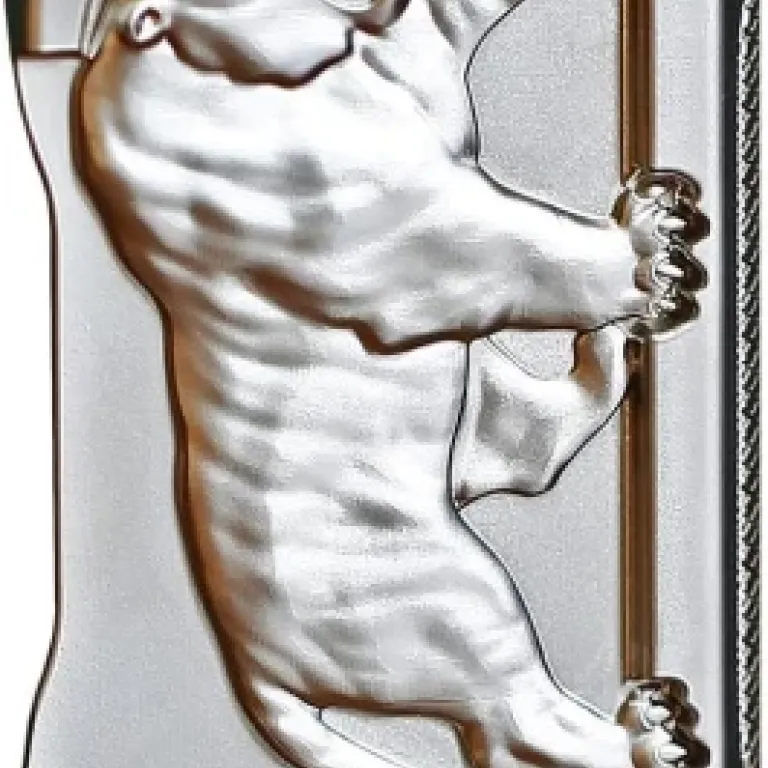
The design direction is very clear: bold mallet with a Tiger theme. One reviewer straight up says that the tiger graphics are “a bit much” and make them feel like they are “screaming for attention” on the green. That same person notes that their old Zebra putter was not exactly discreet either, so the Tiger vs. Zebra comparison is almost ironic. The other buyer calls it a “cool putter” and seems pleased with the look. So visually, this is polarizing: if you like loud, animal-themed golf gear, this will probably hit the mark. If you prefer a stealthy, minimalist blade, this is not it.
The overall mallet style is practical: it usually offers more stability on off-center hits and a bigger alignment surface. Even though the exact top-line and alignment markings are not described in detail, mallet putters typically provide a visual aid to square the face. The fact that one reviewer says the club feels well balanced supports the idea that the head geometry is reasonably well thought out. The color is listed as silver, so the head likely has a metallic finish with the Tiger artwork and branding layered on top.
From a functional design standpoint, the standout element is the curved face, which the brand associates with gear-effect and quicker top spin. This is the piece that differentiates it from a standard flat-faced mallet. One buyer, who mentions being an engineer, is skeptical about how much this curve really changes the roll if you already strike the ball well. They point out that any benefit might show mostly in mis-hits or in very controlled lab-style conditions. They even shot a comparison video (on a firm carpet) and say they did not see a large difference in roll-out or initial hop versus their old Zebra.
In my opinion, the design is function-first with loud visuals. The mallet head and standard 34-inch length will feel familiar to many golfers, while the Tiger theme and curved face provide the product’s identity. If you want a clean, tour-style look, this may feel too flashy or gimmicky. If you like clubs that stand out in the bag and you’re curious about face tech that promises earlier top spin, this design has a clear hook. Just be aware that, judging from the comments, the aesthetic impact is strong, and the performance difference might not be as dramatic as the marketing suggests.
Feel, balance, and weight perception
Comfort with a putter usually comes down to weight, balance, length, and grip. Here, the TOPSPIN M9 sits at 34 inches with a regular flex alloy steel shaft and a putter grip. These are classic specs that tend to suit a wide range of golfers. One reviewer who is 6' tall mentions that the length feels good to them, which suggests that the setup is not awkwardly short or long compared with mainstream options. That is a good starting point for posture and comfort over the ball.
The interesting part is how buyers perceive the weight and balance. The total weight is listed as 565 g, which is not extreme in either direction. Yet feedback splits. The former low-handicap player says the putter is a bit light for their taste and that they personally prefer a heavier head so gravity can do more of the work in the stroke. They still acknowledge that the M9 feels well balanced and that the weight is similar to other putters of this style; it just does not match their heavier preference. On the other side, another buyer calls the weight “amazing” and says it is a pleasure to hold. That suggests the balance point and swing weight might feel quite natural for many players who are used to modern mallets.
Grip comfort is mentioned only indirectly. The product uses a putter grip (no brand or thickness detail), and none of the reviews complain about the grip being slippery or uncomfortable. In general, most golfers eventually change grips to match their hand size and preference, so the stock grip is rarely a make-or-break element. The fact that it does not draw negative comments is at least a neutral sign.
In my opinion, the M9 should offer decent comfort for most average-height golfers, with a neutral weight that some will find ideal and others may want to adjust with lead tape or a different grip. If you are specifically hunting for a super-heavy, counterbalanced feel, this club might feel a bit too light. If you like a more traditional mallet weight that allows you to swing rather than push, the feedback suggests the balance is well executed. Comfort here looks more about matching personal taste than about any glaring flaw in the design.

Alloy steel build and Korean manufacturing
The M9 3PUTT Killer The Tiger relies on alloy steel for both the shaft and the head. Alloy steel is a common choice in putters because it offers good rigidity, predictable feel, and durability at a reasonable cost. The spec sheet repeats alloy steel several times, which suggests the brand is not using exotic multi-material constructions like tungsten inserts or carbon fiber bodies. For many golfers, that is perfectly fine: putters do not suffer the same impact stresses as drivers or wedges, so a solid steel build often lasts for years without structural problems.
The total club weight is listed at 565 g, which places it in a typical putter range, though one reviewer with a preference for heavy putters finds it on the light side. Another buyer, on the other hand, praises the weight and calls it a pleasure to hold. That contrast underlines a simple point: weight preference is personal. From a material point of view, alloy steel allows the manufacturer to tune head weight and shaft stiffness without complex manufacturing steps, which likely helps keep the price more accessible than premium milled options from major brands.
The product is made in Korea by JAMESMILR. Korea has a solid reputation in the golf equipment world, especially for precise machining and quality control in smaller production runs. The brand backs this putter with a 1‑year manufacturer warranty, which suggests a minimum level of confidence in the durability of their materials and assembly. There are no reports in the current reviews about rust, loose parts, or early wear, though with only two published ratings the sample size is very limited.
In my opinion, the materials are competent and straightforward: no high-end exotic metals, but a conventional steel construction that should hold up over time for normal use. If you are looking for a fully milled, ultra-premium stainless putter with adjustable weights and interchangeable faces, this model is not in that category. But for golfers who just want a solid steel mallet with a unique face design, the material choices look sensible, and the Korean manufacturing plus one-year warranty add a bit of reassurance on build quality.
Build quality, warranty, and long-term outlook
Durability for a putter is mostly about material choice, build quality, and protection from wear. This model uses alloy steel for both the shaft and head, which is a standard, proven choice in golf equipment. Alloy steel resists bending and breakage under normal putting forces, and since putters do not suffer violent impacts like drivers or wedges, a solid steel head usually holds up well over many seasons. The product also comes with a 1‑year manufacturer warranty, which offers at least some safety net for early manufacturing issues.
In the current public reviews, there are no reports of breakage, rust, or structural problems. One buyer explicitly praises the craftsmanship, saying the putter looks nicely made in hand. That comment, combined with Korean manufacturing (Korea often has a decent reputation for precision machining in golf gear), suggests that the assembly, finishing, and alignment are handled with a reasonable level of care. The packaging dimensions (35 x 5 x 3 inches) and package weight (0.64 kg) indicate a standard shipping format, so there is nothing unusual or risky about how it is delivered.
The only caution is that the number of reviews is very small (2 ratings), so there is not much long-term feedback yet. No one has described months or years of use, so it is impossible to say how the face finish, Tiger artwork, or grip will age under heavy play. On paper, a steel head with printed or painted graphics should withstand normal bag wear, but frequent contact with other clubs could eventually mark the artwork, as with any decorated putter.
In my opinion, the durability outlook is solid but not deeply documented. The materials are conventional and robust, the brand offers a one-year warranty, and there are no red flags in the comments. For a putter that is not subjected to high-impact shots, that is usually enough. If you are very picky about finish longevity or want a fully milled stainless head that can be refinished easily, premium big-brand models might still appeal more. But nothing here suggests that the M9 is fragile or prone to early failure under normal golfing conditions.

Top spin promise, real-world skepticism
Performance is where this putter tries to stand out. The marketing is very clear: “No hop no skid”, “soft touch”, and a face designed to reduce backspin and get the ball rolling faster. The theoretical benefit is straightforward: the sooner the ball starts rolling end-over-end, the more predictable the line and distance should be, especially on fast or firm greens. The curved or gear-effect face is meant to grab the ball slightly and launch it with immediate top spin rather than letting it slide first.
Among the Amazon comments, feedback on performance is mixed but generally positive. One reviewer describes the M9 as a “solid putter” with nice craftsmanship and good balance, but says it is not revolutionary for their stroke. This person, who mentions having been a 4 handicap in the past, tried to compare ball roll between this putter and an old Zebra on a firm carpet. In their words, they “honestly didn’t see much difference” in how quickly the ball started rolling, at least with their technique and setup. They also highlight that their test surface is not a real green, which complicates the comparison.
The other review is far more enthusiastic, calling it an “incredible putter” and praising the weight and the top-spin concept. That buyer seems convinced that the design will help their momentum and is using it for backyard practice with confidence. However, they do not go into technical detail or compare it with another putter, so it is more of a general satisfaction statement than a rigorous performance analysis.
In my opinion, the performance story is promising but not fully proven in public feedback. On paper, 3° of loft and a curved face should be enough to get the ball rolling cleanly if you strike it well. The 70° lie and mallet head should also help with consistency and alignment. But the limited number of reviews and the engineer’s skeptical comment suggest that golfers should treat the top-spin claim as a potential small advantage rather than a magic fix. If your stroke, alignment, and distance control are already weak, no face technology will suddenly remove all three-putts. This putter could help you fine-tune roll, but it will not replace practice and a stable stroke.
What the TOPSPIN M9 3PUTT Killer The Tiger offers on paper
On paper, the JAMESMILR TOPSPIN M9 is a mallet-style putter with a focus on gear-effect face technology. The manufacturer highlights a curved striking surface designed to reduce backspin and get the ball rolling sooner. The slogans are very direct: “You can conquer putting”, “No hop no skid”, “Soft touch”. The idea is simple: if the ball starts rolling earlier and straighter, you should see fewer three-putts and more consistent distance control.
The key specs are classic: 34-inch length, 70° lie angle, 3° loft, and regular flex alloy steel shaft. These numbers put it right in the middle of typical putter specs, which means most adult golfers should be able to adapt without changing their posture dramatically. The head weight is not listed separately, but the total club weight is about 565 g (0.565 kg), with a package weight of 0.64 kg. One review from a former 4‑handicap player finds the overall club on the lighter side compared with their preference for heavier putters, while another buyer praises the weight as a strong point. That split suggests the balance is fairly neutral: not ultra-heavy, not ultra-light.
The product is targeted as unisex-teen, but in practice the specs are standard adult dimensions, and one reviewer at 6' tall mentions that the length feels fine. The putter is made in Korea by JAMESMILR for the TOP SPIN brand, with a 1‑year manufacturer warranty, which is reassuring for a niche brand that not everyone will know. It uses alloy steel for both shaft and head, with a putter-style grip included.
In my opinion, the presentation is clear: this is not a wildly experimental shape, but a fairly conventional mallet wrapped around a specialty top-spin face. The claims about no hop and no skid are ambitious. One reviewer even tried to compare rolling behavior on a firm carpet between this putter and an old Zebra. They say they did not see a huge difference, at least with their stroke. That doesn’t mean the tech is useless, but it suggests that the benefit may be subtle and dependent on how consistently you strike the ball. Overall, the spec sheet suggests a serious but niche product, mostly for golfers who are curious about face technology rather than just brand names.
Pros
- Curved face and top-spin concept aimed at reducing hop and skid
- Solid, straightforward alloy steel construction with Korean manufacturing and 1-year warranty
- Balanced mallet design with standard 34-inch length that should fit many golfers
Cons
- Very bold Tiger-themed aesthetics that many golfers may find too flashy
- Limited number of public reviews and mixed views on how noticeable the top-spin benefit really is
- Weight perceived as a bit light by at least one experienced golfer who prefers heavier putters
Conclusion
Analysis score
The JAMESMILR TOPSPIN Putter M9 3PUTT Killer The Tiger is a niche mallet that builds its identity around a curved, top-spin face and loud Tiger-themed visuals. The spec sheet is solid: 34-inch length, 70° lie, 3° loft, alloy steel shaft and head, and a total weight around 565 g. Public feedback, although limited, points to good craftsmanship and a balanced feel, with one golfer saying the weight is a highlight and another describing it as a bit light but still well balanced. Performance comments suggest that the top-spin benefit may be real but not necessarily dramatic for every stroke, especially if your technique is already consistent.
In my opinion, this putter suits golfers who like bold designs, are curious about gear-effect face technology, and are comfortable trying a lesser-known brand made in Korea with a 1‑year warranty. It is also a reasonable option for players who want a standard-length mallet with a neutral overall weight and are willing to adjust feel with grip changes or lead tape if needed. Those who should probably skip it are golfers obsessed with discreet looks, people who strongly prefer very heavy or fully milled premium putters, and anyone who values big-brand validation and large volumes of user feedback above everything else.
Overall, I would place this putter at 4/5 on an analysis scale: technically coherent, interesting face concept, and generally positive early reviews, but with limited proof of a big performance jump and an aesthetic that will divide opinions. If the price is sensible, it is a decent, slightly different option in a crowded putter market.